

 Dwi Wanna
 Nana Wu
 Muslim
 Reynand Wu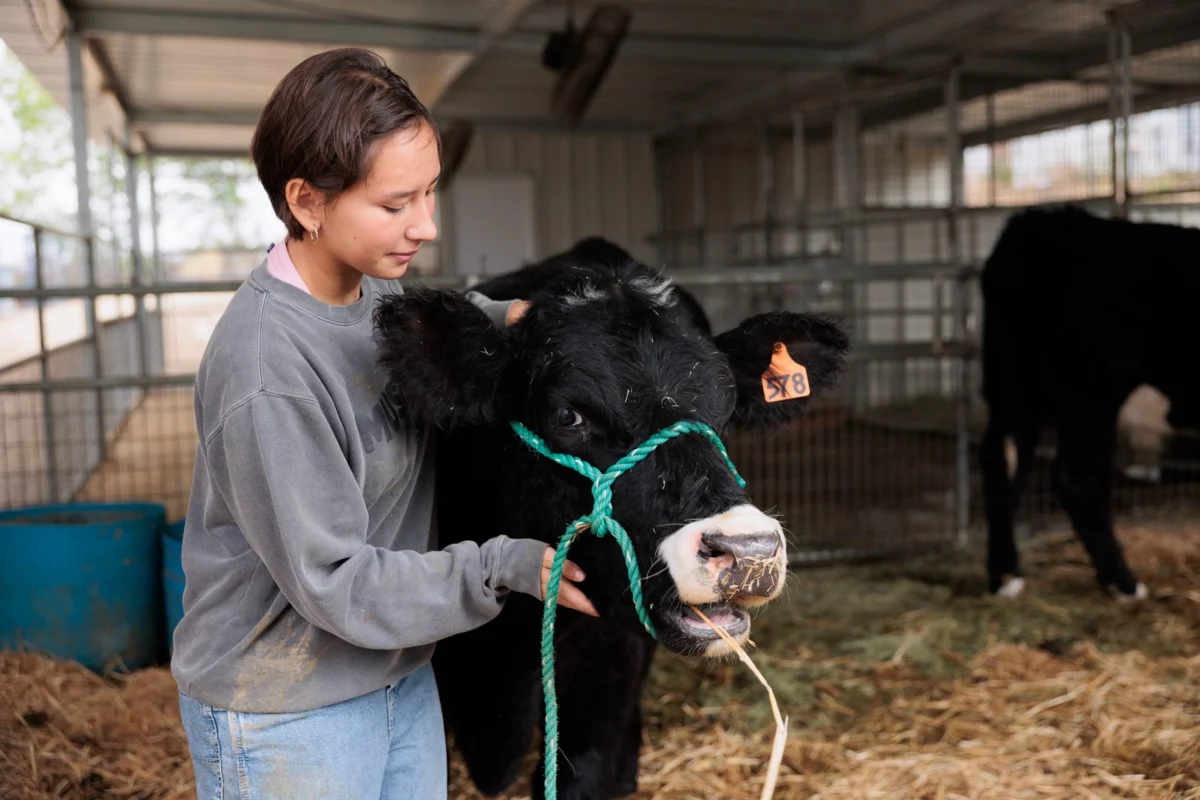
 Ammar Sabilarrohman
 Nana
Nana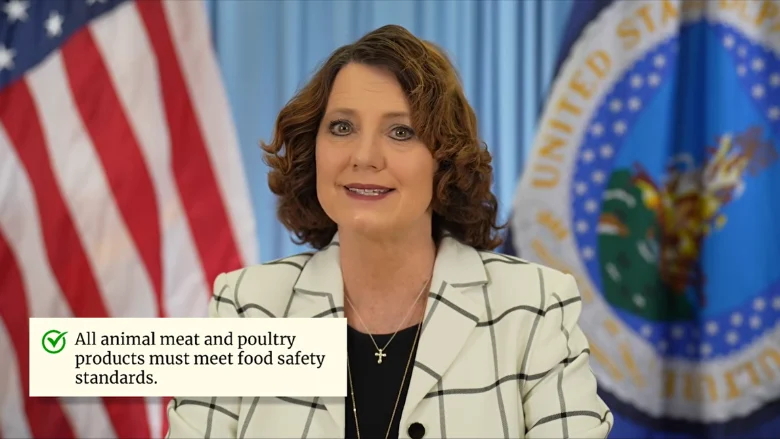
In an era where digital misinformation can travel faster than the actual pathogens we monitor, the U.S. Department of Agriculture (USDA) is taking proactive steps to clarify the distinction between animal health crises and food safety threats. Recently, Mindy Brashears, Ph.D., USDA Under Secretary for Food Safety, teamed up with the Partnership for Food Safety Education (PFSE) to release a critical instructional video aimed at food safety educators across the nation.
The core of the message is a firm, evidence-based correction to growing public anxiety: while the New World Screwworm (NWS) is a significant concern for livestock producers and animal welfare, it poses no risk to the human food supply. By leveraging the trust held by educators, the USDA hopes to stem the tide of confusion that has permeated social media and news outlets.
The Nature of the New World Screwworm: A Biological Overview
To understand why the USDA is working to decouple NWS from food safety concerns, it is necessary to understand what the New World Screwworm actually is. Unlike bacteria such as Salmonella, Listeria, or E. coli, which are foodborne pathogens that can cause illness when ingested, the New World Screwworm (Cochliomyia hominivorax) is a parasite.
The "screwworm" is actually the larval stage of a fly. The female fly deposits eggs in the open wounds of warm-blooded animals, including livestock and wildlife. Once the eggs hatch, the larvae feed on the living tissue of the host, creating deep, damaging lesions. If left untreated, the infestation can be fatal to the animal.
Because NWS is an external parasite that affects live animals, it is fundamentally different from a foodborne pathogen. The screwworm does not "infect" meat in the way a bacterium might contaminate a carcass during processing. Furthermore, the rigorous sanitary standards already enforced by the USDA-Food Safety and Inspection Service (FSIS) ensure that any animal showing signs of significant disease or injury is flagged and removed from the human food chain long before processing occurs.
Chronology of the Current Situation
The current USDA response is part of a long-standing historical battle against this parasite.
- Mid-20th Century Eradication: The U.S. successfully eradicated the NWS in the 1960s using the Sterile Insect Technique (SIT), where millions of sterile male flies were released to prevent the population from reproducing.
- The Modern Resurgence: In recent years, sporadic outbreaks have prompted renewed vigilance from the Animal and Plant Health Inspection Service (APHIS).
- The Rise of Misinformation: As news of these regional outbreaks reached the public, a disconnect occurred. Consumers began conflating "animal disease" with "foodborne illness."
- The USDA-PFSE Intervention: Recognizing that this confusion could negatively impact consumer confidence in the meat supply, Dr. Brashears and the PFSE collaborated on a multimedia campaign to provide clear, actionable information to those on the front lines of food safety education.
Official Responses and the Role of Trust
"As USDA responds to NWS, your role is especially important, and we could use your help," Dr. Brashears stated in the recent video address. She noted that the agency has observed a significant uptick in inquiries from concerned citizens who are worried about the safety of poultry and meat products.
The USDA’s strategy is built on the concept of "trusted messengers." The agency understands that government press releases often struggle to reach the average consumer. By partnering with the PFSE—a coalition of extension offices, nutritionists, and consumer advocates—the USDA is ensuring that accurate, science-based information is disseminated through channels where consumers already seek guidance.
"I want to be very clear," Dr. Brashears emphasized. "NWS is a serious animal health issue, but it is not a food safety issue." Her message is aimed at empowering educators to provide a simple, definitive answer to the public: there is no evidence to suggest that NWS can be transmitted to humans through the consumption of cooked meat or poultry products.
Implications for the Food Industry and Consumers
The economic and psychological implications of this misinformation are profound. If consumers were to arbitrarily avoid meat products due to fear of the screwworm, it could cause unnecessary disruptions in the food supply chain and negatively impact the livelihoods of farmers who are already dealing with the direct costs of managing the infestation.
1. Protecting the Food Supply Chain
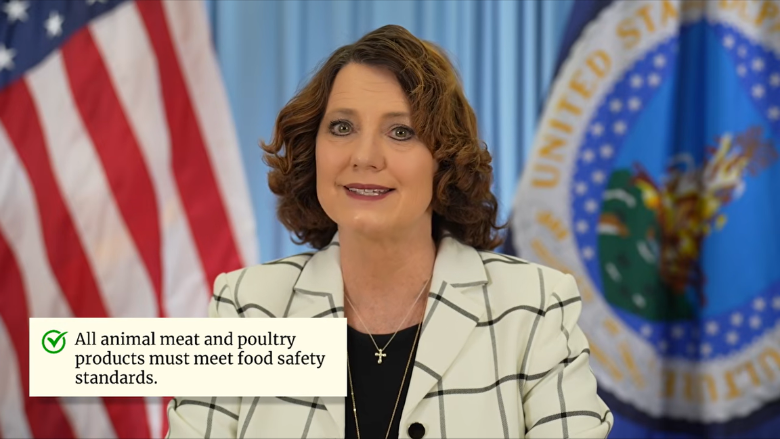
The USDA-FSIS maintains a robust inspection infrastructure. Every meat and poultry product regulated by the USDA must meet stringent food safety standards. These standards involve continuous monitoring, sanitary slaughter practices, and oversight by on-site inspectors who are trained to identify animals that are unfit for consumption. If an animal is suffering from a screwworm infestation, its physical condition would be obvious to inspectors, and it would be condemned under existing regulatory frameworks.
2. Debunking the Pathogen Myth
One of the most dangerous myths circulating is the idea that the screwworm is a pathogen that could be ingested. In reality, the screwworm is not a disease that resides in muscle tissue, nor is it a microorganism that survives the standard cooking temperatures recommended by the USDA (145°F for whole cuts, 160°F for ground meats). The myth likely stems from a misunderstanding of how parasites differ from bacteria or viruses.
3. The Power of Public Education
The partnership between the USDA and the PFSE highlights the necessity of scientific literacy in the modern food system. By equipping educators with the facts, the USDA is effectively building a "firewall" against panic. When an educator tells a consumer that the meat in their supermarket is safe, that message carries a level of trust that a government notice cannot replicate alone.
Moving Forward: Resources for the Public
For those who wish to remain informed, the USDA has consolidated resources via the APHIS website, which provides updates on the ongoing efforts to control NWS populations. These efforts include ongoing surveillance, the use of sterile fly releases, and collaboration with international partners to prevent the spread of the insect.
Furthermore, the Partnership for Food Safety Education continues to provide tools to help nutritionists and community educators answer questions about food safety. For those seeking immediate assistance, the "Ask FSM" AI tool, hosted by Food Safety Magazine, serves as an additional layer of support, providing quick, data-driven answers to common questions about food handling and safety.
Conclusion: A Call for Scientific Clarity
The New World Screwworm crisis is a testament to the challenges of modern food safety communication. While the threat to livestock is real and necessitates a robust, multi-agency response, the threat to human health is non-existent.
Dr. Brashears’ call to action for educators is a reminder that in the fight against misinformation, facts are the strongest weapon. By maintaining clear lines of communication and relying on the rigorous, established standards of the USDA-FSIS, the industry can ensure that the public remains protected—not just from foodborne illness, but from the unnecessary anxiety caused by scientific misunderstanding.
As we look to the future, the integration of technology, like the Ask FSM tool, and the continued partnership between federal agencies and private educators will be the standard for maintaining public confidence in the safety of our nation’s food supply. Through vigilance, education, and transparent communication, the USDA remains committed to its mission of protecting the health of both our nation’s animals and its citizens.
About the Author
Bailee Henderson is the Digital Editor of Food Safety Magazine. She covers industry-relevant current events, regulatory affairs, and scientific developments. Her work has been featured in national televised news segments, including CBS Sunday Morning and MSNBC’s The Rachel Maddow Show. For inquiries, she can be reached at [email protected].