

 Raul Delapena Setiawan
 Ammar Sabilarrohman
 Lina Irawan
 Suro Senen
 Laily UPN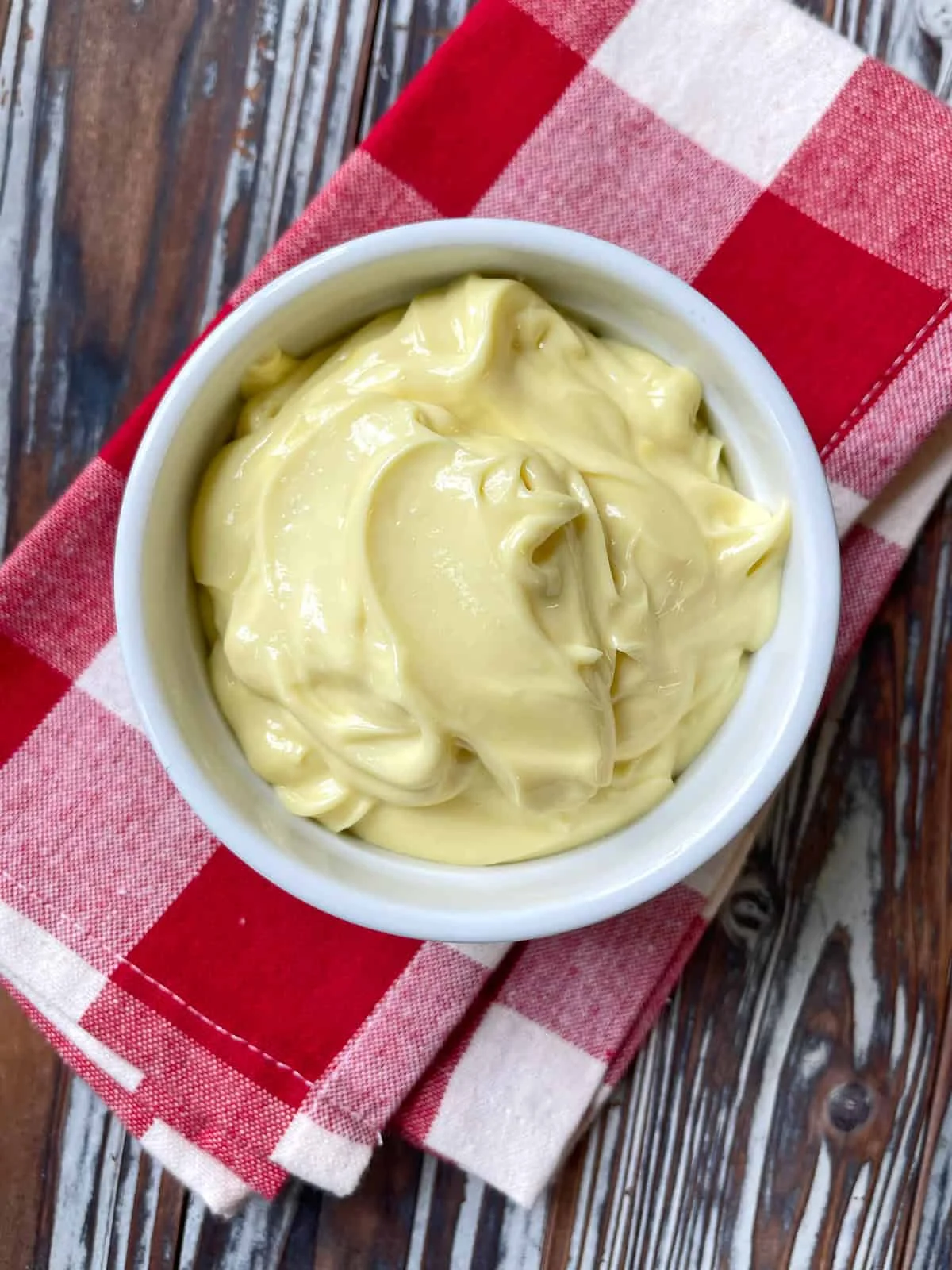
In an era where convenience often dictates our dietary habits, a quiet revolution is taking place in kitchens across the globe. For decades, the ubiquitous jar of mass-produced mayonnaise has sat comfortably on pantry shelves, a preserved, shelf-stable product laden with stabilizers and industrial additives. However, a growing movement of home cooks and culinary enthusiasts is rediscovering the elegance of the original: a fresh, five-minute emulsion that renders store-bought versions obsolete.
The Science of the Emulsion: Defining the Perfect Condiment
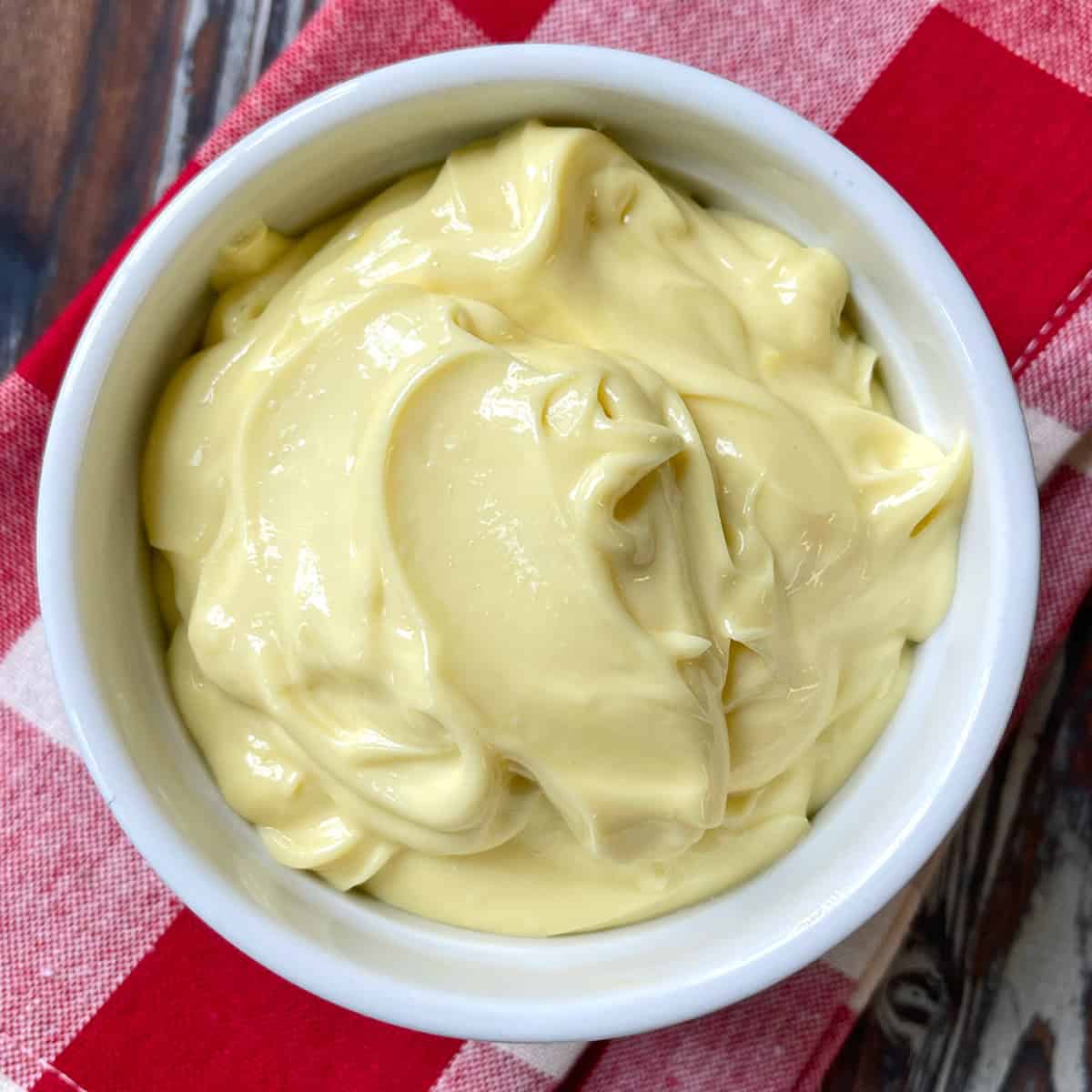
At its fundamental level, mayonnaise is a masterclass in culinary chemistry. It is a stable emulsion, defined as a mixture of two liquids that are normally immiscible—oil and a water-based component, typically lemon juice or vinegar. The bridge between these two disparate elements is the egg yolk, which contains lecithin. This natural emulsifier possesses a unique molecular structure: one end is attracted to water (hydrophilic) and the other to oil (lipophilic).
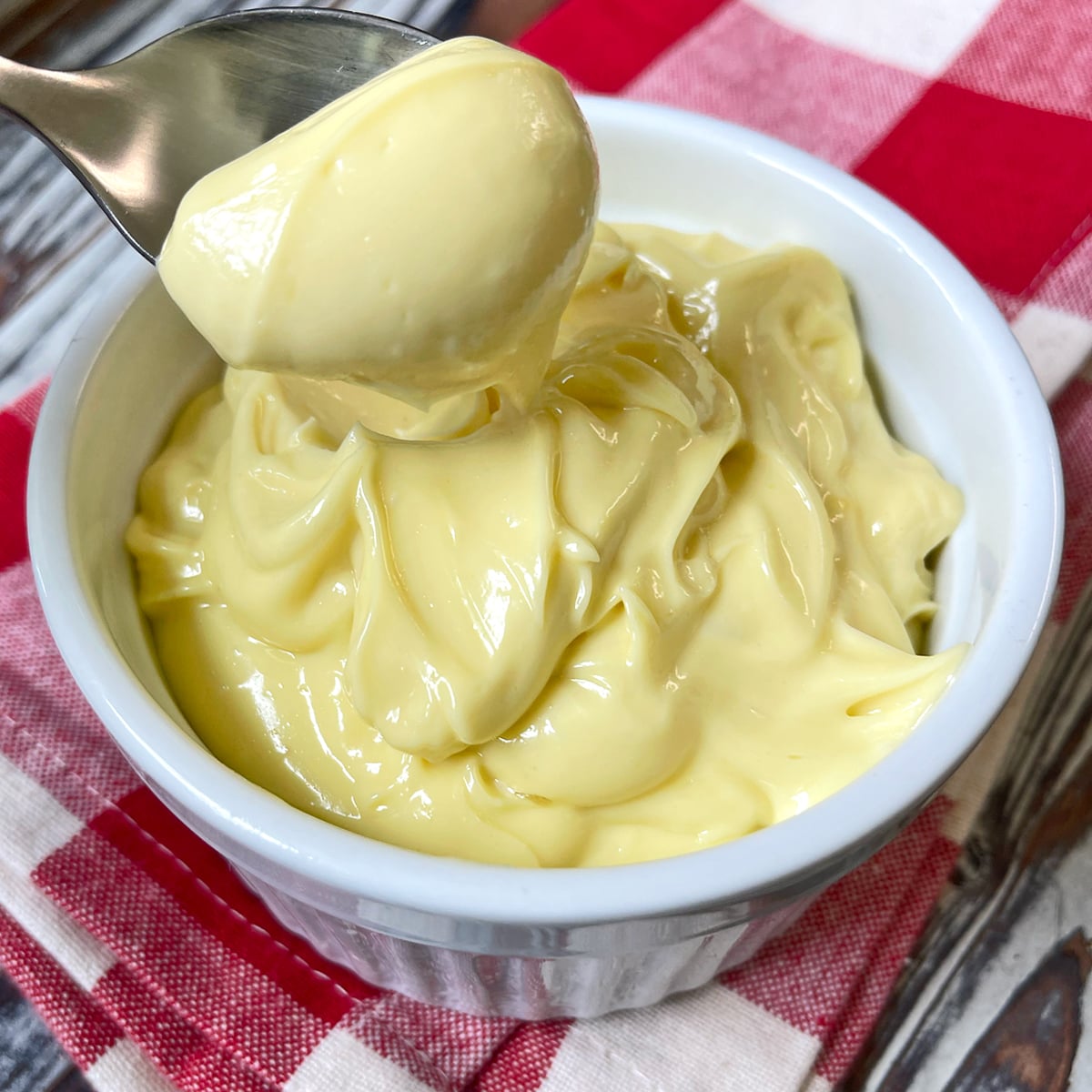
When a home cook slowly introduces oil into an egg-yolk-and-acid base while providing consistent mechanical energy—through whisking or high-speed blending—the lecithin coats the microscopic droplets of oil, suspending them within the aqueous phase. The result is a thick, velvety, and rich condiment that bears little resemblance to the gelatinous, sometimes cloying texture of commercial brands.
A Historical Retrospective: From Minorca to the Global Table
The history of mayonnaise is a subject of passionate debate among food historians, yet its evolution from a rustic sauce to a global culinary cornerstone is well-documented.
The Mahón Legend
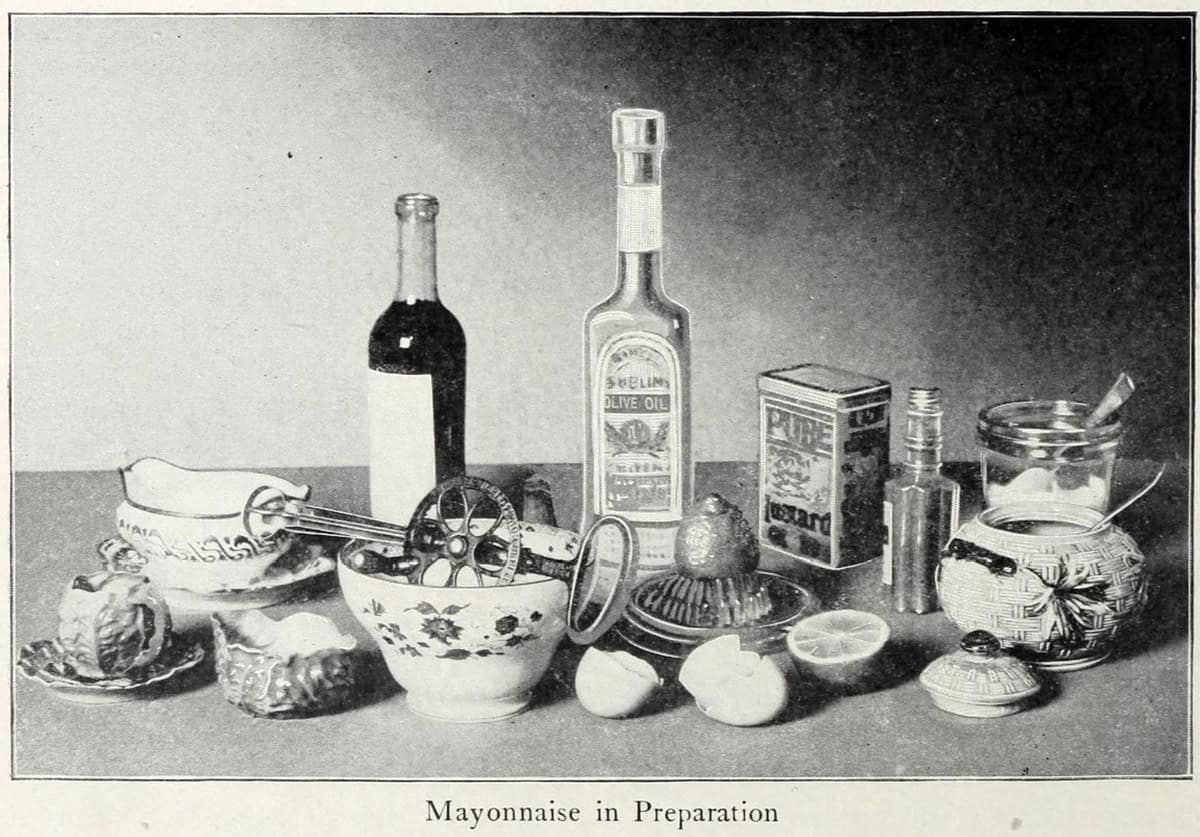
While some scholars point toward the ancient garlic-heavy aiolis of Catalonia, the most widely accepted narrative centers on the year 1756. During the Seven Years’ War, French forces led by the Duke of Richelieu captured the port of Mahón on the island of Menorca. Legend dictates that the Duke’s chef, searching for a sauce to serve with his feast, found that the kitchen’s cream supply had been exhausted.
Improvising with the ingredients at hand—egg yolks, olive oil, and seasonings—the chef created a sauce that enchanted the French officers. It was dubbed mahonnaise in honor of the victory. Whether or not the story is purely apocryphal, the name stuck, evolving over the ensuing centuries into the modern term: mayonnaise.
The Rise of Industrialization
By the 19th century, mayonnaise had been firmly cemented as a foundation of French cuisine, serving as the base for iconic derivatives like rémoulade, tartare, and Russian dressing. However, the 20th century brought the most significant shift in the condiment’s history. With the rise of the American middle class and the demand for mass-produced food products, companies began to manufacture mayonnaise on an industrial scale.
To ensure safety and longevity on grocery store shelves, manufacturers introduced preservatives, sugar, and stabilizers. While these changes made the product accessible and long-lasting, they fundamentally altered the flavor profile. Today, the return to homemade mayonnaise represents a rejection of these industrial additives in favor of "clean" ingredients and the superior palate-feel of fresh eggs and high-quality oils.
Decoding the Mechanics: Why "Broken" Mayonnaise Happens
For the novice, the prospect of making mayonnaise can be intimidating due to the notorious phenomenon of a "broken" emulsion. When the oil and the water-based ingredients refuse to bond, the result is a thin, oily liquid. Understanding why this occurs is the first step toward mastery.
The Thermal and Kinetic Variables
The most frequent cause of failure is impatience. Emulsification is a delicate process; if oil is added too rapidly, the lecithin cannot properly encapsulate the oil droplets, leading to separation. Furthermore, temperature plays a critical role. Ingredients that are too cold—specifically eggs—may struggle to emulsify, whereas room-temperature ingredients facilitate a more stable bond.
Troubleshooting and Recovery
Contrary to popular belief, a broken batch of mayonnaise is rarely a total loss. Because the fundamental components are still present, the mixture can often be rescued. By placing a fresh egg yolk in a clean bowl and slowly incorporating the "broken" mixture into it, the chef can re-establish the emulsion. This process treats the broken mixture as the oil source, essentially starting the emulsification anew with a fresh anchor of lecithin.
The Case for Home Preparation: Implications for Nutrition and Flavor
The transition to homemade mayonnaise is not merely a hobbyist’s pursuit; it has significant implications for health and culinary standards.
Nutritional Transparency
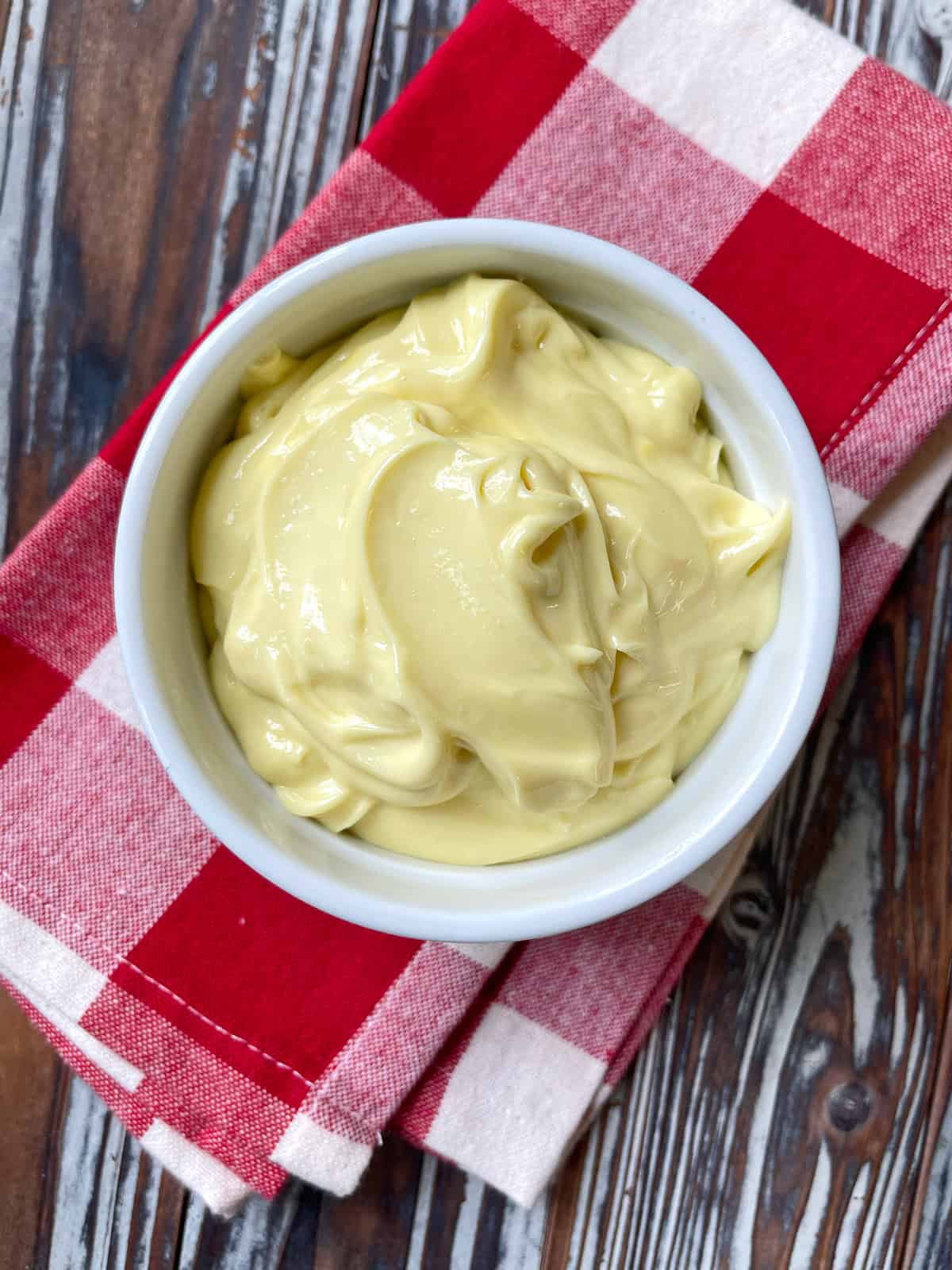
Commercial mayonnaise is often made with highly processed seed oils—such as soybean, canola, or corn oil—which are subjected to high-heat refining and chemical processing. In contrast, making mayonnaise at home allows the individual to select the oil base. Whether one prefers the neutral profile of avocado oil, the mildness of high-quality grapeseed oil, or the traditional robustness of extra-virgin olive oil, the control is entirely in the hands of the cook.
Elimination of Additives
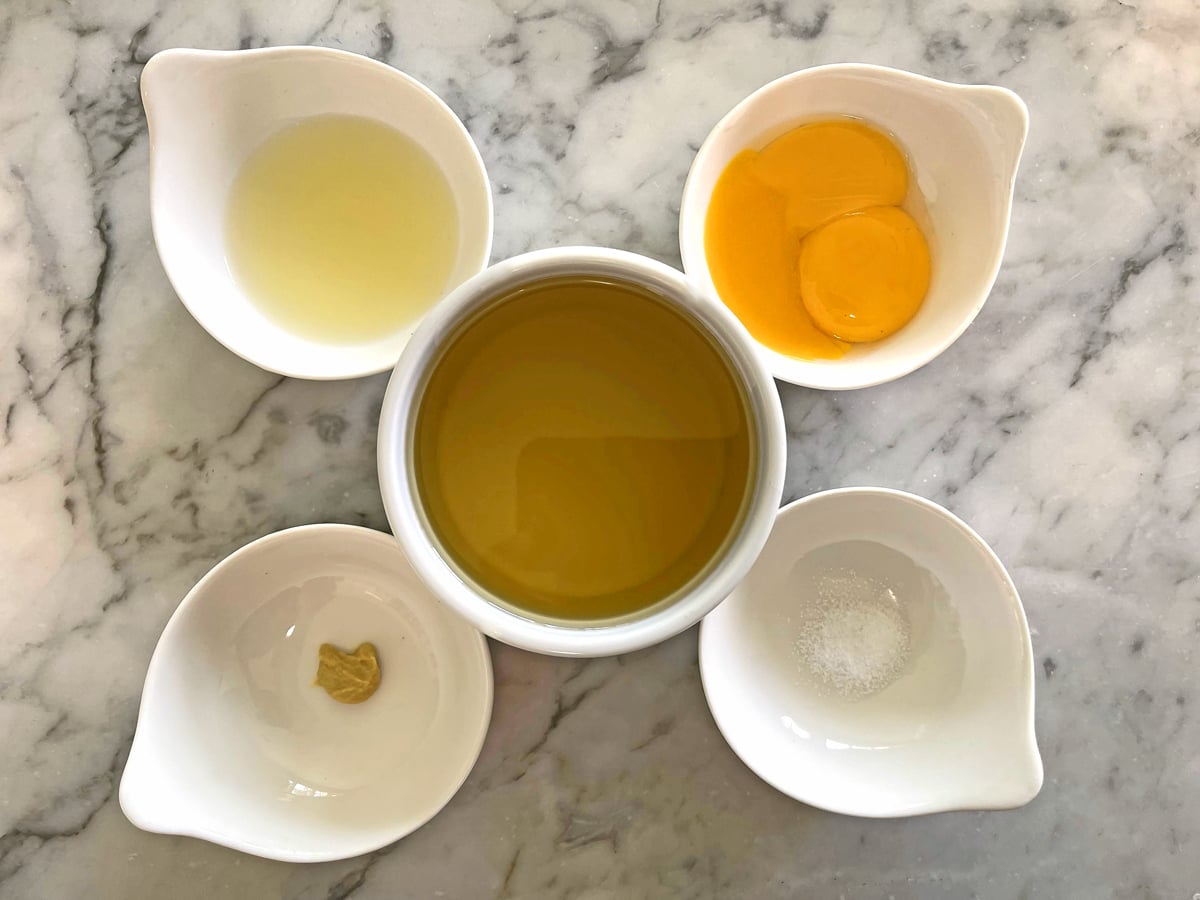
A standard commercial label often includes ingredients like calcium disodium EDTA, modified food starches, and added sugars. These are used to maintain shelf stability for months at room temperature. A homemade version, while requiring refrigeration and a shorter consumption window (typically one week), contains only the essential components: egg, oil, acid (lemon or vinegar), and salt. This lack of fillers results in a flavor profile that is cleaner, brighter, and more reflective of the ingredients used.
Essential Techniques for the Modern Kitchen
To successfully integrate homemade mayonnaise into a weekly routine, one must master the equipment and the method.
Equipment Selection
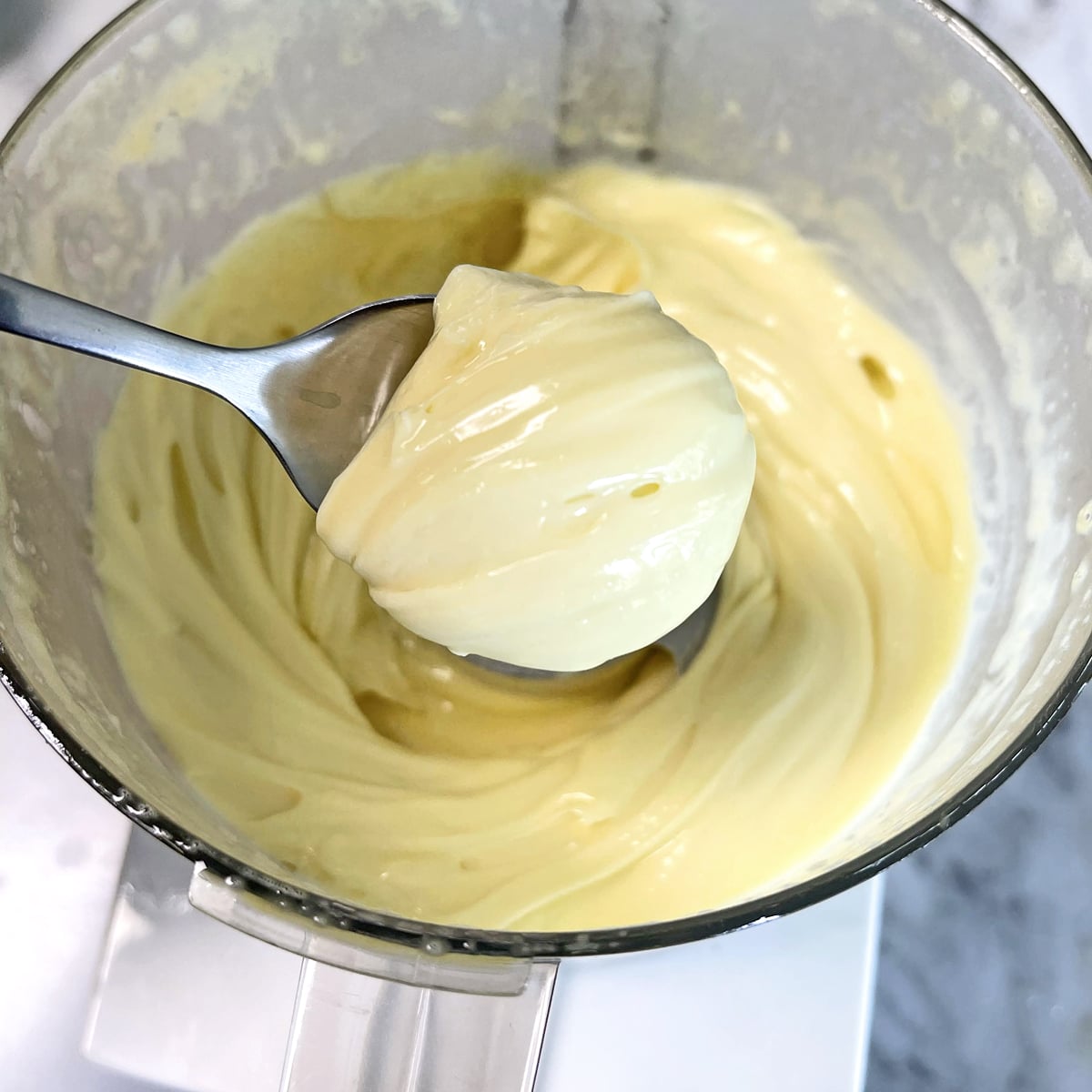
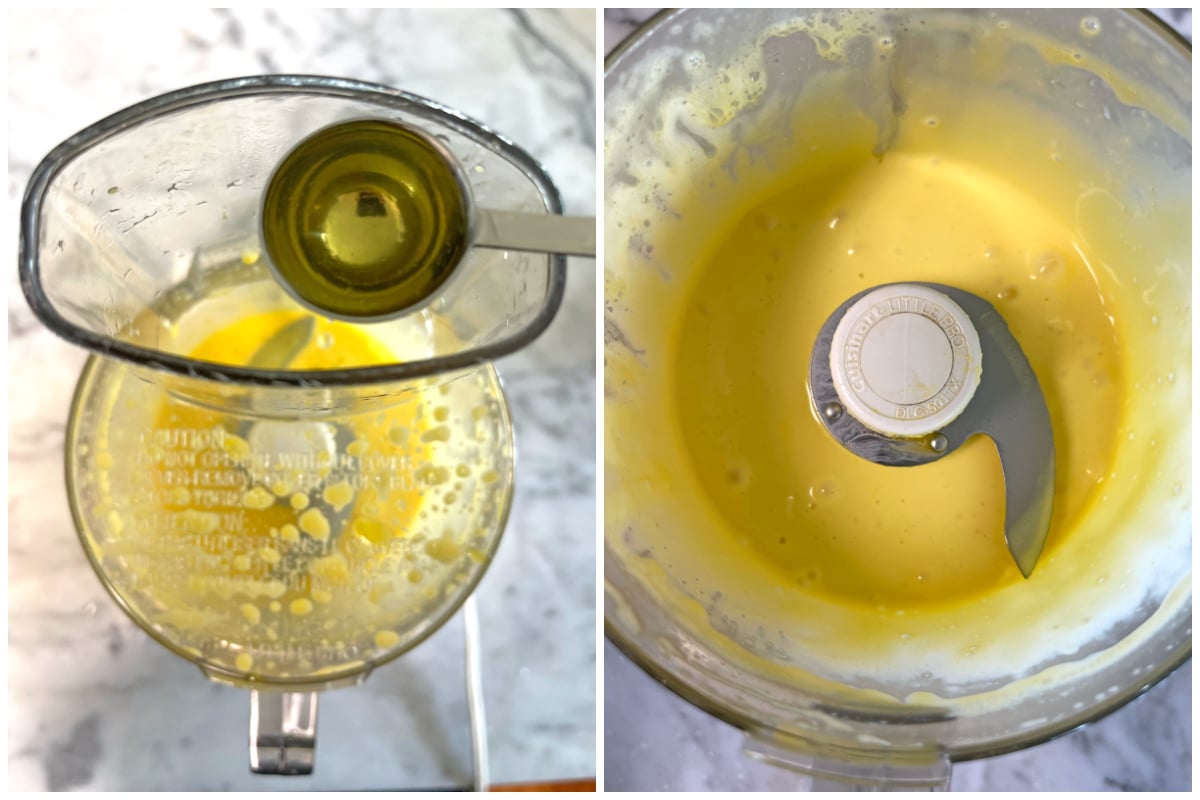
While traditionalists might advocate for a whisk and a copper bowl, the modern kitchen offers more efficient tools. A mini food processor or an immersion blender is ideal. The critical requirement is that the blades must be small enough to create a vortex, ensuring the oil is forced into contact with the egg yolk immediately upon addition.
The Step-by-Step Methodology
- Preparation: Ensure all ingredients (eggs, lemon juice/vinegar, mustard, and oil) are at room temperature.
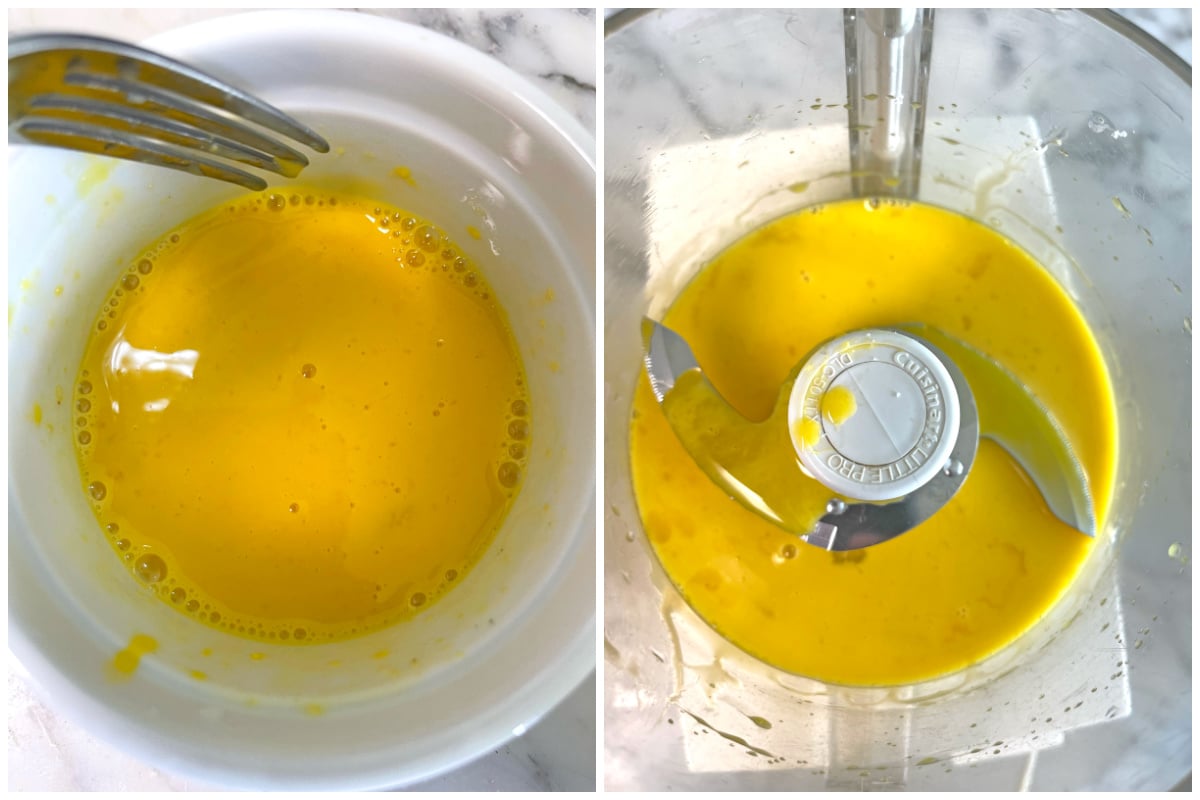
- Base Construction: Combine the egg yolks, acid, and seasonings (such as Dijon mustard) in the container.
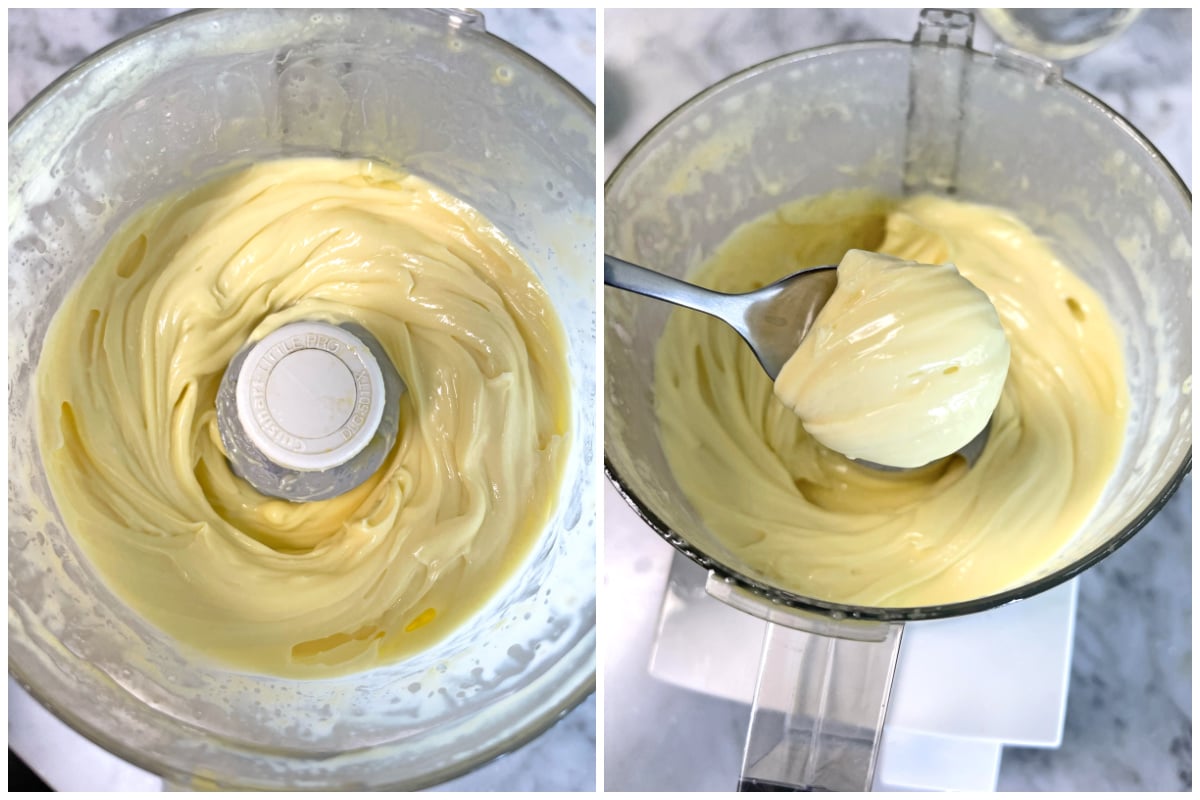
- The Emulsification Phase: Start by adding the oil drop-by-drop. This is the "golden rule." Once the mixture begins to thicken and whiten, the rate of addition can be increased to a slow, steady stream.
- Consistency Adjustment: If the mixture becomes too dense, a teaspoon of warm water can be whisked in to loosen the texture without compromising the structure.
Future Outlook: The Sustainability of Real Food
As public awareness regarding processed foods continues to rise, the resurgence of "from-scratch" cooking serves as a necessary corrective to the convenience-first model of the last century. Mayonnaise is perhaps the most symbolic example of this shift. It is a condiment that takes five minutes to prepare, costs significantly less than its premium organic counterparts in the grocery store, and offers a level of quality that is simply unattainable through industrial mass production.
The implications for the future of the home kitchen are clear: as consumers become more informed about what they eat, the "necessity" of processed convenience items will continue to dwindle. By reclaiming the simple, foundational recipes of the past, we are not just improving our meals—we are reclaiming a level of self-sufficiency that defines the heart of the culinary arts.
The next time a recipe calls for mayonnaise, rather than reaching for the plastic jar, consider the potential of the egg, the oil, and five minutes of your time. The result is not just a condiment; it is a testament to the fact that the best food is almost always the food we make ourselves.

 Evan Lee Salim
 Azzam Bilal Chamdy