 Ammar Sabilarrohman
 Laily UPN
 Evan Lee Salim
 Jia Lissa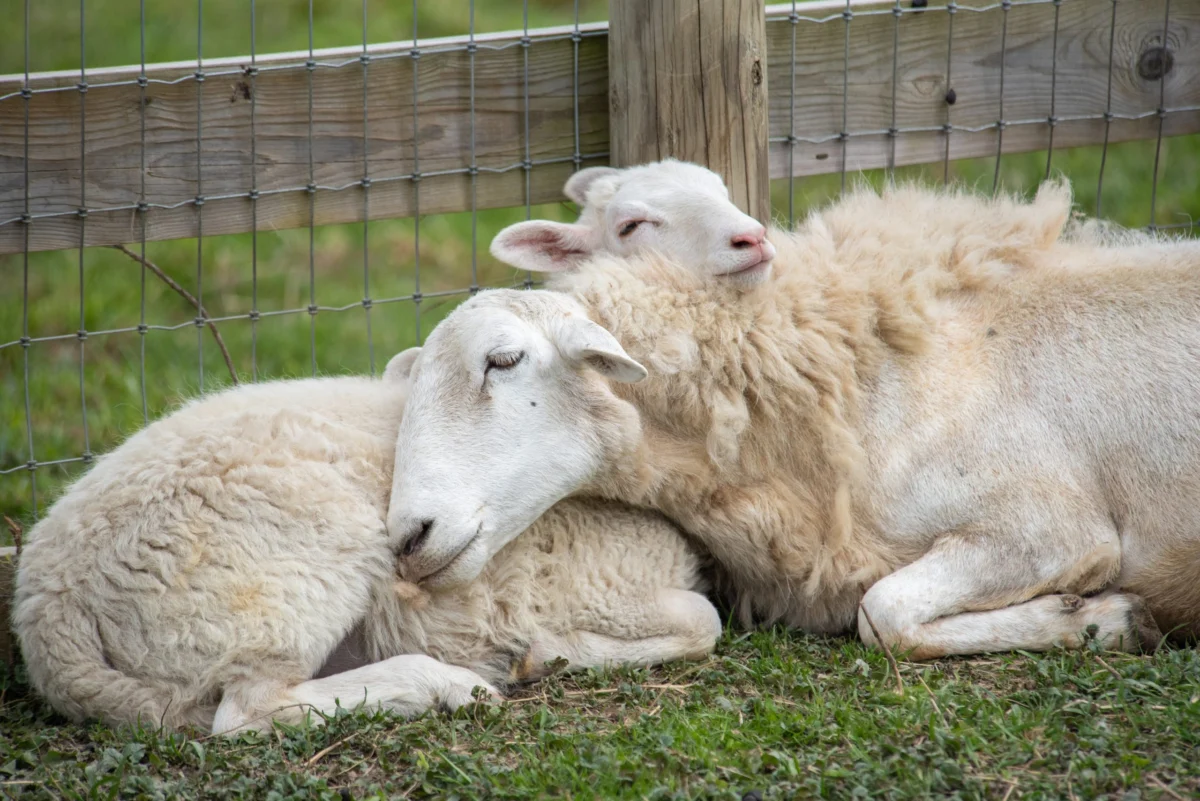
July 28, 2026
In the cold, clinical architecture of modern industrial agriculture, animals are reduced to "units of production." They are defined by their output—milk, eggs, wool, or flesh—and their existence is measured in profit margins rather than quality of life. However, beneath the metrics of the food system lies a profound, often ignored reality: the emotional depth of sentient beings who, just like humans, prioritize the sanctity of family and the safety of their kin.
At Farm Sanctuary, the mission is not merely to rescue, but to restore. By providing a sanctuary where familial bonds are protected rather than severed, the organization highlights the devastating toll of the food industry and the healing power of lifelong companionship.
The Industrial Logic of Severance: A Systemic Crisis
The animal agriculture industry operates on a model that views family ties as an impediment to efficiency. For a dairy cow to produce milk, she must be impregnated and give birth. Yet, within hours of that birth, the calf is removed. This is not an anomaly; it is a standard, systemic requirement designed to ensure that the mother’s milk is diverted for human consumption rather than for the sustenance of her offspring.
The Mechanics of Exploitation
The cruelty is woven into the infrastructure of the farm.
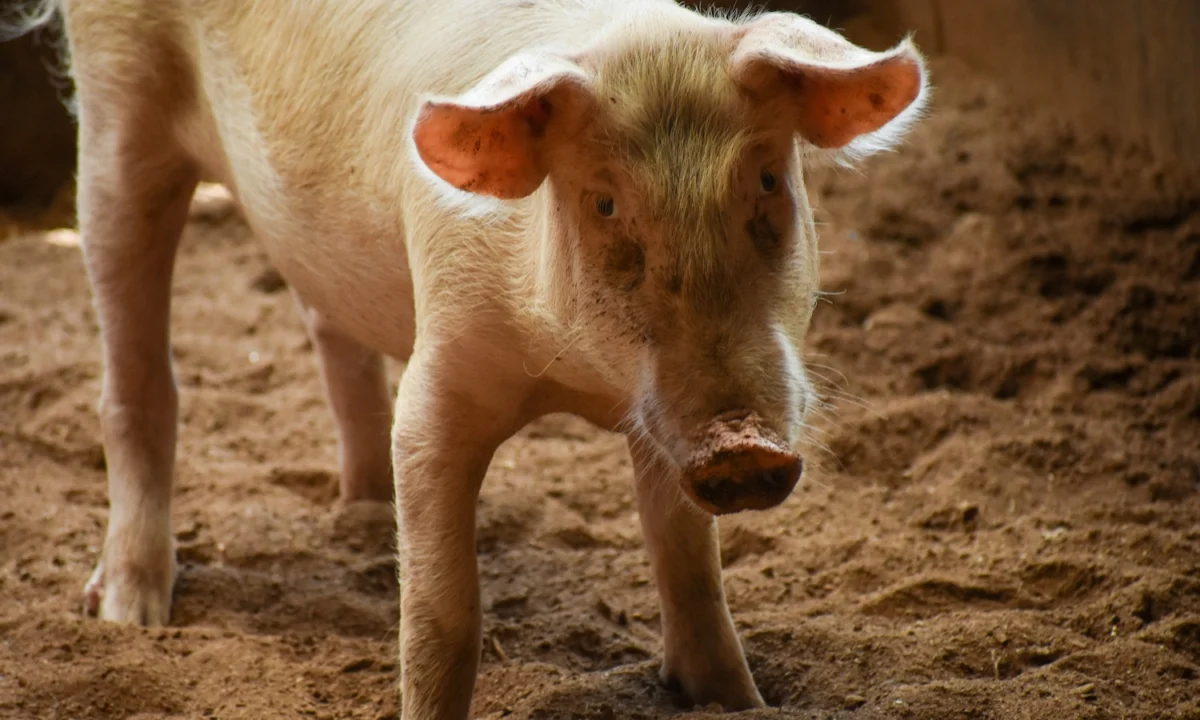
- Pigs: Sows are frequently confined to "gestation crates"—narrow metal enclosures that prevent them from turning around—before being moved to "farrowing crates." These cages are designed specifically to inhibit the mother’s natural instinct to nest and nurture, keeping her separated from her piglets by iron bars.
- Beef Cattle: Calves are typically pulled from their mothers at a fraction of their natural weaning age, sent to feedlots where they are fattened for slaughter, often suffering the psychological trauma of early maternal loss.
- Poultry: In the egg industry, the process is mechanized. Eggs are removed from hens and placed in incubators, effectively replacing maternal warmth with industrial hardware. Male chicks, deemed "useless" because they cannot lay eggs or grow to the size required for meat production, are often culled immediately upon hatching.
This systematic erasure of the mother-child bond leaves lasting psychological scars. Mothers have been observed mourning their lost offspring for days, while calves cry until their vocal cords are raw. By stripping away these fundamental freedoms, the industry denies animals their most basic right: the ability to exist as family units.
Four Stories of Reclamation: Rescued Duos
Against this backdrop of industrial indifference, Farm Sanctuary presents four pairs whose stories serve as a testament to the resilience of the animal spirit. These are not merely survivors; they are families that have reclaimed their right to grow together.
1. Liberty and Indigo: A Slaughterhouse Redemption
The story of Liberty and her daughter, Indigo, is one of miraculous timing. Destined for the slaughterhouse, the pair was saved when the facility owner, struck by a sudden wave of compassion, chose to surrender them to Farm Sanctuary rather than process them.
Accompanied by actor and activist Joaquin Phoenix—who named the cows after his own late family members—the pair began a new life. Today, six years later, Indigo remains inseparable from her mother. Liberty serves as a guide, showing her daughter the nuances of a life free from fear, grazing in open pastures and trusting their human caregivers.
2. Zepha, Cindy, and Laura: The Twins of Sanctuary
Zepha’s journey began in the squalor of an overcrowded, illicit farm in Upstate New York. The site was so neglected that it resulted in 46 counts of animal cruelty. Among the hundreds of animals liberated from the site, Zepha was pregnant.
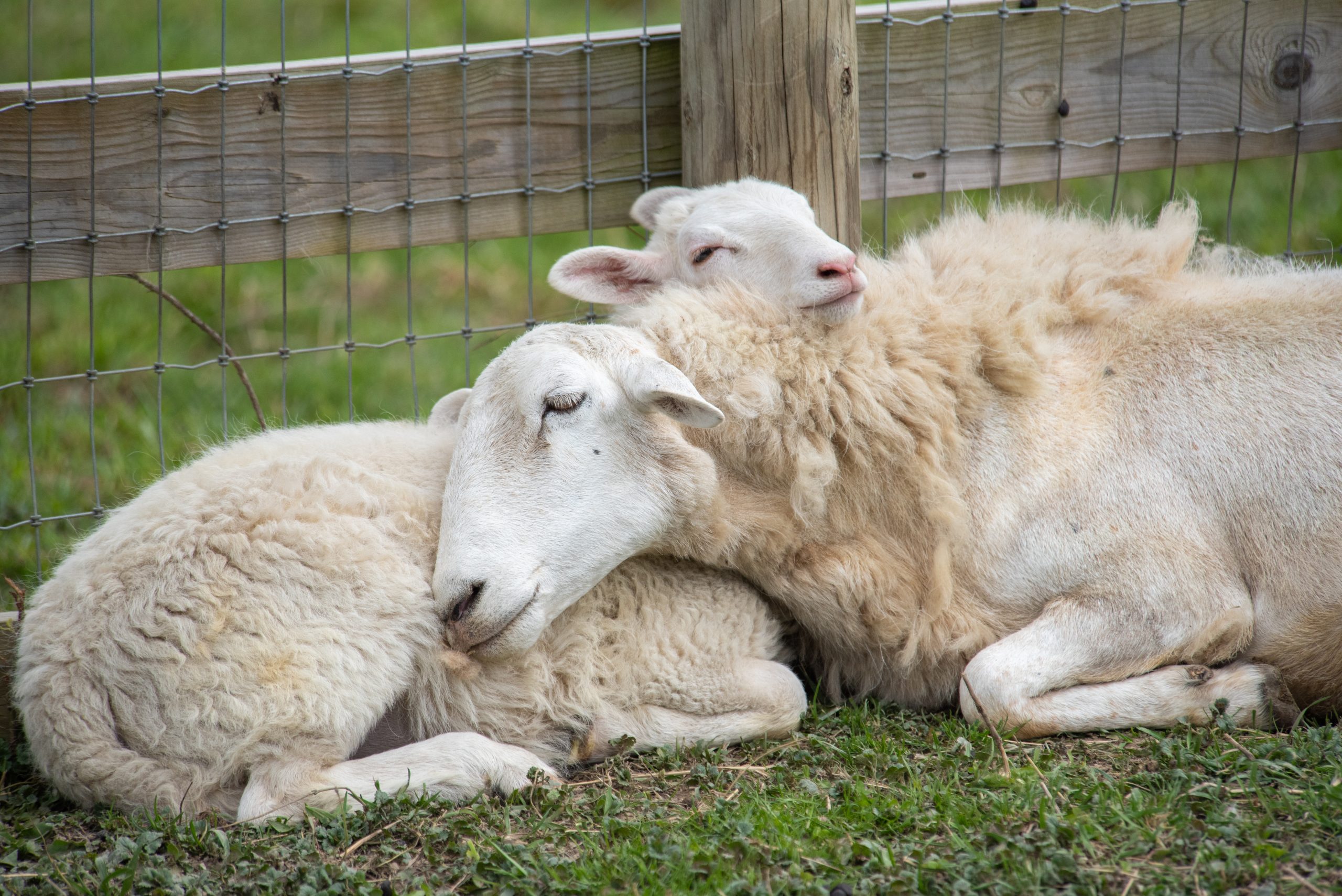
Shortly after her arrival at the Watkins Glen shelter, she gave birth to twins, Cindy and Laura. Unlike their mother, these lambs have never known a life of confinement. Their bond is a reflection of their history: they are tethered to one another by an unbreakable, joyful connection, grazing and playing side-by-side in the safety of a permanent home.
3. Grace and Jodean: The Neighborhood Rebels
Two years ago, a resident in a Los Angeles neighborhood witnessed an extraordinary sight: a mother pig, Grace, and her ten piglets (including one companion) trotting down a public street. They had escaped their confinement and were attempting to navigate the urban sprawl.
Rescued and brought to the Southern California sanctuary, Grace and her daughter, Jodean, have become inseparable. Jodean, described by staff as "fearless and rebellious," spends her days "dog-paddling" in the pond and demanding belly rubs from caregivers. Her confidence is a direct reflection of Grace’s protective, nurturing parenting—a stark contrast to the isolation she would have faced in an industrial setting.
4. Olive, Jennifer, and Roger: The Mistake That Almost Happened
In 2015, a rescue operation involving dozens of goats from a Hudson Valley butcher revealed the profound emotional intelligence of these animals. During the transport, the goats were divided into two trailers. A goat named Olive immediately began to panic, slamming into the sides of her trailer and calling out in distress.
The rescue team quickly realized that Olive’s children, Jennifer and Roger, had been loaded into the separate vehicle. Upon their reunion, the family began to flourish. Jennifer, now known as the "clown" of the group, maintains a fierce loyalty to her brother, Roger. Whether she is leaping into a hay feeder or playfully interacting with caregivers, her behavior confirms that when the burden of fear is removed, animals possess a capacity for joy that is profoundly human-like.
Implications: The Moral Imperative of Kinship
The narratives of these four duos challenge the core assumption of the food industry: that animals are devoid of complex emotional lives. Scientific research into animal behavior has long supported what sanctuary caregivers witness daily—that farm animals form long-term, deep-seated emotional bonds with their family members.
Supporting Data and Ethical Advocacy
The implications of these findings extend beyond the walls of the sanctuary. They highlight a growing tension between consumer convenience and animal welfare. When we view animals as "units," we justify a level of cruelty that would be unthinkable if applied to domestic pets.
Advocacy groups are increasingly using these individual stories to shift the public perception of livestock. By humanizing the animals, organizations like Farm Sanctuary are forcing a broader conversation about the ethics of our food system. The goal is to encourage a move toward plant-based alternatives, which eliminate the need for the mass-scale separation of families.
The Role of the Public
The work of Farm Sanctuary is funded entirely by donors who believe in a more compassionate future. Each inquiry they receive—numbering in the thousands annually—represents a potential life saved. The transition from industrial object to individual personality is not automatic; it requires medical intervention, behavioral rehabilitation, and, most importantly, the preservation of the family unit.
As the industry continues to prioritize the machine over the living, the sanctuary provides an essential counter-narrative. The survival of these duos is not just a success for the individual animals; it is a victory for the broader movement that seeks to redefine our relationship with the natural world.
Conclusion: Family is Forever
In the end, the lesson from these four duos is simple: family is a fundamental necessity for all sentient beings. Whether it is a cow shielding her calf from a history of slaughter or a goat protecting her kids from the trauma of separation, the desire to stay together is a universal trait.
As we look toward the future of food and agriculture, the stories of Liberty, Indigo, Zepha, Cindy, Laura, Grace, Jodean, Olive, Jennifer, and Roger serve as a reminder that empathy is not a luxury—it is a responsibility. By supporting these rescue efforts, society can help ensure that for these animals, and many others, the cycle of separation is broken, and family is, at last, allowed to be forever.

 Layla Zulfa
 Asep Darmawan