 Dwi Wanna
 Nana Wu
 Muslim
 Reynand Wu
 Ammar Sabilarrohman
 Evan Lee Salim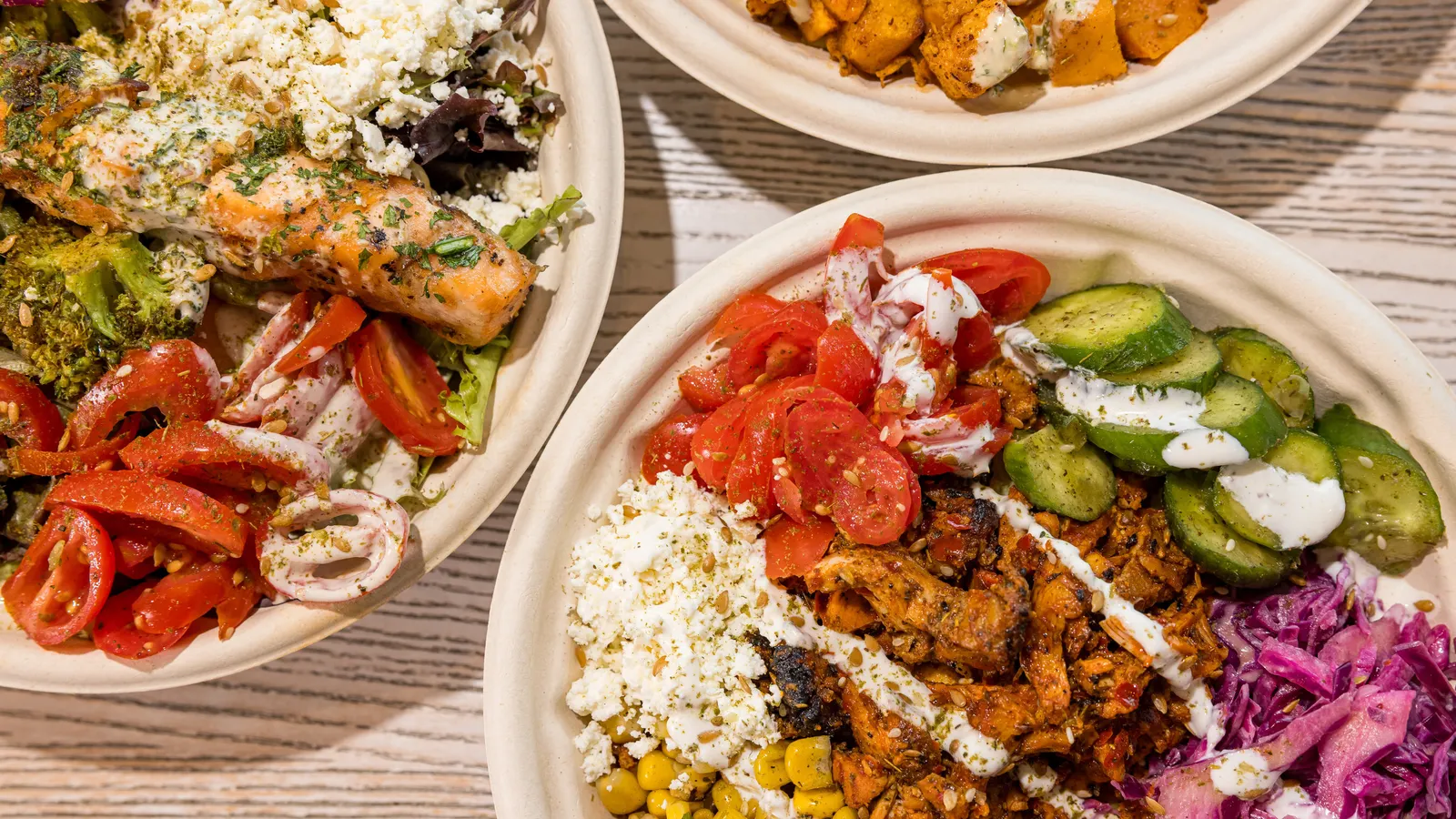
The landscape of the American restaurant industry is undergoing a structural metamorphosis. For decades, the path to success was singular and linear: develop a compelling culinary concept, refine the operations, and scale it through relentless replication. However, as the industry faces unprecedented headwinds—ranging from labor shortages and inflationary pressures to a fundamental shift in consumer behavior—the "one-size-fits-all" growth model is showing signs of terminal fatigue.
According to Somia Farid Silber, CEO of Edible Brands, the parent company of Edible Arrangements and Roti Modern Mediterranean, the industry is entering an era where resilience is no longer found in the dominance of a single brand, but in the sophisticated management of multi-brand portfolios.
Main Facts: The New Reality of Restaurant Growth
While the quick-service restaurant (QSR) market remains a massive financial engine—projected to reach approximately $492 billion by 2026—the nature of this growth is deceptive. Industry data reveals a growing disconnect between revenue and traffic. Many operators are reporting rising top-line numbers, but this growth is frequently driven by aggressive pricing strategies rather than an increase in foot traffic or guest loyalty.
This creates a precarious situation for operators. As consumer behavior fragments and off-premises dining channels now account for nearly 75% of total revenue, the complexity of managing a single brand has increased exponentially. Consequently, the traditional "copy-paste" model of expansion is buckling under the weight of volatile supply chains and the need for constant, omnichannel adaptation.
Chronology: From Single-Concept Dominance to Portfolio Architecture
The history of the restaurant industry in the 21st century can be categorized into three distinct phases:
- The Age of Expansion (2000–2015): This era was defined by the rapid scaling of fast-casual and QSR brands. Capital was relatively cheap, and growth was synonymous with unit count. If a brand worked in one zip code, it was assumed it would work in all of them.
- The Disruptive Pivot (2016–2022): The rise of third-party delivery, the proliferation of ghost kitchens, and the COVID-19 pandemic shattered the traditional brick-and-mortar model. Operators were forced to manage digital infrastructure alongside physical dining rooms.
- The Platform Era (2023–Present): We are currently in a transition where large-scale operators are moving toward "platform thinking." By acquiring or developing multiple, distinct concepts under one corporate umbrella, companies are attempting to hedge against market volatility. The acquisition of struggling brands—like Edible Brands’ purchase of the Mediterranean fast-casual concept Roti out of bankruptcy—represents a shift from "building from scratch" to "restructuring for resilience."
Supporting Data: The Economic Case for Diversification
The argument for the portfolio model is backed by significant economic projections and operational metrics:
- Market Convergence: The U.S. fast-casual segment is expected to reach $90 billion by 2035. However, as pricing between QSR and fast-casual segments continues to converge, the "moat" around any single brand has vanished. Consumers now switch between price points and cuisines with fluid ease, making brand loyalty harder to secure.
- Global QSR Scale: With the global QSR market expected to exceed $1.1 trillion by 2026, the sheer size of the market demands a higher level of operational sophistication.
- Cost Pressures: Labor costs have surged by approximately 36% in recent years. This statistic alone makes the single-brand model risky; if a single brand fails to absorb these costs through efficiency, the entire enterprise is threatened. Portfolio management allows for the centralization of procurement and technology, effectively lowering the cost of goods sold (COGS) through economies of scale.
Official Perspectives: The Philosophy of the Portfolio
Somia Farid Silber emphasizes that the acquisition of a brand is merely the starting line, not the finish. "There is a tendency to view portfolio growth as an acquisition strategy," Silber notes. "In reality, acquisition is the easiest part. The harder work is rebuilding."
The philosophy behind managing a portfolio requires a delicate balance between centralization and autonomy. Silber argues that "shared services are only valuable if they stay invisible." In this model, the back-end infrastructure—such as financial systems, supply chain logistics, and digital ordering platforms—should be standardized across the portfolio to drive efficiency. However, the front-end—the "soul" of the brand, including menu innovation and local marketing—must remain distinct and independent.
"If centralization starts to shape the customer experience, it is usually a sign something has gone too far," Silber explains. The most successful portfolio operators are those who treat their back-office as a technology utility while protecting the unique brand identity that drives guest engagement.
Strategic Implications: The Requirements for Success
For operators looking to transition from a single-brand entity to a multi-brand platform, there are three non-negotiable requirements for success:
1. Documented Reproducibility
A brand cannot rely on the intuition of a founder or the talent of a specific regional manager. Every process must be documented, repeatable, and scalable. If a model is not replicable, it is a liability, not an asset, within a portfolio.
2. Radical Unit Economics
Growth built on weak foundations is a recipe for bankruptcy. Before a portfolio can expand, the unit-level profitability must be ironclad. Scaling a brand that is not yet profitable at the unit level does not create a successful chain; it merely creates a faster way to accrue losses.
3. Infrastructure Readiness
Too many companies attempt to bolt a new brand onto an existing corporate structure without adjusting their leadership, technology, or operational processes. This creates friction rather than synergy. A platform must be built to support multiple, diverse operational models simultaneously.
The Path Forward: Systems Builders over Concept Creators
The restaurant leaders of the next decade will not necessarily be the ones who create the most innovative culinary concept, but rather those who build the most robust platforms.
The industry’s future is defined by a shift toward "systems thinking." As digital ordering, automation, and AI-driven supply chain management become the standard, the ability to manage complexity will be the primary differentiator between winners and losers.
This transition presents a significant challenge: it requires a high degree of corporate discipline. Without that discipline, a portfolio can quickly become a distraction, with different brands cannibalizing each other’s resources and muddying the corporate focus. However, for those who master the art of the platform, the benefits are substantial. By diversifying across different price points, cuisines, and service models, these operators create a business that is not just larger, but fundamentally more durable.
Ultimately, the move toward portfolio management is an acknowledgment of the industry’s current reality: the era of the "easy win" is over. We are now in a phase where success is measured by the ability to adapt, to absorb shock, and to provide consistent value across a shifting landscape. The operators who embrace this complexity and treat their businesses as sophisticated, data-driven platforms will be the ones who define the future of the American restaurant industry.


 Pevita Pearce
 Azzam Bilal Chamdy