
 Ammar Sabilarrohman
 Laily UPN
 Evan Lee Salim
 Jia Lissa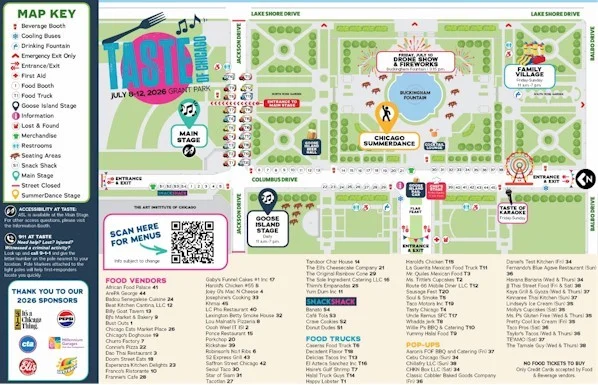
The Culinary Historians of Chicago are set to host a landmark virtual event on Wednesday, July 29, 2026, at 7:00 PM Central Time. The session, featuring guest speaker Mary Slowik, promises an immersive exploration of two of the most significant pillars of the city’s gastronomic identity: the iconic "Taste of Chicago" festival and the prestigious Jean Banchet Awards.
As Chicago continues to cement its reputation as a world-class culinary capital, understanding the historical scaffolding that supports this industry is essential. Through the lens of Slowik, a veteran of the city’s cultural and culinary landscape, the event will offer a rare, behind-the-scenes perspective on the evolution of Chicago’s dining scene.
The Main Facts: A Dual Exploration of Chicago’s Culinary Heritage
This upcoming presentation serves as a dual retrospective. First, it addresses the "Taste of Chicago," an event that transformed from a modest neighborhood gathering in 1980 into an international cultural powerhouse. Second, it shifts focus to the Jean Banchet Awards, an institution established in 1991 that serves as the gold standard for excellence in the city’s hospitality sector.
The event aims to bridge the gap between the populist, mass-market success of the "Taste" and the high-end, rigorous standards upheld by the Banchet Awards. By examining these two entities, the Culinary Historians seek to document how Chicago fostered a unique dining culture that celebrates both its deep-dish, blue-collar roots and its world-class, Michelin-starred ambitions.
Chronology: Four Decades of Culinary Evolution
The Birth of the "Taste" (1980–1990)
The story of the Taste of Chicago began on July 4, 1980. It was conceived as a one-day celebration intended to showcase the city’s diverse restaurant community. At the time, few could have predicted that a single-day event would evolve into a multi-day festival drawing millions to the sprawling greenery of Grant Park. During its first decade, the festival focused primarily on accessibility, bringing the flavors of Chicago’s disparate neighborhoods to a central, unified stage.
Expansion and Professionalization (1995–2017)
Mary Slowik’s tenure as manager of the Taste of Chicago (1995–2017) represents the festival’s "Golden Era" of professionalization. During these two decades, the festival expanded its scope beyond simple food stalls. It integrated nationally acclaimed musical acts, elaborate culinary demonstrations, and sophisticated logistics that allowed the festival to sustain itself for weeks at a time. This era saw the festival become a primary driver of Chicago’s tourism economy.
The Banchet Legacy (1991–Present)
Parallel to the growth of public-facing festivals, the Chicago culinary community sought to honor its own. In 1991, the Jean Banchet Awards were established to pay homage to Jean Banchet, the legendary chef behind the iconic Le Français. Unlike the festival, which prioritizes public consumption, the Banchet Awards were designed to foster excellence and recognize the unsung heroes of the industry—from somms and pastry chefs to front-of-house hospitality leaders.
Supporting Data: The Economic and Cultural Impact
The scale of these two entities cannot be overstated.
- The Taste of Chicago: At its peak, the festival has been known to attract over 1.5 million visitors annually. It functions as a massive economic engine, generating millions of dollars in tax revenue and providing a vital platform for small, local businesses to reach a global audience. The logistical coordination required to manage thousands of food service operations in a single park is widely regarded as a feat of municipal organization.
- The Jean Banchet Awards: Since its inception, the Banchet Awards have evolved from a small community recognition ceremony into a highly coveted industry accolade. The organization now manages an expansive mission that goes beyond the annual gala, providing mentorship, advocacy, and professional networking opportunities that strengthen the city’s overall restaurant workforce.
By linking these two, the upcoming presentation will analyze the symbiosis between the "populist" food experience and the "fine dining" professional standard, providing data-driven insights into how Chicago’s food ecosystem remains resilient despite global economic shifts.
Official Perspective: Insights from Mary Slowik
Mary Slowik’s career is uniquely positioned at the intersection of public policy and private enterprise. Having spent over 30 years with the City of Chicago, Slowik witnessed firsthand the shifting tides of the culinary industry.
In her upcoming talk, Slowik intends to move beyond the press releases to share the stories that rarely make it into the history books. She will discuss:
- Behind the Scenes: The logistical challenges of managing a massive public event in the heart of the city, including weather, crowd control, and the delicate balance of vendor relations.
- Cultural Shifts: How the palate of the average attendee has changed over 40 years, from the dominance of traditional "Chicago-style" foods to the influx of global cuisines and the rise of sustainable, farm-to-table practices.
- The Banchet Vision: How she is currently working to expand the mission of the Jean Banchet Awards to support the next generation of culinary talent, ensuring that Chicago remains a top-tier destination for aspiring chefs.
Implications: The Future of Chicago’s Culinary Identity
The significance of this presentation lies in what it suggests for the future of Chicago’s food culture. As the city faces new challenges—including changing dining habits post-2020 and the ongoing competition from other major metropolitan food hubs—the lessons of the past provide a roadmap for the future.
The Democratization of Fine Dining
One of the key implications of Slowik’s work is the democratization of high-quality food. By managing an event that brought gourmet experiences to the masses, and subsequently supporting an organization that honors elite culinary achievement, Slowik illustrates that Chicago’s strength lies in its accessibility. The city does not just produce food for the wealthy; it celebrates food as a public right and a cultural bridge.
Strengthening the Culinary Workforce
The expansion of the Banchet Awards’ mission highlights a critical issue: the sustainability of the restaurant industry. With labor shortages and rising costs affecting hospitality nationwide, the Banchet organization is increasingly focused on the "human element" of the industry—the mental health, fair wages, and professional development of the people who actually run the kitchens.
Preserving History in a Digital Age
The decision by the Culinary Historians of Chicago to host this event via Zoom underscores a broader trend: the digitization of culinary memory. By recording and documenting the histories shared by experts like Slowik, the organization is ensuring that the oral history of Chicago’s food scene is preserved for researchers and enthusiasts alike.
Conclusion: How to Participate
The upcoming presentation by Mary Slowik is more than a lecture; it is a vital archival project that captures the essence of Chicago’s soul. Whether you are a student of history, a culinary professional, or simply a fan of the city’s vibrant food scene, this event promises to be an enlightening look at the people and institutions that have defined the city’s identity for over four decades.
Event Details:
- Topic: The History and Evolution of Taste of Chicago and the Jean Banchet Awards.
- Speaker: Mary Slowik, former Taste of Chicago manager and current Director of Strategic Partnerships and Events for the Banchet Awards.
- Date: Wednesday, July 29, 2026.
- Time: 7:00 PM Central Time.
- Platform: Virtual via Zoom.
For those interested in attending, registration is required. Please reach out to the Culinary Historians of Chicago directly to secure your link.
Contact Information:
- Email: [email protected]
As Chicago looks toward the next chapter of its culinary journey, events like these serve as a reminder that the city’s true secret ingredient isn’t just its iconic recipes—it is the community of people who have dedicated their lives to feeding it. Don’t miss this opportunity to gain a deeper appreciation for the festivals, awards, and individuals that make Chicago the culinary capital of the world.

 Suro Senen
 Nana Muazin