

 Ammar Sabilarrohman
 Laily UPN
 Evan Lee Salim
 Jia Lissa
 Nana Muazin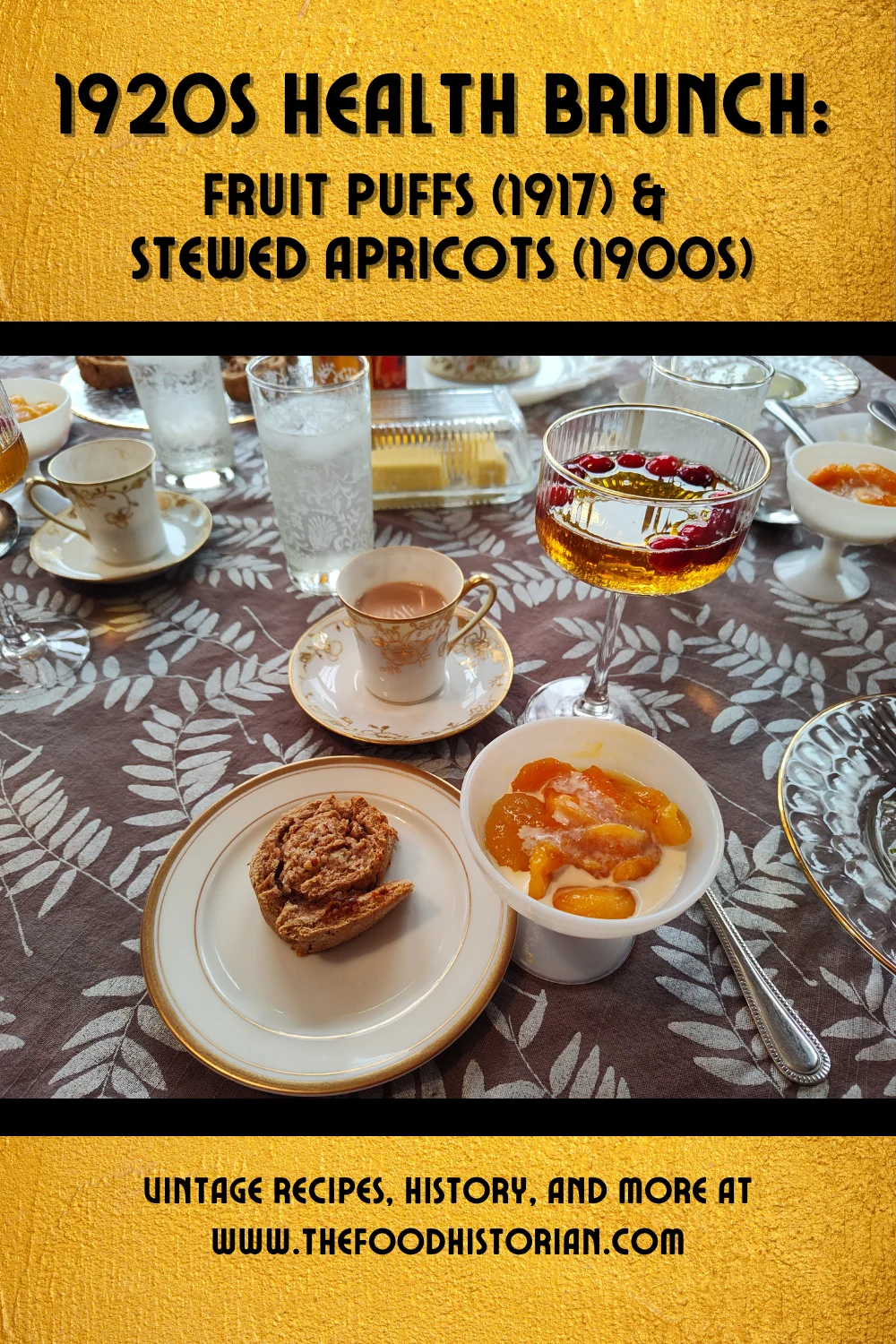
The quest for the "perfect" diet is often viewed as a modern phenomenon, dominated by influencers and high-tech tracking apps. However, a look back at the 1920s reveals that our ancestors were just as preoccupied—if not more so—with the biological imperatives of digestion, energy, and "healthy" snacking. As part of a series exploring the culinary history of the 1920s, we examine the final installment of the "Health Brunch," a deep dive into how early 20th-century nutrition science shaped the sweet treats that graced American tables nearly a century ago.
The Scientific Context: Sugar and the Birth of Modern Nutrition
To understand the 1920s diet, one must first dismantle the modern understanding of nutrition. Today, sugar is the dietary villain, blamed for everything from obesity to metabolic syndrome. In the 1920s, however, the paradigm was entirely different. Nutrition science was in its infancy; the calorie had only been applied to food energy in the 1890s, and the first vitamin was not isolated until 1912.
In this era, white sugar was viewed as "pure carbohydrate," and carbohydrates were synonymous with "energy." Nutritionists and food scientists of the time lacked the modern understanding of insulin resistance or fat storage. Instead, they focused on the immediate, tangible benefits of quick-burning fuel. Furthermore, the Temperance movement, which campaigned for the prohibition of alcohol, inadvertently pushed sugar to the forefront as a "clean" alternative—a replacement for the "vice" of spirits.
However, not all were convinced. Figures like John Harvey Kellogg were early proponents of low-sugar diets. Kellogg’s belief that sugar was hazardous to health led to a famous, bitter, and ultimately public rift with his brother, Will Kellogg, over the inclusion of sugar in their signature corn flakes. While Will won the legal battle to market the brand commercially, the historical tension highlights that even in the early 20th century, the "sugar debate" was already a point of contention.

Digestive Health: The Preoccupation of the Age
If sugar was the energy source, digestion was the primary medical concern. The American diet of the 19th and early 20th centuries was plagued by widespread complaints of dyspepsia and chronic constipation. In an era before modern pharmaceuticals, home economists and medical professionals turned to the "roughage" found in fruits, vegetables, and whole grains to regulate the body.
Interestingly, fruits and vegetables were not seen as nutritional powerhouses in the modern sense. Because they contained little protein or fat, they were often dismissed as "filler foods." Milk, conversely, was hailed as the "perfect food" because it contained the trifecta of carbohydrates, protein, and fat. To solve digestive woes, the medical establishment advocated for the consumption of dried fruits—prunes, figs, raisins, and dates—as a gentle, effective remedy.
This era also saw the rise of the "wheatless" movement during World War I. With refined white flour reserved for the military, civilians were encouraged to substitute with cornmeal, rye, barley, and oats. This shift solidified the role of whole grains in the domestic kitchen, a legacy that persists in our modern preference for "healthier" baked goods like oatmeal raisin cookies over chocolate chip.
The Rise of the California Fruit Cooperatives
The availability of these "health foods" was no accident. The 19th and early 20th centuries saw a massive transformation in California’s agricultural landscape. Catholic missions had introduced Mediterranean crops—olives, plums, grapes, and apricots—in the late 18th century, but large-scale commercial production required the development of cooperatives.

By the early 1900s, growers began to consolidate. In 1907, the California Fruit Growers Exchange launched the "Sunkist" brand for citrus. By 1915, the California Associated Raisin Company debuted "Sun-Maid," and in 1917, the California Prune and Apricot Growers Association (later known as "Sunsweet") was formed. These marketing powerhouses were instrumental in rebranding dried fruit from a medicinal necessity to a lifestyle choice. By the 1920s, recipes like the "Sunland Salad"—a fruit-forward dish—had become staples of the American brunch, symbolizing a new, health-conscious modernity.
Case Study: Recreating the 1917 "Fruit Puffs"
To test these historical theories, we turned to The National Food and Health Book (1917) by Robert Addison Harrison. Designed for a nation at war, the book provided a fascinating look at how home cooks were instructed to conserve resources while maintaining "healthy" standards.
The Original 1917 Recipe:
- 2 cups flour
- 4 tsp baking powder
- 1/2 tsp salt
- 4 tbsp butter or lard
- 2/3 cup milk or water
- 4 tbsp finely cut dates or figs
- 4 tbsp chopped nuts
- 4 tbsp sugar
- 1/2 tsp cinnamon
- 2 tbsp butter
The Modern Adaptation
Using whole wheat flour—a common suggestion in war-era manuals—the recipe was adapted for a contemporary kitchen. The process involves mixing the dry ingredients, cutting in the butter, and kneading in the milk to create a biscuit-like dough. Once rolled into a rectangle, the dough is brushed with melted butter and sprinkled with the cinnamon-sugar, date, and nut mixture, rolled like a jelly roll, and sliced into rounds.
The results, while historically authentic, offer a lesson in the dangers of rigid adherence to century-old manuals. When using whole wheat flour, the moisture absorption rate is significantly higher than that of the refined flour used in 1917. Without accounting for this, the resulting "puffs" can be quite dry. Furthermore, the nomenclature is deceptive; these are not "puffs" in the airy sense, but rather dense, biscuit-style pinwheels. The pairing, however—the earthiness of whole wheat, the warmth of cinnamon, and the natural sweetness of dates—perfectly encapsulates the 1920s ideal of a "wholesome" breakfast treat.

Implications for Modern Eating
The 1920s Health Brunch series serves as a mirror to our own time. We see that the anxiety surrounding digestion and the quest for "nutritionally efficient" foods are not modern inventions but recurring cycles in the American culinary story.
From a nutritional perspective, the transition from the 1920s to the 2020s has been marked by a shift in focus from "energy intake" to "metabolic health." However, the methods of the 1920s—the reliance on fiber-rich dried fruits, the use of whole grains, and the emphasis on simple, natural ingredients—remain surprisingly relevant.
The "stewed apricot" method, for example, is a testament to the longevity of simple, whole-food preparations. By simmering dried fruit in water and serving it with a dash of heavy cream, home cooks in the early 20th century were creating a dessert that was arguably more satisfying and less processed than the complex, sugar-heavy snacks that would come to dominate the latter half of the century.
Conclusion: Lessons from the Past
The exploration of the 1920s health movement highlights a critical historical truth: our dietary habits are shaped as much by global politics and agricultural marketing as they are by scientific discovery. The formation of the Sun-Maid and Sunsweet cooperatives did more to change the American breakfast than perhaps any single medical discovery of the time.

As we look toward a future of increasingly personalized nutrition, there is value in looking back. The "Fruit Puffs" and "Stewed Apricots" of the 1917 era remind us that the foundation of a "healthy" diet often relies on the same pillars: whole grains, fiber-rich fruits, and the judicious use of sweeteners. While we may have moved past the era of viewing milk as the "perfect food," the desire for a breakfast that is both "healthful" and "treat-like" remains a powerful driver of the modern culinary experience.
For those looking to recreate a bit of history, the lesson is clear: keep the dried fruit, respect the moisture content of your grains, and perhaps, as our ancestors did, pair your brunch with a warm drink and good company. After all, the best part of any era’s health trend is the ability to share it with others—especially if someone else is left to handle the dishes.

 Suro Senen