

 Azzam Bilal Chamdy
 Neng Nana
 Nana Muazin
 Dwi Wanna
 Raul Delapena Setiawan
 Nana Wu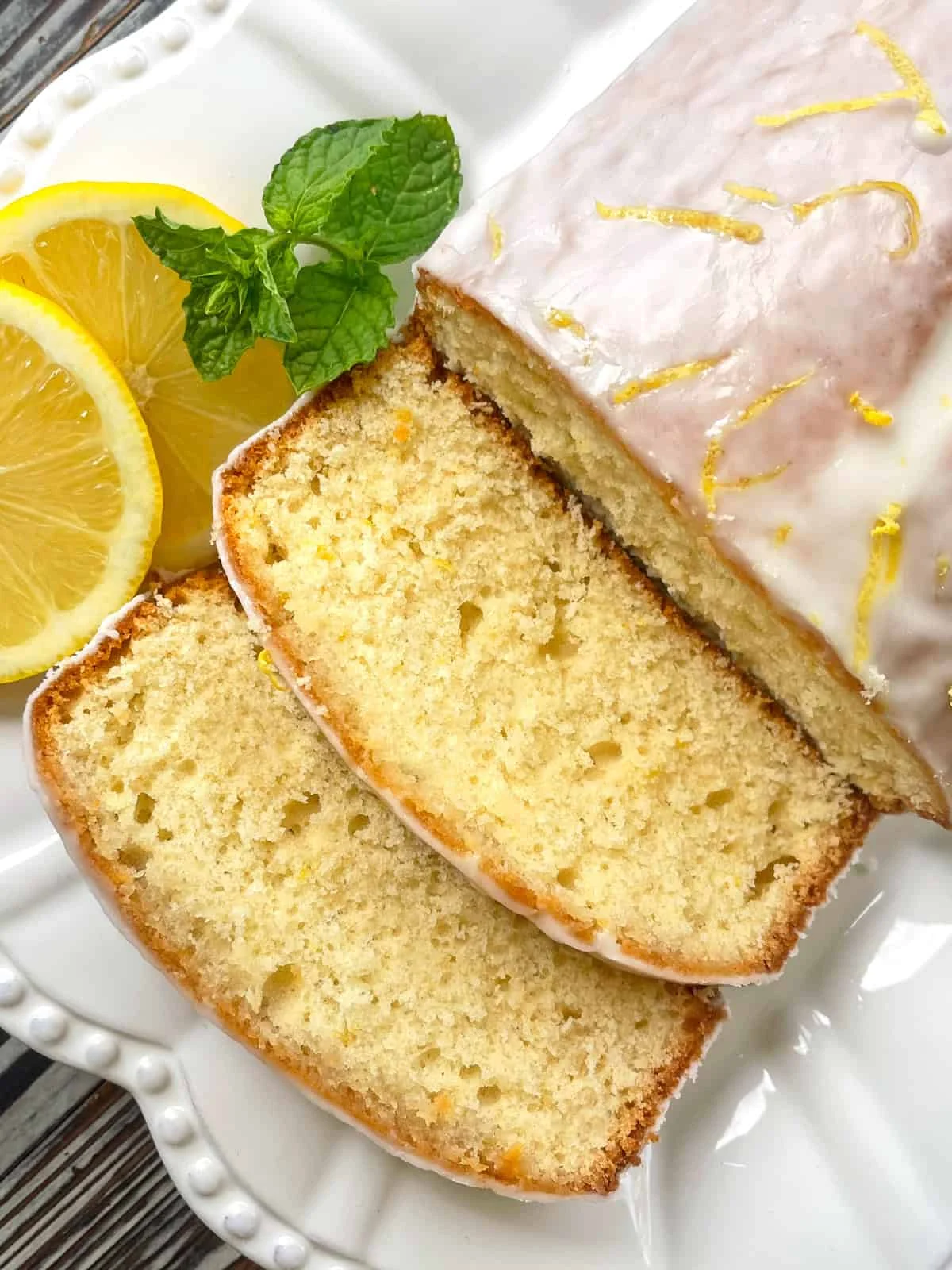
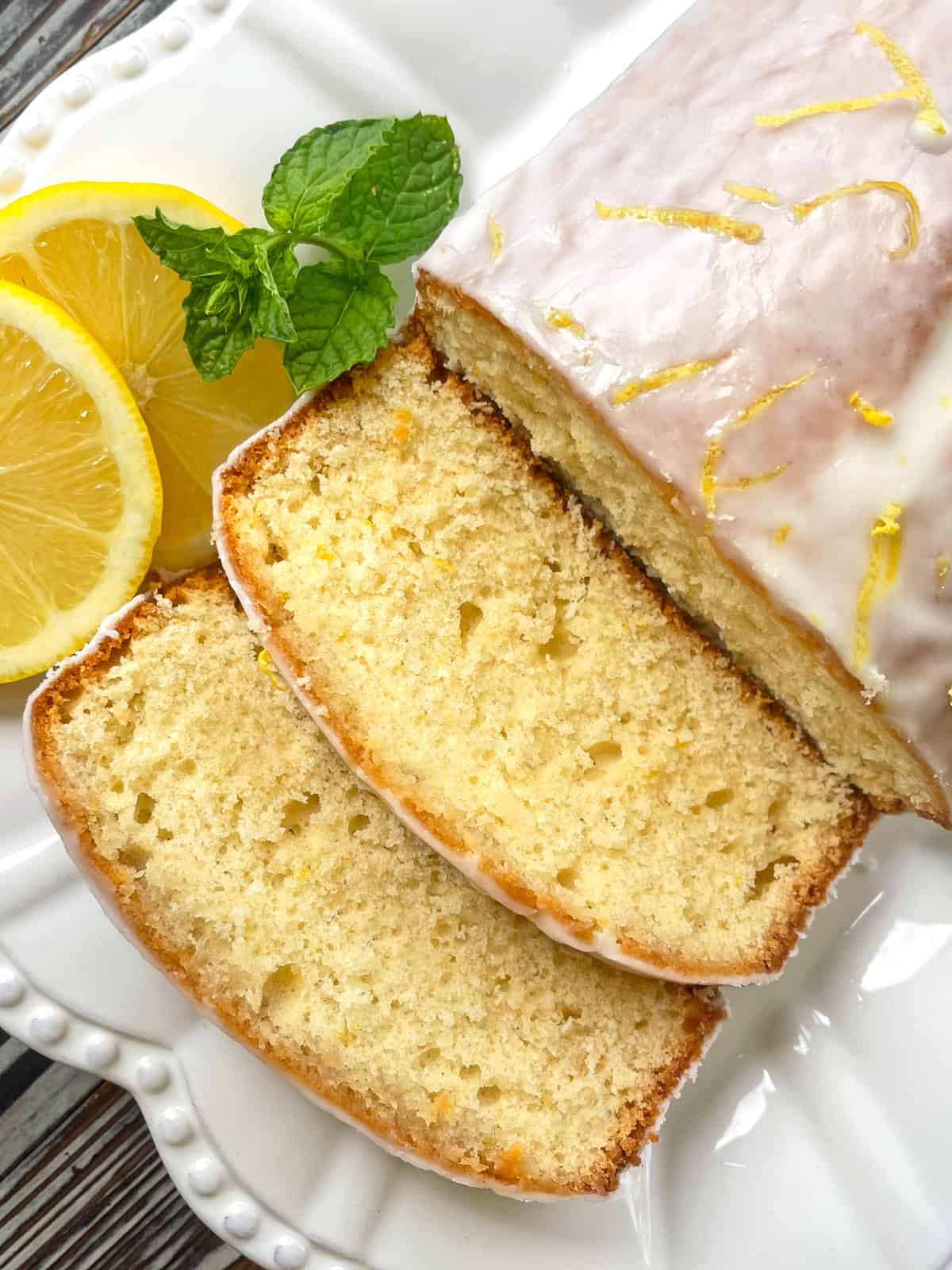
In the vast, storied landscape of British culinary tradition, few items command as much affection as the Lemon Drizzle Cake. Often described as a "sunshine-in-a-loaf" experience, this quintessential dessert has transcended its post-war origins to become a permanent fixture in the nation’s cultural consciousness. Whether served alongside a mid-morning cup of Earl Grey or presented as a sophisticated afternoon tea centerpiece, the Lemon Drizzle Cake remains the undisputed monarch of the British cake tin.
Main Facts: The Anatomy of a Classic
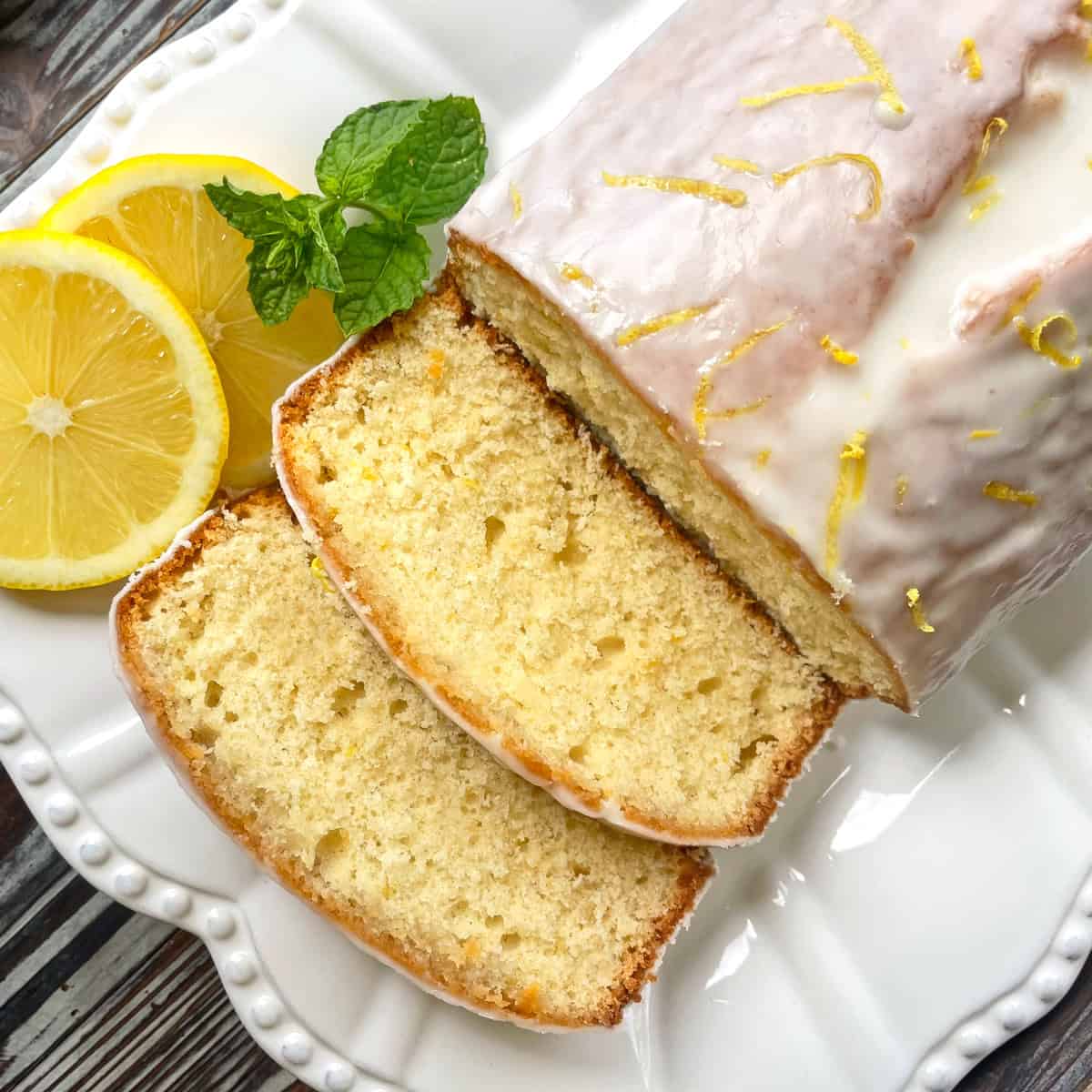
At its core, the Lemon Drizzle Cake is a masterpiece of textural and flavor contrast. Unlike heavy, spiced fruitcakes or decadent chocolate tortes, the Drizzle Cake relies on simplicity. It is defined by a light, buttery sponge infused with fresh lemon zest, which is then transformed by two distinct, citrus-forward treatments.
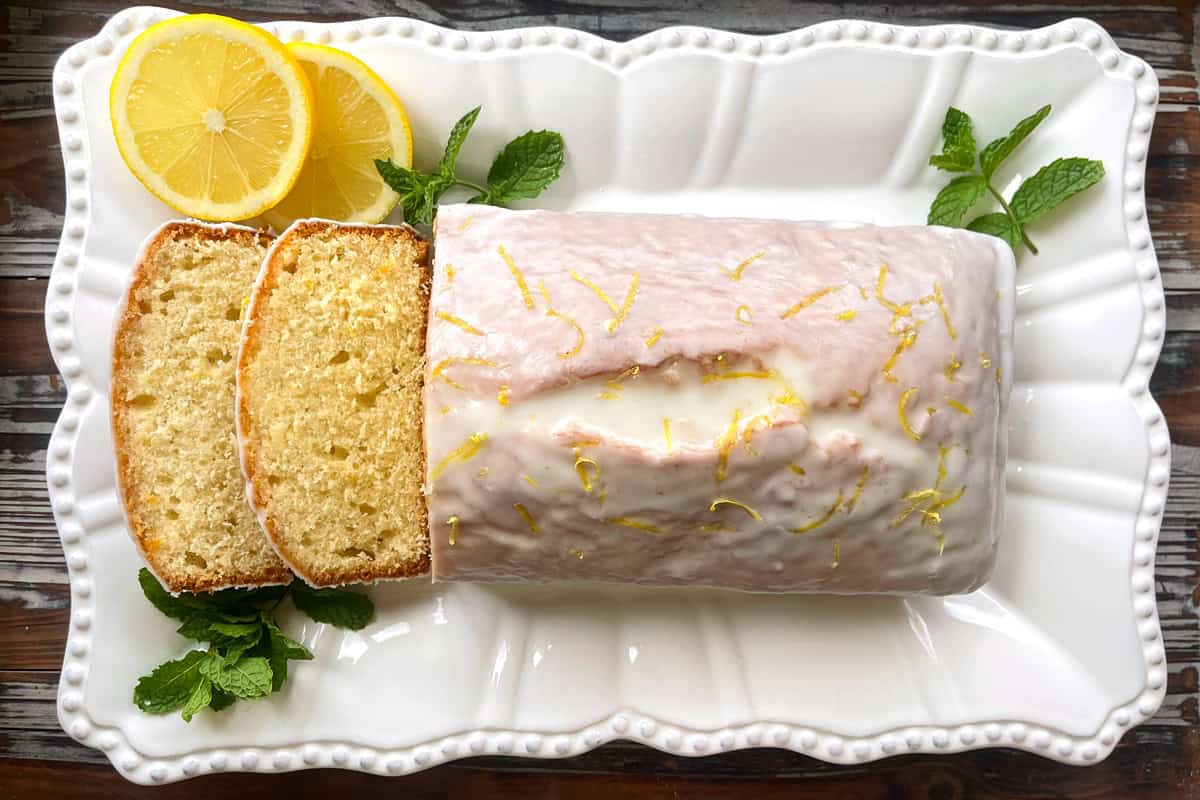
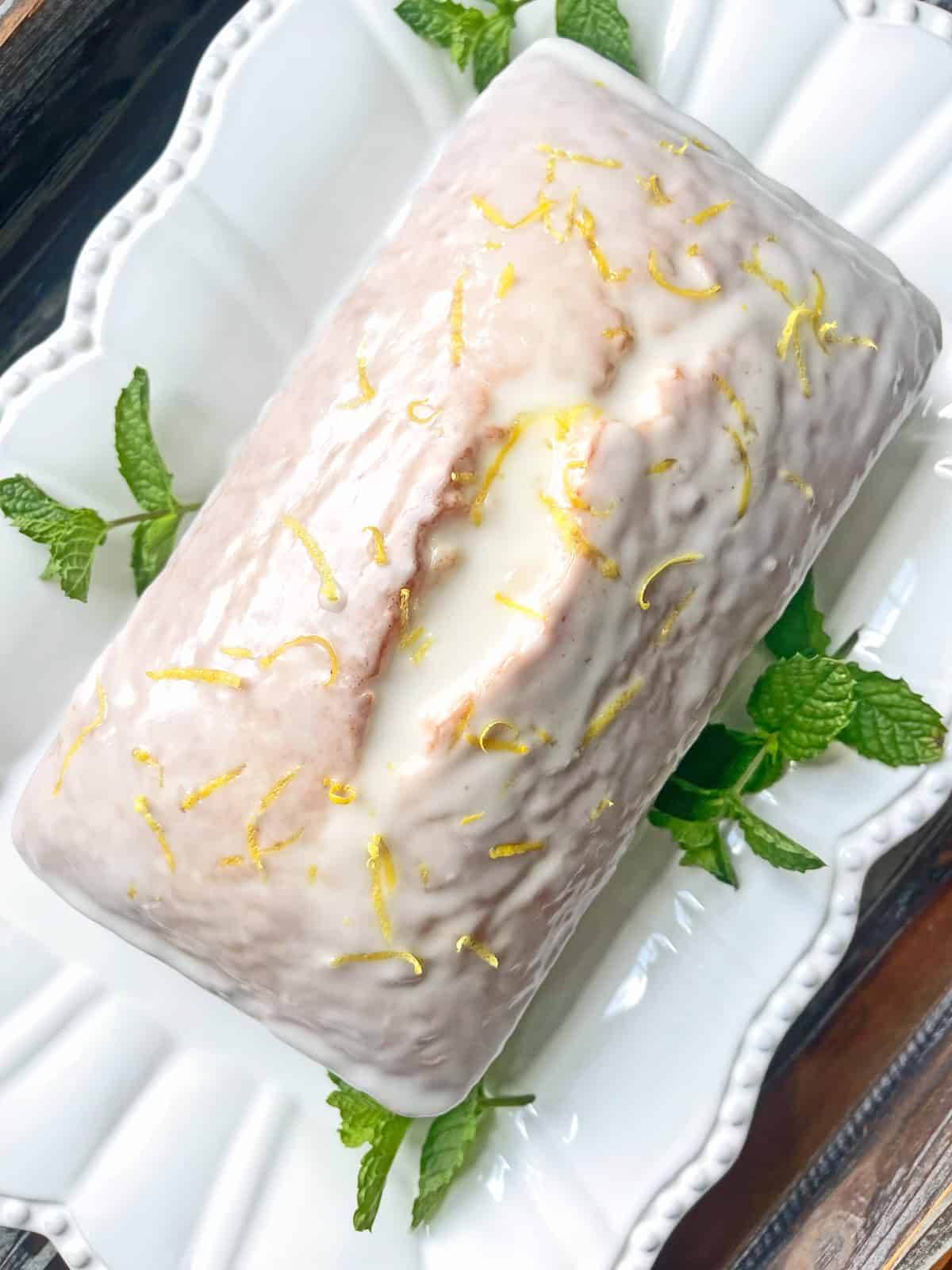
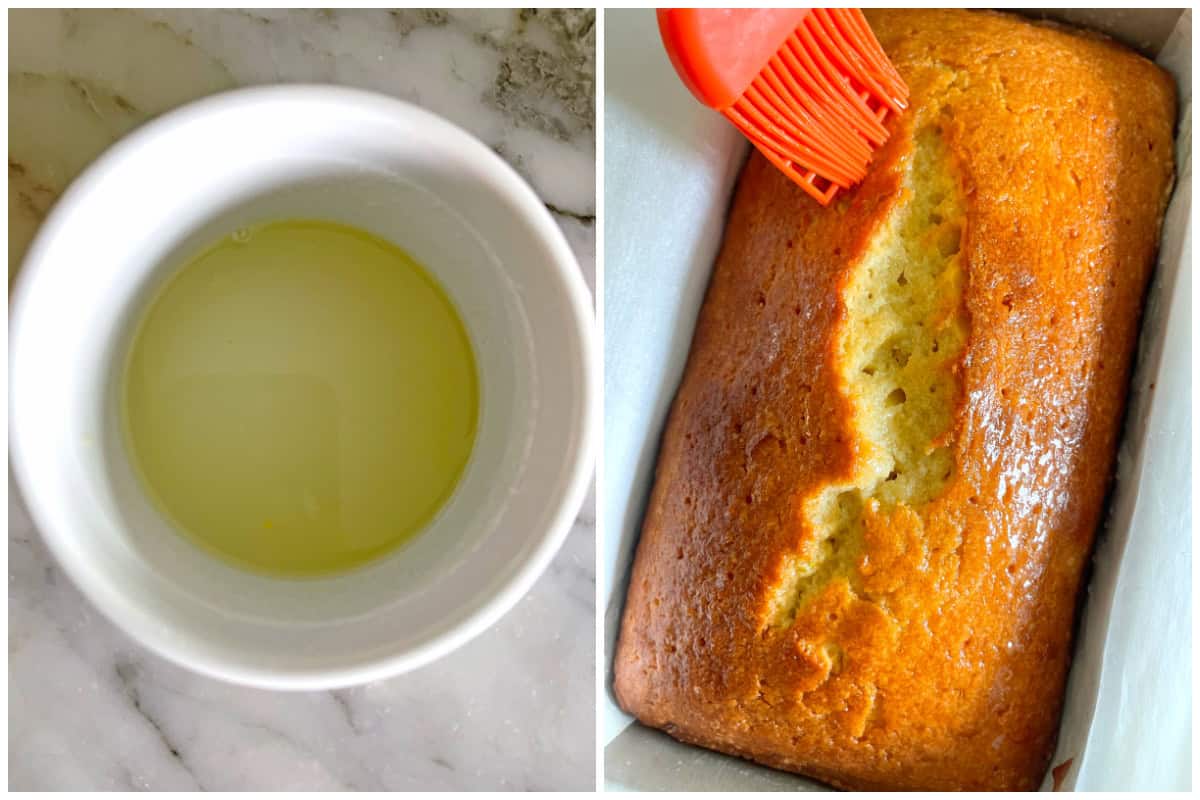
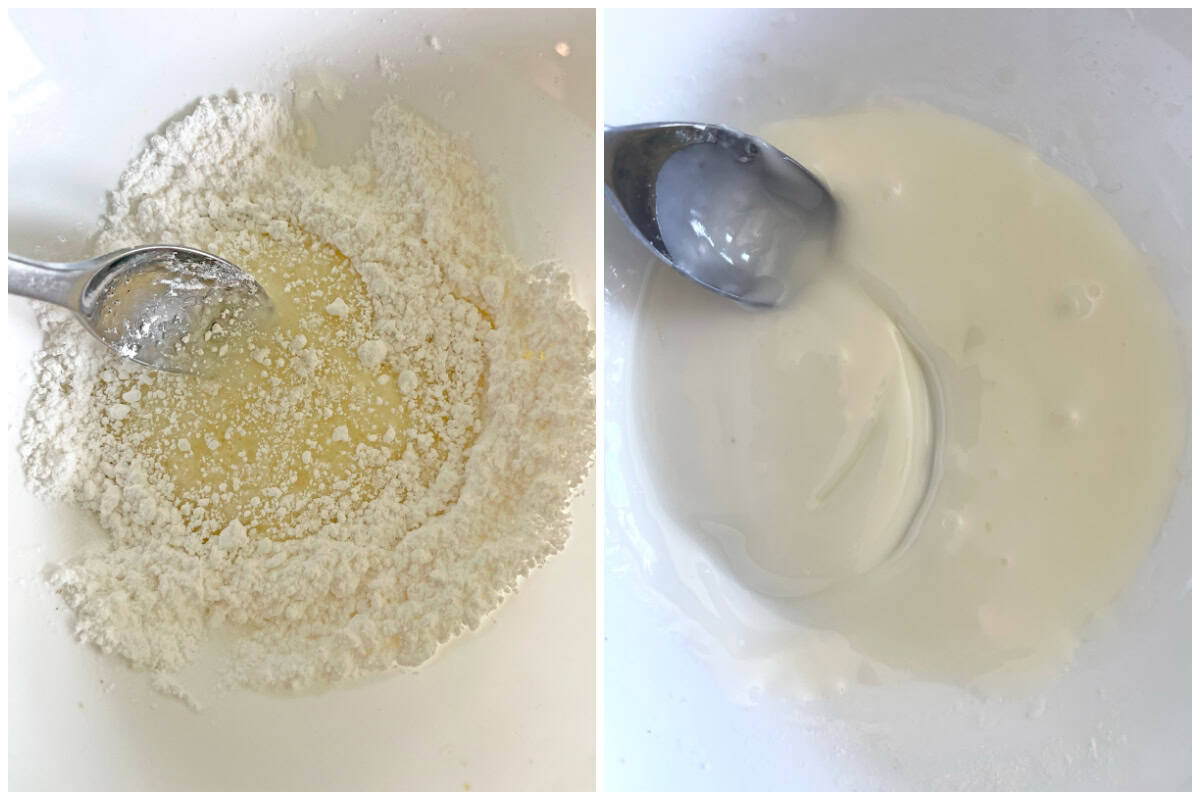
The first is the "drizzle" itself—a warm, acidic syrup of lemon juice and sugar poured over the cake while it is still fresh from the oven. This step is the defining technical feature of the bake, ensuring the syrup penetrates the sponge, creating a moist interior while forming a crisp, sugary, crackled crust on the surface. The second treatment is the final icing, a smooth, opaque glaze that provides a secondary, sharper layer of citrus intensity. This "triple-hit" of lemon—zest in the batter, syrup in the sponge, and icing on top—is what elevates a standard pound cake into the legendary Lemon Drizzle.
A Chronological Evolution: From Rationing to Global Icon
The rise of the Lemon Drizzle Cake is a fascinating study in 20th-century social history. Its development is inextricably linked to the end of post-war food rationing in Britain. As sugar, butter, and citrus fruits became more widely available in the 1950s, the British home kitchen experienced a renaissance.
However, the definitive template for the cake as we recognize it today was solidified in 1967. Food writer Evelyn Rose, a legendary figure in British gastronomy, published her "Luscious Lemon Cake" in The Jewish Chronicle. Rose’s methodology—specifically the technique of dousing a warm loaf-pan cake with a citrus syrup—was a revelation. It solved the age-old problem of the "dry sponge" and introduced a method of moisture retention that would soon be replicated across the country.
The true explosion in popularity, however, occurred in the 21st century. The cultural juggernaut that is The Great British Bake Off played a pivotal role in cementing the cake’s status. In the mid-1990s and early 2000s, the cake was a known regional delight; today, it is ubiquitous. From high-end London tea rooms to convenience stores and rural petrol stations, the Lemon Drizzle is now the default "favorite" in national surveys, often trading the top spot only with the classic Victoria Sponge.
Supporting Data: Drizzle vs. Pound Cake
For the uninitiated, it is easy to conflate the Lemon Drizzle with the American-style Lemon Pound Cake. Culinary historians and professional bakers, however, note significant differences in architecture and intent.
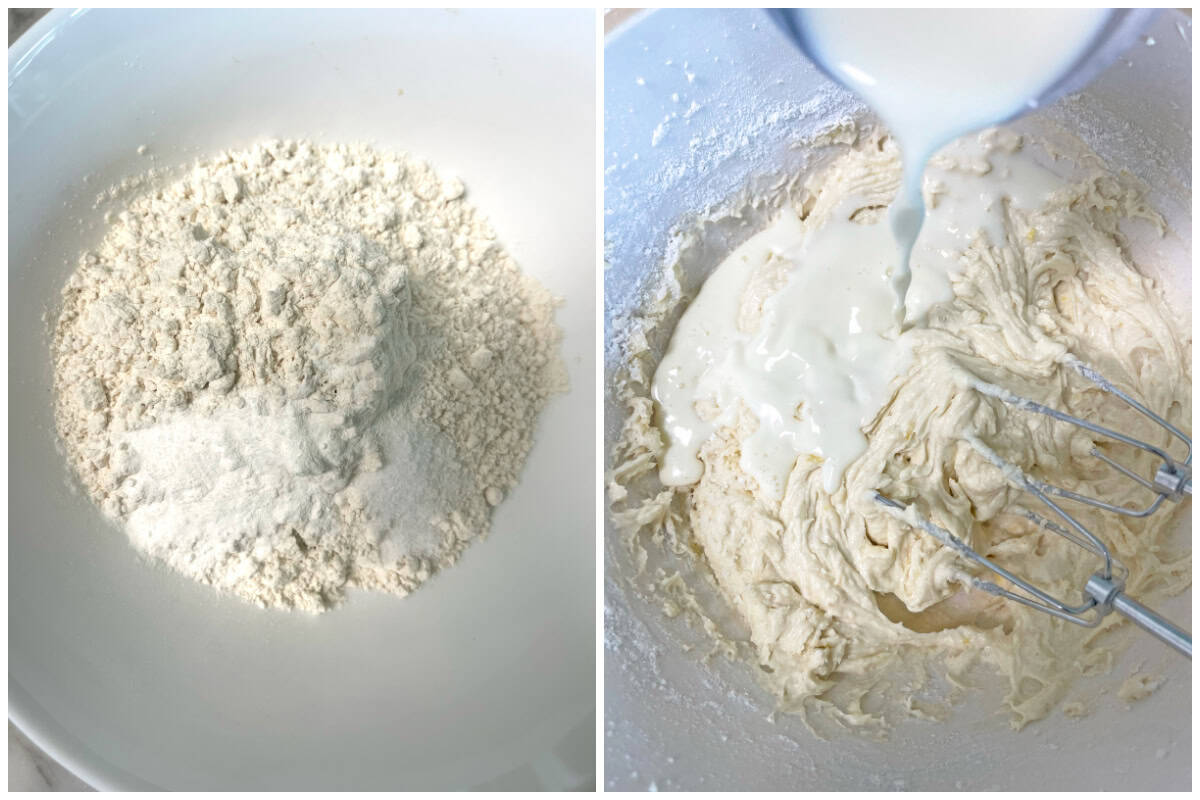
- Texture and Crumb: The American pound cake is defined by its density and "tight" crumb, historically achieved by using a pound each of flour, butter, sugar, and eggs. While modern iterations use leavening agents, the focus remains on a heavy, substantial mouthfeel. The British Drizzle cake, conversely, is lighter, existing in a middle ground between a traditional pound cake and a classic Genoise sponge.
- The Finishing Technique: The pound cake is generally a "finished" product once baked, with a simple glaze or icing added after cooling. The Drizzle cake is a "living" project. By adding the syrup while the cake is hot, the baker creates a chemical reaction where the sugar and acid transform the crumb structure, making it impossibly moist and creating that signature "crunchy" top layer that defines the experience.
The Professional Approach: Ingredients and Methodology
To achieve a world-class result, the quality of the raw ingredients is paramount. A professional-grade Lemon Drizzle cake relies on high-fat European-style butter, fresh, unwaxed lemon zest, and a precise balance of acidity.
The Science of the Process
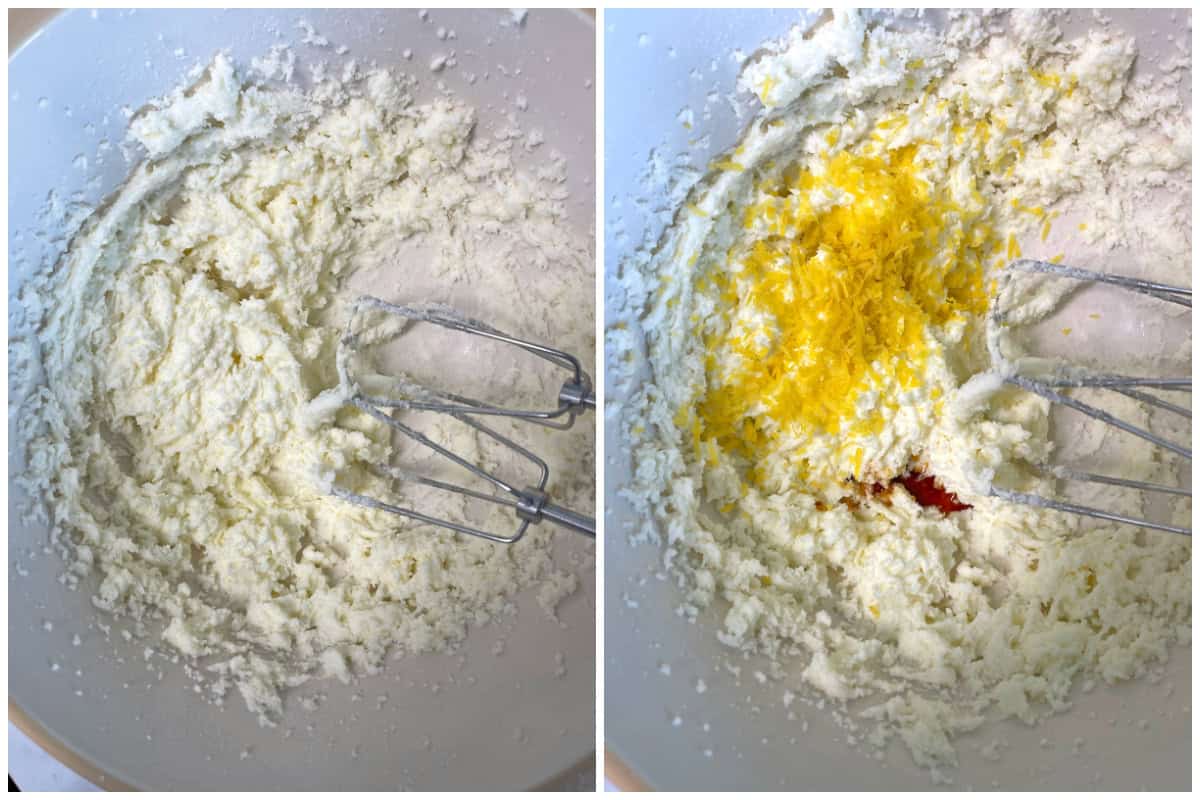
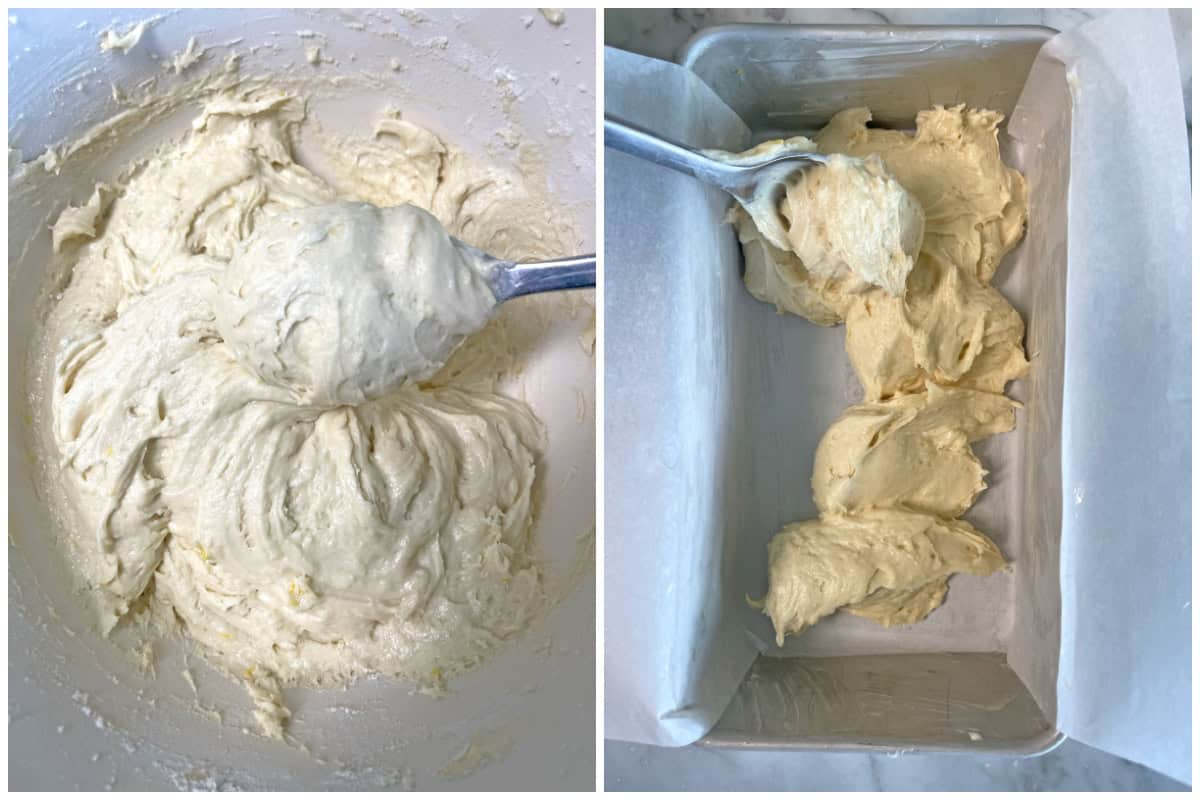
- Creaming: The initial stage involves creaming butter and sugar until the mixture is pale and aerated. This is the structural foundation of the cake.
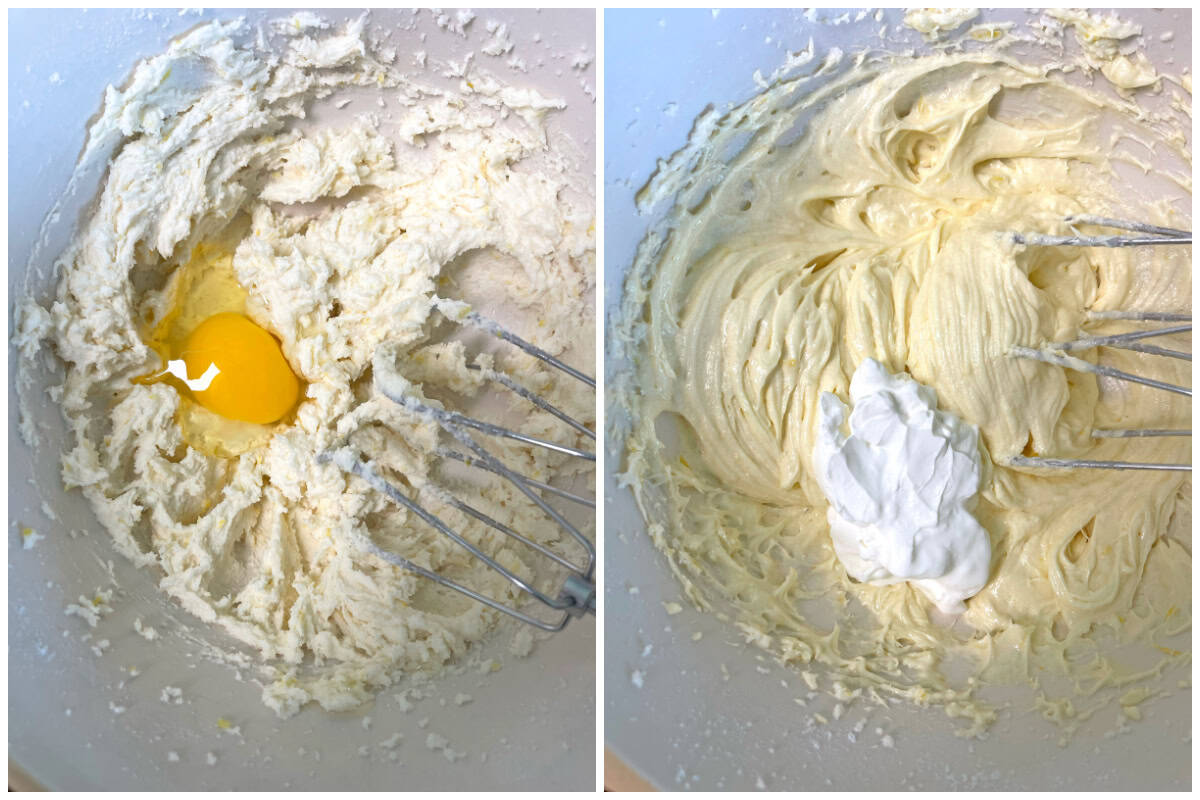
- The Emulsion: The incorporation of eggs, one at a time, followed by the addition of sour cream, is critical. The sour cream introduces a slight tang that cuts through the sugar and provides a velvety, rich texture that oil or milk alone cannot achieve.
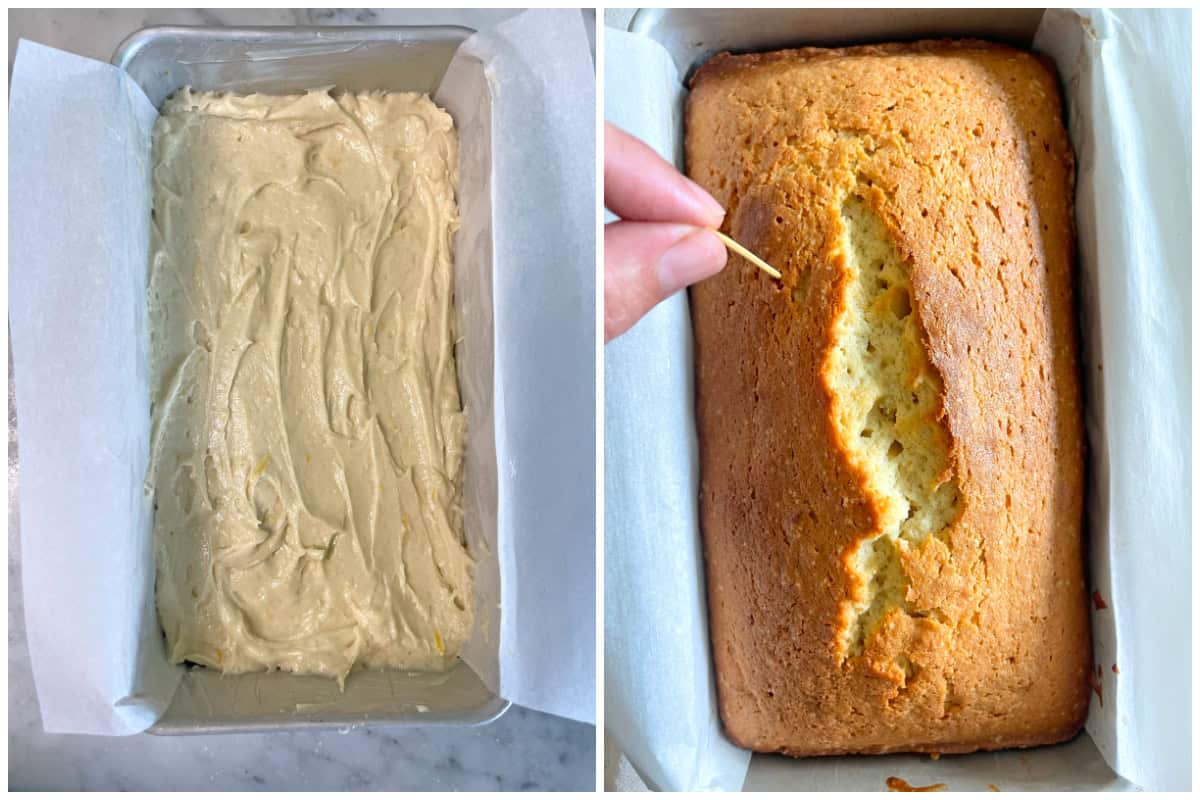
- The "Drizzle" Technique: The most critical step is the application of the syrup. The cake must be hot, and the syrup must be cool-to-warm. By piercing the cake deeply with a skewer, the syrup is given a direct pathway to the center of the crumb. This is not merely flavoring; it is structural engineering for moisture.
Implications: The Enduring Appeal of Comfort Food
The enduring success of the Lemon Drizzle Cake in the modern era speaks to the human desire for "comfort food." In an age of complex, multi-layered entremets and elaborate pastry work, the simplicity of a citrus loaf offers a form of nostalgia. It is approachable, portable, and inherently cheerful.
Furthermore, the versatility of the recipe has allowed it to adapt to contemporary tastes. Chefs and home bakers alike have begun to experiment with the base. Variations such as Grapefruit Drizzle or Blood Orange Drizzle have emerged, proving that the technique of the "drizzle" is a versatile tool in the baker’s arsenal.
Future-Proofing: Storage and Longevity
One of the most practical benefits of the Lemon Drizzle is its shelf life. Because the syrup acts as a preservative, the cake remains moist for several days if stored in a sealed container at room temperature. For those looking to manage their kitchen output, the cake is remarkably freezer-friendly. It is recommended to freeze the loaf before the final icing is applied; the cake can then be thawed overnight and finished with the fresh glaze, ensuring that it tastes as though it were baked that very morning.
As we look toward the future of baking, the Lemon Drizzle Cake stands as a testament to the idea that the best recipes are not those that are the most complicated, but those that understand the fundamental chemistry of flavor and texture. It is a humble, sunny, and incredibly satisfying staple that shows no sign of losing its crown. Whether you are an experienced pâtissier or a novice in the kitchen, the Lemon Drizzle remains the ultimate test of balancing, layering, and perfecting the simple, sharp, and sweet alchemy of the lemon.


 Basiran
 Jia Lissa
