

 Azzam Bilal Chamdy
 Neng Nana
 Nana Muazin
 Dwi Wanna
 Raul Delapena Setiawan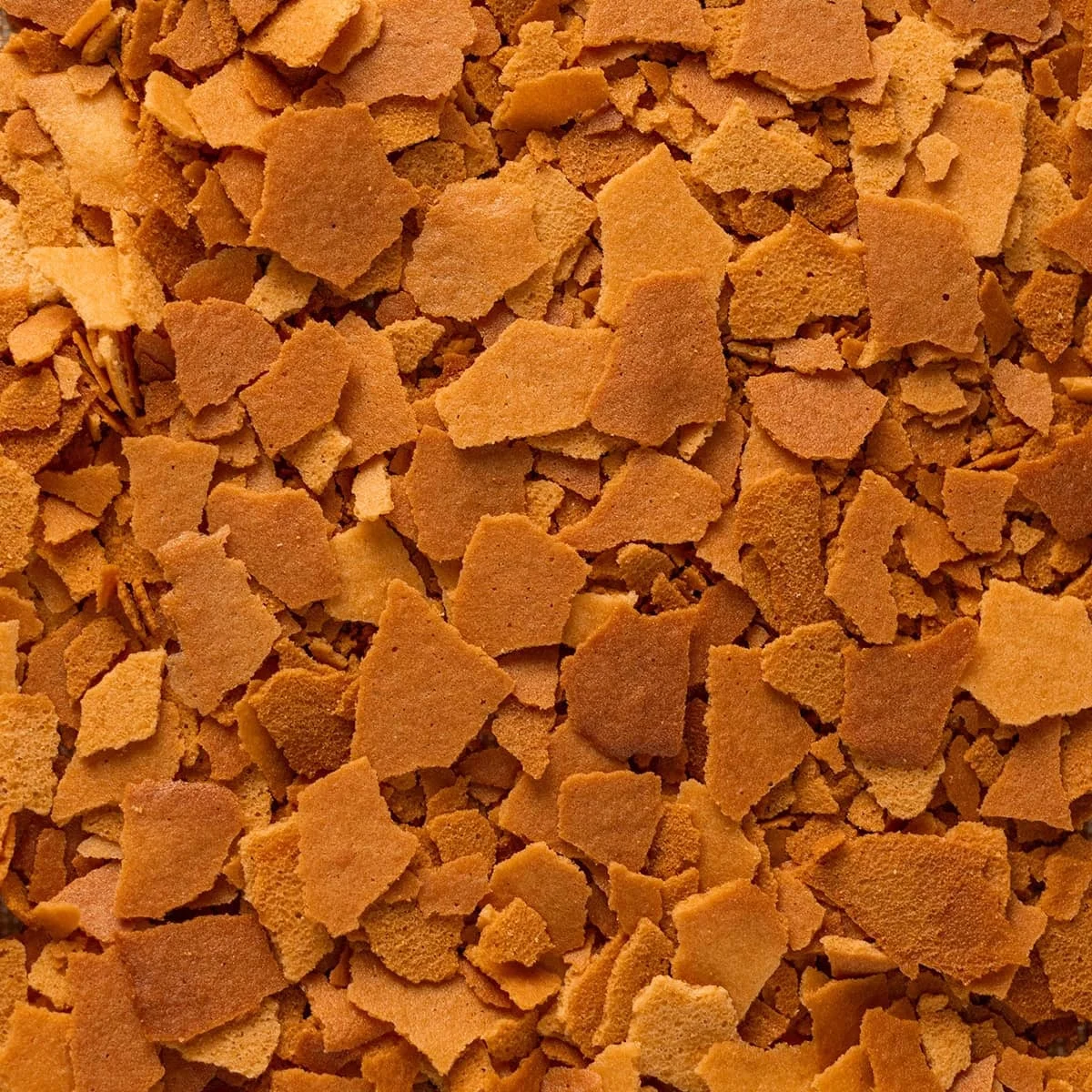
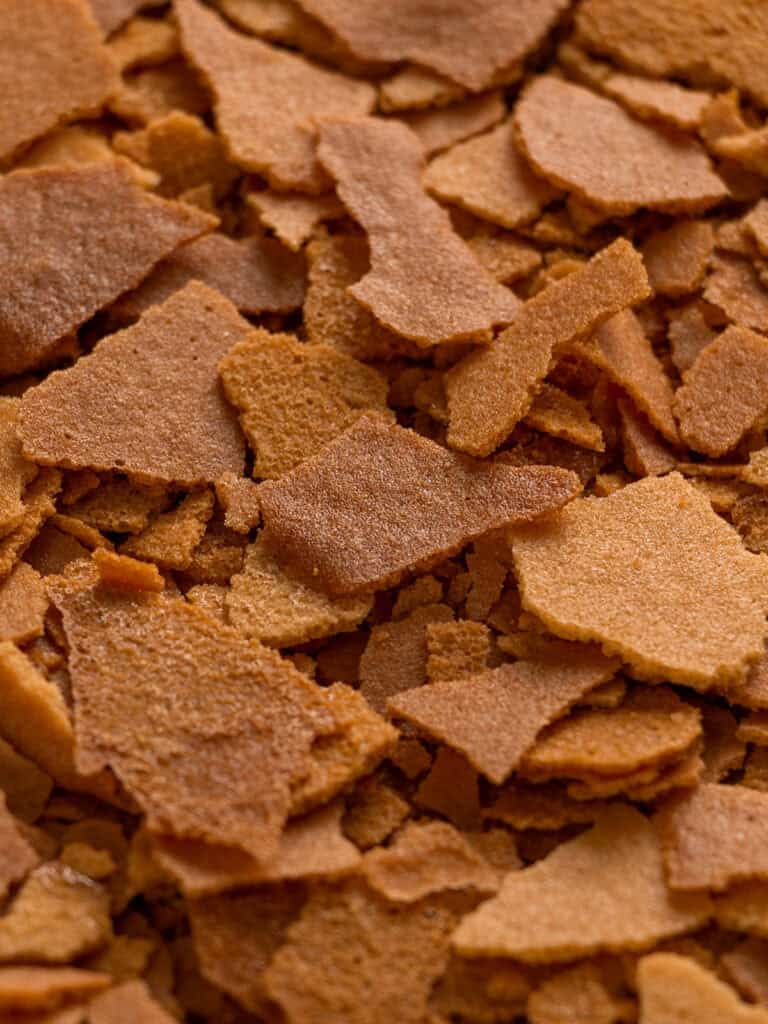
In the high-stakes world of professional pastry, the difference between a good dessert and a world-class masterpiece often comes down to texture. While flavor profiles like dark chocolate, salted caramel, or hazelnut praline provide the foundation, it is the element of surprise—the crunch—that elevates a dish from the mundane to the extraordinary. Enter Feuilletine, the whisper-thin, golden-brown wafer flakes that have become the "secret weapon" of modern confectioners.
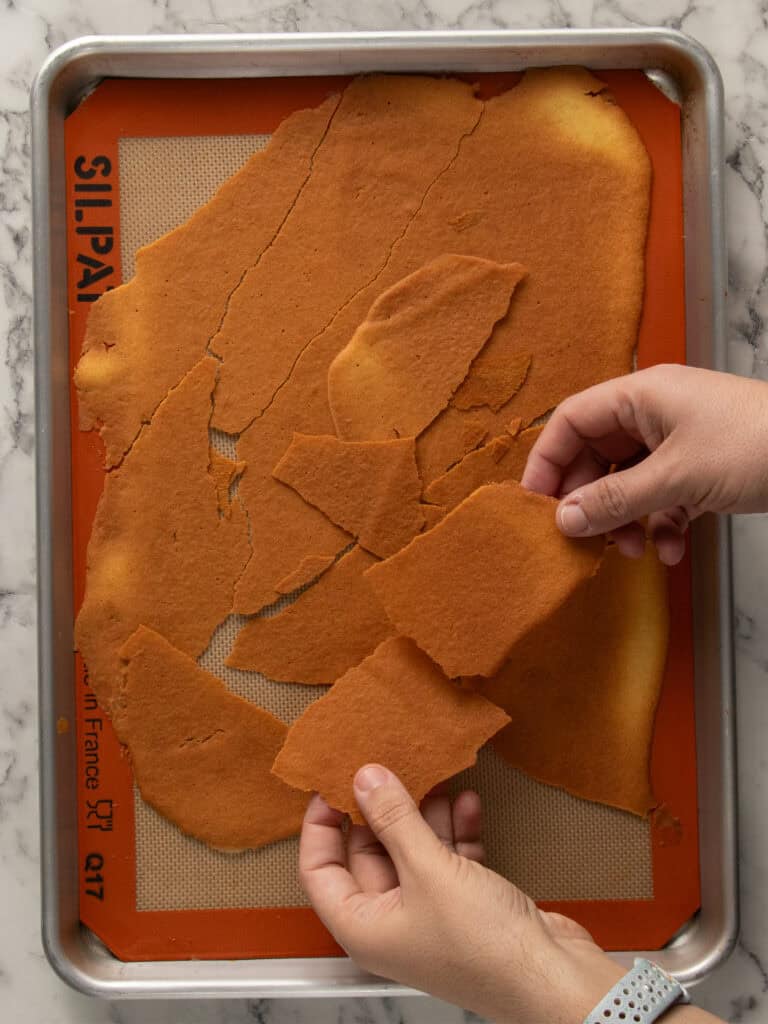
While its name—pronounced fuh-yuh-teen—may be difficult for the uninitiated to spell, its utility in the kitchen is remarkably straightforward. These delicate, crispy shards are derived from thin, sweetened crepes that are baked until they reach a state of brittle, caramelized perfection.
Main Facts: What is Feuilletine?
At its core, Feuilletine is a French pantry staple, often referred to as pailleté feuilletine. It is not merely a topping or a garnish; it is a structural component used to provide a sustained, high-quality crunch that defies the odds of moisture absorption.
Most crispy ingredients—such as crushed cookies, breakfast cereals, or nuts—tend to lose their texture the moment they encounter a fat-based medium like chocolate, ganache, or nut butter. They become soggy and unpalatable. Feuilletine, however, is chemically and physically engineered to remain crisp even when submerged in anhydrous (water-free) fats. This unique property makes it an indispensable component in luxury chocolate work, entremets, and high-end tarts.
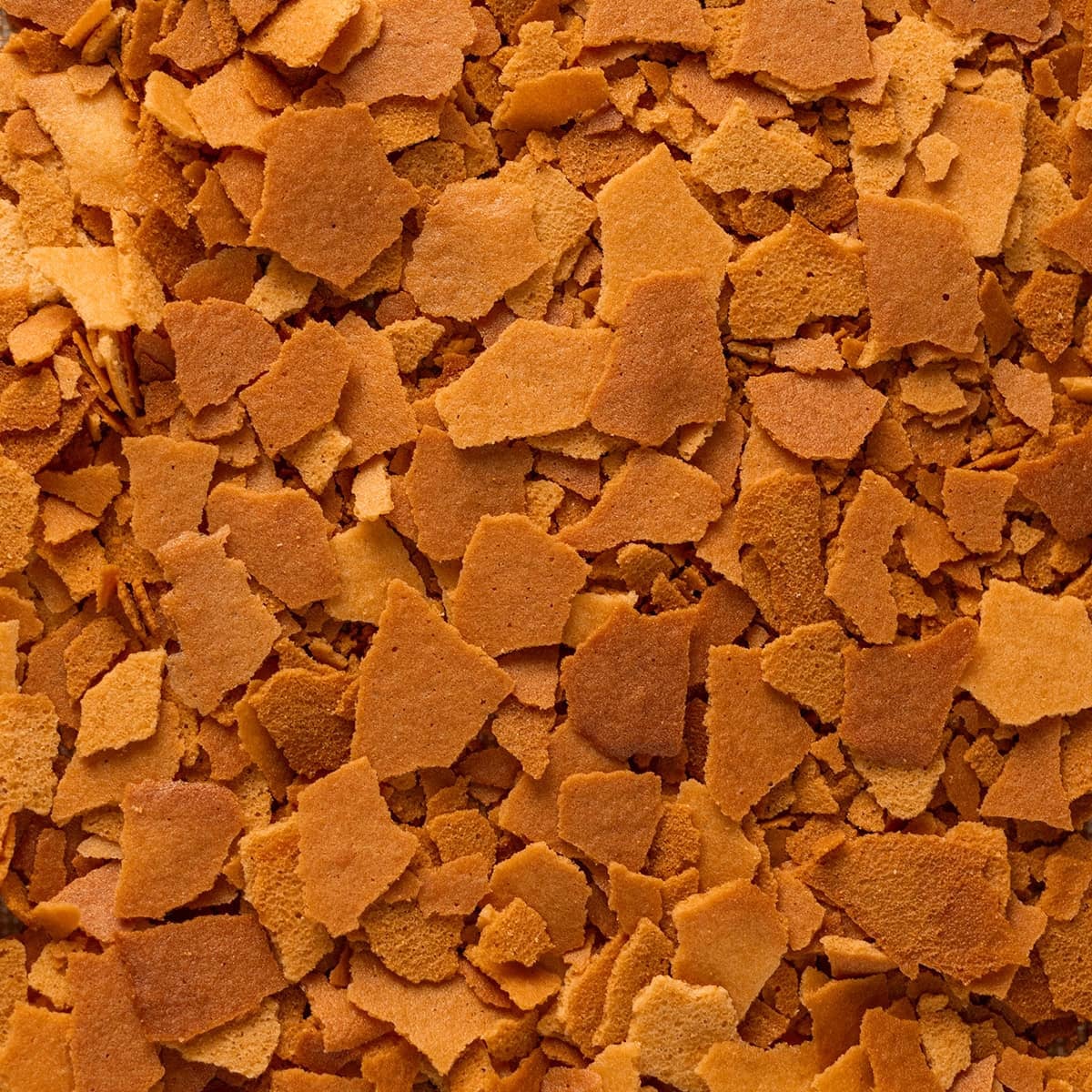
Beyond its texture, Feuilletine offers a subtle, buttery, caramelized flavor profile that complements a wide array of ingredients. It acts as a bridge between creamy mousses and solid chocolate shells, providing a sensory experience that prevents a dessert from feeling "one-note" on the palate.
A Brief Chronology: From Parisian Crepes to Modern Pastry
The origins of Feuilletine are rooted in the traditional French culinary practice of crêpes dentelles (lace crepes). Originally, these were delicate, buttery biscuits rolled into thin cigars. Culinary historians suggest that the transition from a standalone biscuit to a versatile ingredient occurred when pastry chefs realized the potential of these shards when pulverized.
Throughout the late 20th century, as the art of the entremet—the multi-layered, multi-textured French dessert—gained global prominence, the demand for stable, crunchy inclusions grew. By the early 2000s, Feuilletine had transitioned from a niche component found only in elite Parisian patisseries to a staple of the professional culinary school curriculum. Today, its popularity has trickled down to the home kitchen, as influencers and professional bakers, such as Nick from The Scranline, have begun demystifying the process of creating this "professional-grade" component from scratch.
Supporting Data: The Science of the Crunch
The stability of Feuilletine in fat-based mediums is not magic; it is science. Because the wafer is primarily composed of flour, sugar, and fat (usually butter), it is significantly more resilient than high-starch components like crackers.
Why It Doesn’t Go Soggy
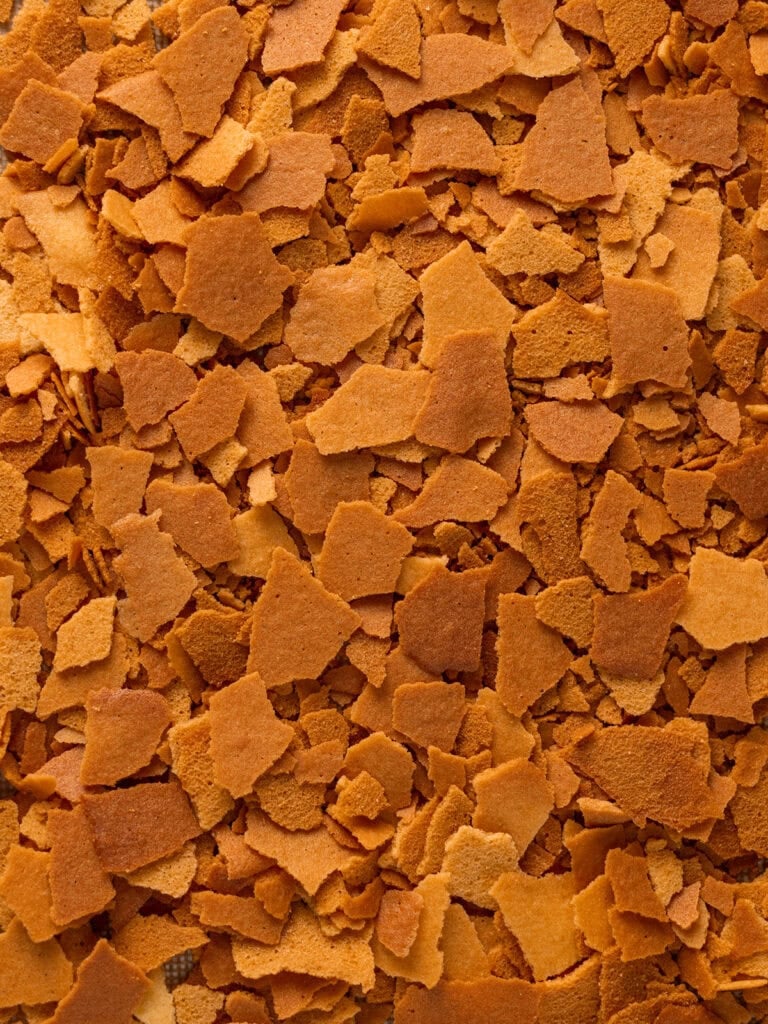
The primary enemy of crispness in pastry is water. When a crunchy ingredient is introduced to a moist environment (like a mousse or a cream), it absorbs water molecules, losing its structural integrity. Because Feuilletine is used almost exclusively in anhydrous environments—blended with chocolate, praline paste, or Nutella—it does not encounter the moisture required to turn it soft.
Nutritional Profile
While Feuilletine is a luxury item rather than a health food, it is important for professional chefs to understand its caloric density. Based on a standard batch preparation:
- Calories: Approximately 929 kcal per batch.
- Carbohydrates: 106g, providing the energy for the crisp structure.
- Fat: 49g, largely derived from the butter content required for that distinct caramelized finish.
- Protein: 13g, contributing to the structural integrity of the wafer.
Note: Nutrition is calculated per batch. In practice, the amount used per serving is significantly lower, as the ingredient is used for textural accents rather than as a primary volume component.
Professional Insights: How to Use and Store
"The magic thing about them, which still stuns me, is that they stay crispy when you mix them with fat-based things," notes professional baker Nick. For those looking to incorporate this ingredient into their own repertoire, the application process is quite simple.
The "Ferrero" Effect
One of the most popular applications for Feuilletine is the creation of a "crunchy layer." By blending roughly 100g of Feuilletine with 200g of melted chocolate or a hazelnut-based spread, bakers can create a robust, crunchy base for tarts. This is the secret behind the texture of the famous Ferrero Rocher center—a combination of nut praline and crushed wafer.
Storage Protocols
Because of its thin, porous structure, Feuilletine is highly susceptible to humidity. If left exposed to air, it will absorb ambient moisture and lose its characteristic "snap."
- Cooling: Always ensure the wafer is completely cool before breaking it into shards.
- Sealing: Once broken, the shards must be stored in an airtight environment, such as a vacuum-sealed bag or a high-quality glass canister.
- Shelf Life: When stored correctly in a cool, dry place, homemade Feuilletine can maintain its quality for up to two weeks. It should not be refrigerated, as the humidity of the fridge is detrimental to its crispness.
Implications for the Future of Home Baking
The rise of Feuilletine in the home kitchen marks a significant shift in how amateur bakers approach dessert design. The focus has moved beyond simple flavor combinations to the "architecture" of a dessert.
For many, the process of making Feuilletine is a gateway into more technical pastry work. It is, as some have noted, "a kid’s project for adults with taste"—the process of baking the thin sheets and then physically crushing them is a tactile, rewarding experience. This democratization of professional techniques is fueling a surge in high-quality home baking, where the standard for "good" is no longer just "tastes sweet," but "has an interesting mouthfeel."
Community and Engagement
The accessibility of this recipe encourages a new level of creativity. Home bakers are now experimenting with flavor-infused Feuilletine, such as adding cocoa powder or cinnamon to the batter before baking, or even creating savory versions with herbs to pair with cheese boards or gourmet appetizers.
If you choose to experiment with this ingredient, documentation is key. Tagging your creations on platforms like Instagram allows for a cross-pollination of ideas, helping the global baking community refine the ratios and applications of this versatile ingredient.
Conclusion
Feuilletine serves as a reminder that the most impactful elements in gastronomy are often the simplest. By transforming basic ingredients—flour, sugar, butter—into something that provides an enduring, satisfying crunch, the pastry chef can completely transform the eating experience. Whether you are aiming to replicate the complexity of a French entremet or simply want to add a professional touch to your morning snack, Feuilletine is an essential tool in your culinary arsenal.
The next time you find yourself planning a dessert, consider not just what it tastes like, but what it sounds like when you bite into it. With the inclusion of this thin, golden wafer, you are guaranteed a result that is, in every sense of the word, crisp.


 Basiran
 Jia Lissa
