Azzam Bilal Chamdy
 Neng Nana
 Nana Muazin
 Dwi Wanna
 Raul Delapena Setiawan
 Muslim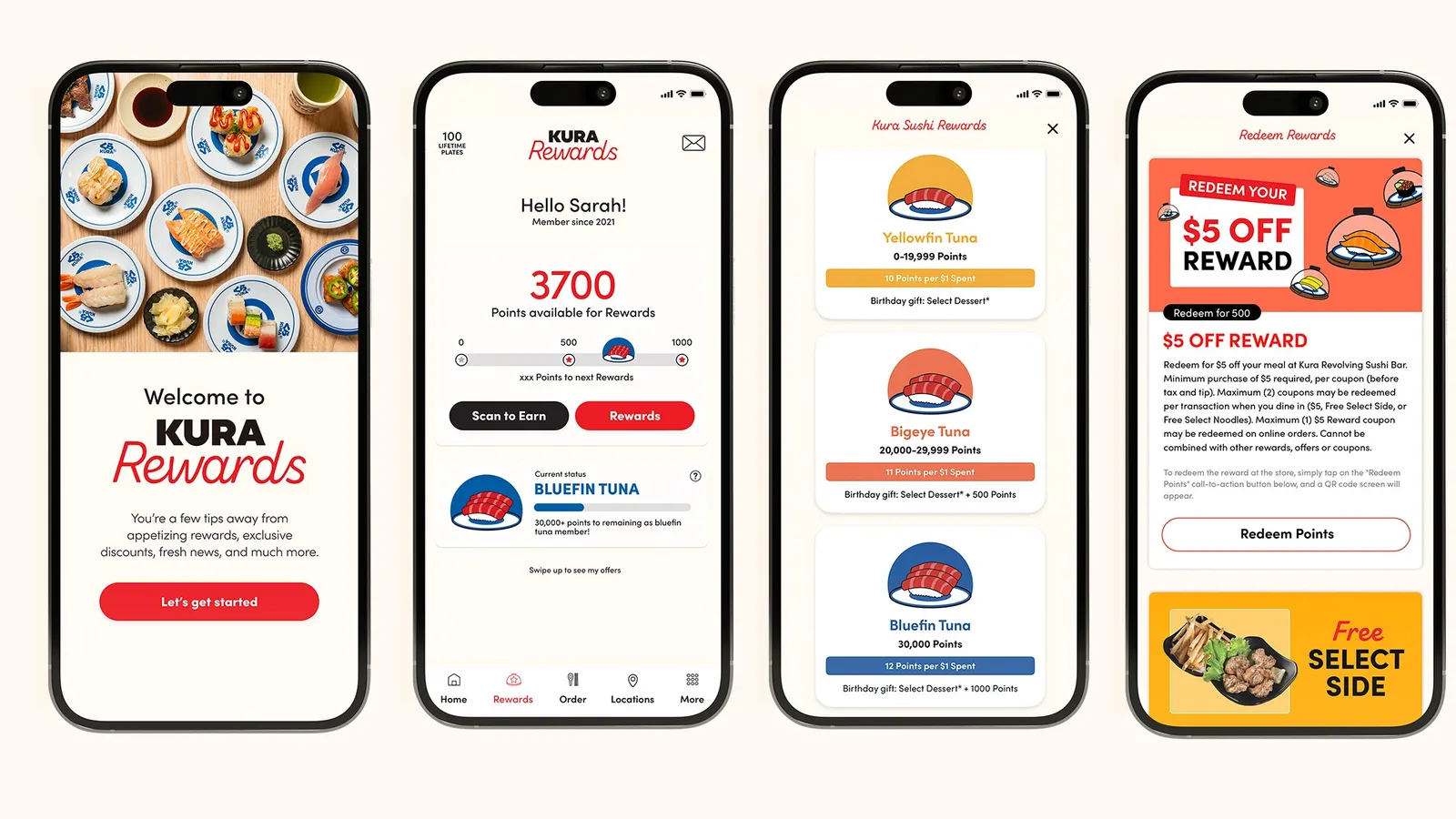
By Julie Littman | October 7, 2026
In an era where customer loyalty is increasingly digitized and data-driven, Kura Sushi USA has officially entered the next phase of its consumer engagement strategy. The restaurant chain, known for its revolving sushi bar concept, announced a major overhaul of its rewards program this October, joining a growing roster of industry peers—including Panera Bread, Charleys, and Tropical Smoothie Cafe—that have shifted toward tiered, flexible loyalty architectures.
This structural transition marks a departure from the company’s legacy model, signaling an aggressive push to optimize customer lifetime value and navigate the tightening margins of the current economic climate.
The Core Transformation: A New Tiered Ecosystem
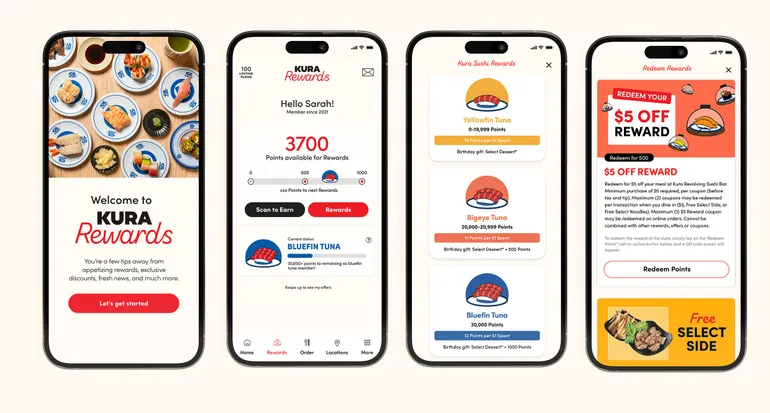
The revamped Kura Sushi Rewards mobile app introduces a three-tiered structure designed to gamify the dining experience and incentivize higher spending. While the previous iteration of the program was a relatively static system—offering a straightforward earn-and-burn mechanism—the new model provides a more nuanced approach to guest appreciation.
Under the updated system, members earn points on all dine-in purchases, as well as orders placed via the chain’s mobile app or online platform. Depending on their specific tier, customers earn between 10 and 12 points per dollar spent. This subtle shift is engineered to reward frequent diners, encouraging them to progress through the tiers to unlock higher earning rates and, consequently, more frequent rewards.
The flexibility of the program is its most significant feature. Customers can now choose how they redeem their hard-earned points. For instance, 500 points can be applied toward a $5 reward or a free side dish, while 1,000 points can be redeemed for select noodle dishes. This “power of choice” philosophy is intended to move away from the one-size-fits-all rewards of the past, allowing the brand to cater to diverse customer preferences—whether they are looking for a quick snack or a premium meal addition.
Chronology of Change: From Legacy to Modernity
To understand the scope of this update, one must look at the transition from the legacy program. In the previous iteration, the math was simple: customers earned a flat 10 points for every $1 spent. Once a member reached the 500-point threshold, they were automatically issued a $5 reward. Additionally, the program offered a standard birthday dessert benefit.
The evolution toward the new model was not impulsive; it was the result of sustained feedback from the brand’s most dedicated patrons. By the summer of 2026, the company had begun signaling its intent to shift toward a more dynamic rewards structure during its fiscal third-quarter earnings call.
Following the successful testing phases and the integration of a new, more aesthetic-focused interface, the company rolled out the update in early October 2026. The transition has been characterized by a focus on "frictionless" redemption and a more modern, intuitive user interface, designed to reduce the barriers between earning points and enjoying rewards.
Data-Driven Strategy: Why Now?
The motivation behind this overhaul is rooted in cold, hard data. During the July 2026 earnings call, Kura Sushi executives highlighted a compelling trend: the "average check" for loyalty members is growing at a faster rate than that of non-members. By incentivizing higher engagement, the company is effectively leveraging its rewards program as a primary tool for revenue management.
Impact of Operational Discipline
The timing of this launch also coincides with broader macroeconomic challenges. Kura Sushi, like much of the fast-casual and quick-service restaurant (QSR) sector, has felt the sting of global supply chain volatility and rising tariffs.
During the fiscal third quarter, the company reported that the cost of goods sold (COGS) as a percentage of sales was 200 basis points higher than in the previous year. While these external pressures threatened to compress margins, management was able to mitigate the impact through strict operational discipline. By improving restaurant-level margins by 90 basis points year-over-year, the company maintained a strong financial foundation, providing the capital and operational breathing room necessary to invest in the digital transformation of its rewards program.

Official Perspectives: The Voice of Leadership
The strategic shift is a cornerstone of the brand’s broader digital marketing efforts. Charlie Nguyen, digital marketing and strategy manager at Kura Sushi USA, emphasized that the decision to revamp the program was rooted in the brand’s commitment to its "superfans."
"We reshaped our rewards program with the main intention of putting the power of choice in our guests’ hands," Nguyen stated in a press release regarding the launch. "By introducing dynamic, competitive tiers and giving members total flexibility over their points, we’re delivering real value based directly on what our superfans told us they wanted, while adding an elevated aesthetic to the interface that makes navigation more enjoyable."
By focusing on user experience (UX) and personal autonomy, Kura Sushi is positioning its app not just as a transactional tool, but as an extension of the restaurant’s hospitality.
Industry Context: A Macro Trend in Loyalty
Kura Sushi’s move is part of a larger trend sweeping the restaurant industry. As customer acquisition costs rise and market saturation increases, brands are moving away from simple punch-card-style loyalty programs toward sophisticated, data-rich ecosystems.
The Rise of Tiered Gamification
- Panera Bread: Recently relaunched its MyPanera program to incorporate more points-based flexibility, moving away from visit-based rewards to reward spending habits.
- Charleys Cheesesteaks: Has integrated its rewards program with menu expansions, using the loyalty app to promote new, higher-margin items through targeted offers.
- Tropical Smoothie Cafe: Has leaned heavily into personalization, utilizing gamification to keep users engaged and returning to the app frequently to track their progress toward rewards.
The common denominator among these brands is the use of tiered systems to identify and cater to "heavy users." By segmenting the audience, restaurants can deliver more relevant marketing messages, reduce churn, and increase the lifetime value of their customer base.
Future Implications: What Lies Ahead?
As Kura Sushi moves forward with this new model, the implications for the brand’s financial performance will likely be twofold. First, the success of the program will be measured by the adoption rate of the new mobile interface. If the "elevated aesthetic" and flexible redemption options lead to increased app downloads and active daily users, the brand will have successfully created a direct, owned channel for customer communication—bypassing third-party aggregators and delivery platforms.

Second, the brand will need to balance the increased costs of the rewards program against the higher average check sizes it aims to capture. If the loyalty program effectively drives repeat traffic and increases the "attach rate" of appetizers and beverages, the cost of the rewards will be offset by the incremental revenue generated per visit.
Managing External Volatility
The company remains under pressure from macroeconomic factors, particularly the aforementioned tariffs. While the loyalty program is a powerful marketing tool, it must work in tandem with the company’s ongoing operational efficiency efforts. If the brand can continue to offset cost increases through labor management and supply chain optimizations, the loyalty program will serve as a vital defensive and offensive strategy in an increasingly competitive sushi market.
Ultimately, Kura Sushi’s pivot demonstrates that in the modern restaurant landscape, loyalty is no longer just about giving away free food. It is about creating a personalized ecosystem that rewards the brand’s most loyal customers while providing the company with the granular data needed to navigate a complex, ever-changing economic environment. As the industry watches, the success of this program may well determine the benchmark for digital engagement in the segment for years to come.


 Evan Lee Salim