

 Azzam Bilal Chamdy
 Neng Nana
 Nana Muazin
 Dwi Wanna
 Raul Delapena Setiawan
 Lina Irawan
The Loire Valley, often romanticized as the "Garden of France," stretches across a sprawling 1,000-kilometer arc that mirrors the meandering path of its namesake river. While it stands as the third-largest wine-producing region in France, it remains a paradoxical entity: globally renowned for its architectural majesty—the storybook châteaux that dot the riverbanks—yet curiously understated in the global wine consciousness. From the rugged slopes of the Massif Central to the salt-kissed breezes of the Atlantic coast, the region represents a vast, complex mosaic of over 50 distinct appellations, where generational wisdom meets modern viticultural audacity.
Main Facts: A Region of Paradox and Potential
The Loire Valley is defined not by a singular style, but by a kaleidoscopic range of expressions. Because the river flows through such diverse microclimates—from the continental chill of the interior to the maritime influence of the west—the region produces everything from crisp, mineral-driven Sauvignon Blancs in Sancerre to deep, velvety Cabernet Francs in Chinon, and world-class sparkling wines in Vouvray.
At the heart of the Loire’s identity is the smallholder. Unlike the monolithic estates of Bordeaux or the consolidated vineyards of Champagne, the Loire is a patchwork quilt of family-run operations. Many of these vignerons are the latest in a line of ancestors who have tilled the same plots for centuries. This continuity is not merely tradition; it is an intimate, ancestral understanding of the soil, the drainage of the riverbanks, and the precise timing of the harvest.
Despite its size, the region remains a "sommelier’s secret." While consumers might recognize the names of individual sub-regions, the collective identity of the Loire as a powerhouse of quality is often overshadowed by its own tourism industry. The challenge for the modern Loire producer is to leverage the region’s fame for history—those UNESCO-listed châteaux—to elevate the prestige of the liquid gold poured in their cellars.
Chronology: Two Millennia of Viticulture
The vinous narrative of the Loire is not a recent development; it is a chronicle that predates the modern nation-state of France.
The Roman Foundation (77 CE)
The history of the Loire begins in the shadows of the Roman Empire. Pliny the Elder, the industrious polymath and naval commander, documented the agricultural output of the known world in his Natural History. His accounts confirm that by the first century CE, the banks of the Loire were already under vine, suggesting that the region’s suitability for viticulture was identified early in the Roman expansion.
The Monastic Era (6th – 18th Century)
The Middle Ages saw the Catholic Church assume the role of the primary custodian of the vine. In 582 CE, Grégoire, the Bishop of Tours, provided one of the most poignant glimpses into the region’s past. His journals, which documented a devastating late frost that scorched the vineyards of Touraine and Sancerre, serve as a historical marker for the vulnerability of the region—a reality that persists for growers even today. For over a millennium, monastic orders acted as the researchers and developers of the Loire, meticulously mapping which grape varieties thrived in specific soil compositions.
The Age of Trade and Enlightenment
By the 17th and 18th centuries, the Loire River functioned as the primary logistics artery for the French economy. Nantes, situated near the Atlantic estuary, emerged as a vital trading hub. The river allowed wines to be transported from the deep interior to the coast, facilitating exports to England and the Netherlands. It was during this era that the "Muscadet" style began to take shape, designed specifically for the maritime trade and the burgeoning appetites of coastal merchants.
The Modern Revolution
The post-revolutionary period and the 20th century saw the formalization of the Appellation d’Origine Contrôlée (AOC) system. This legal framework was essential in defining the Loire’s diverse styles, protecting the integrity of regional labels, and preventing the homogenization of French wine.
Supporting Data: The Anatomy of the Valley
The Loire’s vastness is evidenced by its geographical diversity:
- Regional Spread: The region encompasses approximately 70,000 hectares of vineyards.
- Appellation Density: With over 50 AOCs, the region is one of the most varied in the world. Key sub-regions include the Pays Nantais (famous for Melon de Bourgogne), Anjou-Saumur (renowned for Chenin Blanc and Cabernet Franc), Touraine (the heart of the valley), and the Central Vineyards (Sancerre and Pouilly-Fumé).
- Economic Impact: While the tourism sector accounts for millions of annual visitors drawn to the Châteaux of the Loire (such as Chambord and Chenonceau), the wine sector contributes billions of Euros to the local economy, supporting tens of thousands of jobs in both direct production and distribution.
- Climate Dynamics: The valley acts as a climatic bridge. The western section experiences mild, oceanic weather, while the eastern section is defined by a continental climate, creating a natural laboratory for different grape varieties.
Official Responses: The Vignerons’ Perspective
In recent interviews with local wine syndicates and the InterLoire (the official interprofessional body), the prevailing sentiment is one of "cautious modernization."
"We are not trying to be a museum of viticulture," says a spokesperson for the Touraine growers’ association. "We honor the past because it taught us which grapes suit our limestone and tuffeau soils, but we are currently in an era of intense experimentation."
The official stance from the regional governing bodies emphasizes sustainability. Faced with the unpredictable frosts mentioned by Bishop Grégoire 1,400 years ago, and now exacerbated by climate change, the region is investing heavily in regenerative viticulture. Many producers are moving toward organic and biodynamic certifications, not just as a marketing tactic, but as a strategic necessity to ensure the long-term health of the river basin’s biodiversity.
Implications: The Future of the Loire
The implications of the Loire’s current trajectory are significant for both the global wine market and the French agricultural sector.
1. Climate Resilience as a Market Driver
As temperatures rise, the northern regions of France are becoming increasingly desirable. The Loire, with its cooler climate, is better positioned than many southern French regions to maintain acidity and elegance in its wines. This "cool-climate advantage" is likely to draw more investment and attention from collectors who are tiring of the high-alcohol, jammy wines produced in more heat-stressed regions.
2. The Shift from Quantity to Quality
The Loire is currently undergoing a "premiumization" phase. Small family estates are moving away from bulk production and toward single-vineyard bottlings. This strategy aims to compete with the luxury markets of Burgundy and the northern Rhône. By emphasizing the distinctiveness of the tuffeau (porous limestone) soil, growers are successfully educating the consumer on the concept of terroir.
3. Cultural Preservation and Tourism
The marriage of wine and history remains the region’s greatest asset. The integration of "Wine Tourism" (oenotourism) has become a primary pillar of the regional economy. The implication here is clear: the future of the Loire is inextricably linked to its ability to present itself as a holistic destination where history is not just read about in books, but tasted in the glass.
4. The Sustainability Challenge
The biggest hurdle remains the environmental stewardship of the Loire River itself. As the river is a major water source and a sensitive ecosystem, the wine industry is under pressure to eliminate synthetic pesticides. The successful transition to sustainable farming will not only improve the quality of the wine but will likely become a prerequisite for international distribution in the coming decades.
Conclusion
The Loire Valley stands at a crossroads. It is a region that has survived the rise and fall of empires, the ravages of war, and the relentless cycle of seasonal frosts. Today, it presents itself as a sophisticated, diverse, and deeply authentic region. By marrying its ancient viticultural history with a modern, innovative spirit, the Loire is finally emerging from the shadows of its own châteaux. It is no longer just a destination for sightseers; it is a mandatory stop for the discerning palate, offering a journey through time and geography in every bottle. As the world of wine evolves, the Loire’s commitment to its small-scale, ancestral roots may well be the very thing that secures its future as one of the most respected regions on the planet.


 Layla Zulfa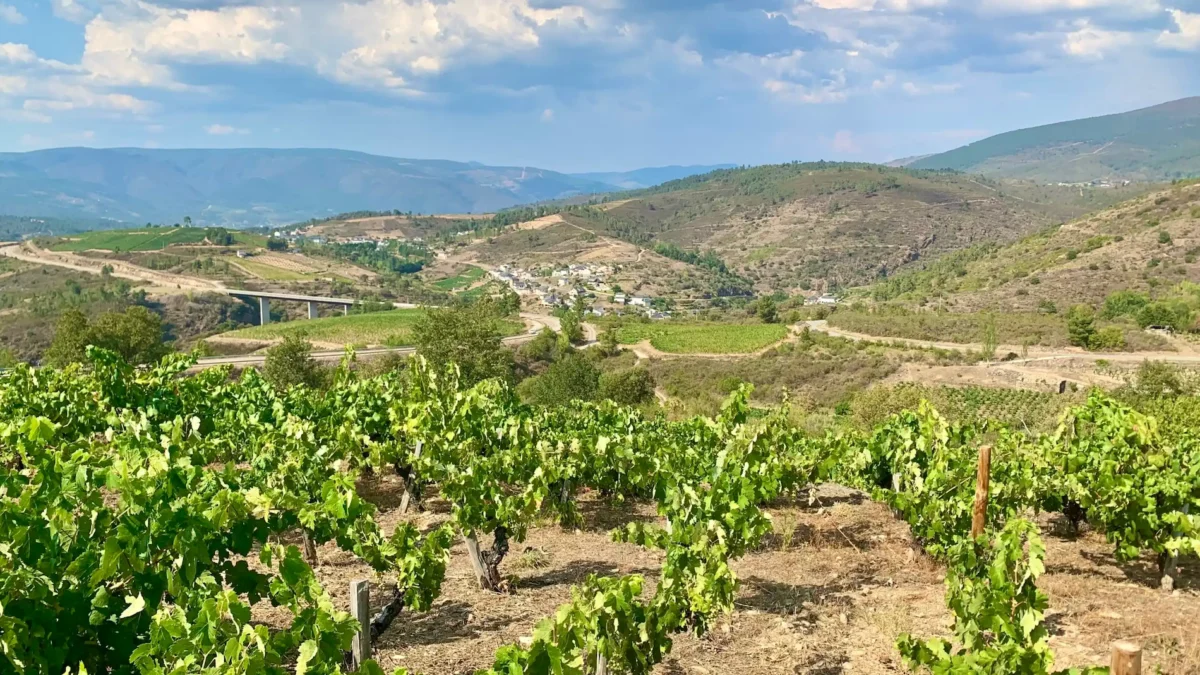
 Evan Lee Salim