

 Azzam Bilal Chamdy
 Neng Nana
 Nana Muazin
 Dwi Wanna
 Raul Delapena Setiawan
 Nila Kartika Wati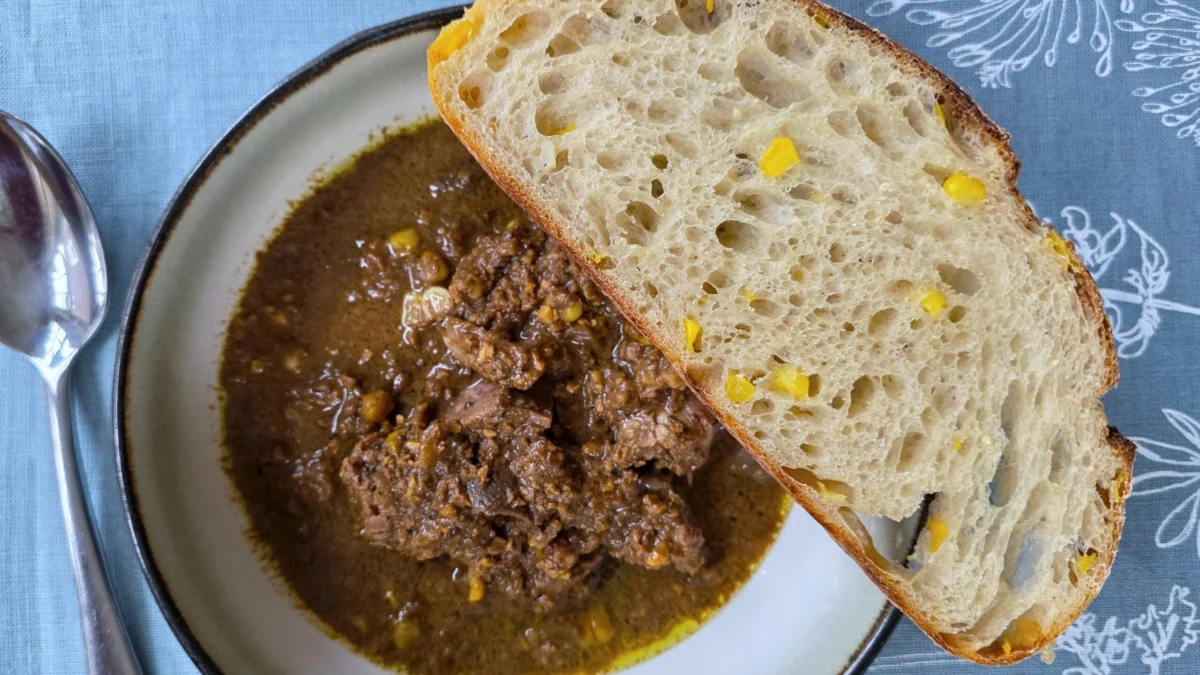
In the ever-evolving world of artisan baking, few ingredients bridge the gap between rustic tradition and modern culinary creativity as effectively as corn. While sourdough enthusiasts have long experimented with ancient grains, spelt, and rye, a new trend is emerging that celebrates the full spectrum of the maize family. By integrating both hearty field corn and succulent sweet corn, bakers are crafting an artisan loaf that offers a complex, multi-layered flavor profile—a “Harvest Corn Sourdough” that captures the waning essence of late summer.
Main Facts: The Science of Dual-Corn Integration
The core innovation of this loaf lies in its "dual-corn" approach. Most standard corn breads rely on a single cornmeal component, which often results in a one-dimensional texture. This method, however, utilizes two distinct corn types to achieve depth:
- The Porridge Foundation: By milling field corn—such as nutrient-dense organic yellow dent or the visually striking, nutty-flavored "bloody butcher" corn—into a porridge, bakers create a hydrating element that keeps the crumb moist for days. Field corn provides the foundational, earthy, and robust corn flavor that is essential for a structured sourdough.
- The Sweet Burst: Integrating whole sweet corn kernels—ideally fresh-harvested or carefully preserved fresh-frozen kernels—provides textural contrast. These kernels act as pockets of natural sugar, creating a sensory experience that shifts from the savory depth of the dough to the bright, vegetal sweetness of the corn.
The result is a bread that acts as a chameleon in the kitchen: it is hearty enough to accompany a savory Persian fesenjan (a stew of walnut and pomegranate molasses), yet sweet and tender enough to be toasted for a breakfast of butter and honey or transformed into an elevated French toast.

Chronology: From Farmstand to Freezer to Fermentation
The development of this recipe follows a seasonal rhythm familiar to those who practice farm-to-table baking.
- Late Summer Acquisition: As the harvest season hits its peak, local farmstands become the primary source for fresh ears. This is the critical window for procurement.
- The Preservation Phase: Experienced bakers emphasize the importance of the blanching process. By boiling the kernels briefly before freezing, they successfully "lock in" the flavor and shut down enzymatic activity that would otherwise degrade the quality of the corn during its months in the freezer.
- The Reimagining: The specific inspiration for this sourdough was born from the intersection of pantry management and culinary exploration. A small bag of last year’s frozen corn, discovered while rotating stock, served as the catalyst. Paired with leftover fesenjan, the corn was used to create a cohesive meal that bridged the gap between traditional sourdough and global flavor profiles.
- The Lamination Process: Roughly one hour after the initial dough mixing, the corn porridge and kernels are introduced. Through a series of strategic stretches and folds, the inclusions are laminated into the dough, ensuring an even distribution of flavor without compromising the structural integrity of the gluten network.
Supporting Data: Why Texture and Quality Matter
When working with corn in bread, quality is not merely a preference; it is a structural requirement. The starch content in field corn differs significantly from the sugar content in sweet corn.
- Enzymatic Stability: The process of scraping the cobs with the back of a knife to harvest "corn milk" is essential. This milky liquid contains concentrated flavor compounds that are lost if the knife is used too aggressively.
- Protein and Hydration: Standard bread flour typically contains roughly 13.5% protein. When introducing corn porridge, the baker must be mindful of the moisture content. Because the porridge is essentially pre-gelatinized starch, it holds a significant amount of water. If a baker uses a flour with lower protein content, they must compensate by reducing the total hydration of the dough to prevent the final product from becoming gummy or overly dense.
- Lamination Technique: Video demonstrations of this process reveal that the dough requires two distinct rounds of stretching and folding after the corn is added. This allows the dough to develop strength around the inclusions, preventing the "tear" that occurs when heavy mix-ins are added to a weak dough.
Official Perspectives and Professional Insights
For the professional baker, this recipe is a masterclass in ingredient versatility. By using white dent corn, as opposed to the more common yellow, the aesthetic of the loaf changes—offering a paler, more subtle crumb that highlights the golden hue of the sweet corn kernels.

"The secret to the perfect crumb isn’t just the fermentation," notes one artisan baker involved in the recipe’s development. "It’s about understanding the synergy between the porridge and the kernel. The porridge provides the ‘corn-ness’ that permeates every bite, while the kernels provide the ‘wow’ factor that makes the bread memorable."
The inclusion of these specific ingredients also speaks to a broader shift in the sourdough community: moving away from plain white loaves toward "inclusion breads" that serve as a complete culinary experience, often replacing the need for complex side dishes.
Implications: The Future of Seasonal Baking
The implications of this recipe for home bakers are significant. It encourages a deeper relationship with the ingredients:

- Sustainability: By utilizing leftover frozen stock and incorporating secondary ingredients like field corn, bakers reduce food waste while simultaneously improving the quality of their loaves.
- Cultural Fusion: The ability to pair a staple like corn sourdough with complex, internationally inspired dishes like fesenjan demonstrates that sourdough is not tied to a single geographic or culinary tradition. It is a canvas.
- Educational Growth: The technical requirements of this recipe—specifically the timing of the lamination and the careful monitoring of flour protein—serve as a gateway for intermediate bakers to sharpen their skills. Mastering the balance of wet inclusions in a fermented dough is a hallmark of an advanced artisan.
As we look toward the future of baking, the "Harvest Corn Sourdough" stands as a testament to the idea that the best bread is not just a combination of flour, water, and salt. It is a reflection of the season, a preservation of the harvest, and a creative marriage of textures. Whether you are using freshly milled grains or the remnants of last year’s freezer stash, this bread invites you to rethink the potential of maize in the artisan kitchen. By taking the time to properly process the corn—from the blanching of the kernels to the careful folding of the porridge—bakers can ensure that every slice is a golden, flavorful celebration of the harvest.

 Evan Lee Salim
