

 Lina Hope
 Iffa Jayyana
 Lina Irawan
 Ammar Sabilarrohman
 Ali Ikhwan
 Evan Lee Salim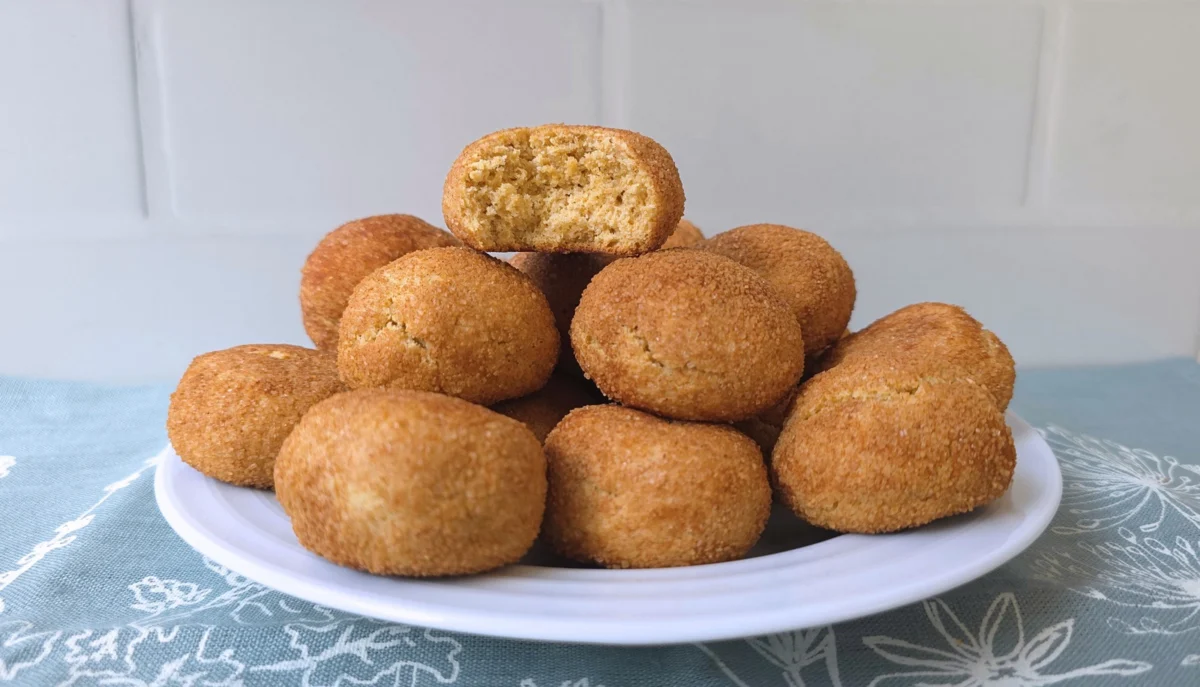
In the world of home baking, the line between a culinary disaster and a breakthrough is often separated by a single ingredient. For one baker, a long-standing quest to adapt a classic snickerdoodle recipe for whole-grain flour resulted in an unexpected metamorphosis: the cookie became a donut. This discovery, born from a simple confusion between baking soda and baking powder, has opened a new door in the application of ancient grains like pima club, white sonora, and soft white wheat.
What began as an attempt to replicate a vintage "Lighter Snickerdoodle" recipe—originally submitted by a user named Warren to Allrecipes prior to 2014—has evolved into a sophisticated experiment in dough chemistry, temperature control, and the nuance of grain-based textures.
The Chronology of a Kitchen Discovery
The journey began with a straightforward goal: swapping traditional all-purpose flour for high-quality, whole-grain soft white wheat flour. The baker, a long-time enthusiast of whole-grain baking, had successfully utilized Warren’s framework for years. However, a recent batch produced results that defied the flat, spreading profile of a standard snickerdoodle.
The Initial Batch
When the first batch emerged from the oven, the cookies were uncharacteristically tall and round. Suspecting a mismeasurement or a lapse in technique, the baker immediately prepared a second batch. The result was identical: tall, pillowy, and structurally closer to a donut hole than a flat cookie.

The Chilling Experiment
Intrigued by the unexpected geometry, the baker shifted from a diagnostic mindset to an experimental one. They tested the impact of chilling the dough for one hour versus overnight. The findings were decisive: the overnight chill yielded a significantly smoother texture and allowed the nutty bran notes of the whole wheat to fully develop, creating a superior crumb.
The "Aha" Moment: The Leavening Revelation
The mystery of the "snickerdonut" was finally solved during the drafting of the recipe documentation. The baker realized that they had inadvertently substituted baking powder for the traditional baking soda. While the original recipe—and almost every snickerdoodle recipe in existence—relies on the chemical reaction of baking soda with acidic cream of tartar, the unintended use of baking powder changed the structural integrity of the bake.
Supporting Data: The Chemistry of the Rise
To understand why this swap fundamentally changed the outcome, one must look at the chemical interactions occurring within the dough.
Baking Soda: The Traditionalist
Baking soda (sodium bicarbonate) is an alkaline powder with a pH typically between 8.3 and 8.5. In a traditional snickerdoodle, it reacts with the acidic cream of tartar. This reaction generates carbon dioxide bubbles rapidly, causing the cookie to expand and eventually collapse into its signature flat, chewy shape. This process is essential for the classic "crinkled" top and dense, spread-out aesthetic.

Baking Powder: The Structural Pivot
Baking powder is a more complex leavening agent. It contains baking soda, one or more acid salts (which act as "fast" or "slow" acting agents), and a stabilizer, usually cornstarch. Because baking powder is pH-neutral, it does not rely solely on the cream of tartar to activate. When used in this recipe, it provided a sustained, upward lift rather than the explosive-then-collapsing reaction of baking soda. This resulted in a "loftier" treat with a distinct, mild tang—a profile that the baker’s family immediately embraced.
Implications for Whole Grain Baking
The success of the "snickerdonut" serves as a case study in how ancient grains interact with different leavening agents. Soft white wheat, known for its lower protein content and delicate, nutty flavor, behaves differently than conventional white flour.
Texture and Flavor Development
The use of whole grains in this recipe adds a complex nuttiness that pairs exceptionally well with the light cinnamon-sugar coating. By chilling the dough overnight, the baker allowed the bran particles to hydrate fully, which minimized the potential for a "gritty" mouthfeel often associated with whole wheat. The result was a sophisticated, nutrient-dense treat that managed to bridge the gap between a rustic cookie and a refined donut hole.
Recipe Versatility: The "Snickerdoodle" Conversion
While the donut-hole version became a family favorite, the baker provided clear instructions for those seeking the traditional flat cookie:

- Leavening Swap: Return to the traditional baking soda to allow for the characteristic expansion and collapse.
- Hydration Management: Reduce the total flour content by 40–60 grams. Because whole wheat is highly absorbent, this reduction compensates for the lack of the "loft" provided by the baking powder.
- Handling: Due to the lower flour content, the dough becomes significantly wetter. The baker advises keeping the dough chilled throughout the rolling process and using lightly oiled hands to manage stickiness.
Implications for Home Bakers
This experiment highlights a fundamental truth in baking: recipe frameworks are not necessarily rigid sets of rules, but rather starting points for exploration. The "snickerdonut" phenomenon suggests that by manipulating leavening agents and chilling times, bakers can significantly alter the physical architecture of their goods without sacrificing the underlying flavor profile.
For those looking to replicate the snickerdonut, the process is efficient, requiring only eight minutes in the oven. It is a testament to the fact that when using high-quality ingredients like Pima Club or White Sonora wheat, the best results often come from letting the grain express its natural qualities—even if that expression is slightly different than what the original recipe intended.
The Verdict on "Snickerdonuts"
The reception has been universally positive. The baker’s son, who took a batch to his college move-in, confirmed that these treats have the mass appeal of a donut shop classic with the artisanal quality of a home-baked good. As the culinary world continues to lean toward whole-grain alternatives, the snickerdonut stands as a prime example of how traditional flavors can be reimagined for the modern, health-conscious kitchen.
Whether one prefers the flat, chewy, traditional cookie or the airy, tangy, modern donut hole, this recipe proves that the secret is often found in the chemistry of the pantry. By documenting these deviations, the baker has not only preserved a family favorite but has provided a roadmap for future bakers to experiment with the delicate balance of rise, acidity, and grain structure.

Final Technical Notes
For readers attempting this at home, the photo gallery provided by the baker serves as an essential visual aid. The "cracked top" appearance—a hallmark of a good snickerdoodle—is preserved in both the donut and cookie versions, confirming that the structural integrity of the bake remains consistent regardless of the leavening agent. The key, as the baker emphasizes, remains the patience to chill the dough, allowing the natural sugars and fats to stabilize before the heat of the oven sets the final form.

 Nana Wu
 Jia Lissa
