

 Azzam Bilal Chamdy
 Neng Nana
 Nana Muazin
 Dwi Wanna
 Raul Delapena Setiawan
 Asep Darmawan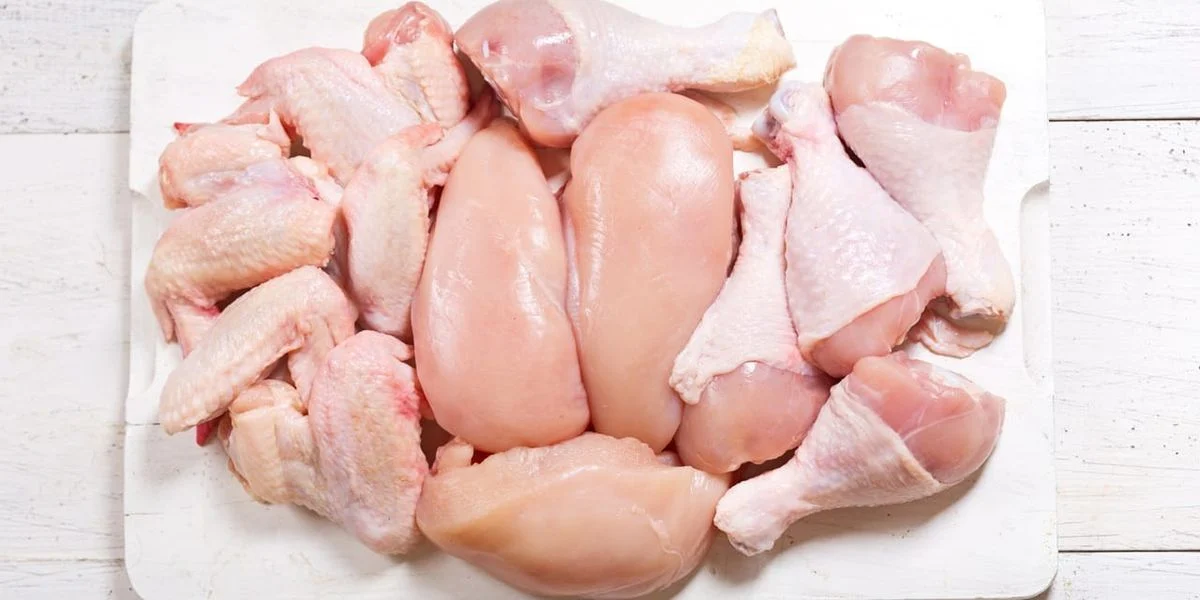
October 9, 2026 – In a significant development for global food safety, researchers have unveiled a non-invasive, chemical-free method that could fundamentally alter how the poultry industry manages one of its most persistent microbial threats: Campylobacter.
A collaborative study led by scientists at the University of Reading and the UK’s Animal and Plant Health Agency (APHA) has demonstrated that violet-blue photodynamic inactivation (VB-PDI) is capable of neutralizing 64 distinct strains of Campylobacter. This breakthrough, which requires neither physical contact with the meat nor the application of chemical disinfectants, offers a potential paradigm shift in the battle against foodborne gastroenteritis.
The Challenge: A Persistent Pathogen
Campylobacter remains the leading cause of bacterial gastroenteritis worldwide, representing a massive burden on public health systems. In the United Kingdom alone, the years 2024 and 2025 saw a combined total of 70,000 laboratory-confirmed cases. These numbers, while significant, likely represent only a fraction of actual infections, as many mild cases go unreported.
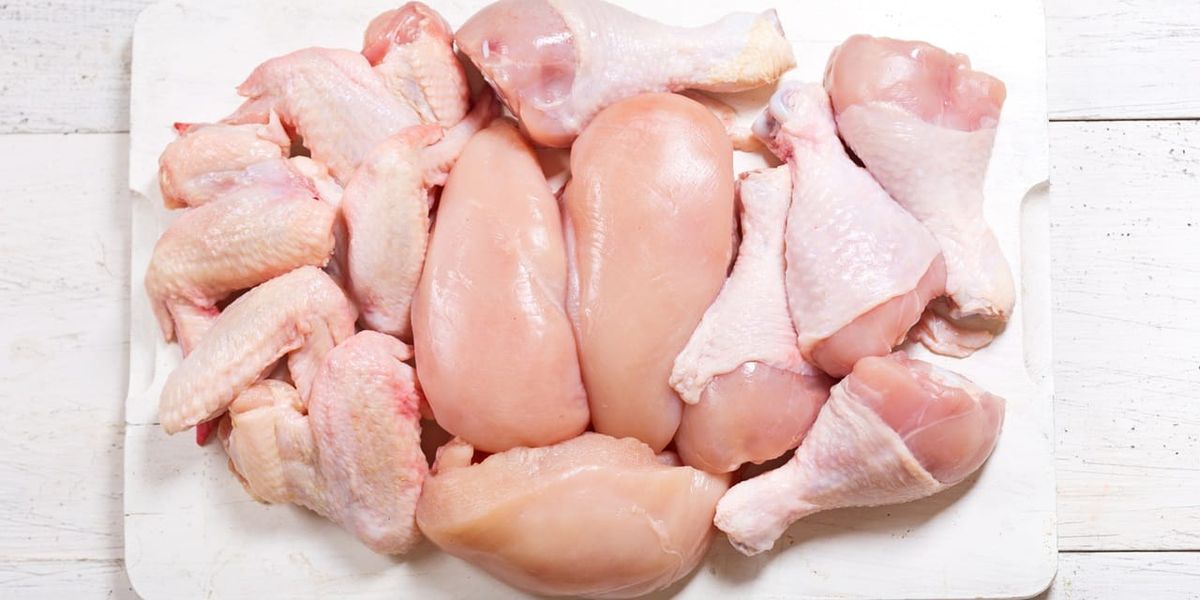
The bacteria thrive in the intestinal tracts of poultry, often colonizing chicken carcasses during the processing phase. While the pathogen is easily destroyed by thorough cooking, the real danger lies in the kitchen environment. Cross-contamination—where raw chicken juices transfer to surfaces, utensils, or hands—remains the primary vector for human infection. Even minimal exposure can lead to severe gastrointestinal illness, and in rare cases, complications such as Guillain-Barré syndrome.
Historically, the food industry has relied on chemical washes—such as chlorine or organic acids—to mitigate these risks. However, these methods are increasingly scrutinized for their impact on meat quality, consumer perception, and potential environmental side effects. The promise of a light-based, "dry" intervention that leaves no chemical residue has long been a "holy grail" for food safety researchers.
The Science of VB-PDI: How It Works
The technique, violet-blue photodynamic inactivation (VB-PDI), operates on a relatively simple yet highly effective principle. It utilizes specific wavelengths of light within the violet-blue spectrum to trigger a reaction within the bacteria.
When the light hits the Campylobacter cells, it excites naturally occurring molecules within the bacteria, leading to the production of reactive oxygen species (ROS). These molecules act like microscopic "bullets," damaging the bacterial cell walls and vital internal structures, effectively neutralizing the pathogen.
Key Strengths of the Technique:
- Non-Contact: Because the process relies on light projection, there is no mechanical stress or physical degradation of the food product.
- Chemical-Free: By eschewing harsh sanitizers, processors can maintain the "clean label" status of their poultry, appealing to health-conscious consumers.
- Universal Efficacy: Perhaps the most striking finding in the University of Reading study was that the treatment was 100% effective across all 64 tested strains. Crucially, the treatment showed no preference for species, nor was it hampered by antibiotic resistance. This suggests that even "superbug" strains of Campylobacter are vulnerable to this light-based assault.
Chronology of Research and Development
The path to this discovery has been marked by years of incremental progress in photobiology and food science.
- 2021–2022: Initial laboratory-scale testing began, exploring the sensitivity of various foodborne pathogens to light exposure. Researchers focused on identifying the optimal "kill" wavelength for Campylobacter.
- 2023: Proof-of-concept trials confirmed that photodynamic inactivation could be achieved on solid surfaces. However, scaling the technology to account for the irregular, textured surface of poultry skin remained a technical challenge.
- 2024: The University of Reading and APHA formalized their partnership to conduct a comprehensive study on a wider array of clinical and environmental isolates of Campylobacter.
- 2025: Extensive testing confirmed that the light treatment did not adversely affect the sensory attributes of the meat, such as texture or color, during standard exposure times.
- October 2026: Findings are published, highlighting the universal success against 64 strains, prompting discussions on potential industrial pilot programs.
Supporting Data and Technical Considerations
The study’s data suggests that the intensity and duration of the light exposure are the primary variables in efficacy. While the research team successfully neutralized the bacteria in controlled environments, they emphasize that the "geometry" of the chicken carcass—its nooks, crannies, and skin folds—presents a logistical challenge for the light to reach every surface.
Furthermore, the study addressed concerns regarding the "antibiotic resistance profile." With the global rise in antimicrobial resistance (AMR), finding a mechanism that kills bacteria regardless of their resistance to traditional drugs is a major win. The VB-PDI method bypasses the bacteria’s biological defense mechanisms (such as efflux pumps or enzyme production) that usually render antibiotics ineffective.
Official Responses and Industry Outlook
The research has been met with cautious optimism from the scientific community.
"This represents a significant leap forward in food processing technology," said a lead researcher associated with the study. "However, the transition from a laboratory bench to a high-speed poultry processing line is a monumental task. We must ensure that the light intensity remains consistent across millions of units without slowing down production."
Industry analysts have noted that the adoption of such technology would require significant capital investment. Poultry processors, who operate on thin margins, will need to see clear evidence of cost-effectiveness—perhaps in the form of reduced waste, extended shelf life, or lowered insurance premiums due to improved safety profiles—before committing to a full-scale roll-out.
Public health advocates, meanwhile, have praised the focus on non-chemical alternatives. "Anything that reduces the chemical load on our food supply while simultaneously increasing the safety of that food is a win for the consumer," stated a representative from a food safety watchdog group.
Implications for the Future of Food Safety
The implications of this research extend far beyond chicken. If VB-PDI can be optimized for Campylobacter in poultry, it could theoretically be adapted for other pathogens, such as Salmonella or E. coli, on various produce items or other meat products.
The Path Forward
For this technology to reach the dinner table, several hurdles remain:
- Scaling and Automation: Engineering systems that can effectively "bathe" poultry carcasses in the required light intensity while they move along a conveyor belt at high speeds.
- Regulatory Approval: While the process uses light, it constitutes a new food processing technique. Regulatory bodies like the UK’s Food Standards Agency (FSA) and the US FDA will need to evaluate the safety and long-term implications of the light-treated food.
- Consumer Perception: While the technology is "cleaner," public education will be required to ensure that consumers understand that "light-treated" is a safe, effective, and superior alternative to chemical washing.
As we look toward 2027 and beyond, the collaboration between the University of Reading and the APHA serves as a beacon of progress. By looking to the power of the light spectrum rather than the power of chemical additives, we may be entering an era where the most common foodborne illnesses are not just managed, but systematically prevented at the source.
About Food Safety News
Food Safety News is a nonprofit, reader-funded publication dedicated to providing independent, evidence-based reporting on the critical issues affecting our food supply. From major international outbreaks to the nuances of regulatory policy, we provide the information necessary for public health, industry professionals, and consumers to stay informed.
Your Support Protects Public Health
Our work is made possible by the generosity of our readers. As an independent, nonprofit organization, we do not answer to corporate sponsors or special interest groups. Your TAX-FREE donation ensures that we can continue to investigate, report, and hold the industry accountable, keeping our food system safer for everyone. Please consider donating today to help us sustain this vital mission.


