

 Azzam Bilal Chamdy
 Neng Nana
 Nana Muazin
 Dwi Wanna
 Raul Delapena Setiawan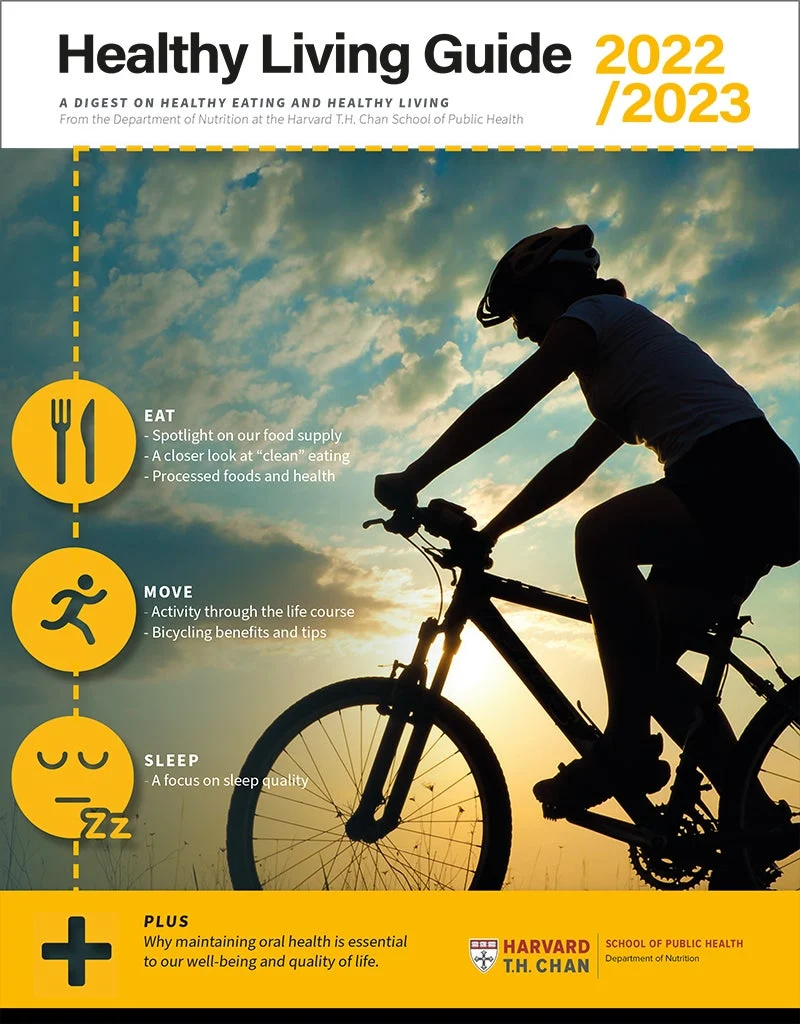
The year 2022 marked a watershed moment in the American public health landscape. After decades of policy stagnation, the federal government returned its focus to the nexus of hunger, nutrition, and disease prevention. The White House Conference on Hunger, Nutrition, and Health—the first of its kind since 1969—sought to mobilize a national strategy to eradicate hunger and significantly reduce the burden of diet-related diseases by 2030.
As we navigate the implications of this initiative, the Harvard T.H. Chan School of Public Health has released its latest Healthy Living Guide. This resource serves as both a reflection on the past year’s policy shifts and a practical roadmap for individuals striving to optimize their well-being in an era of complex food systems.
The Core Mandate: Ending Hunger and Improving Health
At the heart of the 2022 White House strategy is an ambitious goal: to end hunger and increase healthy eating and physical activity across the United States within the next seven years. The policy framework centers on five foundational pillars:
- Improving Food Access and Affordability: Expanding federal assistance programs to ensure that socioeconomic status does not dictate nutritional health.
- Integrating Nutrition and Health: Exploring the role of "food as medicine," including the potential coverage of medically tailored meals under Medicare.
- Empowering Consumers: Enhancing food labeling and public education to facilitate informed dietary choices.
- Supporting Physical Activity: Investing in infrastructure that promotes active lifestyles for all age groups.
- Enhancing Nutrition and Food Security Research: Closing data gaps to better understand the systemic drivers of malnutrition and obesity.
These goals are not merely aspirational; they represent a necessary response to a country where diet-related chronic conditions—such as Type 2 diabetes, hypertension, and heart disease—have become the leading drivers of healthcare costs and mortality.
A Chronology of Policy Evolution
To understand the significance of the 2022 conference, one must look at the timeline of American nutrition policy.
- 1969: The original White House Conference on Food, Nutrition, and Health occurred during the Nixon administration. It led to the creation of landmark programs, including the Special Supplemental Nutrition Program for Women, Infants, and Children (WIC) and significant expansions to the food stamp program (now SNAP).
- 1970–2021: While various dietary guidelines were updated periodically, the focus shifted toward individual responsibility, often ignoring the environmental, systemic, and economic barriers that prevent equitable access to healthy food.
- September 2022: The Biden-Harris administration convenes the second national conference. It serves as a catalyst for a "National Strategy" document that outlines actionable steps for federal agencies.
- Late 2022–Early 2023: Implementation phase begins, marked by discussions regarding the expansion of school meal programs and the integration of nutrition screening into clinical healthcare settings.
- 2023 and Beyond: The focus shifts to long-term sustainability, addressing the intersection of climate change, agricultural policy, and public health outcomes.
Supporting Data: The Cost of Inaction
The urgency behind these policy shifts is backed by stark statistical realities. According to data provided by the Harvard Department of Nutrition, the correlation between food insecurity and chronic disease is profound.
- Prevalence of Diet-Related Disease: Over 40% of American adults are classified as obese, a condition intrinsically linked to the consumption of ultra-processed foods that are often cheaper and more accessible than fresh, nutrient-dense alternatives.
- The Climate Connection: Current industrial food systems contribute significantly to greenhouse gas emissions. Research suggests that transitioning to more plant-forward diets could reduce the environmental footprint of the average diet by up to 30%, while simultaneously lowering the risk of cardiovascular disease.
- Economic Impact: The cost of managing diet-related diseases accounts for billions of dollars in Medicare and Medicaid spending annually. The "food as medicine" approach, which utilizes medically tailored meals for patients with chronic conditions, has shown in pilot studies to reduce hospital readmission rates by as much as 50%.
Official Responses and Critical Analysis
While the federal strategy has been largely welcomed by the medical community, it has not been without its critics. Experts from the Harvard T.H. Chan School of Public Health, including Drs. Frank Hu, Walter Willett, and Lilian Cheung, have provided a nuanced assessment of the proposal.
The "Omissions" in the Strategy
In their analysis, the Harvard experts noted that while the White House plan is a step in the right direction, it suffers from critical omissions:
- Marketing to Children: The strategy fails to implement rigorous federal protections against the predatory marketing of high-sugar and ultra-processed foods to children.
- Systemic Agricultural Reform: The plan lacks a robust framework for transforming the food system in response to climate change. Without addressing soil health, biodiversity, and sustainable agricultural subsidies, long-term food security remains vulnerable to environmental instability.
- Industry Accountability: Experts argue that the burden of health cannot be placed solely on the consumer. "To have a significant impact," the team wrote, "the administration must bring together the public and private sectors, along with philanthropists, academia, and individuals to develop truly sustainable food systems that support both public and planetary health."
Implications for the Future: A Holistic Approach
The implications of the 2022 conference extend far beyond Washington D.C. They suggest a fundamental shift in how the government views the "right to food."
The Individual’s Role
Despite the need for systemic change, the Harvard Healthy Living Guide emphasizes that individual agency remains a powerful tool. Small, consistent changes in daily habits—such as increasing plant-based intake, reducing sugary beverages, and maintaining consistent physical activity—accumulate over time to significantly lower the risk of disease.
The Role of Institutions
Moving forward, the success of the national strategy will depend on the ability of local institutions—schools, hospitals, and community centers—to operationalize these federal goals. This includes:
- Integrating Nutrition into Medical Education: Ensuring that physicians are trained to prescribe diet as a primary intervention.
- Sustainable Sourcing: Encouraging institutions to source food from local, sustainable farms to support regional economies and reduce carbon footprints.
- Digital Literacy: Providing consumers with the tools to navigate a food environment saturated with conflicting nutrition information.
Conclusion: Bridging the Gap
As we look toward 2030, the path forward requires a dual-pronged approach. On the policy level, we must advocate for a food system that prioritizes health over corporate profit, ensuring that nutritious food is not a luxury for the few, but a standard for the many. On the personal level, we must remain diligent, using evidenced-based resources like the Healthy Living Guide to make informed decisions for ourselves and our families.
The Healthy Living Guide for 2023 serves as a vital reminder that while policy change is slow and often imperfect, the pursuit of health is a daily practice. Whether through downloading printable tip sheets or engaging with the comprehensive online resources provided by the Harvard School of Public Health, every citizen has the power to contribute to a healthier, more sustainable future.
The journey toward a nation free from hunger and chronic disease is long, but as the events of the past year have shown, we have finally begun to walk in the right direction.
Resources for Further Learning:
- Download the full Healthy Living Guide (PDF): [Link provided in original documentation]
- Access the 2021-2022 archived edition for deeper insights into foundational nutrition.
- Review the White House National Strategy on Hunger, Nutrition, and Health documentation for a granular look at federal goals.
Disclaimer: This article is intended for educational purposes and does not constitute medical advice. Consult with a healthcare provider for personalized nutrition and wellness strategies.


 Nila Kartika Wati
 Iffa Jayyana
