

 Azzam Bilal Chamdy
 Neng Nana
 Nana Muazin
 Dwi Wanna
 Raul Delapena Setiawan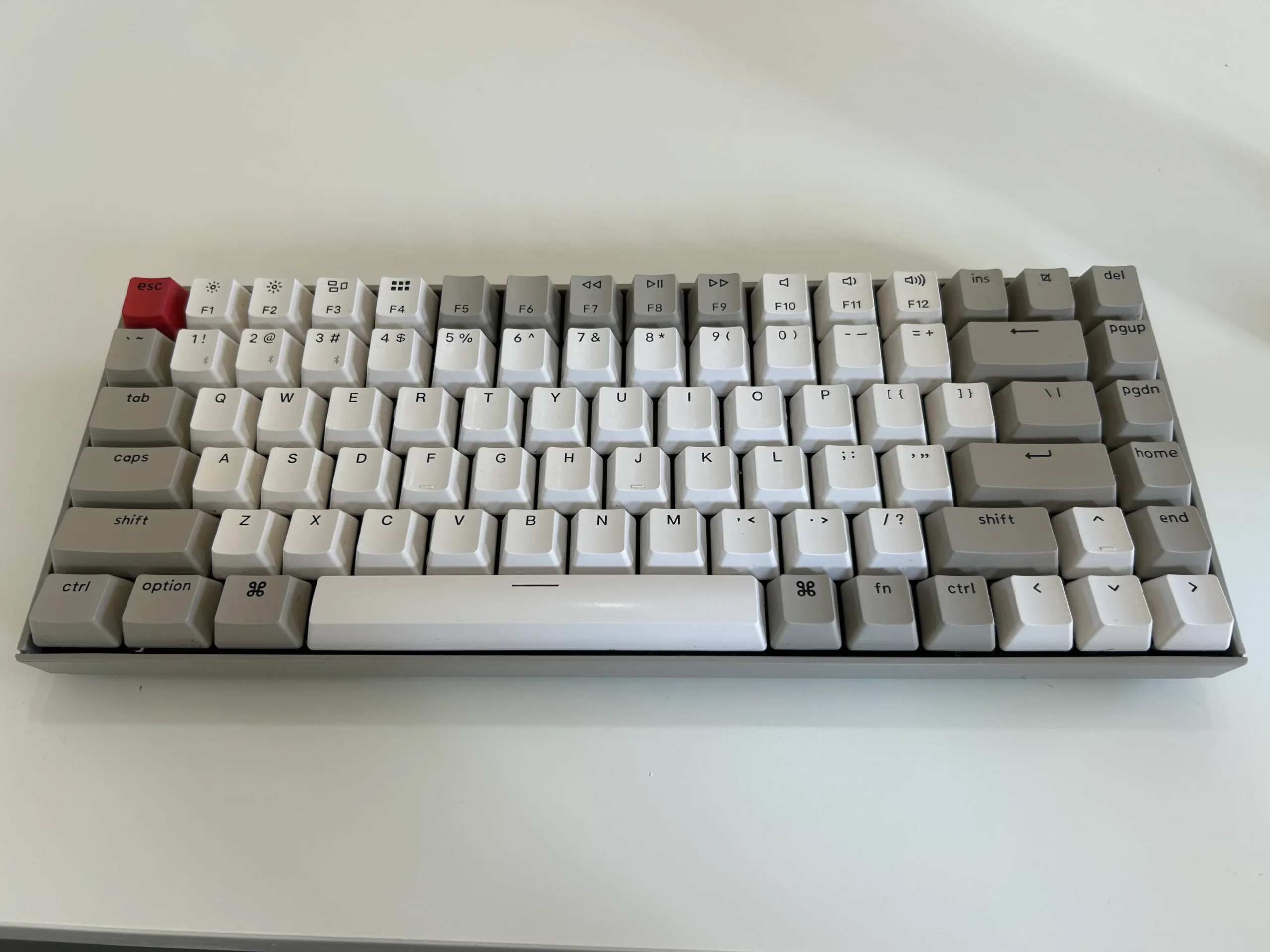
For the modern knowledge worker, the keyboard is more than just a peripheral; it is the primary interface between the mind and the digital realm. Yet, for years, the industry leaned toward the "chiclet" style—flat, membrane-based keys that prioritize thinness over comfort. In recent years, a quiet revolution has taken place. The mechanical keyboard, once relegated to the desks of software engineers and retro-enthusiasts, has reclaimed its place as a cornerstone of the professional workspace. At the heart of this shift is Keychron, a brand that has transformed the niche hobby of "thocky" switches and custom aesthetics into a mainstream phenomenon.
The Evolution of Typing: From Membrane to Mechanical
The mechanical keyboard is, to many, a beautiful thing. While a standard membrane keyboard is perfectly functional, a well-engineered mechanical deck transforms the inherently tedious act of data entry into a rhythmic, aesthetically pleasing experience.
My journey into this world began two years ago with the Keychron K2. Like many, I was skeptical of the hype. However, after weeks of long hours at a desk, the physical satisfaction of a mechanical switch became a necessity. The difference is tactile: each keypress offers a distinct "bump" or "click," providing sensory feedback that membrane keyboards simply cannot replicate. For those who spend eight or more hours a day typing, this feedback reduces fatigue and turns the mundane into the meditative.
A Chronology of Success: The Keychron Trajectory
To understand the current mechanical keyboard landscape, one must look at the rise of Keychron. The company’s story is a quintessential modern tech narrative. Launched via Kickstarter in 2017, Keychron entered a market dominated by either overpriced "gaming" brands or obscure, difficult-to-source enthusiast parts.
By focusing on accessibility, Keychron bridged the gap. They offered high-quality, hot-swappable boards that arrived in a box ready for use, rather than requiring the soldering and assembly that defined the early days of the mechanical keyboard community.
- 2017: Keychron launches its initial crowdfunding campaign, signaling a demand for high-quality, wireless mechanical boards.
- 2019-2020: The brand gains significant traction as the shift to remote work increases the demand for home office upgrades.
- 2021-2023: The company expands its portfolio, introducing the premium "Q" series, the entry-level "V" series, and specialized peripherals, including mouse models.
- 2024: Keychron pushes into advanced gaming tech, such as the C0 HE One-Handed keyboard, signaling a move toward performance-critical hardware.
The Anatomy of the Appeal: Why Simplicity Wins
Unlike many modern electronics that require complex software suites, constant firmware updates, and bloated drivers, the mechanical keyboard remains refreshingly simple. The appeal is in the hardware itself.
When you unbox a standard Keychron model, the setup is nearly instantaneous. Most come with integrated tilt legs to provide an ergonomic typing angle, and the transition from a flat laptop keyboard to a mechanical one is usually seamless. The connectivity options are equally straightforward. While many purists prefer a wired USB-C connection for zero latency, the inclusion of Bluetooth allows for a clean, minimalist desk setup—a major selling point for those who prioritize aesthetic harmony in their workspace.
Diversification and the Premium Segment
While the classic K2 remains a gold standard for entry-level mechanical keyboards, the market has matured. Keychron’s current lineup demonstrates a strategic segmentation of the market.
At one end of the spectrum, you have the entry-level boards priced around $60, which provide the essential mechanical experience. At the other, you find the K8 HE Wireless Magnetic Switch keyboard. With its all-wood chassis and cutting-edge magnetic switches, this unit retails for roughly $200. It is a testament to how far the hobby has come; users are now willing to pay for materials like walnut and aerospace-grade aluminum, moving the keyboard from a piece of office equipment to a piece of office furniture.
For the gaming demographic, the brand has introduced products like the C0 HE One-Handed 8K Keyboard. These devices focus on speed and industrial design, catering to users who want a competitive edge without the bulk of a full-sized board. However, the sell-out status of these niche products highlights a recurring theme in the industry: supply often struggles to keep pace with the growing, passionate demand.
The Subculture of Customization: Beyond the Box
One of the most fascinating aspects of owning a mechanical keyboard is the secondary market. The "keycap" industry has exploded, with enthusiasts spending hundreds of dollars on custom-molded plastic or resin caps to personalize their boards.
This versatility is a major driver of the mechanical keyboard’s longevity. If a user grows tired of the aesthetic, they don’t need to buy a new keyboard; they simply swap the caps. This has given rise to a vibrant community of creators who design and manufacture bespoke keycap sets, turning the keyboard into a canvas for individual expression. Whether you prefer the austere look of a terminal-inspired beige or the vibrant neon of modern gaming, there is a set of keys for every personality.
The Auditory Experience: The "Thock" Factor
Perhaps the most controversial, yet beloved, aspect of mechanical keyboards is the sound. To the uninitiated, the "clack" can be perceived as noise. To the enthusiast, it is a symphony. The distinct auditory feedback—often described as "thocky" or "creamy"—has become so sought after that it has spawned a massive sub-genre of ASMR content on platforms like YouTube.
This sound isn’t just about entertainment; it serves a psychological purpose. It confirms the keystroke, creating a rhythm that can help a writer or programmer enter a "flow state." In an increasingly silent, touch-screen-dominated world, the mechanical keyboard provides a grounding, physical presence.
Implications for the Future of the Home Office
The rise of Keychron and its peers signals a broader trend in consumer technology: the "Return to Analog-Style" experiences. Just as vinyl records have seen a resurgence, the mechanical keyboard is winning back users who are tired of the ephemeral, unresponsive nature of touch interfaces.
The nostalgia factor cannot be overstated. There is a profound comfort in hardware that feels "workman-like"—reminiscent of the 1990s era of computing where devices were built to last, to be heard, and to be felt. As we move into an age of AI-generated text and increasingly automated workflows, the physical act of typing becomes the only part of the process we truly "own."
For the home office, investing in a mechanical keyboard is a statement of intent. It says that you value the tools of your trade, that you prioritize your physical comfort, and that you appreciate the intersection of form and function. Whether you are a professional writer, a developer, or simply someone who spends their life at a desk, a mechanical keyboard is an upgrade that pays dividends in daily satisfaction.
Ultimately, the keyboard is the primary tool of the digital age. By choosing one that is well-built, aesthetically pleasing, and tactilely rewarding, you aren’t just buying a peripheral—you are reclaiming the humanity in your daily work.
Disclaimer: When you purchase through links in our articles, we may earn a small commission. This does not affect our editorial independence. Lucas Ropek is a senior writer at TechCrunch, covering artificial intelligence, consumer tech, and startups.


 Laily UPN
 Rifan Muazin
