

 Azzam Bilal Chamdy
 Neng Nana
 Nana Muazin
 Dwi Wanna
 Raul Delapena Setiawan
 Pevita Pearce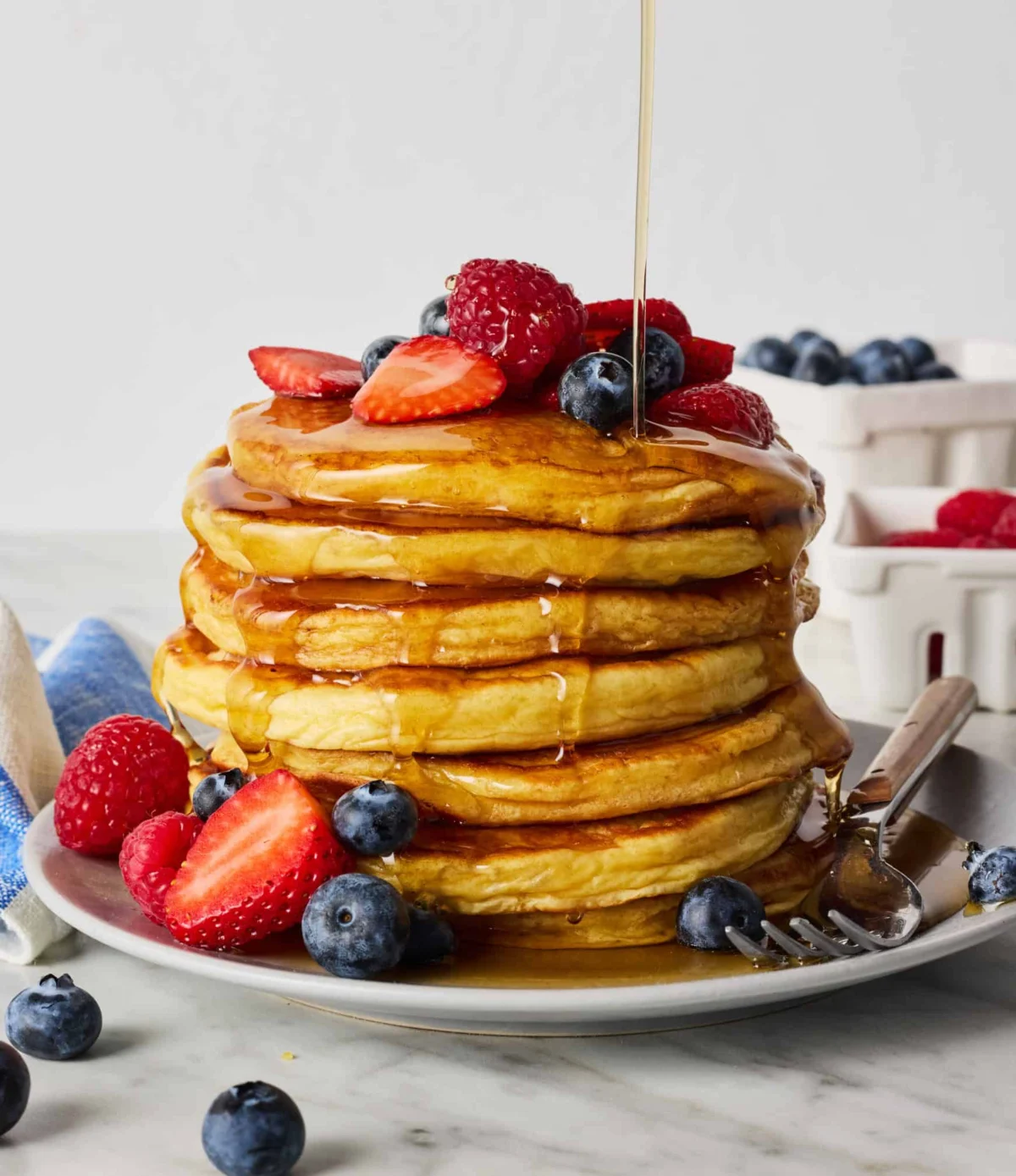
In the evolving landscape of modern nutrition, the humble pancake has undergone a radical transformation. Once dismissed as a sugary, carb-heavy indulgence relegated to slow Sunday mornings, the pancake is being reclaimed by health-conscious home cooks and fitness enthusiasts alike. The catalyst for this culinary evolution? Cottage cheese.
While the concept of adding cheese to a sweet breakfast dish might sound counterintuitive to the uninitiated, the data—and the flavor profiles—tell a compelling story. By blending high-quality cottage cheese into a standard batter, home cooks are achieving a light, airy texture that mimics the fluffiest diner-style flapjacks, all while packing a significant protein punch.
Main Facts: The Nutritional Powerhouse
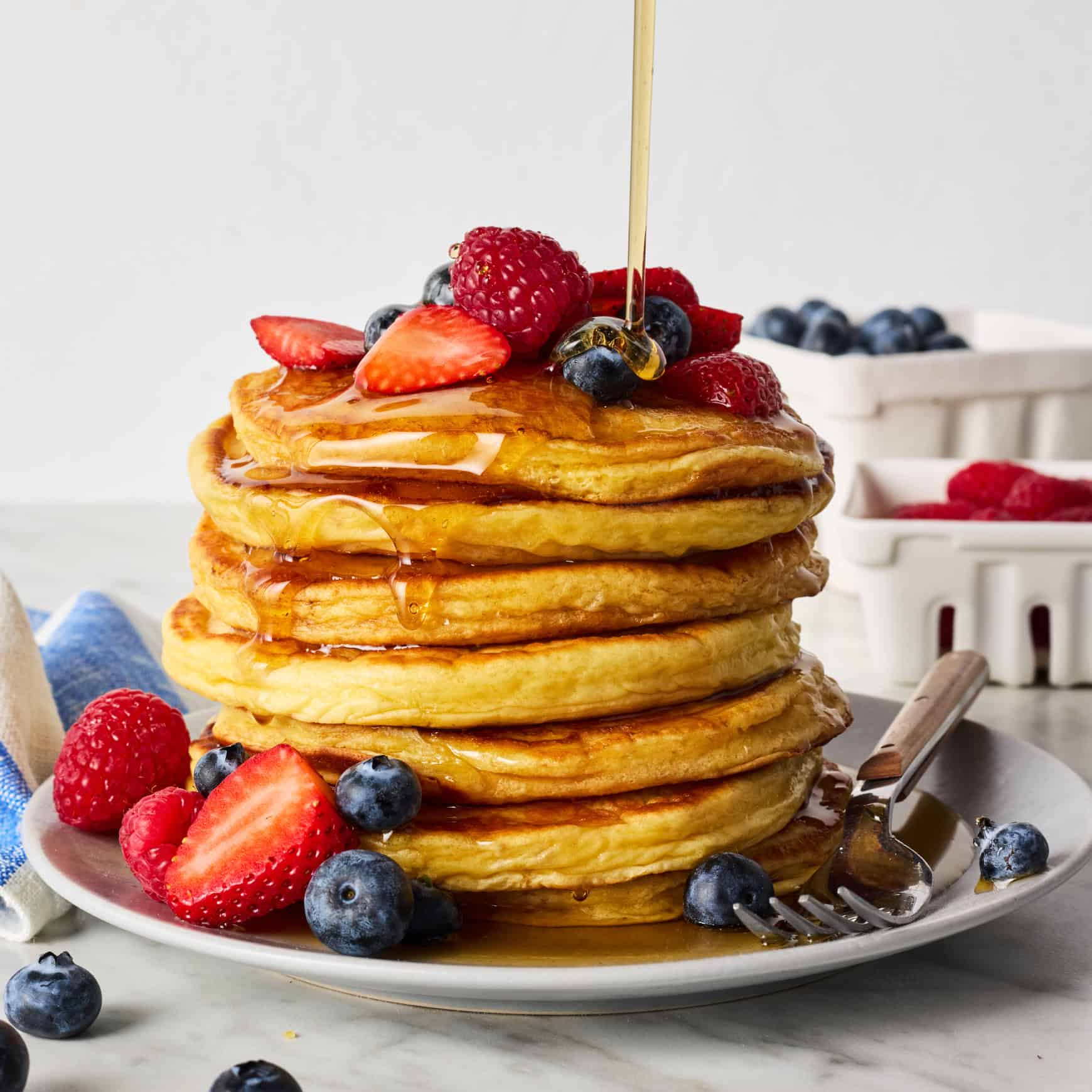
At its core, the cottage cheese pancake is a masterclass in culinary chemistry. Each individual pancake provides 7 grams of protein, a figure that significantly elevates it above traditional flour-based iterations.
The mechanism behind this is straightforward: cottage cheese is an excellent source of casein and whey protein. When integrated into a pancake batter, it acts as a structural foundation. Unlike ricotta, which provides a denser, creamier finish, blended cottage cheese creates a light, aerated structure that holds its form under heat.
Key nutritional highlights per serving include:
- Protein Content: 7 grams per pancake.
- Caloric Profile: Approximately 152 calories per serving, making it an ideal candidate for caloric-controlled diets.
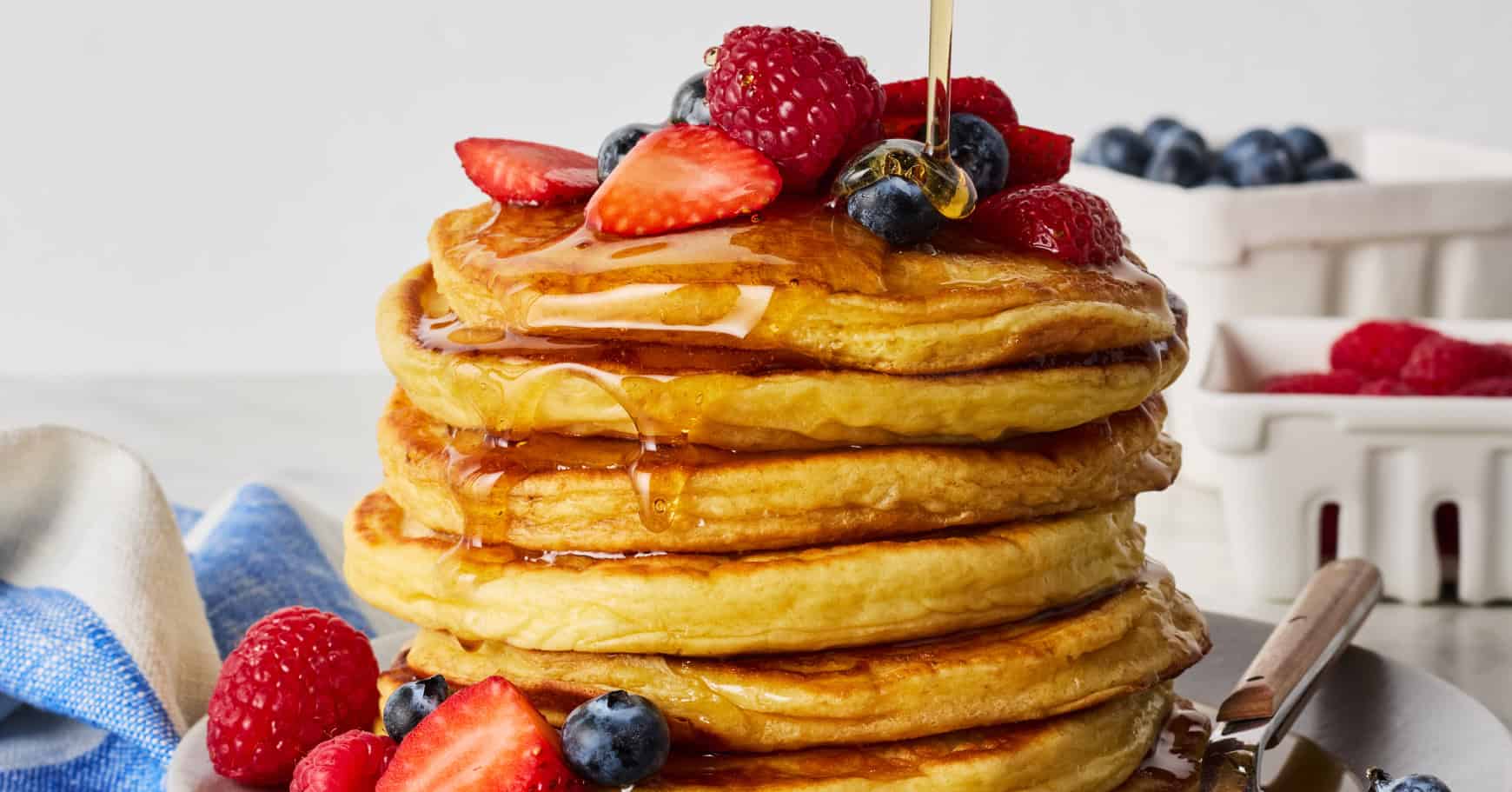
- Texture: A signature fluffy, moist crumb that avoids the "rubbery" texture often associated with high-protein protein powders.
- Flavor Profile: The natural tang of the cheese is neutralized by the addition of vanilla and leavening agents, resulting in a balanced, sweet breakfast experience.
Chronology: From Experimental Kitchens to Mainstream Staples
The journey of the cottage cheese pancake from a niche "fitness hack" to a household staple has been marked by experimentation and refinement.
The Early Resistance
For years, the use of cottage cheese in sweet applications was met with skepticism. Many culinary enthusiasts, influenced by early, unsuccessful experiments with "cottage cheese cookie dough" and other low-carb trends of the mid-2010s, viewed the ingredient as too savory or grainy for dessert-style profiles. The texture, if not properly processed, was often cited as the primary deterrent.
The "Blender Revolution"
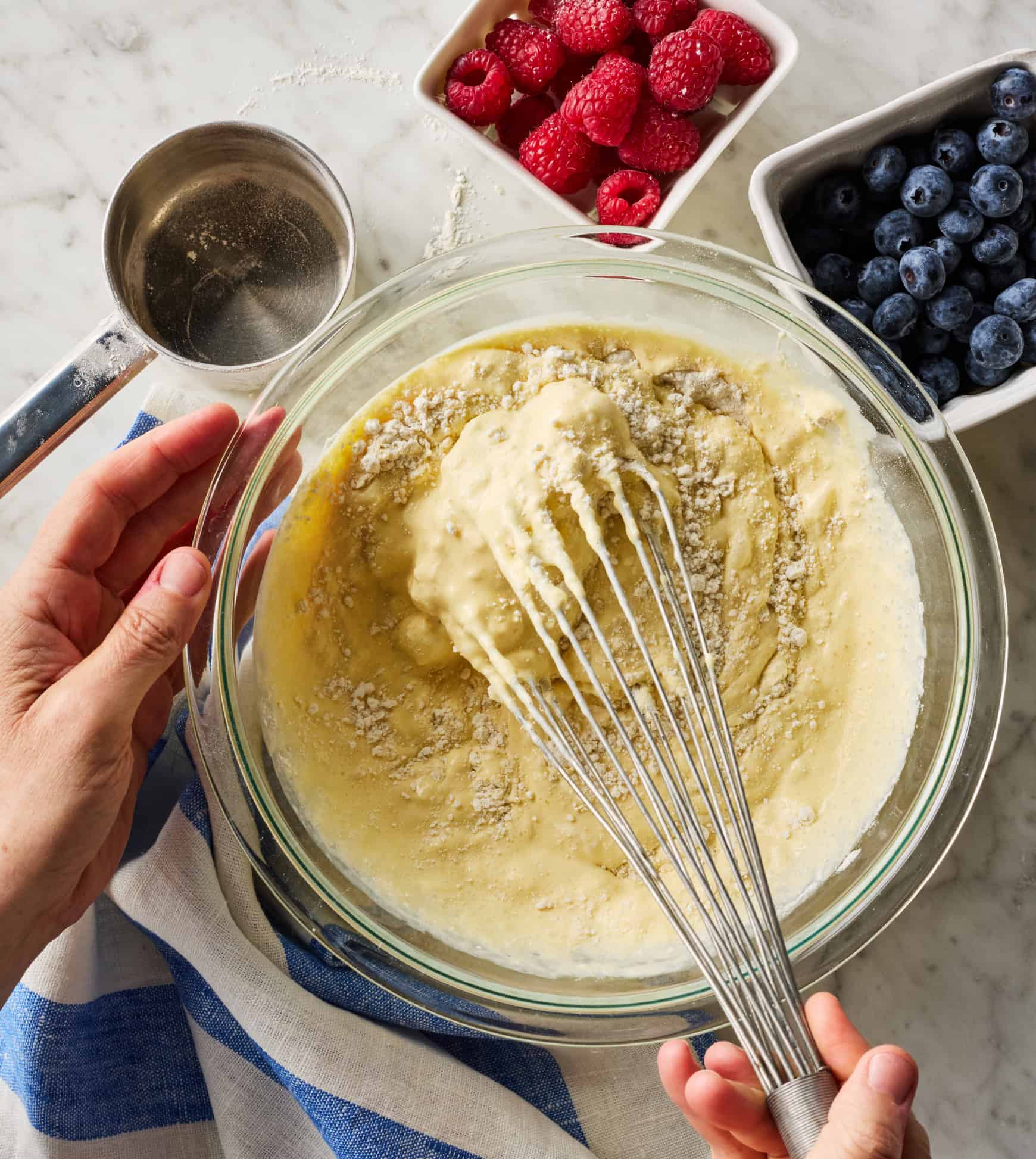
The turning point for the dish occurred with the widespread adoption of high-speed blending technology in home kitchens. Once home chefs realized that blending the cottage cheese with wet ingredients—rather than folding it in—effectively eliminated the graininess, the barrier to entry collapsed. By emulsifying the curd, the cheese disappears entirely, leaving behind only the structural benefits.
The Modern Standard
Today, the recipe has solidified into a standardized process. By 2026, the inclusion of cottage cheese in pancake recipes has transitioned from an experimental "protein hack" to a refined culinary technique frequently featured in professional food journalism and lifestyle publications.
Supporting Data: Why It Works
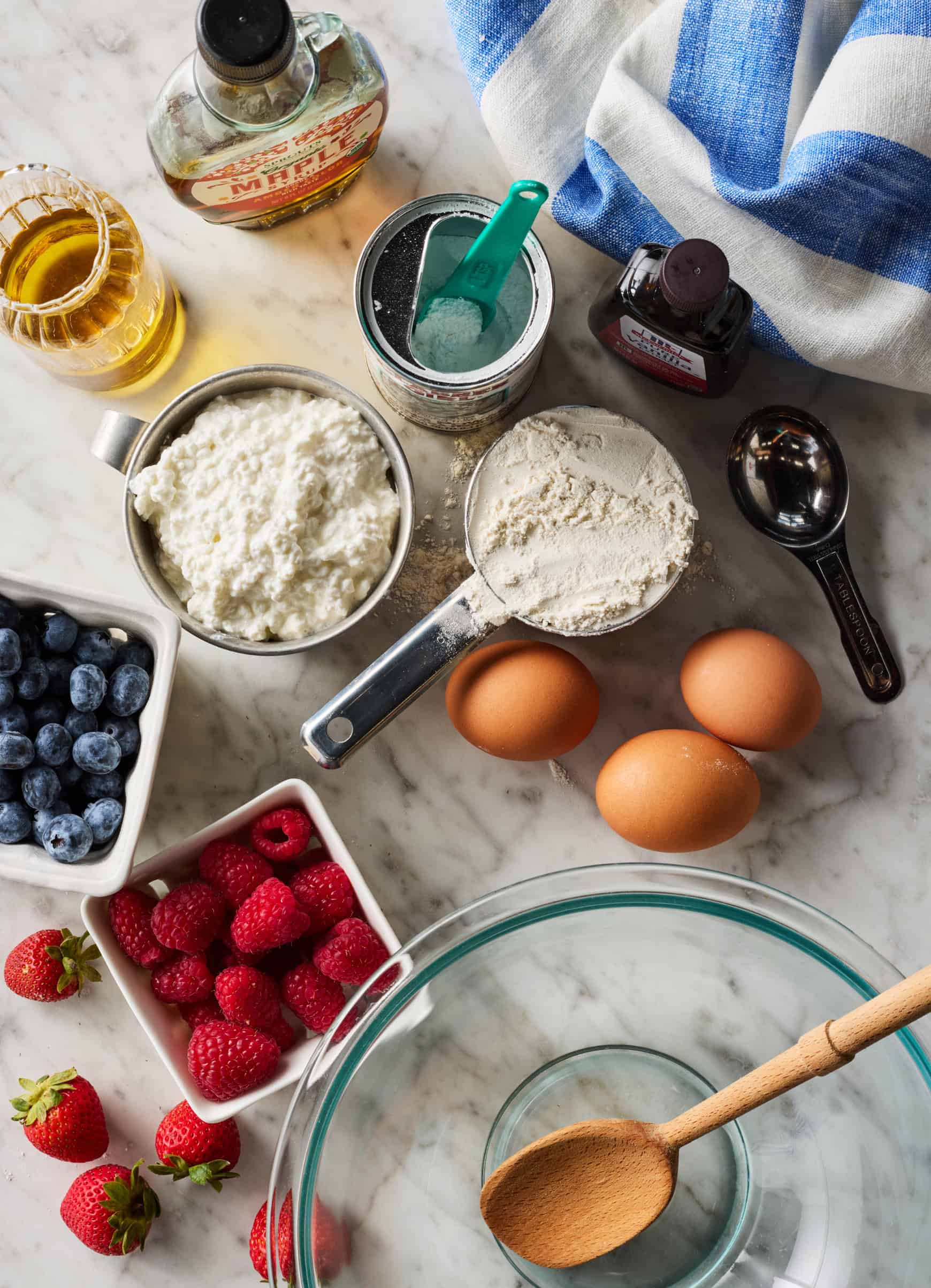
The efficacy of this recipe lies in its simplicity. Most iterations require fewer than ten base ingredients, focusing on high-quality pantry staples.
The Role of Protein
Protein is a satiating macronutrient. By shifting the breakfast profile from simple carbohydrates (found in standard flour-heavy pancakes) to a protein-rich batter, consumers report longer periods of satiety and reduced blood-sugar spikes. According to current dietary guidelines, incorporating protein early in the day is essential for metabolic health, making these pancakes a strategic choice for active individuals.
Culinary Composition
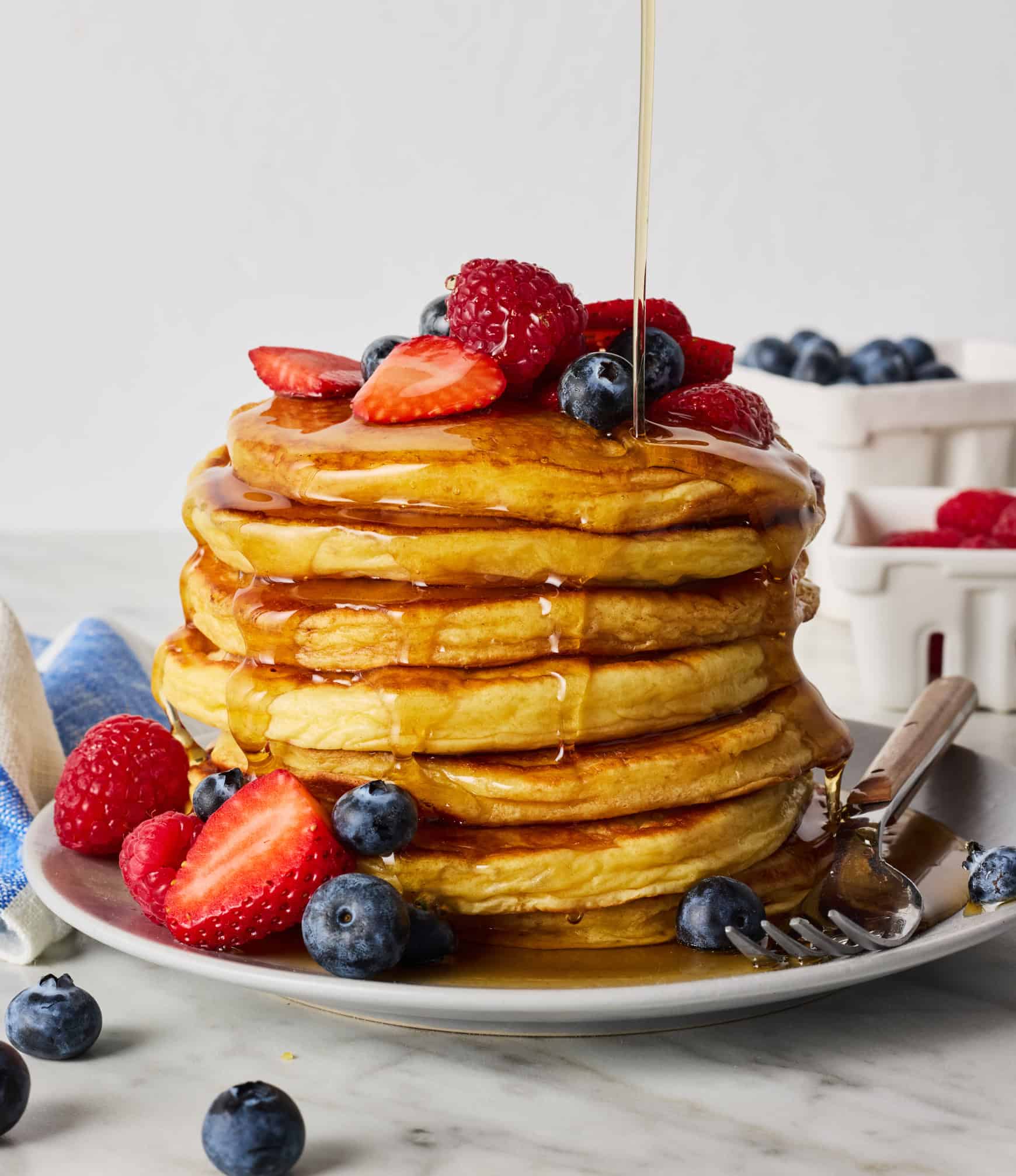
The secret to the fluffiness is the interaction between the eggs and the cottage cheese. When whipped or blended, the proteins in the egg and the cheese form a stable matrix that traps air bubbles. When exposed to the heat of a griddle, these bubbles expand, creating the iconic "puffy" aesthetic that diners expect from a premium pancake.
Official Responses and Culinary Expert Opinions
While the medical community remains neutral on individual recipes, nutritionists have lauded the shift toward "fortified" breakfasts.
"The goal for most people is to increase protein intake without feeling like they are drinking a chalky supplement shake," says one nutritional analyst. "Taking a comfort food—like a pancake—and naturally increasing its protein content through whole-food dairy sources is a sustainable way to change eating habits. You aren’t ‘cheating’ your diet; you are optimizing your breakfast."
Professional chefs who have experimented with the trend suggest that the key to success is in the moisture content. "Because cottage cheese adds a high level of moisture, you cannot treat the batter the same way you would a traditional buttermilk mix," notes a culinary consultant. "It requires a lower heat setting to ensure the center cooks through without burning the exterior, given the higher sugar-to-protein ratio."
Implications for the Breakfast Industry
The popularity of these pancakes has significant implications for how we view breakfast.
Shift Toward "Functional" Foods
The success of this recipe signals a broader shift in consumer behavior. Consumers are no longer content with "empty" calories; they are actively seeking out functional foods that serve a dual purpose—pleasure and performance. This is driving a change in the grocery aisle, where cottage cheese is increasingly marketed not just as a savory topping for salads, but as a versatile cooking base.
Ease of Adoption
Unlike complex keto recipes that require expensive almond or coconut flours, cottage cheese pancakes are accessible. With a total prep and cook time of roughly 30 minutes, they fit the demanding schedule of the modern working professional. This convenience factor is perhaps the most significant indicator of the dish’s longevity.
The Sustainability of the Trend
As we look toward the future of home cooking, the "blended ingredient" trend is likely to expand. If cottage cheese can successfully mimic the texture of a high-carb pancake, what other staples can be reimagined? The culinary world is currently in a phase of deconstructing traditional recipes to find better nutritional value, and the cottage cheese pancake stands as the gold standard for this movement.
Best Practices for Success
For those looking to adopt this breakfast staple, consistency is key. Based on current culinary guidelines:
- Blending is Non-Negotiable: Ensure the batter is completely smooth before cooking. Any visible curds will negatively impact the mouthfeel.
- Temperature Control: Use a medium-low heat. Because of the protein content, these pancakes can brown faster than traditional versions.
- Storage: These pancakes are remarkably resilient. They can be refrigerated for two days or frozen for up to three months. To reheat, a 30-second blast in the microwave is typically sufficient, making them a perfect candidate for "meal prepping."
Conclusion
The cottage cheese pancake is more than a fleeting internet trend; it is a fundamental improvement on a classic dish. By leveraging the biological properties of dairy proteins, home cooks have managed to create a breakfast that satisfies the palate while supporting metabolic health. Whether topped with fresh seasonal berries, a light dusting of cinnamon, or a traditional drizzle of maple syrup, these pancakes represent the ideal intersection of modern nutritional science and timeless culinary comfort.
As more households adopt this recipe, the stigma surrounding cottage cheese as a "diet food" is fading. It is now recognized for what it truly is: a versatile, powerhouse ingredient that has earned its permanent place on the breakfast table. If you haven’t yet tried the "power pancake," the data suggests that it is time to turn on the blender and see what the hype is all about.


 Basiran
 Jia Lissa
