Azzam Bilal Chamdy
 Neng Nana
 Nana Muazin
 Dwi Wanna
 Raul Delapena Setiawan
 Evan Lee Salim
In the quiet, sun-drenched gardens of Stellenbosch in 1925, Professor Abraham Perold—a visionary chemist and viticulturist—conducted a botanical experiment that would forever alter the landscape of South African wine. By cross-breeding the elegant, temperamental Pinot Noir with the robust, heat-loving Cinsault (known locally as Hermitage), Perold sought to marry the finesse of the former with the resilience of the latter. He could scarcely have imagined that his humble nursery of four seeds would eventually give rise to South Africa’s undisputed signature red grape: Pinotage.
Today, Pinotage stands as a testament to persistence. Spanning over 6,000 hectares across the Cape, it has evolved from a misunderstood "ugly duckling" into a sophisticated, internationally acclaimed variety. Its journey has been characterized by dramatic near-extinction, decades of viticultural exile, and a triumphant resurgence driven by a new generation of winemakers committed to precision and quality.
The Chronology of a Cape Icon
The history of Pinotage is a narrative of serendipity, struggle, and eventual triumph.
The Accidental Discovery (1925–1940)
Perold’s original goal was pragmatic: create a grape variety that could flourish in the warm, Mediterranean climate of the Cape while retaining the complexity of French noble grapes. However, after the initial cross-pollination, the seedlings were nearly lost to history. In 1928, upon Perold’s departure to the KWV cooperative in Paarl, the experimental vines were left untended in a neglected garden.
It was only by pure chance that a young lecturer, Charlie Niehaus, spotted the overgrown, forgotten plants during a cleanup operation. Recognizing their potential, he rescued them, allowing Perold’s successor, CJ Theron, to graft the vines onto hardy rootstock. By the early 1930s, the potential was clear. The name "Pinotage" was coined by combining the parentage—Pinot (Noir) and Hermitage (Cinsault).
The First Vintage and Commercialization (1941–1960)
The first wine produced from these vines was crafted by CT de Waal at Elsenburg Agricultural College in 1941. The results were promising enough to encourage commercial planting. By 1943, the first commercial vineyard was established at Myrtle Grove, near Sir Lowry’s Pass. It was not until 1961, however, that the world saw the first bottle explicitly labeled "Pinotage" under the prestigious Lanzerac label, marking the formal arrival of the grape on the commercial stage.
The Wilderness Years (1970–1990)
Following its initial splash, the 1970s and 80s were difficult decades. As South Africa faced increasing isolation due to the apartheid regime, its wine industry struggled to keep pace with global quality standards. During this period, inconsistent viticultural practices and poor winemaking led to a reputation for harsh, volatile profiles—often derisively described by critics as having notes of "burnt rubber" or "paint." For many international consumers, Pinotage became a symbol of low-quality, rustic wine.
The Renaissance (1995–Present)
The turning point arrived in 1995 with the founding of the Pinotage Association. This group of dedicated producers set out to redeem the grape’s reputation through rigorous quality control and technical innovation. Under the guidance of champions like Kanonkop’s Beyers Truter, the industry began to embrace lower yields, improved canopy management, and more sophisticated oak aging. This shift in philosophy transformed the wine, focusing on elegance, depth, and the specific terroir-driven nuances of the Cape.
Supporting Data: The Modern Pinotage Profile
Modern winemaking has successfully tamed the volatility of the past. Today’s Pinotage is characterized by a unique, rich profile that often features dark berry fruits, black plum, and a distinct, savory "braai smoke" quality.
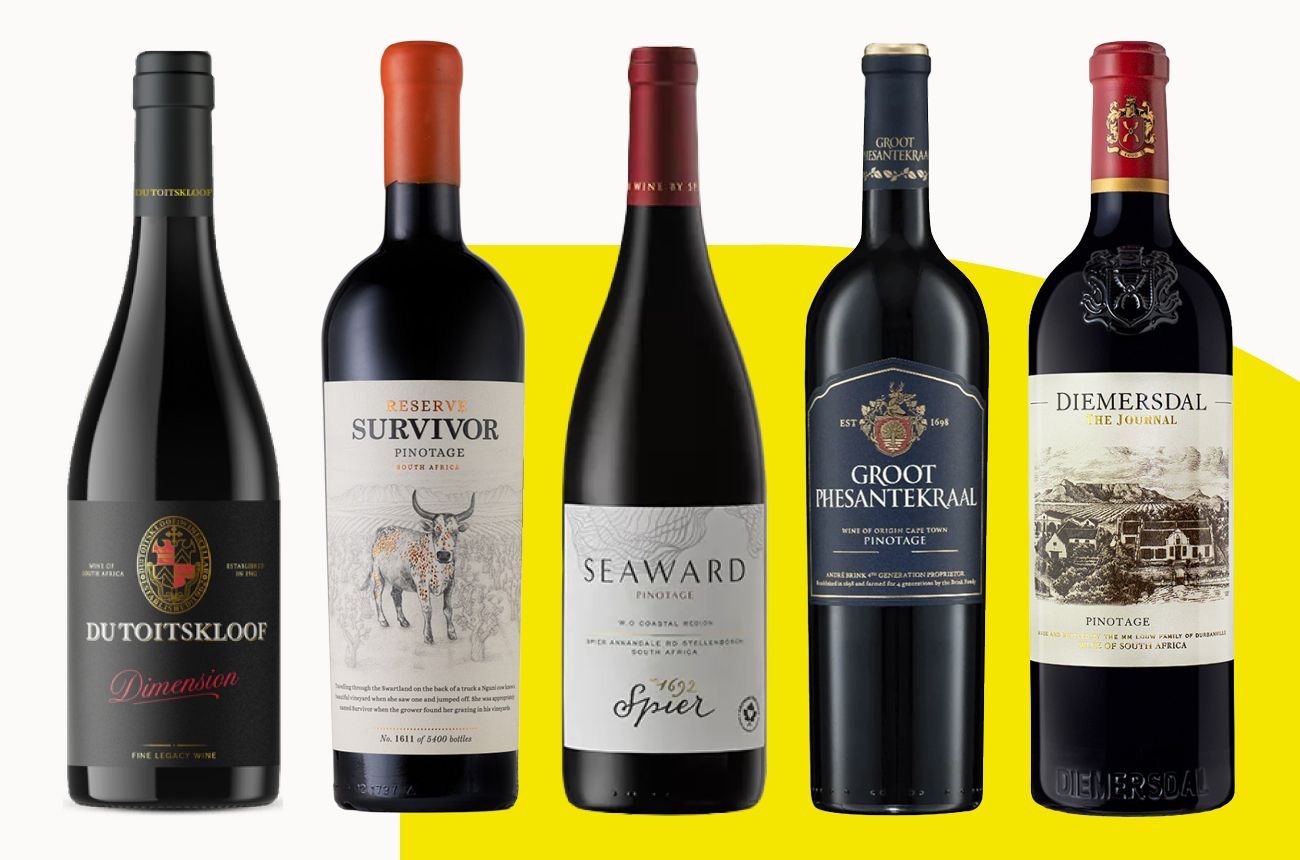
The success of the movement is evidenced by consistent performance at the Decanter World Wine Awards (DWWA). Recent years have seen Pinotage entries from regions like Swartland, Durbanville, and Stellenbosch consistently earning Platinum and Gold medals. These award-winning wines demonstrate a remarkable ability to age, with complex layers of mocha, dark chocolate, and spice, supported by fine, structured tannins.
Key Characteristics of Contemporary Pinotage
- Fruit Profile: Ripe blackberry, blackcurrant, and mulberry.
- Secondary Aromas: Mocha, toasted oak, and "braai" spice (smoke/char).
- Texture: Velvety tannins with an elegant, lingering finish.
- Ageability: The best examples, particularly those from old bush vines, show excellent maturation potential over 10 to 15 years.
Official Responses and Industry Sentiment
The Pinotage Association remains the primary steward of the grape’s identity. By establishing "International Pinotage Day"—held annually on the second Saturday of October—they have created a global platform for the variety.
"The goal of the Association is not just to sell wine, but to educate," says a representative of the industry body. "We have moved past the era of trying to force Pinotage to be something it isn’t. We now embrace its bold, uniquely South African character. When you drink a modern Pinotage, you are tasting the history of our soil and the evolution of our craft."
The industry has also seen a rise in "Cape Blends," where Pinotage is used as a foundational element alongside Cabernet Sauvignon and Merlot. This allows producers to leverage the power of Pinotage while adding the structural familiarity of Bordeaux-style grapes, providing an accessible entry point for global consumers.
Implications: The Global Expansion
Pinotage is no longer solely a South African endeavor. As climate change forces viticulturists worldwide to look for more heat-tolerant varieties, Pinotage has emerged as an attractive candidate. Small but significant plantings have surfaced in regions ranging from California and Virginia in the United States to New Zealand, Zimbabwe, Brazil, and Israel.
Why the World is Taking Notice:
- Climate Resilience: Pinotage is naturally hardy, making it a sustainable choice for warming climates.
- Cultural Authenticity: In an era of mass-produced, standardized wine, the unique, bold profile of Pinotage offers a distinct point of difference.
- Versatility: From the approachable, mocha-forward "coffee" styles favored by casual drinkers to the deep, complex, and age-worthy selections from old bush vines, the grape offers a diverse range of expressions.
The Ritual of the Braai
The decision to place International Pinotage Day in mid-October is no coincidence. In South Africa, October marks the arrival of spring, a time when the weather invites outdoor gatherings and the tradition of the braai (barbecue). The smoky, rich, and spice-driven nature of a well-made Pinotage pairs perfectly with flame-grilled meats, creating a quintessential cultural experience.
For the Northern Hemisphere, the timing is equally fortuitous, as the cooling autumnal nights call for heartier, more comforting red wines. This global synchronicity has helped cement the grape’s status as a celebratory variety.
Conclusion: A Grape That Refused to Fade
The story of Pinotage is a testament to the resilience of both the vine and the people who tend it. It was a grape born from a scientific dream, nearly discarded by history, and ultimately refined by the stubborn dedication of those who believed in its potential.
From its humble, accidental beginnings in a Stellenbosch garden to its current status as a globally recognized variety, Pinotage has earned its place on the world’s wine lists. As it continues to branch out into new soils across the globe, it carries with it the identity of the Cape: bold, uncompromising, and deeply connected to the fire and earth that forged it. For wine enthusiasts, the message is clear: the era of the "ugly duckling" is long over. The age of the Pinotage has arrived.


 Layla Zulfa