

 Azzam Bilal Chamdy
 Neng Nana
 Nana Muazin
 Dwi Wanna
 Raul Delapena Setiawan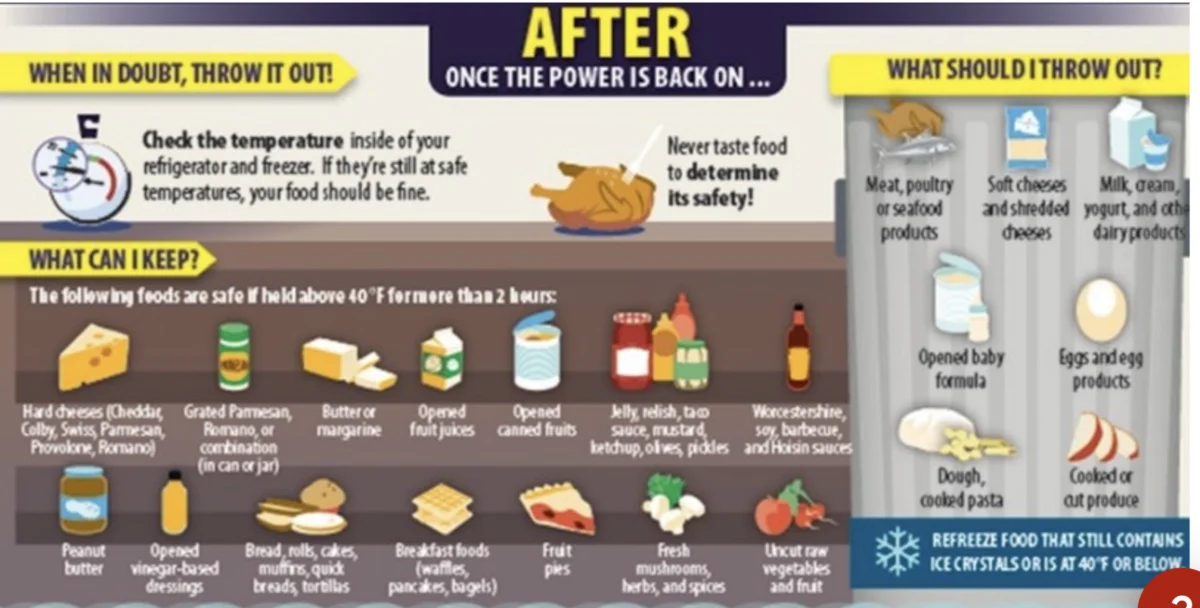
Published: October 09, 2026 | By The News Desk
When a hurricane strikes, the immediate dangers—high winds, structural damage, and storm surges—are only the first phase of the crisis. As the floodwaters recede and the grid slowly recovers, a silent, persistent threat remains: the contamination of your food and water supply. Prolonged power outages and exposure to floodwater can rapidly turn a kitchen into a breeding ground for pathogens, putting households at significant risk of foodborne illness.
Ensuring food safety in the wake of a natural disaster is not merely a matter of convenience; it is a critical public health necessity. Following strict protocols for evaluating, handling, and discarding food and utensils can prevent severe illness when resources are already stretched thin.
The Core Risks: Why Food Safety Matters After a Disaster
The primary threats to food safety following a hurricane are twofold: the loss of refrigeration due to power outages and the pervasive contamination caused by floodwaters.
1. The Power Outage Dilemma
Refrigerators and freezers rely on a constant flow of electricity to maintain temperatures that inhibit bacterial growth. When the power goes out, the "danger zone"—temperatures between 40°F and 140°F—becomes an incubator for dangerous bacteria such as Salmonella, E. coli, and Listeria.
According to federal guidelines, a closed refrigerator will keep food cold for approximately four hours. A full freezer will maintain its temperature for about 48 hours (or 24 hours if half-full). Once these thresholds are crossed, the risk of foodborne illness increases exponentially.
2. The Threat of Floodwater
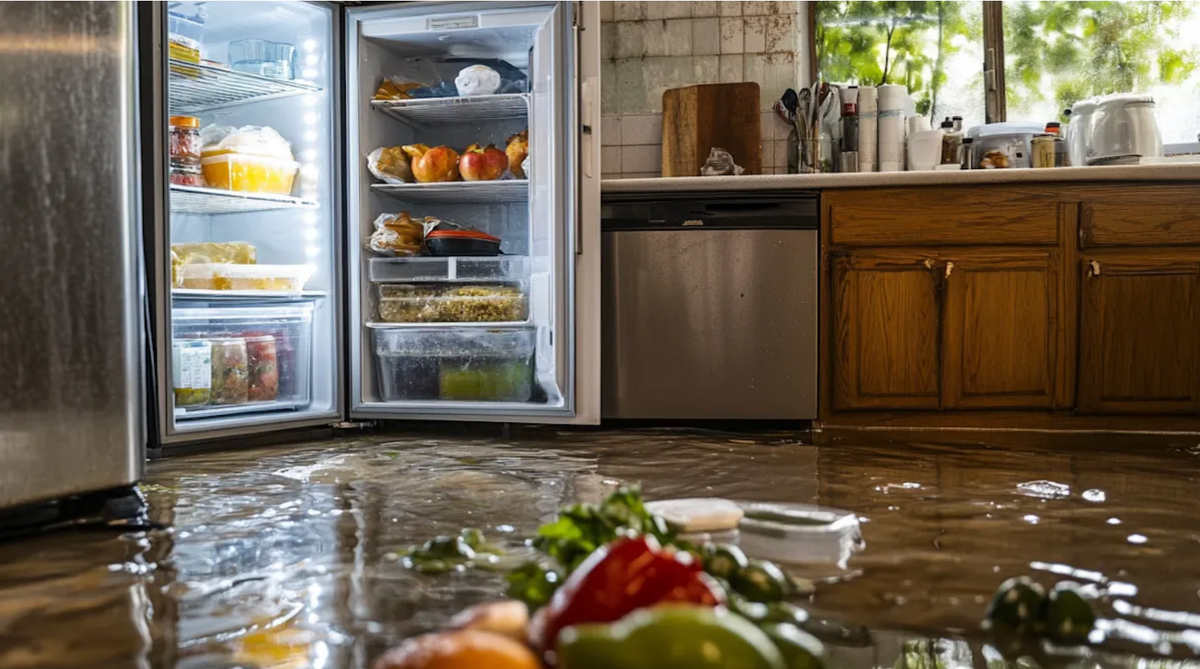
Floodwaters are rarely just water; they are a toxic cocktail of sewage, agricultural runoff, industrial chemicals, and debris. If floodwater touches your food supply, it is almost impossible to sanitize. Even items in sealed containers may be compromised if the seals have been submerged or if the packaging is porous.
Chronology of Safety: What to Do and When
Managing food safety during a disaster requires a structured, time-sensitive approach. Use this timeline to navigate the days following a storm.
Phase 1: The Immediate Aftermath (0–4 Hours)
- Keep Doors Closed: Resist the urge to check the fridge. Every time the door opens, cold air escapes, shortening the window of safety.
- Monitor the Freezer: If you have advance notice of a storm, freeze containers of water to create blocks of ice. This can help maintain freezer temperatures longer.
- Prioritize Perishables: If it becomes clear that power will not be restored quickly, eat your most perishable items first (e.g., dairy, deli meats, leftovers).
Phase 2: The 24-Hour Threshold
- Evaluate Contents: Once the power has been out for 24 hours, move highly perishable items to a cooler packed with ice.
- Assess Exposure: If your kitchen was flooded, assume any food that came into contact with water is contaminated. Do not attempt to "wash" these items; the risk of bacterial cross-contamination is too high.
Phase 3: The 48-Hour Assessment
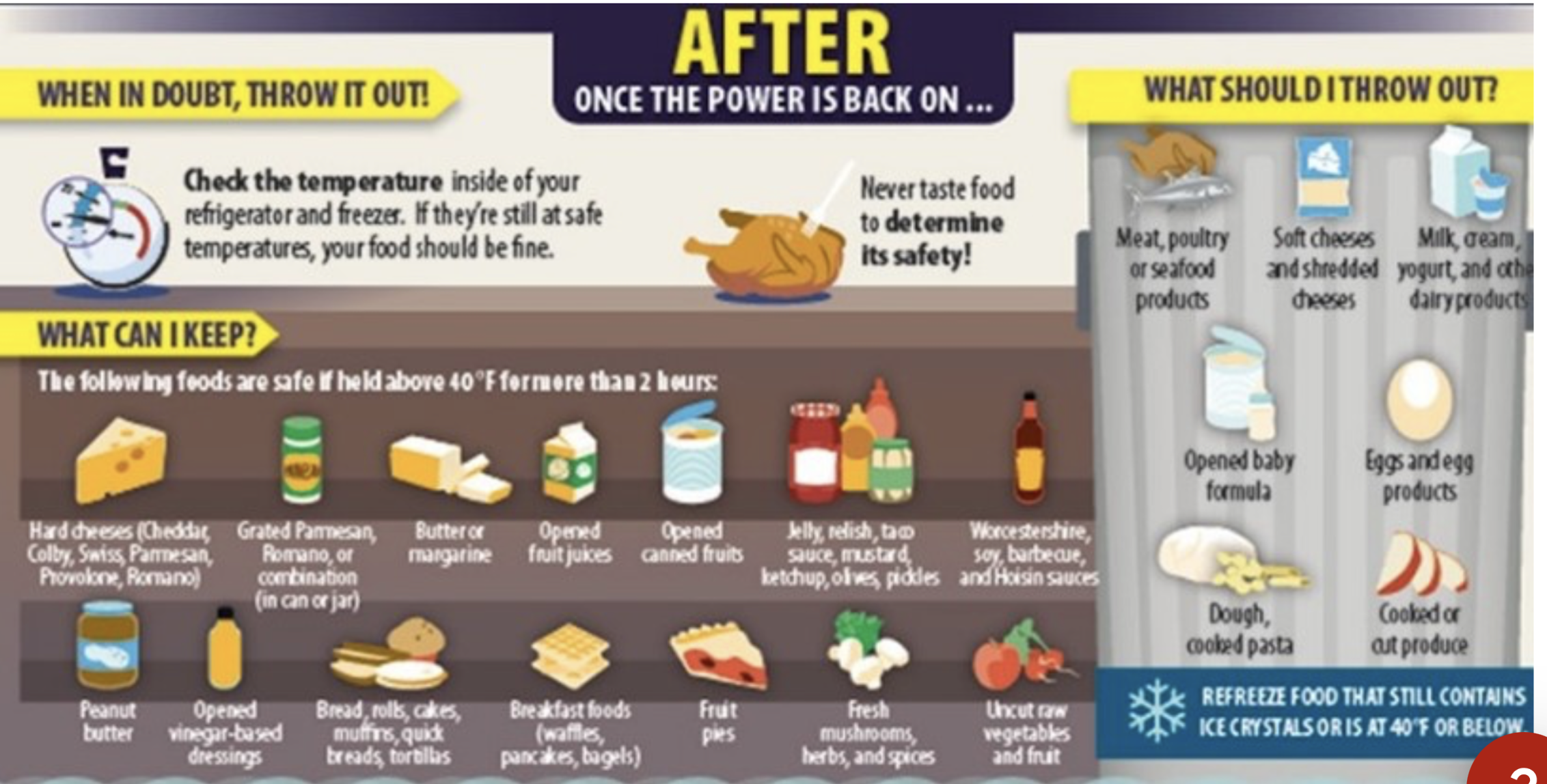
- The "Discard" Decision: If the power has been out for two full days, most refrigerated meats, eggs, and dairy products must be discarded. If you have any doubt about the temperature of the food, the rule remains: When in doubt, throw it out.
Supporting Data: Understanding Bacterial Growth
The science of food safety is rooted in the life cycle of bacteria. Pathogens are microscopic, and they do not change the smell, taste, or appearance of food. By the time a food product smells "off," it is already heavily colonized by bacteria.
- Rapid Multiplication: Under ideal conditions, certain bacteria can double in number every 20 minutes. In a warm, dark, unpowered refrigerator, this exponential growth can turn a safe piece of chicken into a health hazard in just a few hours.
- Cross-Contamination: During floods, bacteria from sewage can splash onto countertops, cutting boards, and utensils. Porous materials like wooden cutting boards, plastic utensils, and even some types of sponges are nearly impossible to sterilize once they have been soaked in floodwater. If in doubt, these items should be discarded.
Official Guidelines and Best Practices
The U.S. Department of Agriculture (USDA) provides rigorous guidelines for those navigating the aftermath of a storm. These are not merely suggestions; they are the gold standard for avoiding hospitalizations during a crisis.

Guidelines for Refrigerated and Frozen Items
- Refrigerated Food: If the power has been out for 4 hours or more, discard any perishable food such as meat, poultry, fish, eggs, and leftovers.
- Frozen Food: If the power is out for 48 hours (or 24 if half-full), check the temperature. If food still contains ice crystals or is at 40°F or below, it can be safely refrozen.
Cleaning and Sanitizing
If your kitchen was exposed to floodwater, you must perform a deep clean before preparing any food:
- Discard all items that were in contact with floodwater.
- Clean hard surfaces (countertops, cabinets, floors) with a solution of one cup of bleach in five gallons of water.
- Sanitize utensils: Boil metal pots, pans, and utensils for at least 10 minutes to ensure total pathogen elimination.
Implications for Public Health
The surge in foodborne illness following a hurricane is a well-documented phenomenon. Hospitals in disaster-stricken areas often see a secondary wave of admissions—not related to trauma, but to gastrointestinal distress. By practicing proper food safety, you reduce the burden on an already strained healthcare system.
Furthermore, the economic impact on the household can be mitigated by proper preparation. Purchasing inexpensive thermometers for your fridge and freezer today is a small investment that can save you hundreds of dollars in lost groceries tomorrow.
Expert Support: When to Reach Out
You are never alone in these situations. If you have specific questions about whether a certain food item is safe, or if you are unsure about how to clean your kitchen effectively, professional resources are available.
The Meat and Poultry Hotline
The USDA operates the Meat and Poultry Hotline to provide real-time, expert advice. Whether you are dealing with a power outage or the aftermath of a flood, their specialists can guide you through the decision-making process.
- Phone: 1-888-674-6854 (Monday – Friday, 10 a.m. to 6 p.m. EDT)
- Languages: Support is available in both English and Spanish.
- Email: [email protected]
- Live Chat: Visit Ask USDA to speak with a representative in real-time.
Conclusion: Preparation is the Best Defense
The reality of hurricane recovery is that the danger does not end when the wind stops. By staying informed, remaining vigilant about your food storage, and adhering to the safety standards set by health authorities, you can protect your family’s health.
Food Safety News remains dedicated to providing you with the latest updates and guidance during these challenging times. Your awareness and adherence to these protocols are the first lines of defense in protecting public health in the wake of disaster.
Food Safety News is a nonprofit, reader-funded organization. Your tax-free gifts allow us to continue providing essential, science-based information on food safety, recalls, and public health policy. Please consider supporting our mission to keep the public informed.


