

 Azzam Bilal Chamdy
 Neng Nana
 Nana Muazin
 Dwi Wanna
 Raul Delapena Setiawan
 Nana
Nana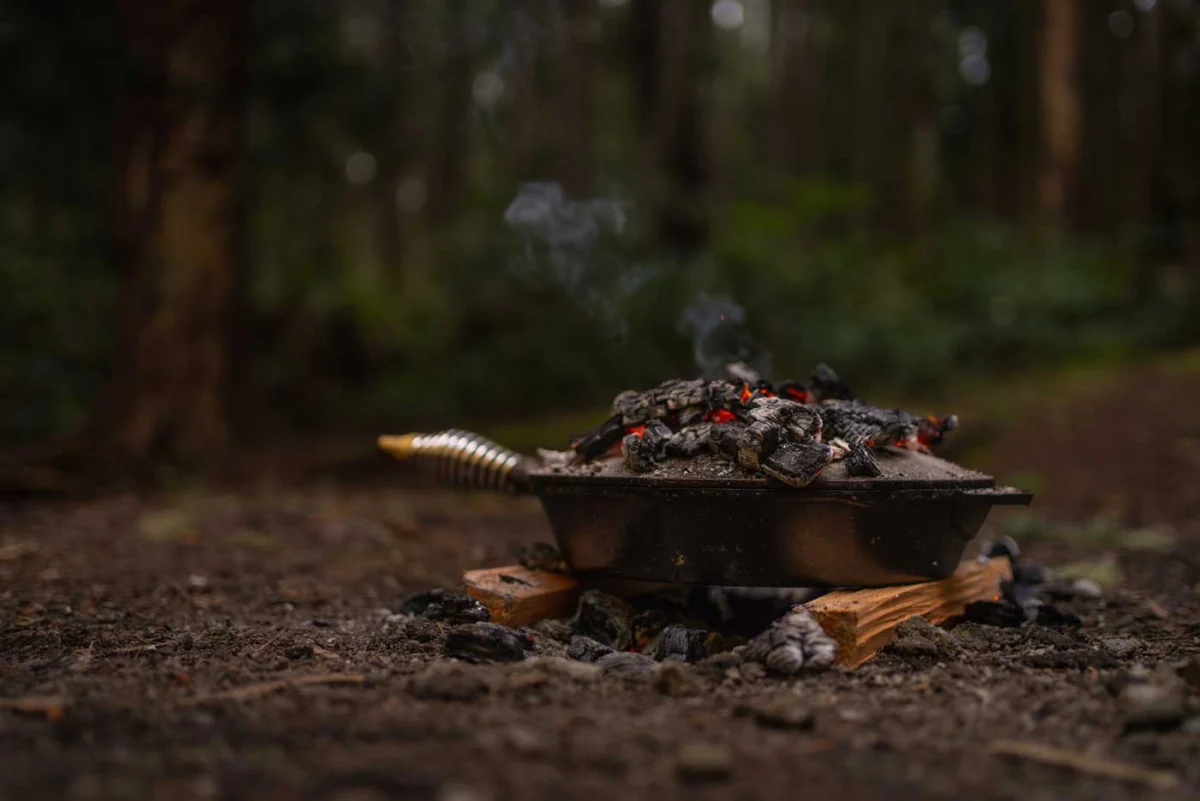
There is an undeniable truth among outdoor enthusiasts: food simply tastes better when prepared under an open sky. While the humble hot dog remains a nostalgic staple of the American camping experience, a new wave of outdoor chefs is transforming the campsite into a gourmet kitchen. Gone are the days when camping fare was synonymous with dehydrated pouches and charred mystery meats. Today’s campers are embracing a philosophy where "well-fed" is the baseline for "happy," turning every outing into a celebration of flavor, fire, and fresh ingredients.

This shift in culture is not merely about sustenance; it is a competitive display of ingenuity. At any given campground, there exists a silent, fierce competition—a dual-layered contest of gear and aroma. While seasoned campers may spend their time observing their neighbors’ sophisticated Dutch oven setups or specialized grills, the true victors are the "culinary sorcerers." These are the individuals who eschew complex gadgetry in favor of cast-iron mastery, coaxing complex, intoxicating scents from the coals that drift through the pines, rivaling the allure of a professional bakery.

The Philosophy of the Elevated Camp Kitchen
The art of camping cuisine is defined by preparation and the ability to adapt. Whether you are planning a weekend at a developed site with full amenities or venturing into the backcountry, the secret lies in "mise en place." By doing the heavy lifting—chopping vegetables, marinating proteins, and pre-mixing dry ingredients—at home, you liberate yourself to focus on the primal joy of open-fire cooking once you arrive.

For the modern camper, the kitchen is no longer a compromise; it is an extension of the home. This article serves as your comprehensive guide to reclaiming the campfire, ensuring that every meal, from sunrise coffee to midnight s’mores, is a testament to the fact that you don’t need a four-burner range to create five-star flavor.

Chronology of a Perfect Camp Day
A successful camping trip is rhythmically structured by the meals that anchor the day. Achieving this requires a tactical approach to your menu.

Breakfast: The Early Riser’s Advantage
The individual who wakes first to perfume the air with the smell of sizzling bacon or fresh bread wins the morning. However, repeating the same greasy skillet meal every day leads to menu fatigue.

- Cast-Iron Skillet Breakfast Pizza: A surprisingly sophisticated start that allows children to participate in the assembly.
- Sweet Potato Hash and Eggs: By preparing the hash in advance, you reduce your morning prep time to a simple reheating task, allowing more time for morning hikes.
- Shelf-Stable Solutions: For trips without refrigeration, rely on recipes like Edible New Mexico’s Cast-iron Chilaquiles or Edible San Luis Obispo’s Open Fire Shakshuka. These dishes utilize shelf-stable items and hard, aged cheeses that survive the elements, proving that limitations often breed creativity.
Lunch and Afternoon Sustenance
Lunch on the trail should be efficient but substantial. Many campers are repurposing dinner leftovers into innovative midday meals. A carne asada grilled for dinner on Tuesday can easily be transformed into a vibrant taco or sandwich by Wednesday. Utilizing hearty, crusty breads—such as the classic Australian Damper or Texas-style Pan de Campo—ensures that you have a durable foundation for your meals that won’t spoil in a cooler.

Dinner: The Main Event
As the sun dips below the horizon, the campfire becomes the centerpiece of the community. This is when "catch-and-cook" seafood or robust proteins like bison, lamb, or beef take center stage. The goal is to maximize flavor through long, slow cooking in a Dutch oven or high-heat searing over open flames.

Supporting Data: Why We Crave Outdoor Flavors
Psychological and sensory data suggest that the "outdoor flavor" phenomenon is tied to our primitive connection to fire. The Maillard reaction—the chemical process that creates browning and complex flavor profiles in cooked food—is significantly enhanced by the smokiness of wood coals compared to the sterile heat of a gas or electric stove.

Furthermore, the physical activity associated with camping heightens our caloric needs and our olfactory sensitivity. When we are removed from the artificial scents of a city environment, the rich aromas of roasting meat, melting cheese, and baking dough become far more "intoxicating." Our camp kitchen, therefore, is not just about feeding the body; it is about satisfying a deeply ingrained sensory craving.

Official Best Practices for Campfire Culinary Success
To ensure your meals are both safe and spectacular, industry experts and culinary organizations suggest the following guidelines:

- Frozen Protein Management: Always freeze your meats before packing. They serve as additional ice blocks in your cooler, and as they thaw, they remain at a safe temperature for an extended duration.
- Cast-Iron Maintenance: A well-seasoned cast-iron skillet is the only non-negotiable tool. It provides the heat retention necessary for baking bread, searing steaks, or simmering stews.
- Foraging Responsibility: When foraging for ingredients like dandelion greens or spruce tips, ensure you are in an area free from herbicides and pesticides, and always follow local regulations regarding plant collection.
- Waste Management: Utilize "leave no trace" cooking techniques. Recipes like foil-wrapped clams or Dutch oven stews are not only delicious but minimize the need for heavy scrubbing and water usage at the site.
Implications for the Future of Camping
The evolution of the "camp kitchen" has significant implications for how we interact with the wilderness. As we move away from processed, pre-packaged "just-add-water" meals, we are fostering a deeper appreciation for seasonal, local, and fresh ingredients. This movement encourages campers to visit local farmers’ markets before heading into the woods, effectively bringing the "farm-to-table" ethos to the backcountry.

Furthermore, this culinary renaissance is making camping more inclusive. By offering vegetarian, gluten-free, and gourmet options, the barriers to entry for those who enjoy good food are lowered. A well-fed camper is an adventurous camper; when the quality of the meal matches the beauty of the view, the entire experience is elevated.

A Note on Desserts: Beyond the S’more
While tradition mandates a heavy reliance on the classic s’more, the modern camper is expanding the definition of campfire sweets.

- Fruit-Forward Desserts: Grilled peaches with honeyed mascarpone or skillet cobblers using seasonal berries provide a lighter, more complex finish to a heavy dinner.
- Elevated Classics: For those who insist on s’mores, consider sourcing high-quality, handmade marshmallows or incorporating gourmet additions like brie, dates, or dark chocolate.
Ultimately, the goal of your culinary camping journey is to create memories as vivid as the flavors you produce. Whether you are masterfully flipping a tomahawk steak over an open flame or teaching a child how to bake a simple damper bread on a stick, you are participating in a timeless human ritual. The campfire is a stage, the ingredients are your medium, and the result is a connection to the earth that can be tasted in every bite.

Happy camping, and may your fire always be the right height, your cast-iron always seasoned, and your company always hungry.


 Iffa Jayyana
