

 Azzam Bilal Chamdy
 Neng Nana
 Nana Muazin
 Dwi Wanna
 Raul Delapena Setiawan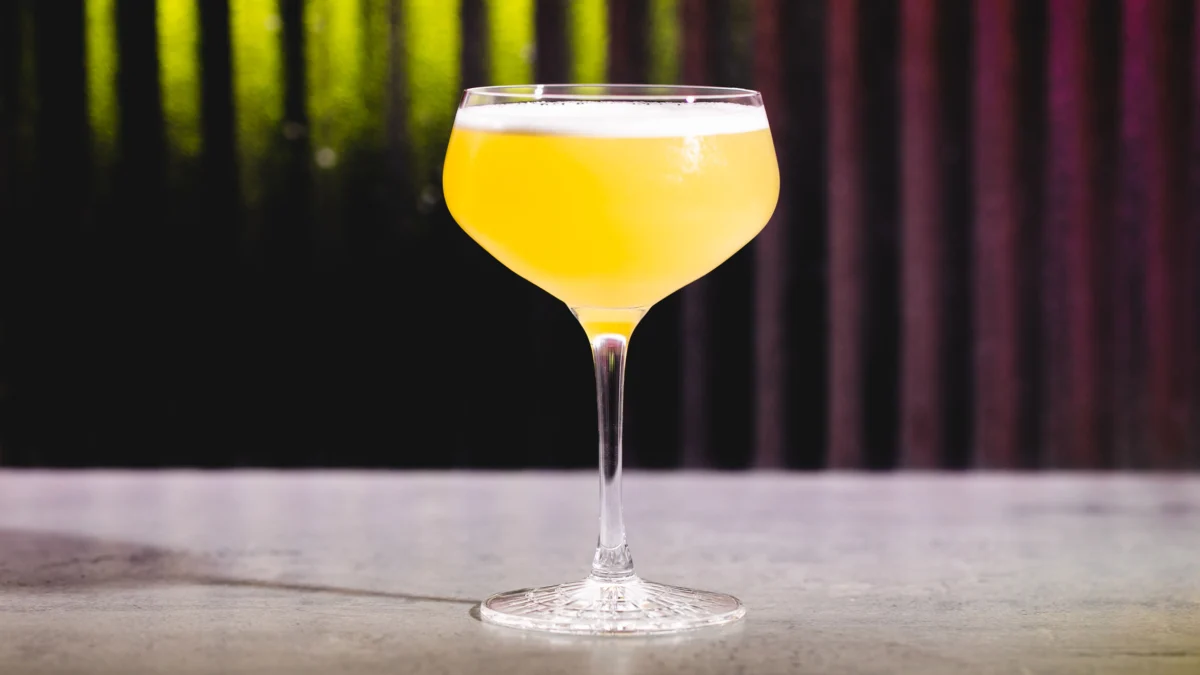
In the contemporary bar landscape, the Martini reigns supreme, a towering figure of cocktail culture that has seen its influence swell into a global obsession. Simultaneously, the Negroni—once a humble Italian aperitivo—has undergone a radical evolution, morphing into a versatile base for an endless parade of flavor profiles, from spiced rhubarb to festive panettone. Yet, beneath the clamor of these perennial giants lies a quieter, more nuanced world of libations. These are the "minor classics" and long-lost gems of the gin canon—drinks that offer complexity, history, and a refreshing departure from the status quo.
For the adventurous imbiber, the cocktail world is not just a collection of viral trends; it is a living history of experimentation. By peeling back the layers of the mainstream menu, we find sophisticated recipes that bridge the gap between the mid-century glamour of the 1950s and the modern, precision-focused craft cocktail movement.
The Evolution of the Aperitivo: The Cardinale
The story of the Cardinale is one of serendipity and aristocratic flair. First appearing in Rome in 1950, the drink was reportedly crafted for a visiting cardinal, an origin story that imbues the cocktail with a sense of Roman opulence. In its nascent form, the Cardinale was a curious, elegant mixture of gin, white wine, and Campari.

Chronology and Adaptation
Over the decades, the recipe has undergone a significant transformation. As the cocktail moved from the hallowed bars of Rome into the global lexicon, the white wine was largely replaced by dry vermouth. This shift fundamentally altered the drink’s structure, moving it away from the softer, floral notes of wine and toward the bracing, herbaceous profile we recognize today.
Bartender Naren Young, a prominent voice in the resurgence of aperitivo culture, notes that the modern iteration is "more austere and bone-dry," a quality that makes it an exceptional palate cleanser. Modern variations, such as those employing Contratto Bitter, showcase how a classic framework can be refined to suit contemporary palates, while RTD (Ready-to-Drink) versions like the Campari Soda-based Cardinale demonstrate the drink’s enduring, sparkling versatility.
The Art of the Unusual: The Star Daisy
If the Cardinale is a lesson in restraint, the Star Daisy is a masterclass in the unexpected. A personal favorite of New York bar luminary Joaquín Simó, the Star Daisy represents a bridge between eras. Introduced to Simó by the legendary Sasha Petraske at the original Milk & Honey, the drink defies the conventional wisdom that spirits should remain within their flavor "families."

Ingredients and Profile
The Star Daisy brings together the sharp, juniper-forward profile of London dry gin with the deep, orchard-fruit complexity of apple brandy and the bright, bittersweet punch of dry Curaçao. It is a beverage that feels inherently seasonal, yet it possesses a structural integrity that makes it suitable for year-round consumption. By incorporating simple syrup, as in Simó’s personal iteration, the drink gains a silky, luxurious mouthfeel that balances the sharp edges of the brandy, turning an "unlikely" combination into a harmonious whole.
The Tropical Fizz: A Legacy of the Gentleman’s Companion
The history of the "Fizz" is as frothy as the drink itself, but few versions carry the pedigree of the Gin Fizz Tropical. First documented in Charles H. Baker’s 1939 tome, The Gentleman’s Companion, this drink is a testament to the mid-century fascination with exotic ingredients and the "Silver Fizz" style.
Technique and Innovation
Chef and restaurateur Charles Phan has been instrumental in keeping this recipe alive. His modern approach replaces the original’s pineapple juice with pineapple gum syrup—a choice that adds a rounder, more viscous texture—and swaps heavy cream for aromatic orgeat. The result is a drink that feels both classic and forward-thinking.

The technical requirements for this cocktail are significant. As Phan emphasizes, the secret lies in the aeration. Using three or four large ice cubes to create a substantial, cold environment, the bartender must shake the mixture with vigor and endurance. This extended agitation is the only way to achieve the signature, cloud-like froth that characterizes a superior Fizz.
The Minor Classic: The Wibble
Robert Simonson, a leading voice in cocktail criticism, describes the Wibble as "neither a global phenomenon nor an obscurity." It occupies that rare, liminal space of a "minor classic"—a drink that is deeply respected within the industry but has yet to achieve the household name status of a Gimlet or a Tom Collins.
Global Reach and Modern Status
Originating in the London bar scene of the 1990s, the Wibble—a blend of gin, sloe gin, grapefruit, lemon, and crème de mûre—is a masterwork of balancing tart and sweet. While it remains a staple of the London scene, its influence is slowly bleeding into the international market. With sightings in high-end cocktail bars in Copenhagen, Gothenburg, and Amsterdam, the Wibble is a prime example of how a "modern classic" slowly earns its keep through merit and word-of-mouth rather than marketing campaigns.

The Obituary and the Puritan: The Martini’s Shadow
The Martini, while dominant, has always allowed for "riffing." Among the most fascinating deviations is the Obituary. Emerging from the rich cocktail culture of New Orleans, this drink is essentially a standard Martini that has been "killed" by a few dashes of absinthe.
The Psychology of the Name
The success of the Obituary, particularly at institutions like Maison Premiere, is a case study in branding. Owner William Elliott notes that the name itself is a catalyst for sales. "When you put something like the Obituary on the menu, you are forcing somebody to repeat it," Elliott explains. It is a psychological hook that draws the guest into a dialogue about the drink.
Similarly, the Puritan—a forgotten sibling to the Alaska cocktail—replaces the sweetness of yellow Chartreuse with the dry, intellectual weight of vermouth. It serves as a reminder that the "Martini family" is much broader than just gin and vermouth; it is a lineage of aromatic, spirit-forward drinks that have been waiting in the wings for a new generation to rediscover them.

Implications for the Future of Craft Cocktails
The persistence of these "unsung" cocktails suggests a shifting trend in the hospitality industry. As consumers become more educated and more demanding, the reliance on the "Big Five" (Martini, Negroni, Margarita, Old Fashioned, Daiquiri) is beginning to feel limiting.
- The Demand for Narrative: Guests are no longer satisfied with just a drink; they want the history, the provenance, and the "eyebrow-raising" stories that come with obscure recipes like the Obituary.
- Ingredient Versatility: The shift toward ingredients like pineapple gum syrup, orgeat, and sloe gin indicates a desire for complex flavor profiles that extend beyond the standard citrus-and-sugar formula.
- Technical Sophistication: As seen with the Gin Fizz Tropical, the modern cocktail enthusiast is increasingly interested in the process—the length of the shake, the quality of the ice, and the precise chemistry of the dilution.
Conclusion: A Toast to the Unsung
The canon of gin cocktails is vast, stretching from the austere, bone-dry halls of Roman aperitivos to the tropical, frothy shores of pre-war literature. By venturing beyond the standard Martini menu, the curious drinker is rewarded with a deeper understanding of balance, flavor, and history. Whether it is the bold, absinthe-laced Obituary or the sophisticated, apple-forward Star Daisy, these "minor classics" prove that the best way to move the cocktail world forward is, quite often, to look back.
As these drinks find their way into the hands of a new generation of bartenders and consumers, they are not merely being "recreated"—they are being elevated, ensuring that the legacy of the craft cocktail remains as dynamic and unpredictable as the ingredients themselves. The next time you find yourself staring at a menu dominated by iterations of the Negroni, remember the Cardinale. Remember the Wibble. The history of the drink is waiting, and it is far more interesting than the status quo.


 Layla Zulfa
 Evan Lee Salim