

 Dwi Wanna
 Nana Wu
 Muslim
 Reynand Wu
 Ammar Sabilarrohman
 Neng Nana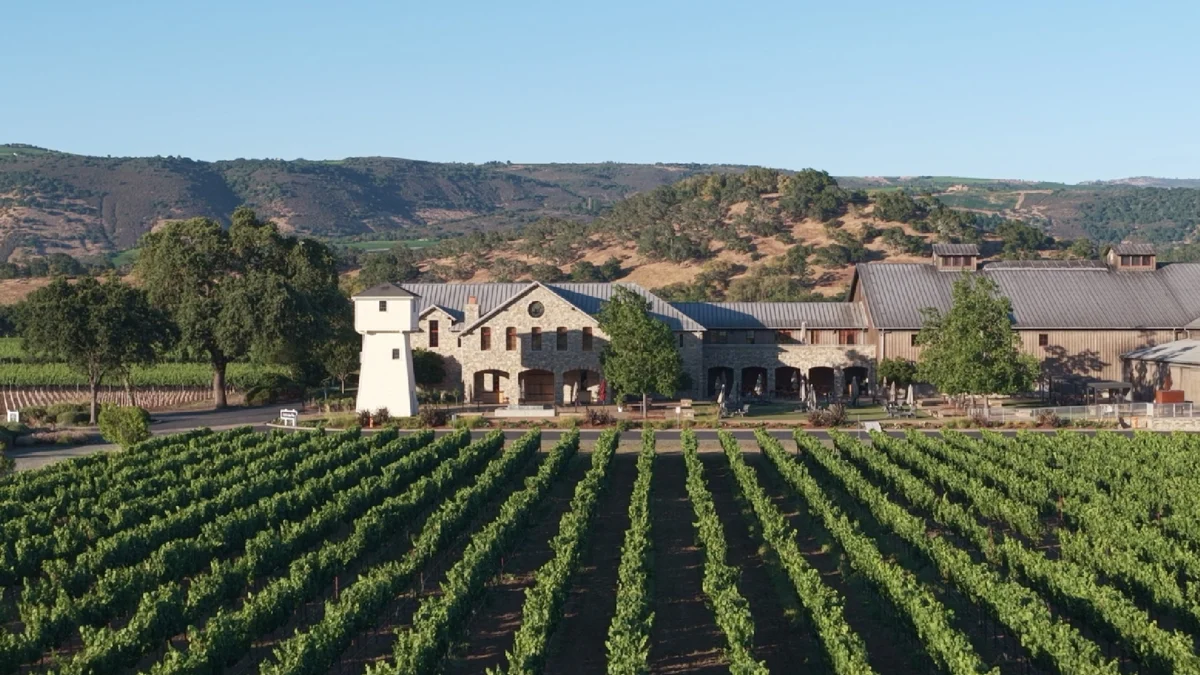
In the landscape of modern digital media, few industries have been as effectively demystified by long-form storytelling as the wine world. For years, the narrative surrounding American viticulture was often confined to academic textbooks or elitist tasting notes. However, with the release of The Great American Wine Tour—VinePair’s ambitious, first-of-its-kind long-form YouTube series—the story of how wine transformed from a niche colonial pursuit into a multi-billion dollar cultural powerhouse has finally been given the cinematic treatment it deserves.
In a recent episode of the long-running podcast Wine 101, host Keith Beavers sat down to reflect on the series, dissecting the process of mapping out the history of American wine through a granular, location-by-location lens. This retrospective serves not just as a recap of a digital series, but as a meditation on the identity of the American palate and the resilience of those who cultivate it.
The Main Facts: A Journey Across the Vines
At its core, The Great American Wine Tour represents a monumental undertaking in wine journalism. VinePair, under the editorial guidance of Beavers and the leadership of co-founders Adam Teeter and Josh Malin, set out to answer a fundamental question: How did the United States move from the early, failed experiments of the 17th century to the globally recognized regions of Napa, Willamette, and the Finger Lakes?
The series eschews the traditional "tasting-room-only" approach, choosing instead to focus on the human element. By traversing the country, the production team highlighted the pioneers, the climate challenges, and the cultural shifts that allowed American wine to emerge from the shadow of European imports. For Beavers, the series was an exercise in "geographical storytelling"—mapping history through the soil, the terroir, and the specific socioeconomic conditions of each region visited.
Chronology: The Evolution of a Series
The development of The Great American Wine Tour was not merely a logistical challenge but a narrative one. To understand its impact, one must look at the timeline of its creation and the history it aims to capture.
The Early Stages: Foundation and Vision
The project began with a desire to broaden the scope of VinePair’s digital presence. While Wine 101 had long provided the "how-to" and "why-to" of wine, the team recognized a hunger for a deeper, visual exploration of the American landscape. The production phase involved months of research, coordinating with local vintners across diverse states, and ensuring that the historical context of each region was accurate.
The Production Phase: On the Ground
The filming process was a cross-country odyssey. By focusing on the historical progression of American wine, the series follows a logical, albeit complex, timeline:
- The Colonial Struggle: Examining early attempts at winemaking along the East Coast and the realization that native vines were the only ones that could thrive in certain climates.
- The Manifest Destiny of Grapes: Moving West, where the Gold Rush and the subsequent expansion of the American frontier provided the impetus for the first major California plantings.
- The Prohibition Pivot: A dark chapter that almost decimated the industry, forcing winemakers to adapt, pivot, or go underground—a story of resilience that defines the modern industry.
- The Modern Renaissance: The post-1970s explosion of quality, characterized by scientific advancements and the "Judgment of Paris" effect, which forced the world to take American wine seriously.
Supporting Data: The American Wine Market Today
The relevance of The Great American Wine Tour is underscored by the current economic status of the American wine industry. According to industry reports, the United States remains the largest wine-consuming market in the world, with a production footprint that spans all 50 states.
- Production Diversity: While California accounts for roughly 80% of U.S. wine production, the series highlights the rapid growth of "fringe" regions, including the robust cold-climate varieties in New York and the burgeoning viticulture sectors in Virginia and Texas.
- Consumer Trends: The demographic shift in wine consumption, which now includes a younger, more digitally savvy audience, validates the medium chosen for the project. By utilizing YouTube, VinePair met their audience where they already consume culture.
- The Meiomi Factor: As noted in the episode, partnerships with brands like Meiomi reflect the growing trend of "lifestyle-integrated marketing." By associating the educational journey of The Great American Wine Tour with premium labels, the series effectively bridges the gap between high-level wine education and the everyday consumer experience.
Official Perspectives: The Voices Behind the Glass
In his retrospective, Keith Beavers emphasizes that the series was a collaborative effort, not just of the film crew, but of the entire VinePair ecosystem.
"I want to give a big old shout-out to co-founders Adam Teeter and Josh Malin," Beavers noted during the broadcast. "They saw the potential in telling these stories on a grander scale. It’s about the entire staff, really—everybody who helps me learn something new every day."
The series serves as a testament to the "VinePair philosophy," which prioritizes accessibility. By stripping away the pretension often associated with sommeliers and high-end critics, the official stance of the series is that wine is a living history—a beverage that is meant to be enjoyed, debated, and understood by anyone willing to pour a glass.
Implications: The Future of Wine Education
The success of The Great American Wine Tour has profound implications for the future of wine media. It proves that there is a significant appetite for "slow media"—content that demands attention and provides context rather than quick, soundbite-driven reviews.
1. Changing the Narrative
For years, the American wine story was told as a derivative of the French model. The Great American Wine Tour flips this script, asserting that American wine has its own distinct, rugged, and innovative history. It encourages viewers to look at a bottle not just as a commodity, but as a product of local geography and historical struggle.
2. The Digital Classroom
As podcasts like Wine 101 and long-form video series continue to gain traction, the "digital classroom" for wine education is evolving. The ability to listen to an expert like Beavers while simultaneously watching a video on the specific terroir of a region creates a multi-sensory learning experience that traditional print media cannot replicate.
3. Sustainability and Localism
The series highlights a growing trend of "hyper-localism." As viewers learn about the unique challenges of growing grapes in non-traditional climates, there is an increased appreciation for the labor-intensive practices of smaller, independent producers. This shift is likely to influence consumer purchasing habits, driving more support for local wineries.
Conclusion: A Toast to the Journey
The Great American Wine Tour is more than a series of videos; it is an archive of American ingenuity. By mapping the history of wine through the lens of those who live it, VinePair has succeeded in humanizing a complex industry.
As Keith Beavers concludes in his recap, the goal of such projects is to foster a sense of curiosity. Whether you are a novice wine drinker or a seasoned collector, the journey through the vineyards of America offers something for everyone. As the holiday season approaches and we find ourselves sharing bottles with friends and family, the stories uncovered by this series provide a perfect conversation starter.
The history of wine is, after all, the history of us. And as the final frames of the series suggest, the story is far from over—it is being written with every harvest, every bottle, and every glass poured. For those looking to dive deeper into this exploration, the series remains available on YouTube, a digital roadmap for any wine lover looking to understand the soil from which their favorite glass was born.
This report was compiled as a retrospective on the educational content provided by VinePair’s "The Great American Wine Tour" and the "Wine 101" podcast hosted by Keith Beavers. For further engagement, listeners are encouraged to subscribe to the podcast on Apple Podcasts or Spotify and follow the journey via the VinePair social media channels.

 Iffa Jayyana
