

 Dwi Wanna
 Nana Wu
 Muslim
 Reynand Wu
 Ammar Sabilarrohman
 Iffa Jayyana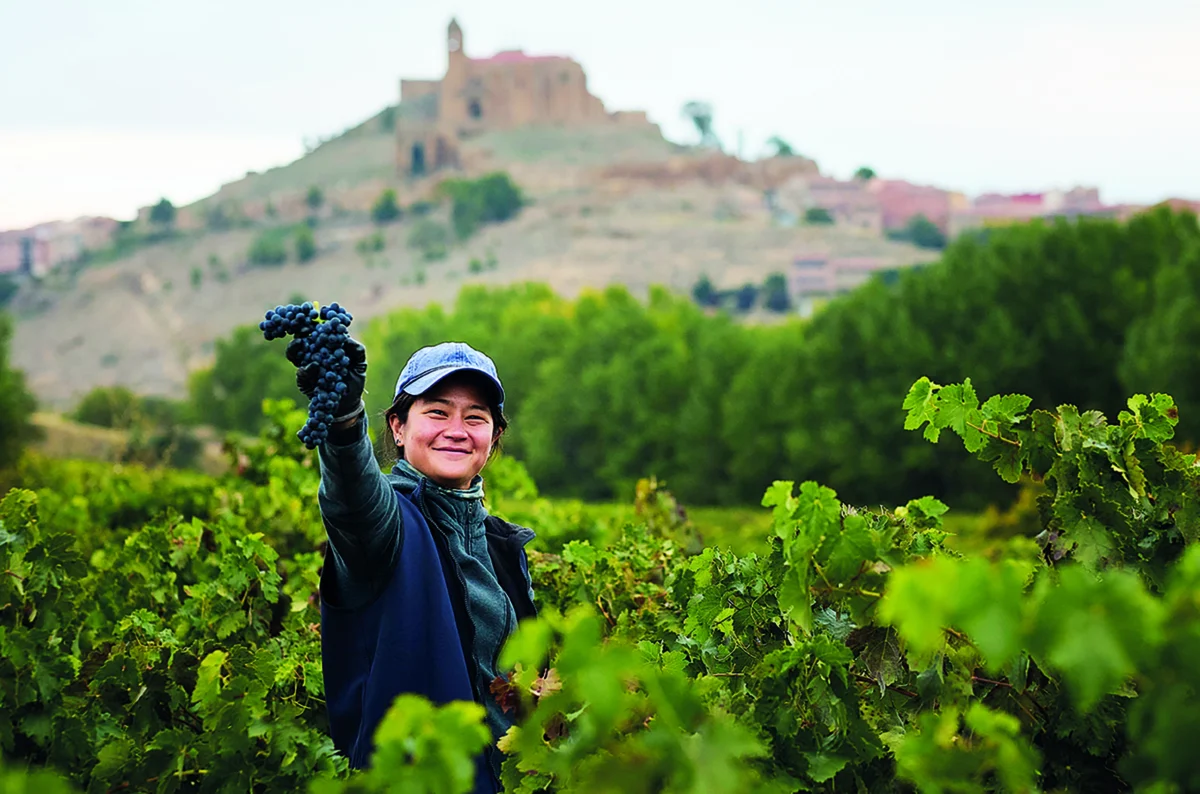
As Pablo Picasso famously declared, "Inspiration exists, but it has to find you working." This philosophy of relentless persistence and manual labor serves as the bedrock of viticulture in Spain’s prestigious Ribera del Duero region. Today, this spirit of industry is not merely a romantic ideal; it is a survival strategy. As climate change forces producers to rethink their traditional methodologies, the region’s best winemakers are proving that through meticulous vineyard management and creative innovation, the terroir of the Duero river basin can continue to produce world-class wines that defy the heat.
The Crucible of Climate Change: Main Facts
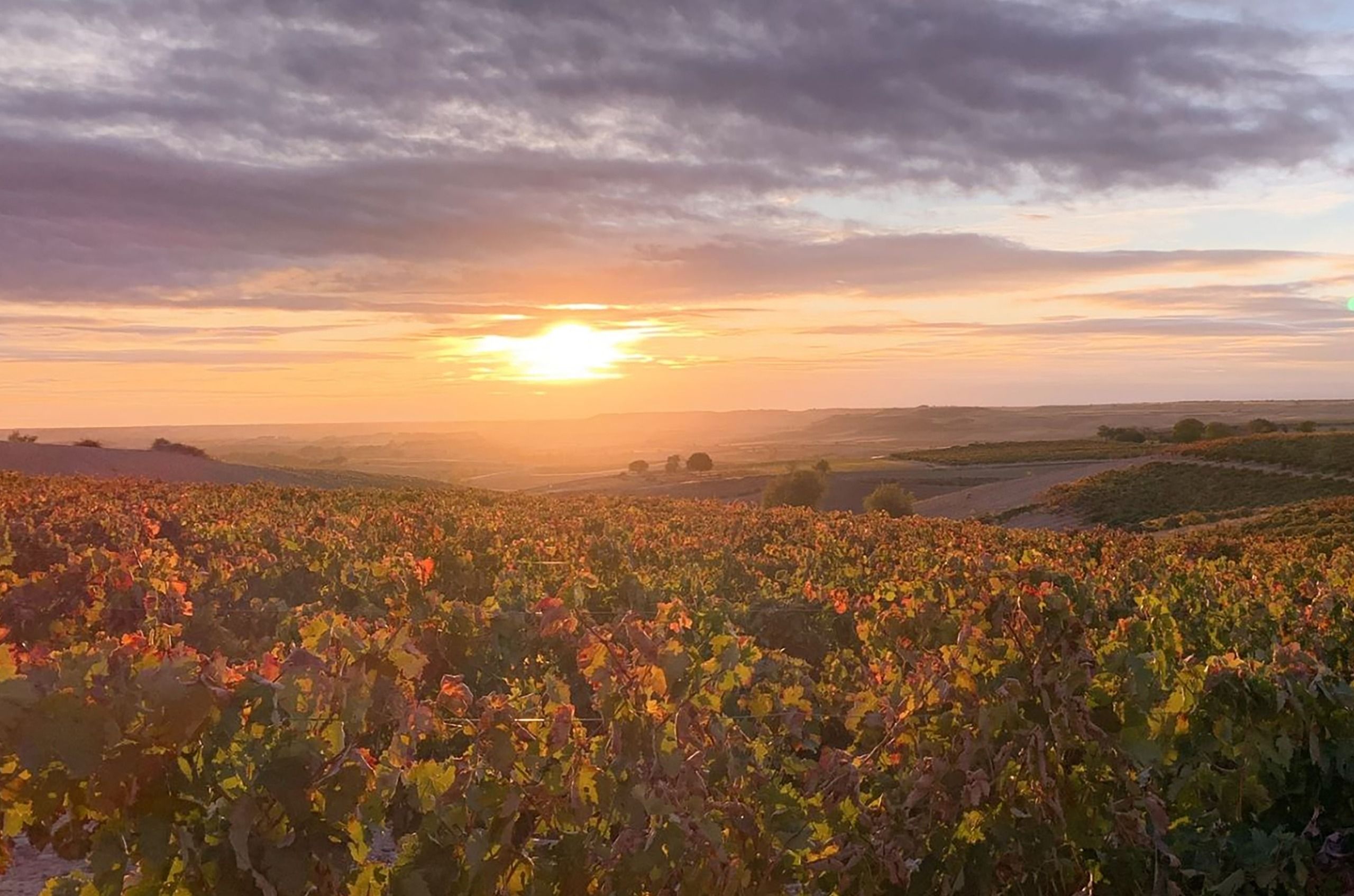
Ribera del Duero has long been defined by its extreme continental climate—bitterly cold winters and scorching, dry summers. However, recent years have accelerated these trends, creating a "new normal" characterized by erratic rainfall and unprecedented heat spikes.
The region’s signature grape, Tinto Fino (a local clone of Tempranillo), is known for its thick skin and ability to handle heat, yet even this resilient variety is feeling the pressure. Producers are now faced with a fundamental question: how do you maintain the freshness, acidity, and elegance that the modern consumer demands in a region known for its power and intensity?
The answer lies in a shift toward "precision viticulture." This involves a granular focus on soil moisture, canopy management to protect berries from direct solar radiation, and a deeper exploration of high-altitude vineyard sites. By moving to cooler, higher-elevation plots, wineries are successfully preserving the natural acidity of their fruit, resulting in wines that are more balanced and less reliant on heavy extraction or excessive oak aging.
A Chronology of Transformation
The evolution of Ribera del Duero is a story of three distinct eras:
- 1982–1990s: The Modernization Phase. Following the establishment of the Denominación de Origen (DO) in 1982, the region gained international acclaim. Large-scale investment poured in, and the "Parkerized" style—defined by high alcohol, deep color, and intense new oak—became the gold standard.
- 2000–2015: The Search for Identity. As the global palate shifted away from heavy, over-oaked wines, producers began a period of introspection. The focus moved from the cellar back to the vineyard. This era saw a surge in interest for "parcel-specific" wines, highlighting the diverse soil types of the region.
- 2016–Present: The Adaptation Era. The current period is defined by the climate crisis. Producers are now aggressively testing drought-resistant rootstocks, reintroducing ancient trellising methods, and experimenting with non-traditional varieties or techniques, such as multi-harvest blending, to ensure longevity.
Supporting Data: The Shift in Style
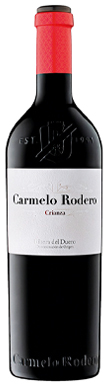
Recent tastings and market data suggest a marked shift toward finesse. The latest releases from top producers like Pinea, Virtus, and Emilio Moro demonstrate a departure from the "bolder is better" mantra.
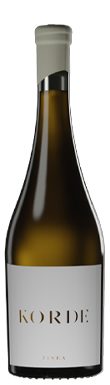
Analytical data from the 2022 and 2023 vintages shows that despite high summer temperatures, these wines maintain a "poised" profile. For instance, the TresPiedras Fuentecen, Unanimous 2022 is being noted for its "flinty, Burgundian edge," a descriptor that would have been rare in the region twenty years ago. Similarly, the Pinea Korde Blanc NV, a multi-vintage blend, showcases the region’s ability to innovate beyond the traditional red wine template.
Key characteristics observed in recent top-tier vintages:
- Increased Minerality: A move away from dark fruit dominance toward savory, mineral, and saline profiles.
- Balanced Alcohol: Through earlier picking dates and canopy shading, winemakers are reining in sugar levels.
- Integrated Oak: A significant reduction in the use of new, toasted American oak in favor of larger, older barrels or concrete vessels.
Official Responses and Industry Sentiment
The Regulating Council of Ribera del Duero has been vocal about the necessity of these changes. In recent industry briefings, representatives have emphasized that the DO is not just a protector of tradition, but a facilitator of progress.
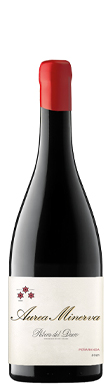
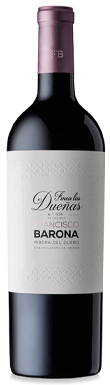
"Our heritage is the soil," says one lead agronomist for the council. "But our future is in the science of the vine." This sentiment is echoed by winemakers like Francisco Barona, whose Finca las Dueñas Reserva 2022 is being lauded for its "intense, pure, and nuanced" expression. The industry is moving toward a consensus: the prestige of Ribera del Duero will no longer be measured by the power of the wine, but by its capacity to reflect the specificities of its site through a lens of freshness.
Implications for the Global Wine Market
The implications of this shift are profound for both the collector and the casual drinker.
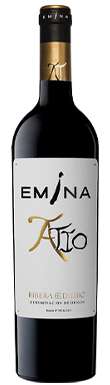
- Increased Collectibility of Younger Vintages: With the move toward more balanced acidity and tannin structures, modern Ribera wines are becoming more approachable in their youth while retaining the structure required for long-term aging.
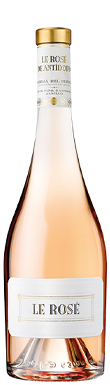
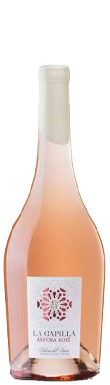
- Market Diversification: The introduction of high-end rosados—such as the Antídoto Le Rosé 2024 and the Finca La Capilla Anfora Rosé 2024—is expanding the region’s footprint, moving it beyond the category of "special occasion red" to a year-round presence on global wine lists.
- The "Burgundian" Comparison: The fact that experts are now using terms like "filigree," "precise," and "mineral" to describe these wines signals that Ribera del Duero is successfully shedding its "heavyweight" reputation. This makes the region highly competitive in the premium segment, where consumers are increasingly prioritizing elegance over concentration.
The Road Ahead
As we look toward the next decade, the "Picasso principle" remains the guiding light for the region. The winemakers of Ribera del Duero are not waiting for the climate to improve; they are working through the challenge, finding inspiration in the constraints.
Whether it is the elegant, wood-integrated approach of Finca La Capilla or the deep, enveloping complexity of Pago de Carraovejas, the region is proving that adaptation is the highest form of tradition. The bottles appearing on the market today are not just products of a specific vintage; they are testaments to a viticultural culture that refuses to stagnate.
For the wine enthusiast, this is a golden age of exploration in Ribera del Duero. The wines are more expressive, more diverse, and more reflective of their unique geography than ever before. It is a region that has taken the heat and, through sheer, hard-working ingenuity, turned it into something refined, elegant, and profoundly compelling. As these producers continue to refine their craft, the world is watching—and, more importantly, tasting the evolution of a region that has truly found its rhythm in the face of change.

 Lina Hope
