Dwi Wanna
 Nana Wu
 Muslim
 Reynand Wu
 Ammar Sabilarrohman
 Azzam Bilal Chamdy
In the landscape of Australian comfort food, few items hold the nostalgic weight of the humble cream bun. Often dismissed as a relic of a bygone era, this classic bakery staple—a soft, enriched bun split open and generously filled with whipped cream and tangy fruit jam—has recently undergone a sophisticated revival. At the forefront of this resurgence is renowned pastry enthusiast and creator Nick Makrides, the mind behind The Scran Line. Following an exhaustive four-month development process, Makrides has cracked the code to creating a bun that maintains its pillowy, tender crumb for days, bridging the gap between nostalgic country-bakery charm and modern culinary technique.

The Genesis of an Obsession: A Trip to Akimbo
The journey to the perfect cream bun began not in a test kitchen, but at Akimbo, a Melbourne bakery that has garnered a reputation for its uncompromising commitment to texture.
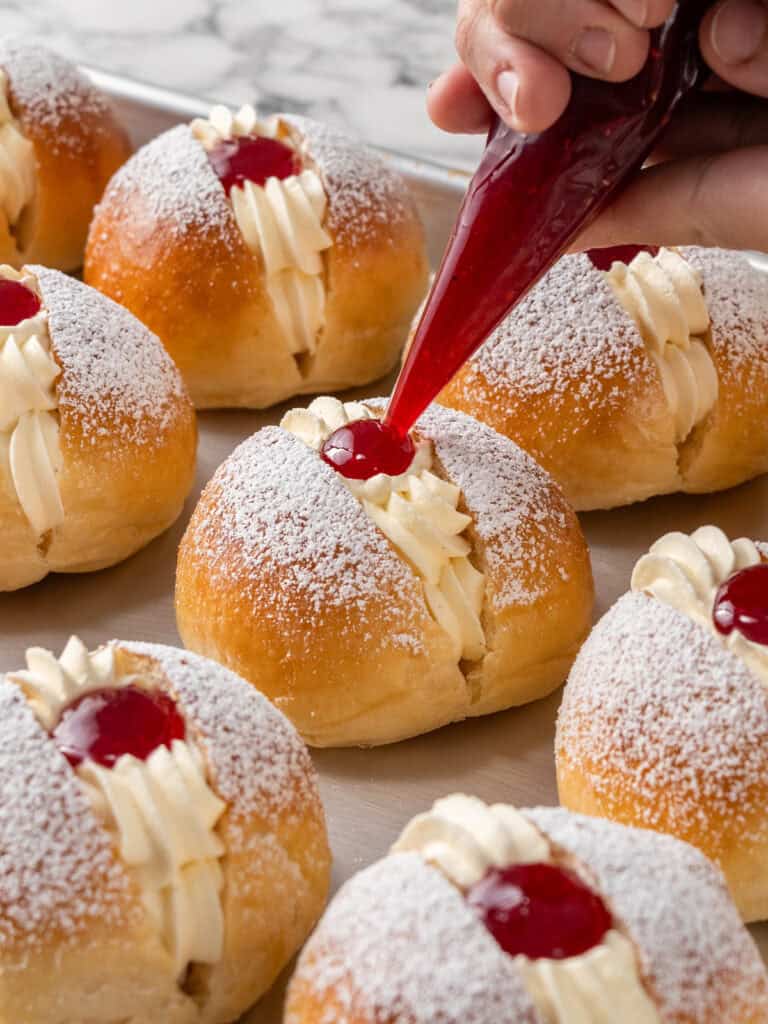
For years, Makrides operated under the misconception that cream buns were "fussy, firm, and overly sweet"—a lackluster dessert designed for aesthetics rather than palate-pleasing results. However, a visit to Akimbo shattered these preconceptions. He discovered a bun that was not only softer than the whipped cream it cradled but perfectly balanced in its richness. This realization sparked a singular obsession: to decode the science of the dough and bring a high-quality, professional-grade version of this classic treat to home bakers everywhere.

The Science of Softness: The Tangzhong Method
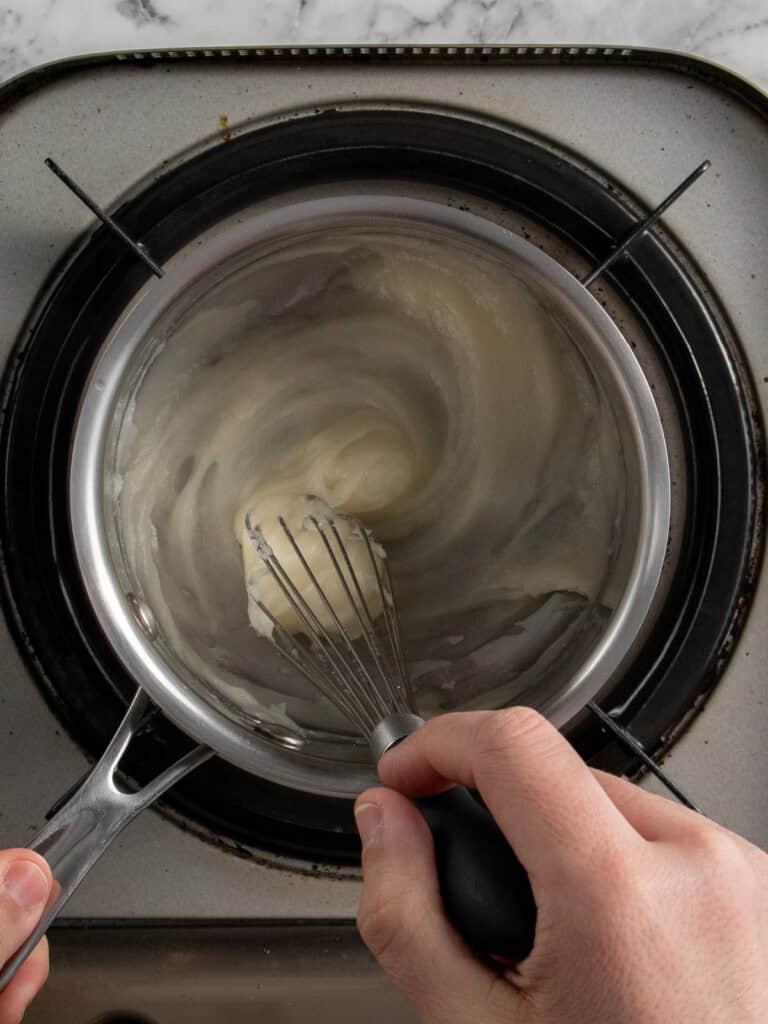
The secret to the longevity and texture of these buns lies in a traditional Asian baking technique known as Tangzhong. While the method is perhaps most famous for its role in creating pillowy Japanese milk bread, its application to the brioche-style dough of a cream bun is transformative.
Understanding Tangzhong
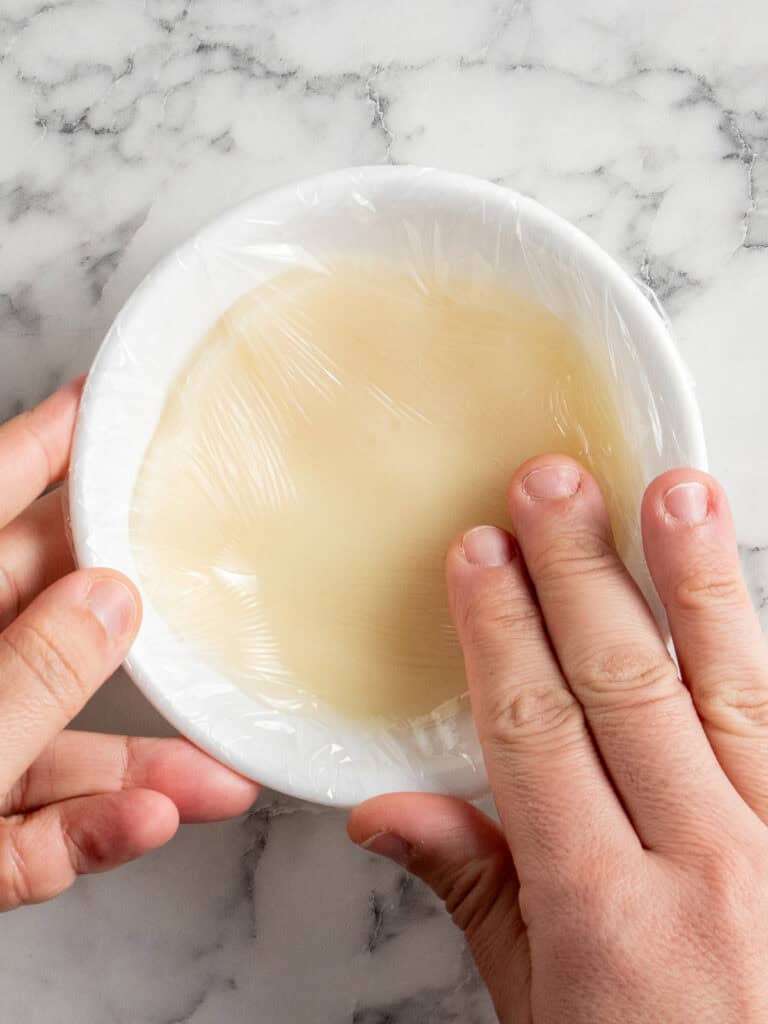
The Tangzhong method involves cooking a small portion of flour and liquid (typically milk or water) into a roux-like paste before incorporating it into the main dough. This process gelatinizes the starches in the flour, allowing the dough to retain significantly more moisture during the baking process. By holding onto this hydration, the bread remains soft and elastic for days, rather than drying out within hours of leaving the oven.
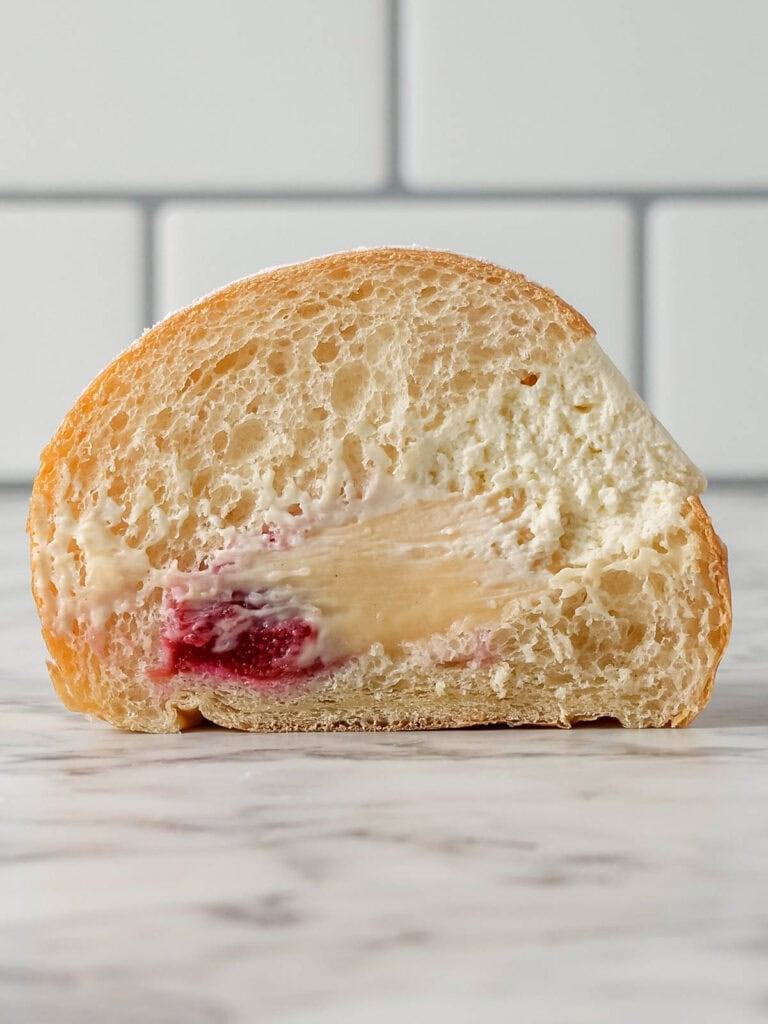
Makrides notes that this method is the "engine" behind the stability of his recipe, ensuring that the bun doesn’t just feel fresh when hot, but remains tender long after it has cooled.
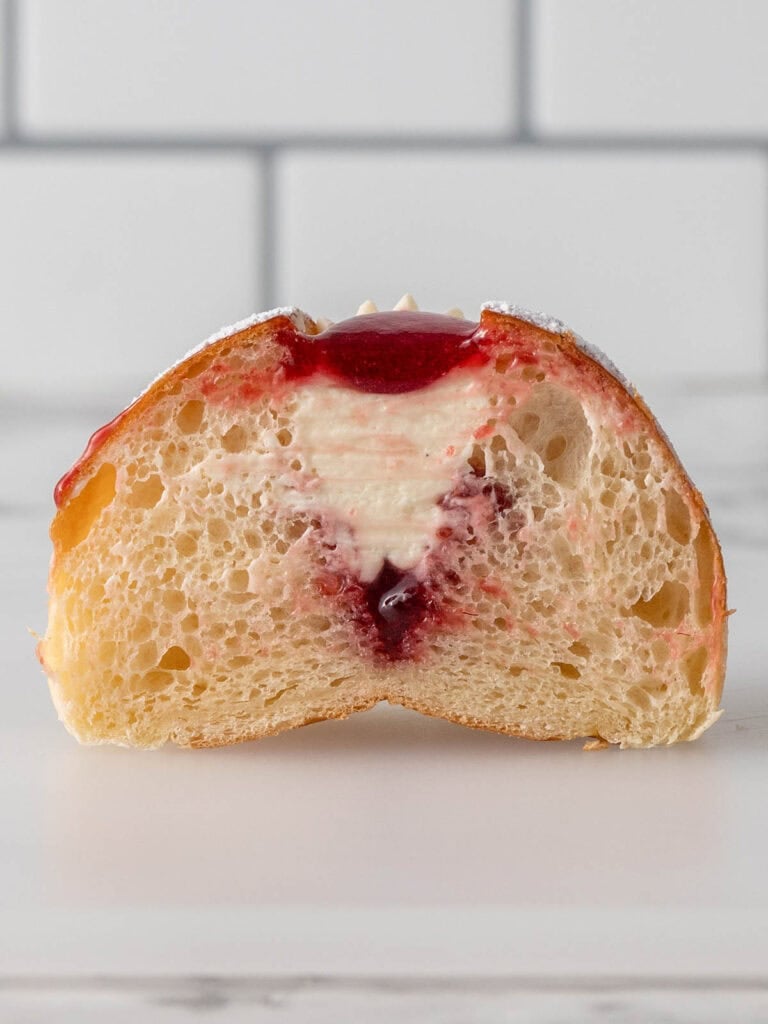
The Architecture of the Bun: A Chronology of Construction
Developing this recipe was a labor of love that spanned months of trial and error. The process is divided into distinct, crucial phases that ensure the final product hits the right notes of richness and fluffiness.
1. The Brioche Foundation
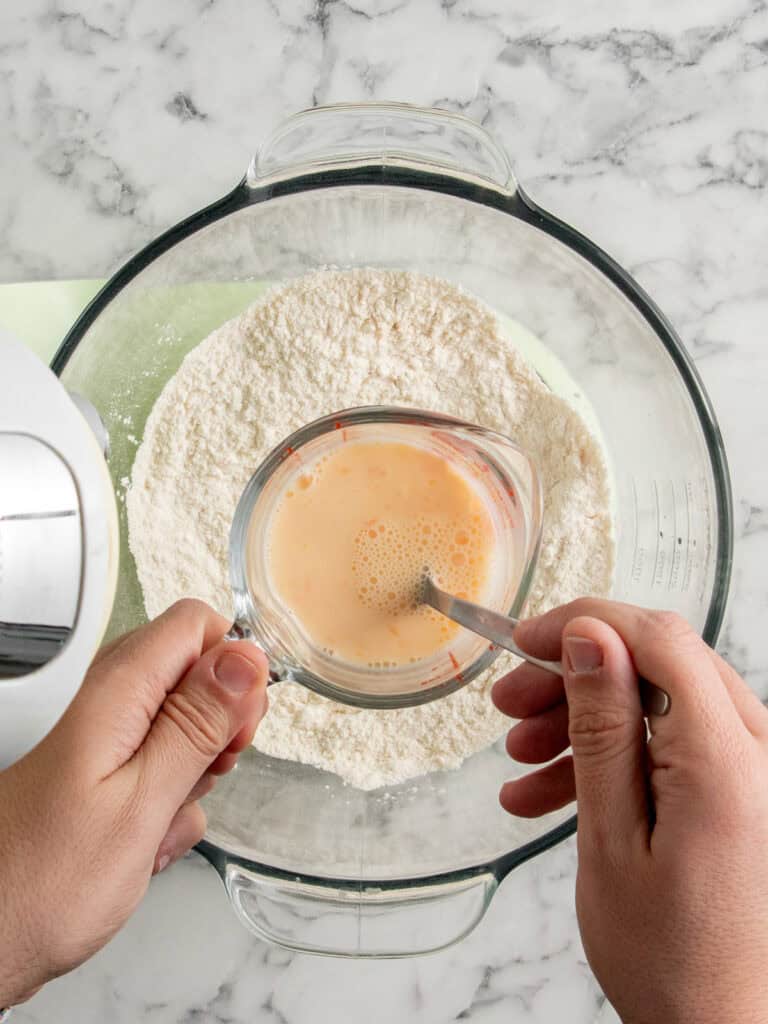
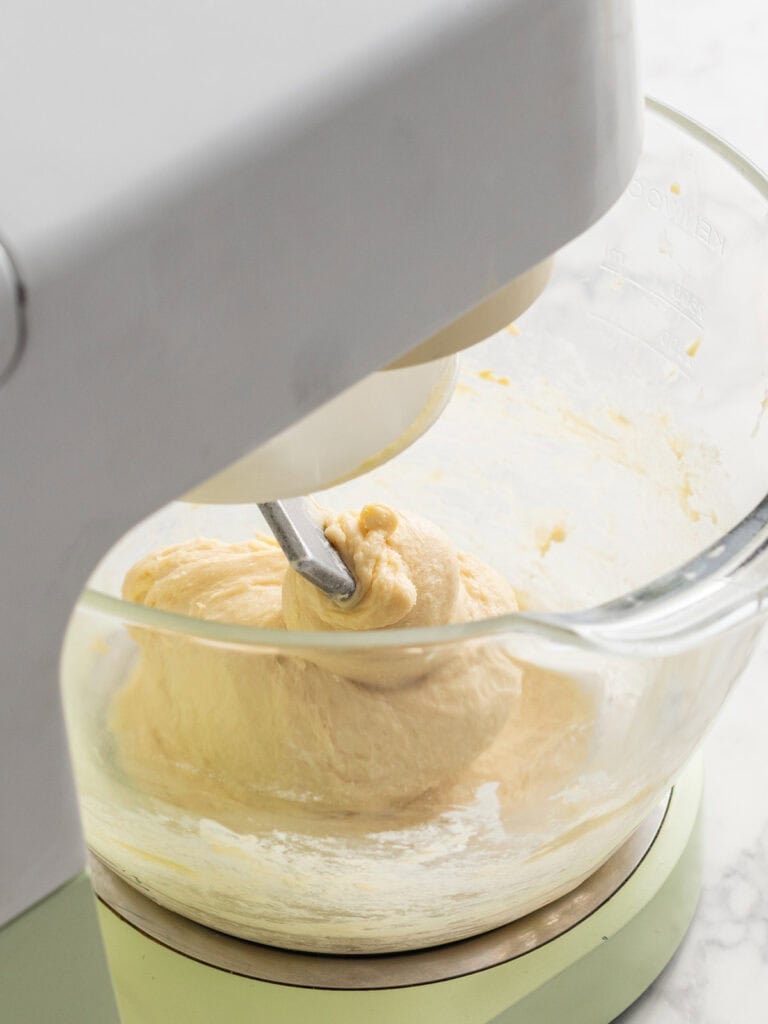
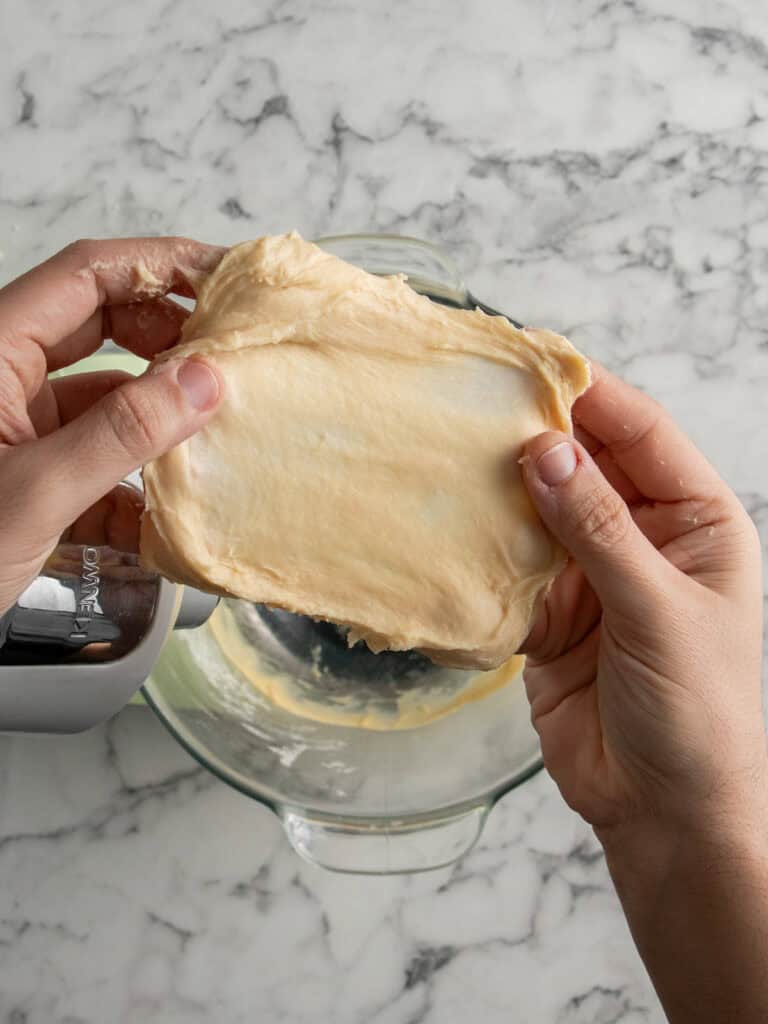
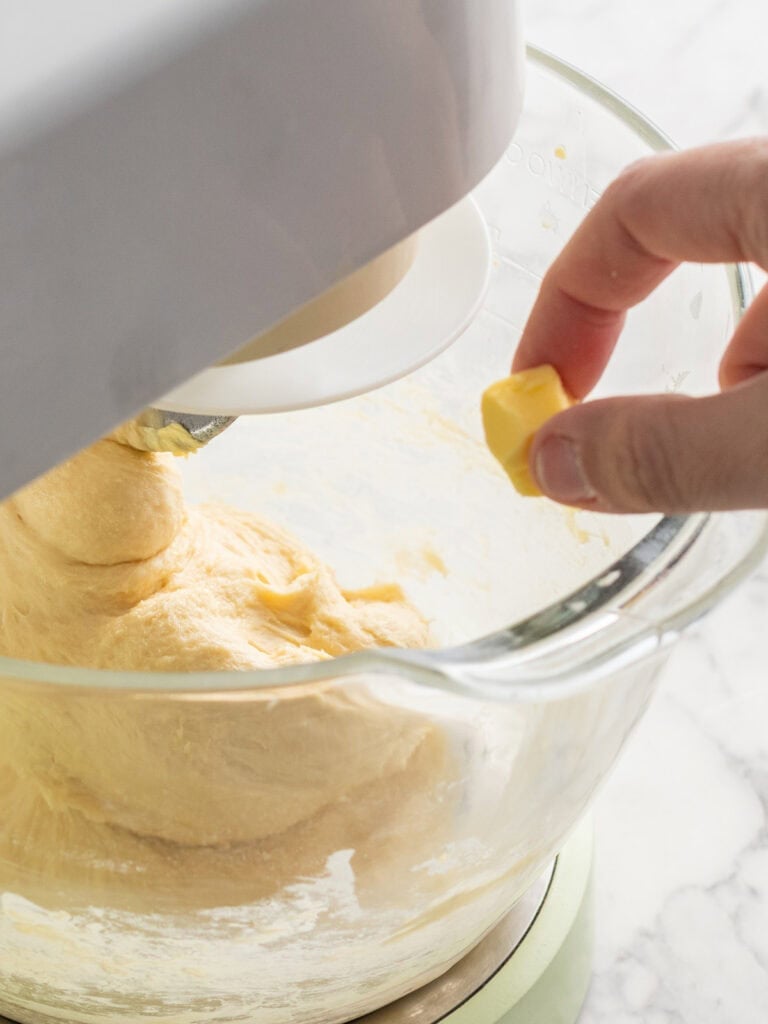
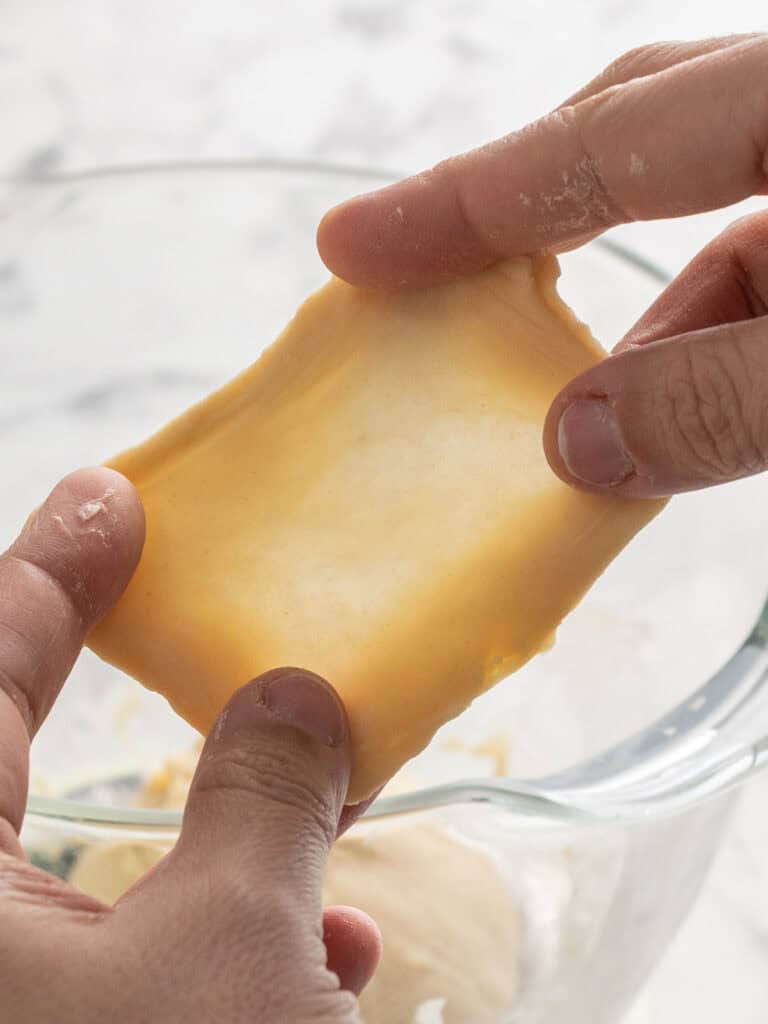
Brioche is defined by its high fat content, typically achieved through the generous inclusion of milk, eggs, and butter. The development of the dough requires a delicate balance of kneading and temperature control. Makrides emphasizes the importance of using cold ingredients initially, then gradually incorporating softened butter. If the butter is added while the dough is too warm, it melts into the flour rather than being absorbed into the structure, resulting in a dense, greasy finish rather than a light, airy one.
2. The Overnight Proofing Strategy
While some bakers attempt to rush the process, the Scran Line methodology advocates for an overnight cold proof. This extended, low-temperature rest slows the yeast activity, allowing for the development of smaller, more consistent air bubbles. This results in a tighter, more uniform crumb that provides a sturdier structure to support the weight of the Chantilly cream and jam filling.
3. Precision Shaping
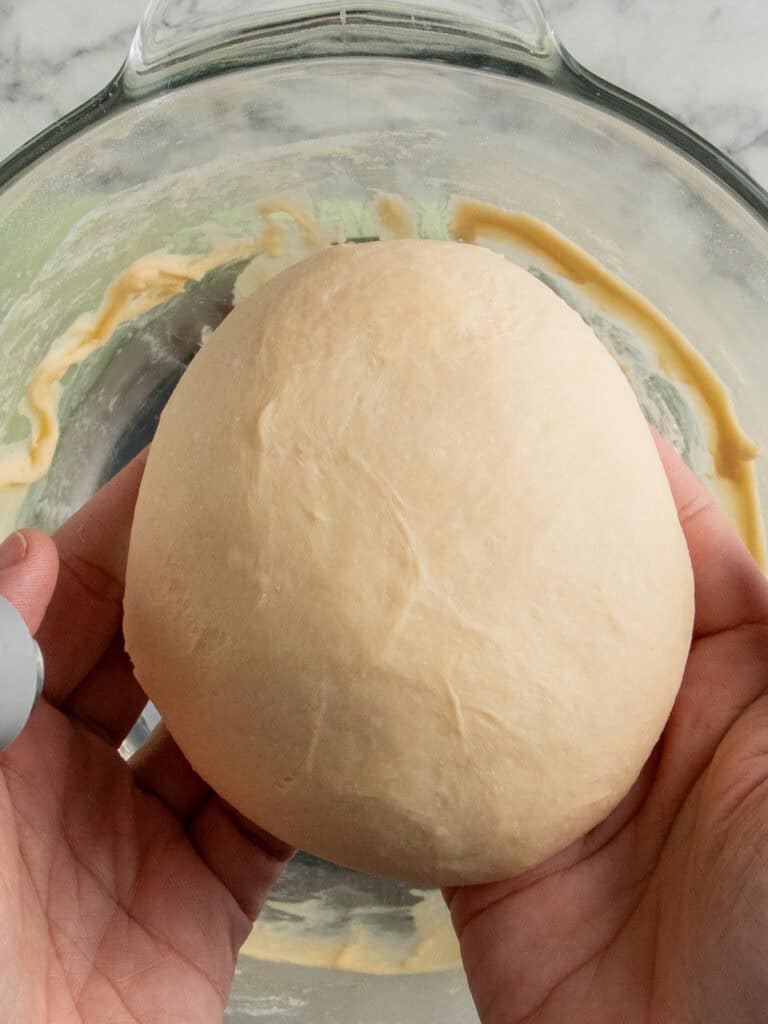
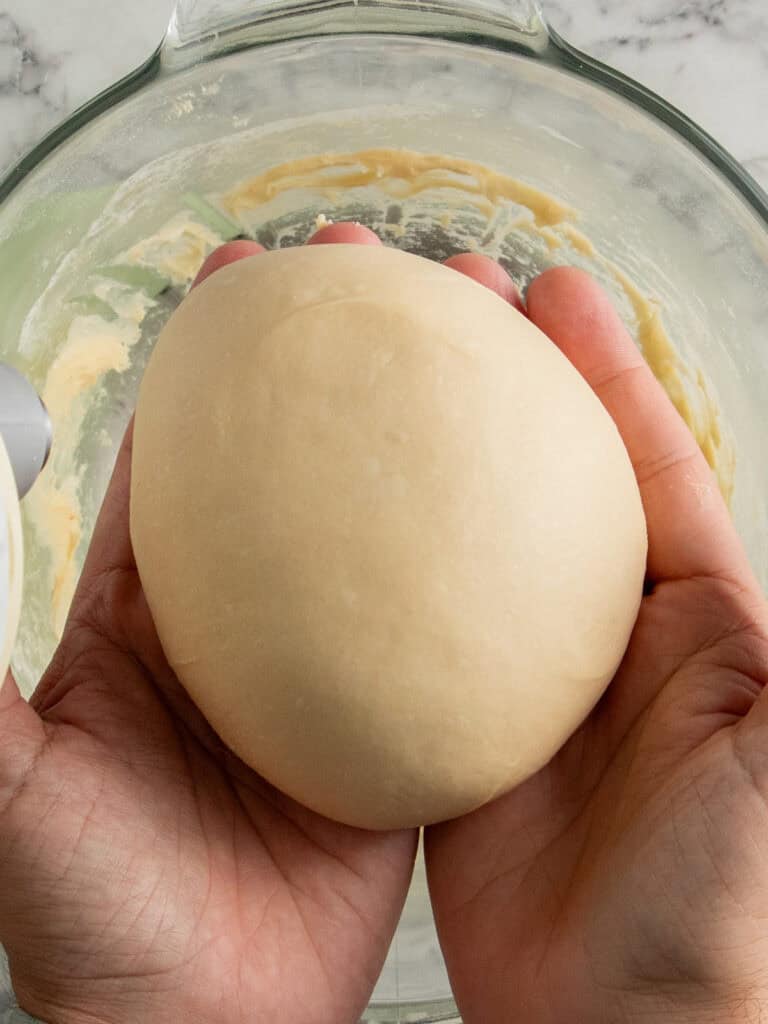
Shaping is the bridge between a good dough and a beautiful bun. By portioning the dough with digital scales and using a rounding technique that creates surface tension, the baker ensures the buns rise evenly in the oven. This tension is vital for the "pillowy" aesthetic that makes the cream bun so visually inviting.
Supporting Data: The Anatomy of the Filling
A cream bun is only as good as its filling. The composition used by Makrides relies on three pillars:
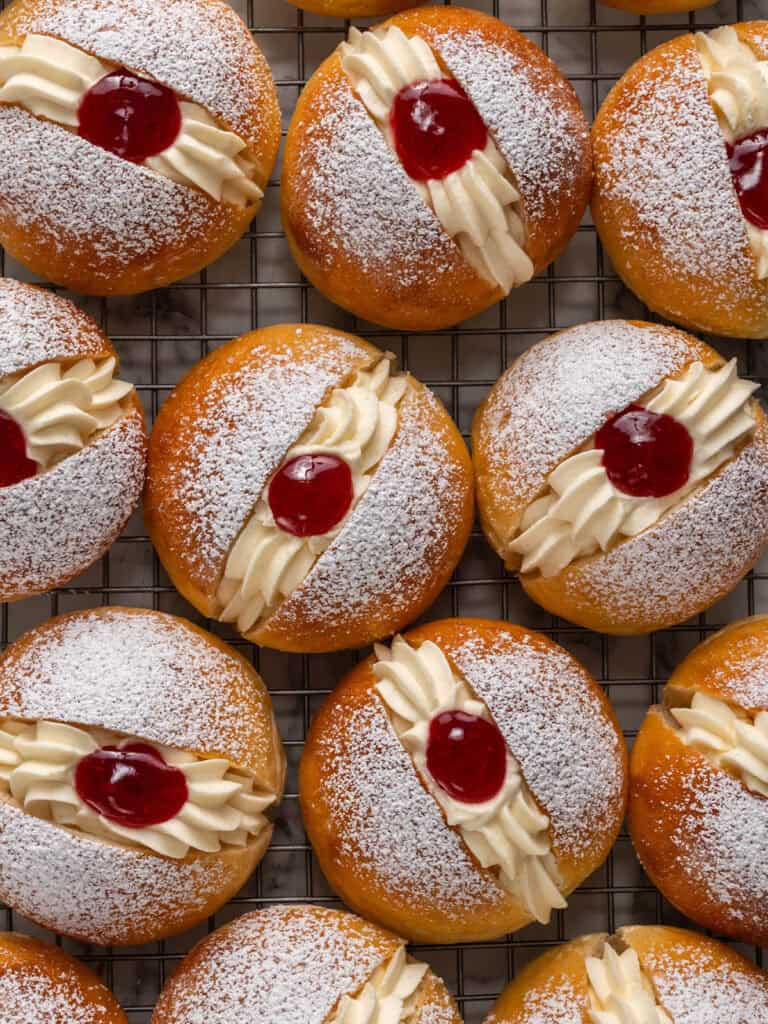
- Chantilly Cream: Unlike standard sweetened whipped cream, Chantilly is enhanced with vanilla bean paste and, crucially, mascarpone cheese. The addition of mascarpone provides structural stability, preventing the cream from collapsing or melting when placed inside the bun.
- The Raspberry Tang: The use of homemade raspberry jam is intentional. The natural acidity of the raspberries acts as a palate cleanser, cutting through the heavy, buttery richness of the brioche.
- The Dusting: A simple, final coating of icing sugar serves as a nostalgic nod to traditional country bakeries, providing a subtle, delicate sweetness that ties the components together.
Professional Perspectives on Texture and Storage
One of the most frequent points of contention in the baking world is the "shelf-life" of fresh pastries. Makrides is candid about the reality of bakery products: while his recipe is designed for maximum longevity, the peak eating window remains the day of assembly.
"The butter in the dough firms up in the refrigerator," he explains. To maintain the professional standard, he advises storing the filled buns in an airtight container to prevent dehydration, but insists that they must be brought back to room temperature before consumption. This allows the fats to soften, restoring the mouthfeel that makes the bun so desirable.
Implications for the Home Baker
The rise of such technical recipes marks a shift in home baking culture. Consumers are no longer satisfied with simple, quick-mix solutions; there is a growing demand for the "bakery-style" experience at home. The inclusion of technical details—such as the specific temperature of softened butter (18°C/65°F) and the importance of using heavy cream over light alternatives—shows a maturation in the home-baking community.
Key Takeaways for Success:
- Don’t Over-proof: If the buns don’t spring back when poked, they are over-proofed and have lost their structure.
- Temperature is Everything: From cold milk to precisely softened butter, temperature control is the difference between a dense bun and a cloud-like one.
- Stability Matters: Use high-quality mascarpone in your Chantilly cream to ensure your filling holds its shape on the counter.
Conclusion: A Masterclass in Comfort
The revival of the cream bun is more than just a trend; it is a testament to the enduring appeal of quality craftsmanship. By applying professional techniques like Tangzhong to a nostalgic format, enthusiasts like Nick Makrides are proving that with the right approach, the most "fussy" or "old-fashioned" desserts can be reimagined for a modern audience.
Whether one is a professional pastry chef or a novice baker looking to master their first brioche, the path to the perfect cream bun is paved with patience, precision, and an appreciation for the chemistry of baking. As the Scran Line approach demonstrates, when you respect the ingredients and the process, the result is more than just a snack—it is a bite of bakery perfection.


 Sagoh
Sagoh