Dwi Wanna
 Nana Wu
 Muslim
 Reynand Wu
 Ammar Sabilarrohman
 Sagoh
Sagoh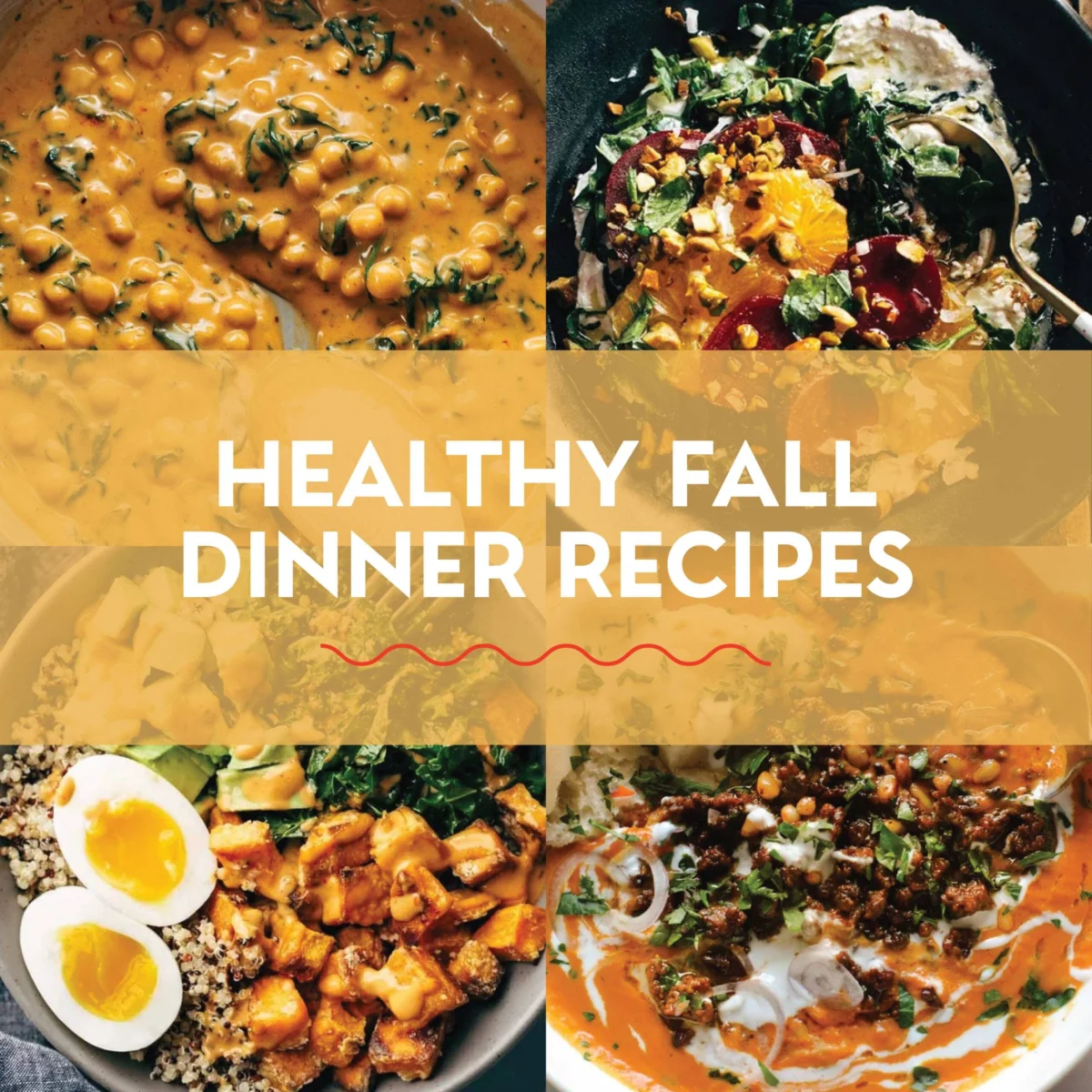
As the temperatures drop and the golden hues of autumn foliage begin to define the landscape, our domestic habits undergo a profound seasonal shift. The desire for light, cooling summer fare gives way to a profound craving for warmth, substance, and the aromatic complexity of fall cooking. For the home cook, this transition is more than a change in menu—it is an opportunity to embrace a philosophy of "nourishing comfort."
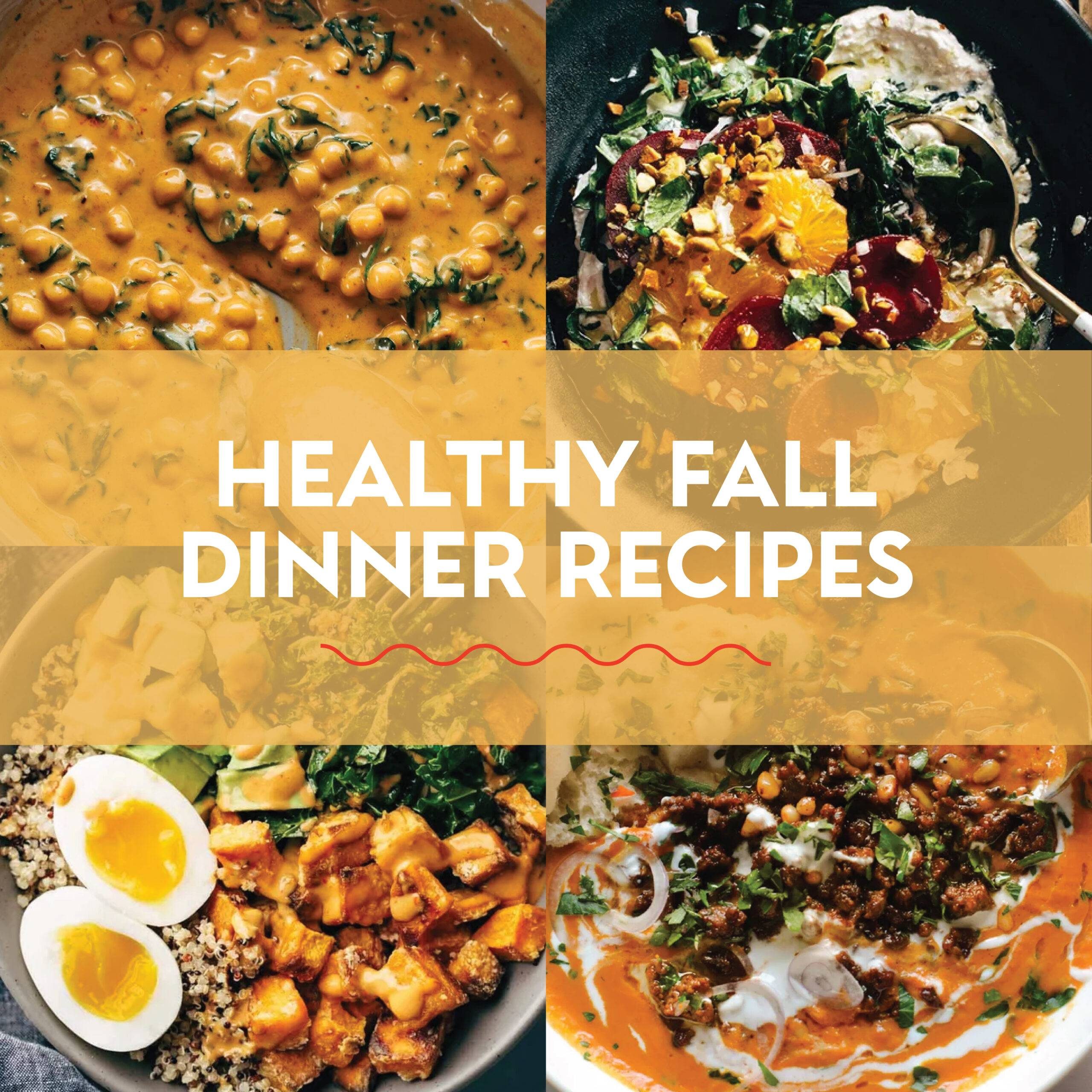
Modern culinary experts suggest that the most effective fall recipes balance the high-calorie decadence often associated with the season with nutrient-dense, whole-food ingredients. By focusing on seasonal staples such as root vegetables, hardy greens, and warming spices, one can create meals that satisfy the soul without compromising health goals.
The Evolution of Seasonal Eating: A Chronology of Comfort
The history of the "autumn dinner" is deeply rooted in the agricultural cycle. Historically, the post-harvest period was a time of abundance, requiring the preservation and utilization of late-season yields.
- Early September: The season begins with the tail end of summer’s produce—tomatoes and peppers—slowly transitioning into early-harvest cruciferous vegetables like kale and Brussels sprouts.
- Late September to Mid-October: This is the era of the root vegetable. Sweet potatoes, carrots, and beets dominate the kitchen, providing the earthy foundation for hearty soups and roasted medleys.
- Late October to November: As the chill settles in, the focus shifts toward "slow" cooking. Crockpot stews, curries, and complex braises become the primary method of preparation, utilizing the aromatic power of ginger, turmeric, and warming spices to provide physical and psychological warmth.
Supporting Data: Why Nutrient Density Matters in Autumn
Nutritionists emphasize that the psychological association between "cozy food" and "heavy food" is a false dichotomy. Recent data in dietary science indicates that fall-harvested produce is exceptionally high in essential phytonutrients.
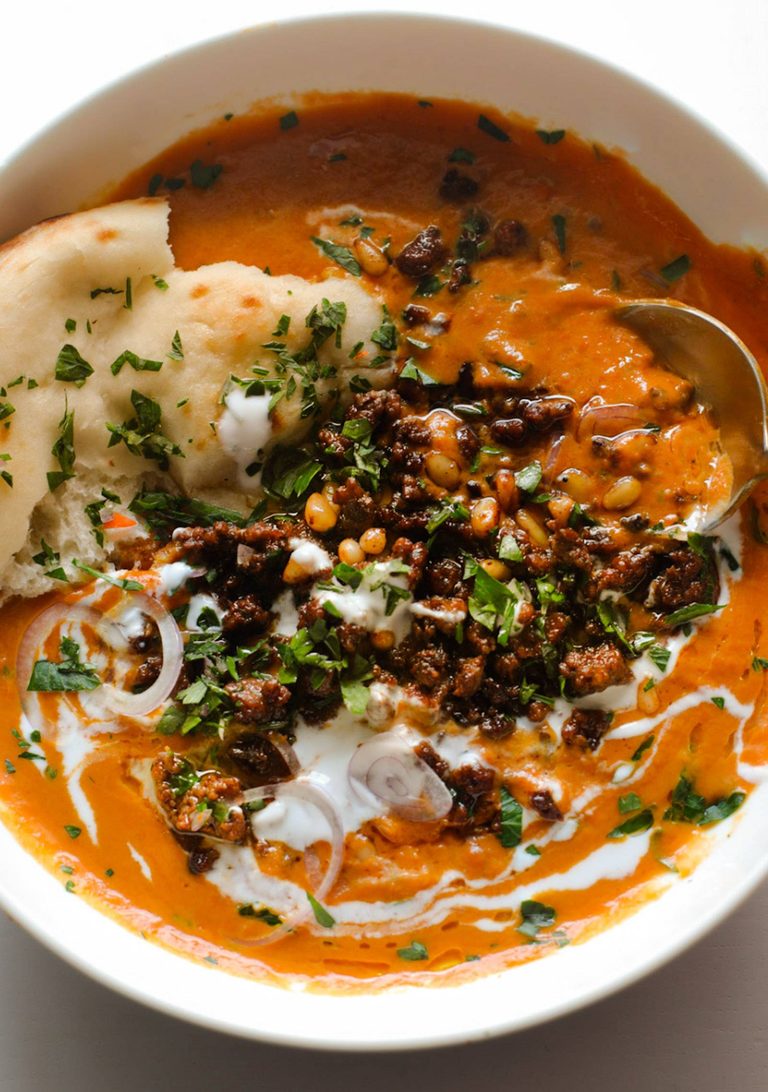
For instance, the high beta-carotene content found in sweet potatoes and carrots serves as a vital precursor to Vitamin A, which is essential for immune function during the transition into flu season. Similarly, the inclusion of fermented elements—such as sauerkraut or probiotic-rich yogurts—in fall bowls supports gut health, which is increasingly recognized as the cornerstone of overall metabolic and immune wellness.
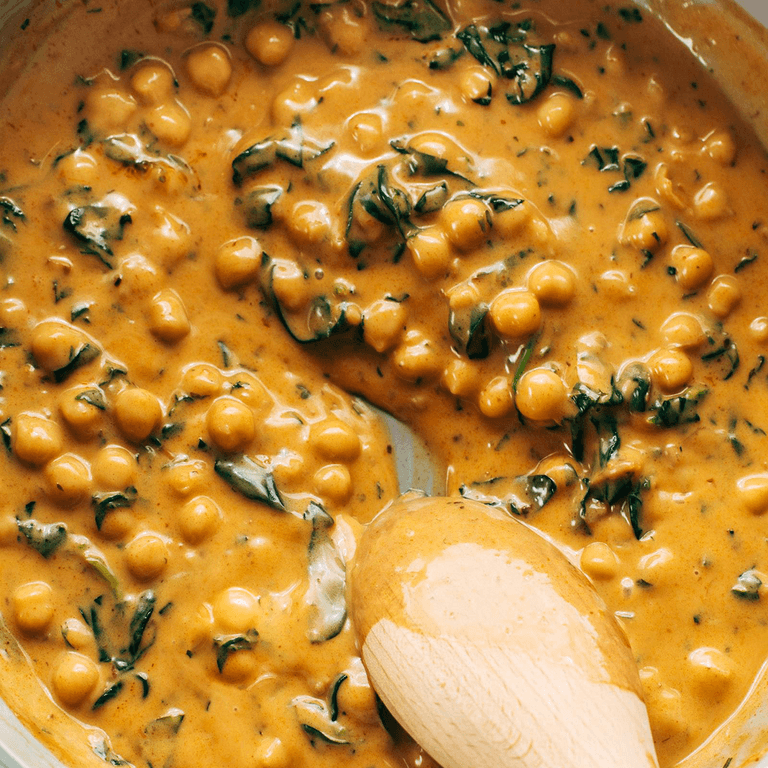
When we analyze the composition of a "perfect" fall meal, we look for three pillars:
- Complex Carbohydrates: Roasted sweet potatoes or hearty grains (quinoa, brown rice) that provide sustained energy.
- Clean Proteins: Lean chicken, salmon, or plant-based proteins like tempeh and lentils, which offer essential amino acids.
- Flavor Anchors: Acidic or spicy elements (chipotle, lime, ginger, lemon) that cut through the richness of roasted produce, keeping the palate engaged.
Curated Selections: The Essential Fall Menu
To navigate the season effectively, we have curated a selection of dishes that represent the pinnacle of autumnal nutrition.
The Power of the Bowl
The "bowl" format remains the most efficient way to manage a healthy diet during a busy work week. By combining roasted vegetables with a base of grains and a high-protein topping, home cooks can achieve a "meal-prep" lifestyle that doesn’t feel like a compromise.
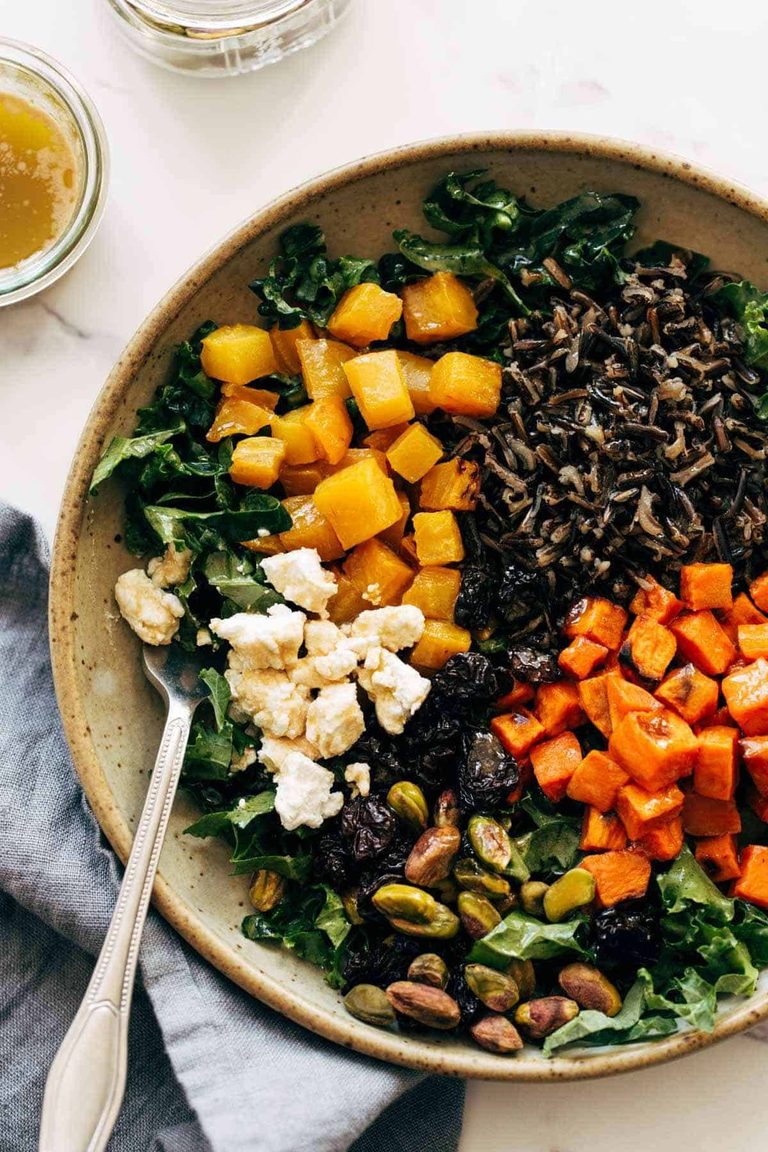
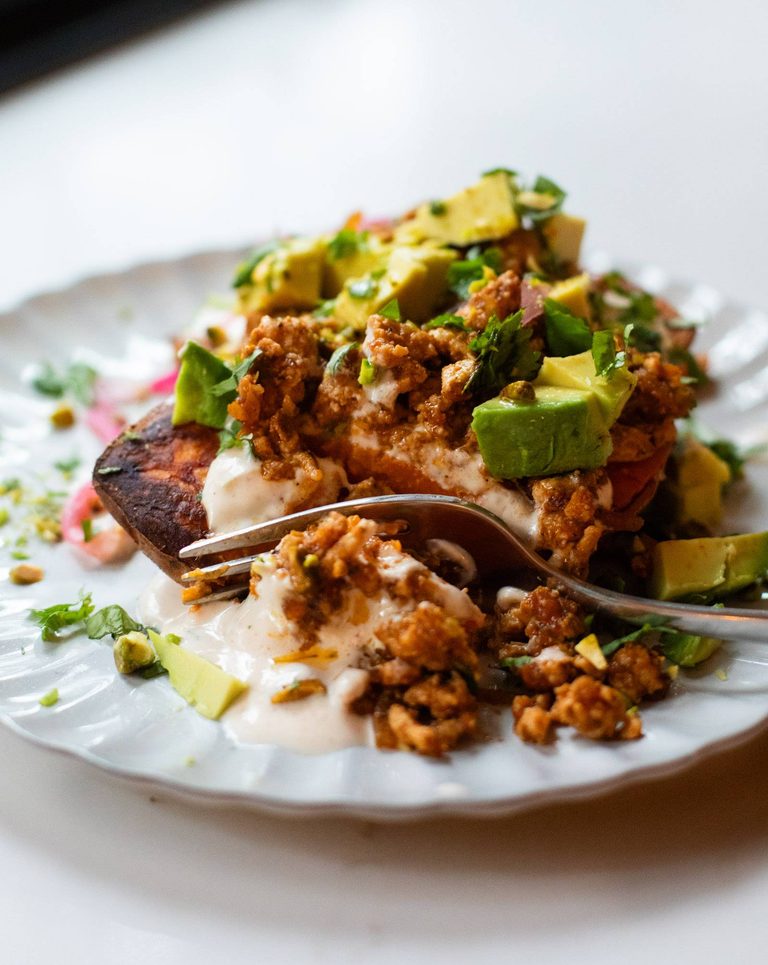
- Roasted Sweet Potato Stacks: Elevated by a spicy chipotle sauce, these provide a balance of savory and sweet.
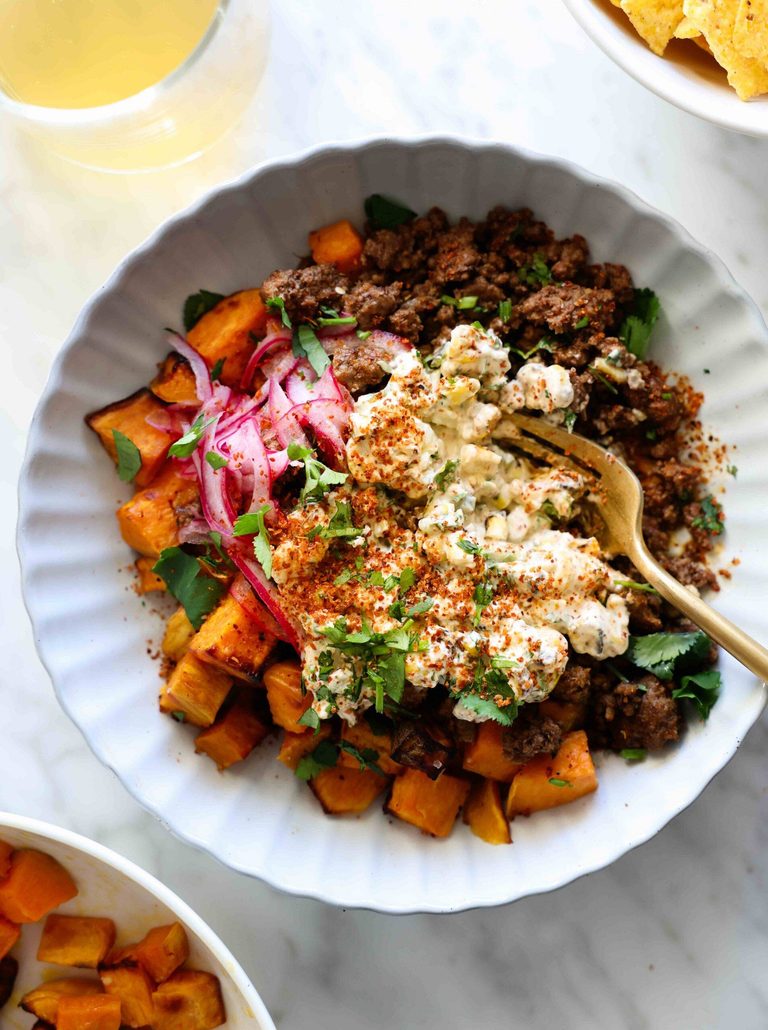
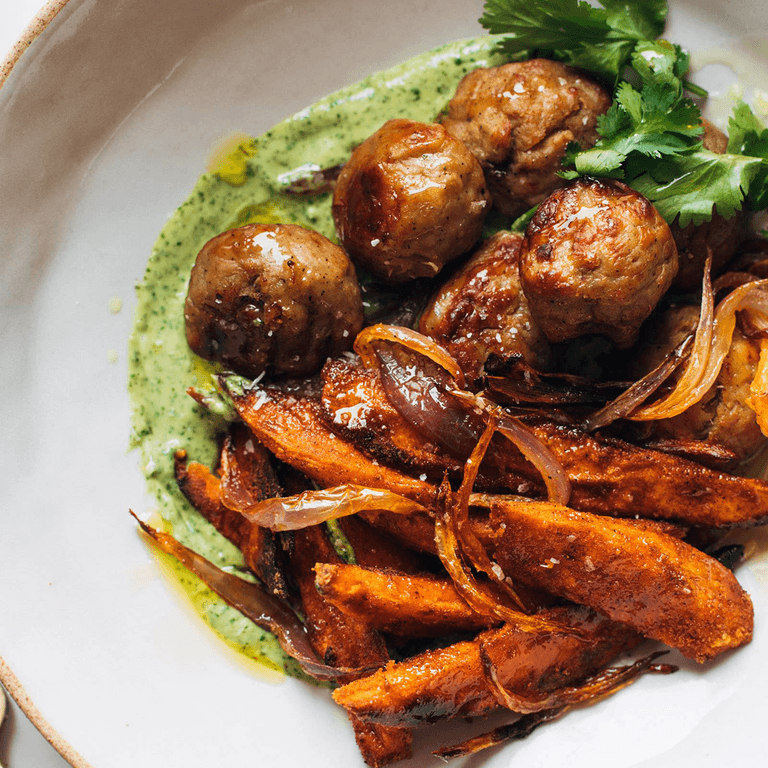
- Street Corn Beef and Sweet Potato Bowls: A testament to how comfort-food flavors can be translated into high-protein, nourishing, and balanced meals.
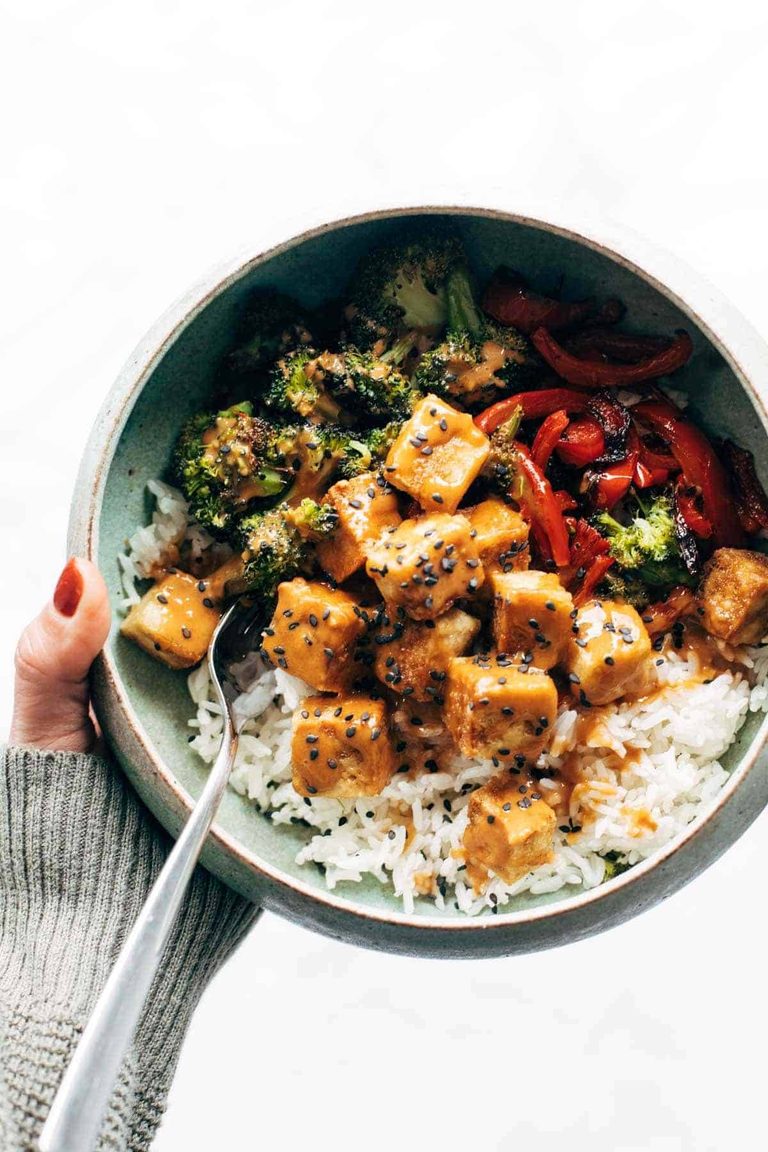
- Spicy Peanut Tofu Bowls: A perfect example of how plant-based proteins can be made satisfying through textural contrast and bold, aromatic sauces.
Soup as a Culinary Foundation
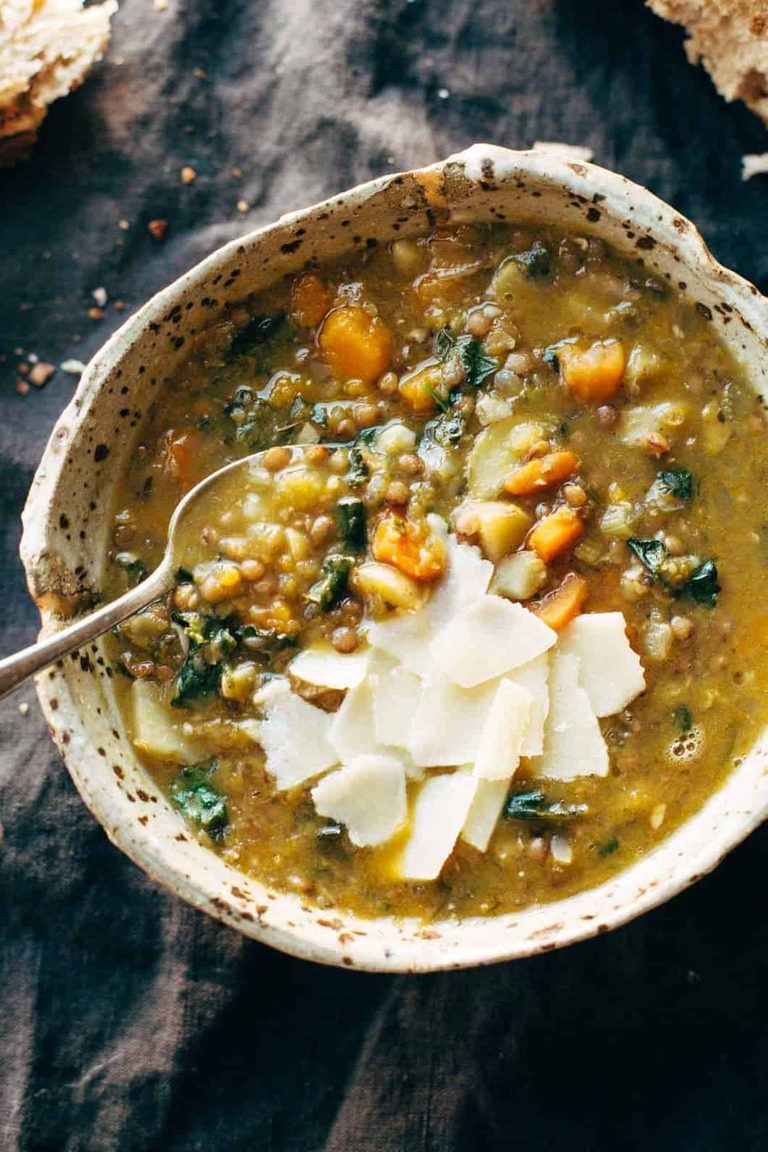
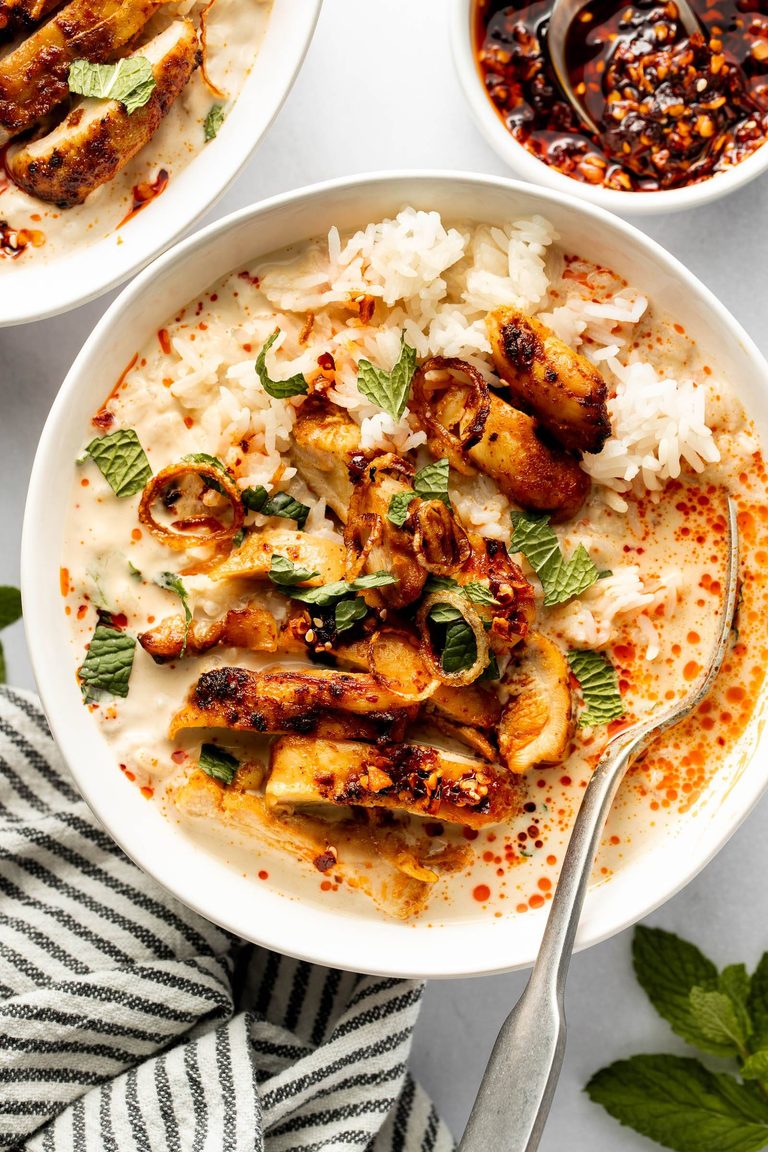
No fall guide is complete without a deep dive into the healing properties of soup. Whether it is a Healing Chicken and Rice Soup infused with ginger and lime or a Crockpot Lentil Soup that utilizes the long-simmering process to break down plant fibers for better digestibility, soup is the ultimate vehicle for hydration and nutrient absorption.

The Role of Fresh Greens
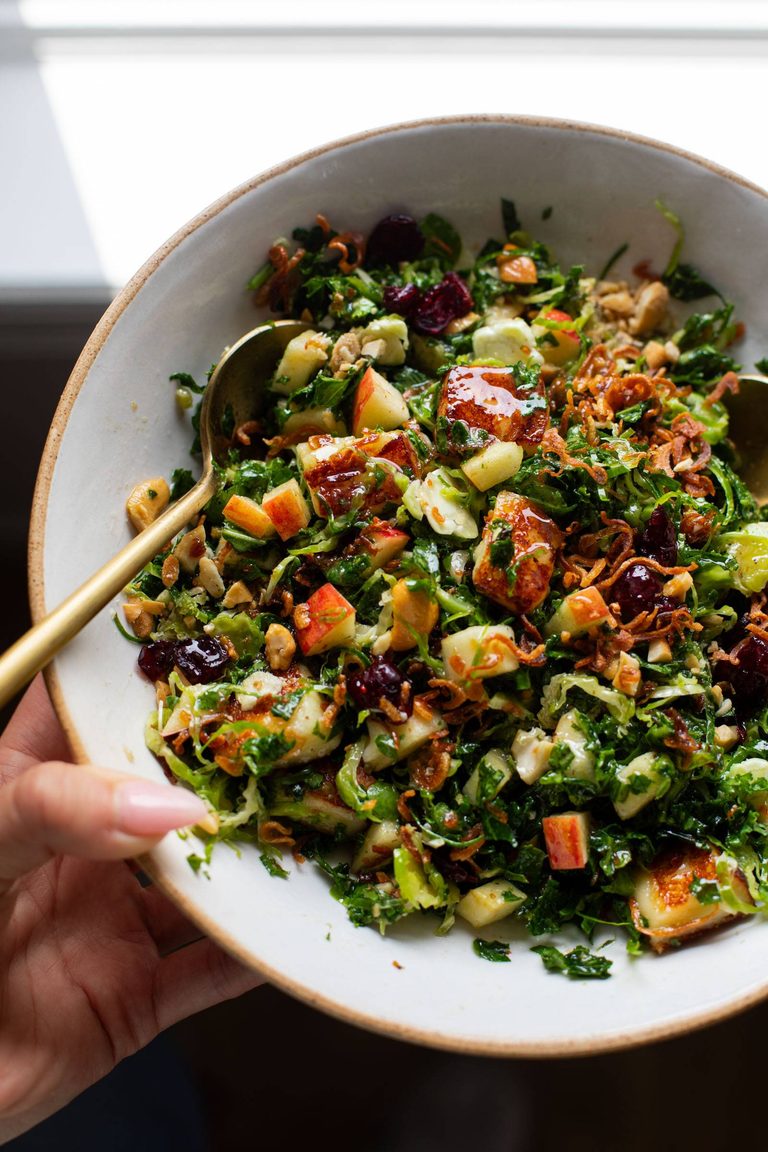
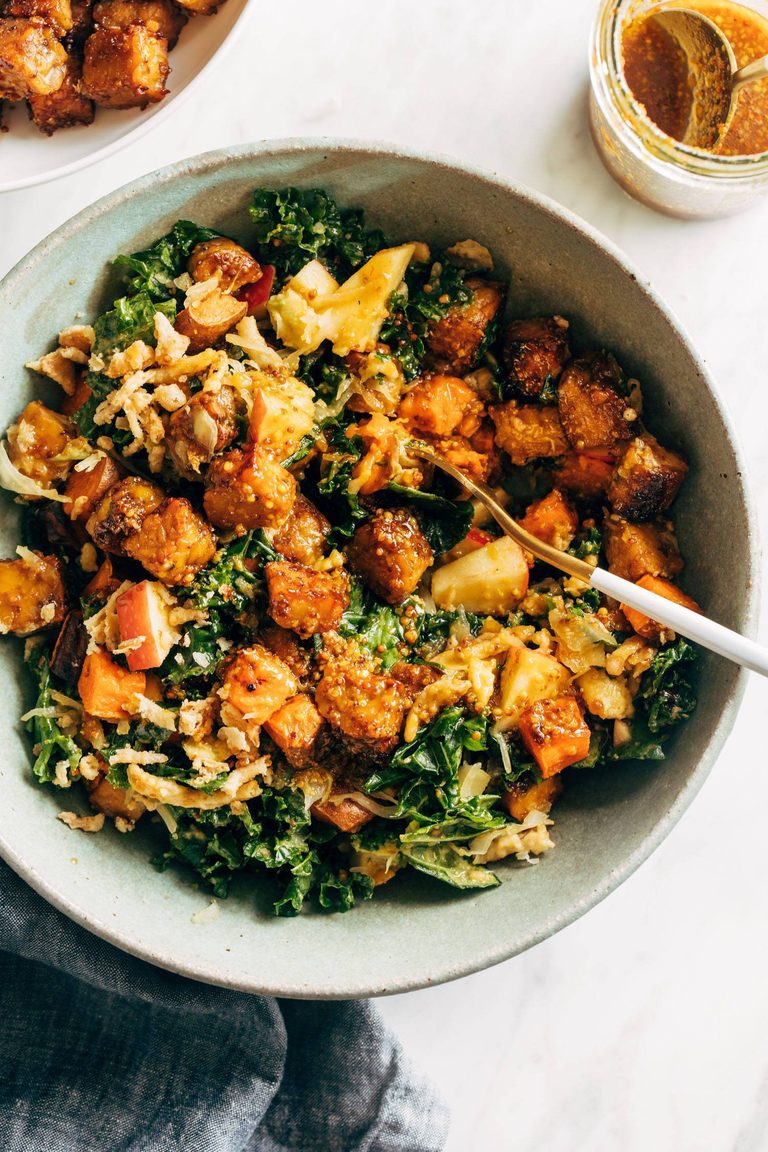
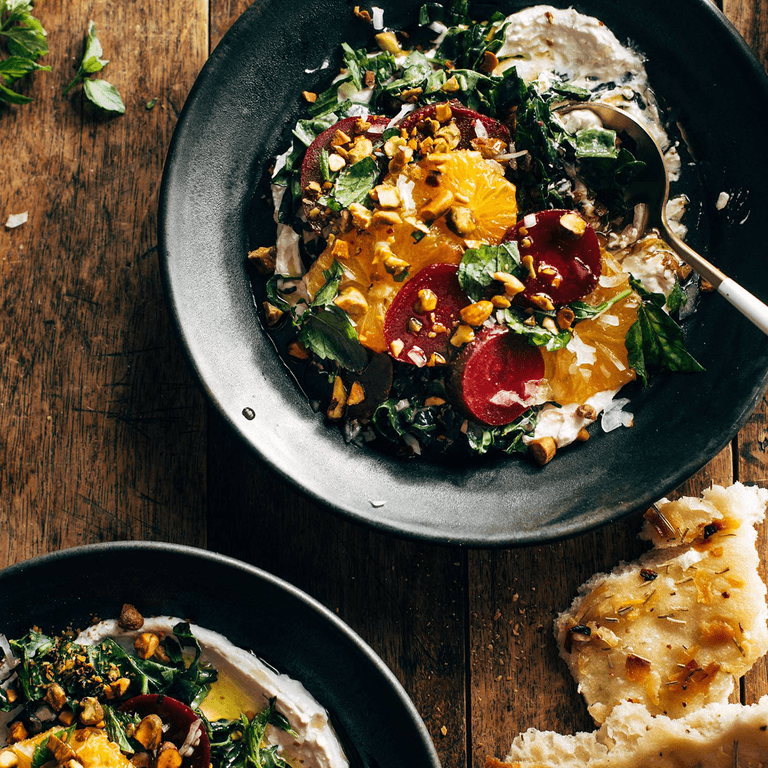
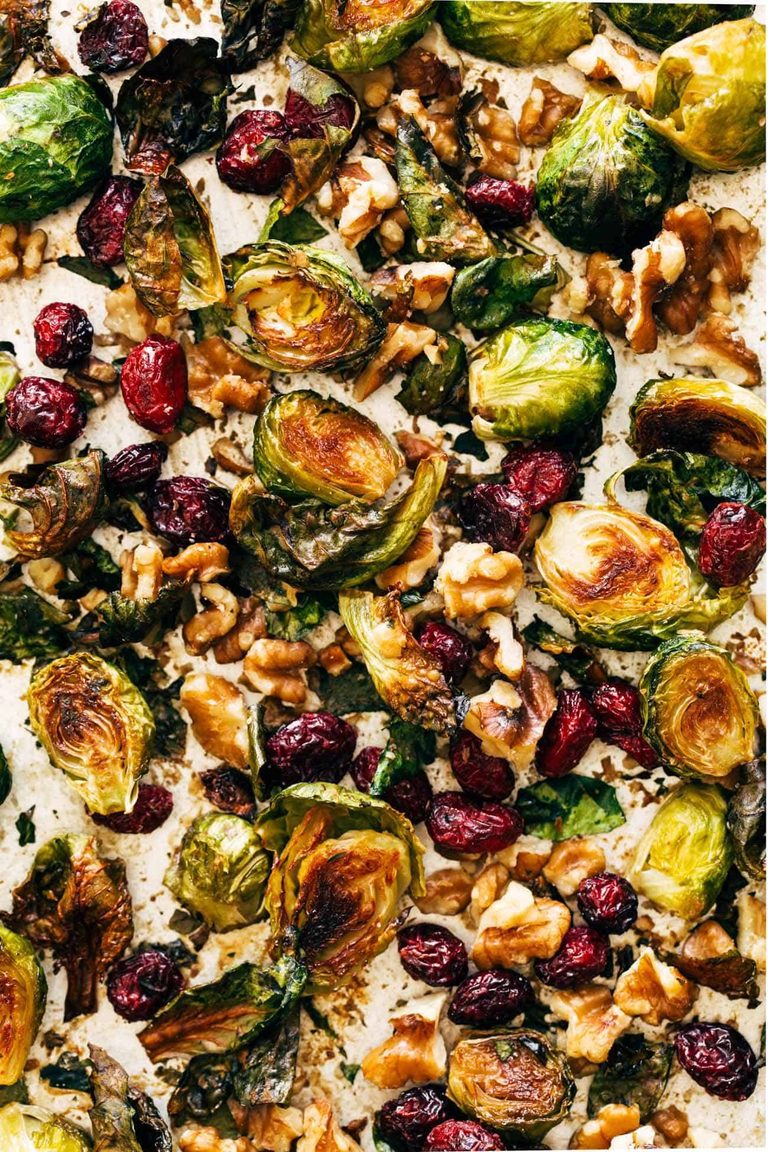
While the season is defined by roasting, the inclusion of raw or lightly massaged greens is critical for a balanced diet. A Kale Apple Salad or a Brussels & Kale Caesar provides necessary fiber and enzymatic activity, acting as a bright, crunchy counterpoint to the heavy, cooked components of the meal.
Expert Perspectives: The Culinary Philosophy of "Generous Nourishment"
Leading food researchers and chefs argue that the trend toward "health-conscious" cooking has moved away from restriction and toward "generous nourishment." The goal is no longer to eliminate calories but to maximize the quality of every bite.
"The best fall meals are those that make the whole house smell amazing," notes one culinary consultant. "When a recipe calls for roasting garlic, simmering broth with ginger, or caramelizing onions, you are creating an environment of wellness before the first bite is even taken."
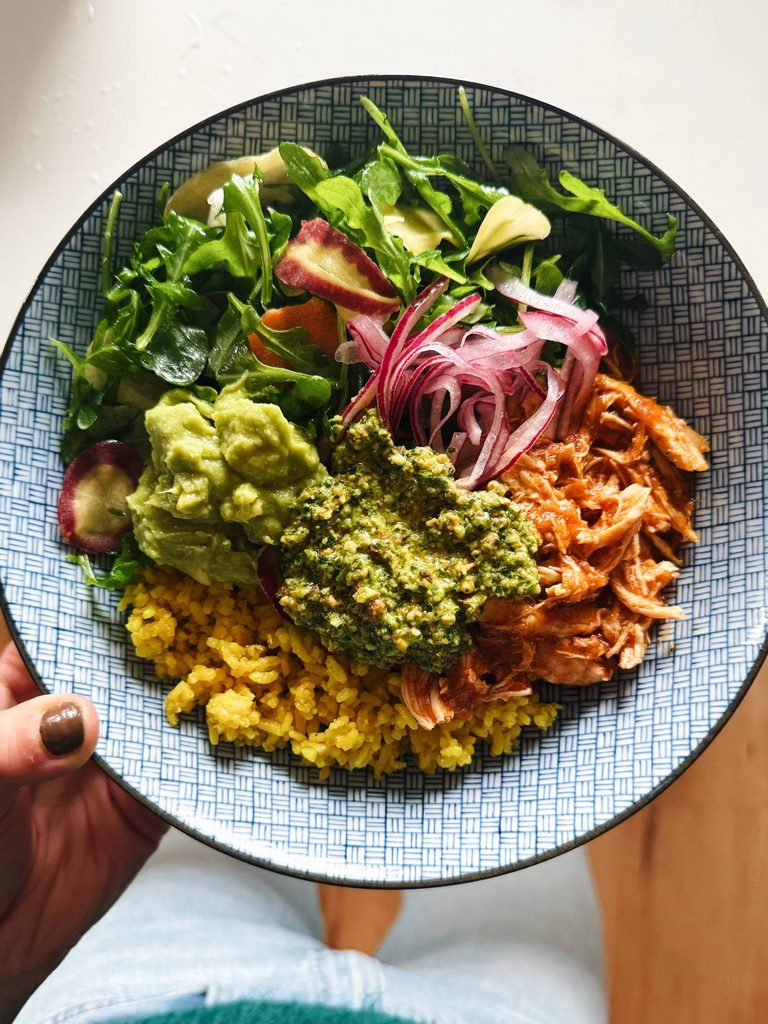
This shift in perspective is crucial for sustainability. If a meal feels like a punishment, it will not be repeated. By incorporating "luxury" ingredients like truffle ricotta, pine nuts, or a well-crafted pesto, a healthy meal becomes a celebratory experience rather than a dietary obligation.
Strategic Implications for the Modern Home
As we look at the implications of these dietary habits on our lifestyle, several key takeaways emerge:
- Efficiency through Batch Cooking: The rise of the "Crockpot" and "Instant Pot" culture allows for the creation of stews and curries that actually improve in flavor over several days. This reduces the daily cognitive load of meal planning.
- Economic Viability: By centering meals around root vegetables—which are historically affordable and shelf-stable—households can significantly reduce their grocery expenditures during the fall and winter months.
- Psychological Well-being: The ritual of preparing a warm, fragrant meal serves as a grounding activity in an increasingly fast-paced digital world. The tactile nature of chopping, whisking, and plating provides a necessary meditative break from the workday.
Conclusion: Embracing the Season
The transition into fall is an invitation to slow down and reconnect with the kitchen. By focusing on dishes that offer both comfort and clarity—such as the Coconut Curry Salmon or the Harissa Chickpeas with Whipped Feta—we honor the season’s bounty while fueling our bodies for the colder months ahead.
Whether you are a novice cook looking for simple, 15-minute meal-prep solutions or an experienced home chef eager to experiment with complex flavor profiles like lemongrass-infused broth bowls, the autumn harvest offers something for everyone. This year, allow your kitchen to be a sanctuary of health and warmth. Stock your pantry with the staples of the season, embrace the heat of the oven, and remember that nourishment, at its core, is the most profound form of self-care.
As the leaves turn and the air turns crisp, may your table be filled with the vibrant, earthy, and restorative foods that make this season truly special. Happy cooking, and here’s to a season of delicious, healthy, and cozy dining.


 Azzam Bilal Chamdy