Dwi Wanna
 Nana Wu
 Muslim
 Reynand Wu
 Ammar Sabilarrohman
 Jia Lissa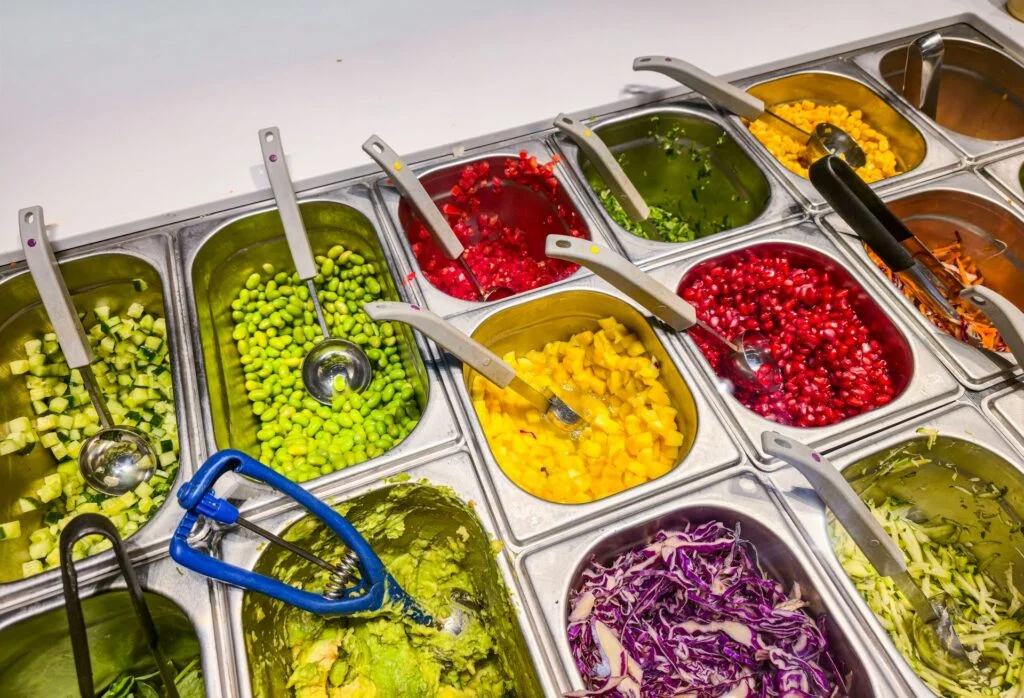
By Somia Farid Silber
The current discourse surrounding the fast-casual restaurant sector is marked by a pervasive, bordering on cynical, narrative: the "build-your-own" bowl format has reached its expiration date. Walk into any industry conference or venture capital boardroom, and the sentiment is uniform. Investors view the category as hopelessly overcrowded; operators argue the market is tapped out; and analysts point to cooling sales growth alongside a deluge of look-alike concepts as proof that the format has hit a definitive ceiling.
However, this diagnosis is fundamentally flawed. It misinterprets the structural evolution of the industry by conflating market saturation with market fragmentation. As the sector matures, the future of fast casual will not be defined by the number of new concepts entering the market, but by the transition from "good ideas" to "repeatable, scalable businesses."
Main Facts: The State of the Industry
The fast-casual sector remains a juggernaut of the modern dining landscape. According to 2025 data from Technomic, sales for the top 500 restaurant chains rose by approximately six percent, reaching nearly $77 billion. Within this surge, Mediterranean and sandwich-focused brands have emerged as the primary engines of growth.
Despite the "saturation" narrative, consumer demand for customizable, high-quality, and convenient dining remains remarkably robust. The low barrier to entry—the relative ease of launching a bowl-based concept—has led to a proliferation of small, local, and regional players. While the "build-your-own" format is ubiquitous, the execution of these concepts is wildly uneven. We are not witnessing the end of the bowl; we are witnessing a painful but necessary filtering process where the concepts that lack operational discipline will be forced to yield to those that have built, or joined, robust operating platforms.
Chronology of a Category Shift
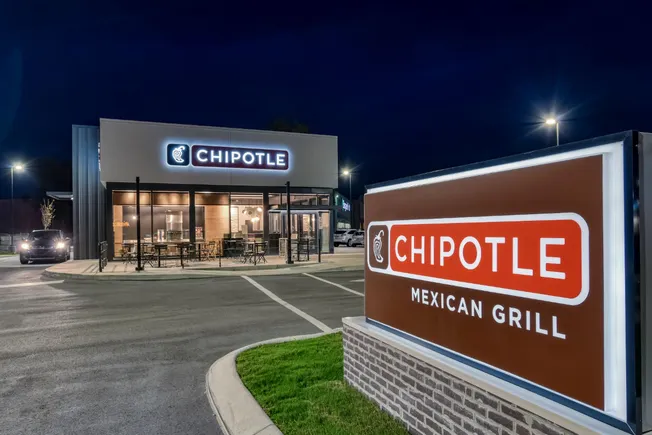
The rise of the build-your-own format followed a predictable arc. Initially, it was a revolution against the rigidity of traditional fast food. Concepts like Chipotle transformed the assembly line into a premium, customizable experience.
- The Proliferation Phase (2010–2020): During this decade, the model proved so successful that entrepreneurs rushed to replicate it across every cuisine imaginable, from Indian and Mediterranean to poke and grain-based concepts.
- The "Look-alike" Saturation (2020–2023): The ease of replicating the assembly-line format led to an influx of capital and operators who prioritized aesthetic and menu diversity over structural economics. Many concepts launched with strong brand identities but weak supply chains.
- The Correction (2024–2025): The industry hit a reality check. Rising food costs and labor pressures exposed the limitations of the "fast-casual-lite" model. High-profile incidents—such as the 2024 scrutiny of Chipotle’s portion consistency—served as a wake-up call that brand loyalty is fragile when the product experience becomes inconsistent.
- The Era of Consolidation (2025 and Beyond): We are now entering a period where individual concepts are being subsumed into larger platforms. The ability to achieve scale through shared infrastructure—rather than just expanding one unit at a time—is becoming the primary determinant of survival.
Supporting Data and Market Analysis
The misconception of saturation stems from looking at the number of concepts rather than the health of the business models. A saturated market is one where the consumer’s demand is fully met by existing players. A fragmented market, which describes the current state of fast casual, is one where demand is split among hundreds of small, inefficient, or regional operators who lack the scale to dominate.
The Cost of Complexity
A significant hurdle for many of these concepts is the "slop bowl" phenomenon. In a misguided attempt to offer "infinite" customization, brands have allowed menus to become bloated. Every extra topping, sauce, and garnish adds a layer of operational complexity. This complexity ripples through the Profit & Loss (P&L) statement:
- Inventory Management: More ingredients mean higher storage requirements and increased waste.
- Purchasing Power: A fragmented menu prevents operators from leveraging bulk buying, keeping food costs artificially high.
- Training & Execution: A complex menu is harder to teach and harder to execute consistently during a rush.
The Wells Fargo analysis of 75 Chipotle locations in 2024 highlighted the risks of this complexity. By revealing significant variation in bowl weights, the study forced the industry to confront a hard truth: guests can handle menu changes, but they cannot handle a lack of consistency. When a brand tries to protect its margins by subtly reducing portions, it erodes the very value proposition that brought the customer in the door.
Official Perspectives on Scalability
The gap between a good restaurant concept and a scalable restaurant business is the defining challenge of our time. A concept that thrives with five locations often collapses at 50 because the infrastructure required to manage that growth—purchasing, labor, training, and supply chain—is entirely different from what is needed for a single unit.
"Sales do not build the next store. Profitability does," is a mantra that every franchisee and multi-unit developer must embrace. While strong top-line sales make a brand look attractive to the public and potential investors, it is the four-wall unit economics that determine long-term viability.
Many emerging concepts are now finding that they cannot survive the leap to scale on their own. This is where the case for consolidation becomes compelling. Joining a larger operating platform provides:
- Supply Chain Resilience: Leveraging the buying power of a larger portfolio to combat inflationary pressures.
- Technological Integration: Access to advanced POS, inventory, and labor management systems that are often out of reach for smaller, independent concepts.
- Training Infrastructure: A systematic approach to quality control that ensures the product in a suburban franchise is identical to the product in a downtown flagship.
Implications for the Future
The next phase of fast casual will be defined by "disciplined scale." The concepts that will gain ground are those that have learned to balance the customer’s desire for customization with the operational requirement for a clear culinary identity.
1. Culinary Discipline
The most successful concepts will guide the guest. Instead of offering an endless, chaotic menu, they will curate combinations that make culinary sense. This protects the guest from the "slop bowl" experience while allowing the operator to streamline inventory and maximize purchasing efficiency.
2. Operational Rigor
Operators must look beyond simple price hikes. When rising food costs hit, the solution is not to shrink the portions—which destroys the value proposition—but to optimize the entire business model. This means rigorous management of labor, waste, and supply chain logistics.
3. The Consolidation Wave
I expect to see a surge in strategic acquisitions. Many regional concepts have spent years perfecting their product and earning local loyalty, but they lack the back-office, HR, and supply chain depth to grow further. These brands are prime targets for platforms that can provide the necessary infrastructure to scale these concepts without diluting their essence.
4. Focus on Unit Economics
For investors and developers, the shift is clear: move away from chasing the "next big idea" and toward vetting the "next scalable business." Does the concept have the margins to survive a supply chain shock? Can it be taught to a new manager in two weeks? Does it offer a consistent product at every single turn? If the answer is no, the concept is not ready for growth.
Final Thoughts
Fast casual is not dying; it is growing up. The "build-your-own" era was the wild west, characterized by rapid experimentation and a flood of new concepts. We are now entering the era of institutionalization. The fragmentation that currently exists in the market is not a sign of failure—it is a massive opportunity for the right operators.
The brands that win will be those that realize the assembly-line format is not a magic wand for profit, but a rigorous operational discipline that requires constant maintenance. The future belongs to those who can bridge the gap between a great, customer-loved concept and a highly efficient, repeatable business model. The ideas are already there; the winners will be the ones who build the systems to house them.

 Iffa Jayyana