 Layla Zulfa
 Laily UPN
 Neng Nana
 Sagoh
Sagoh
 Raul Delapena Setiawan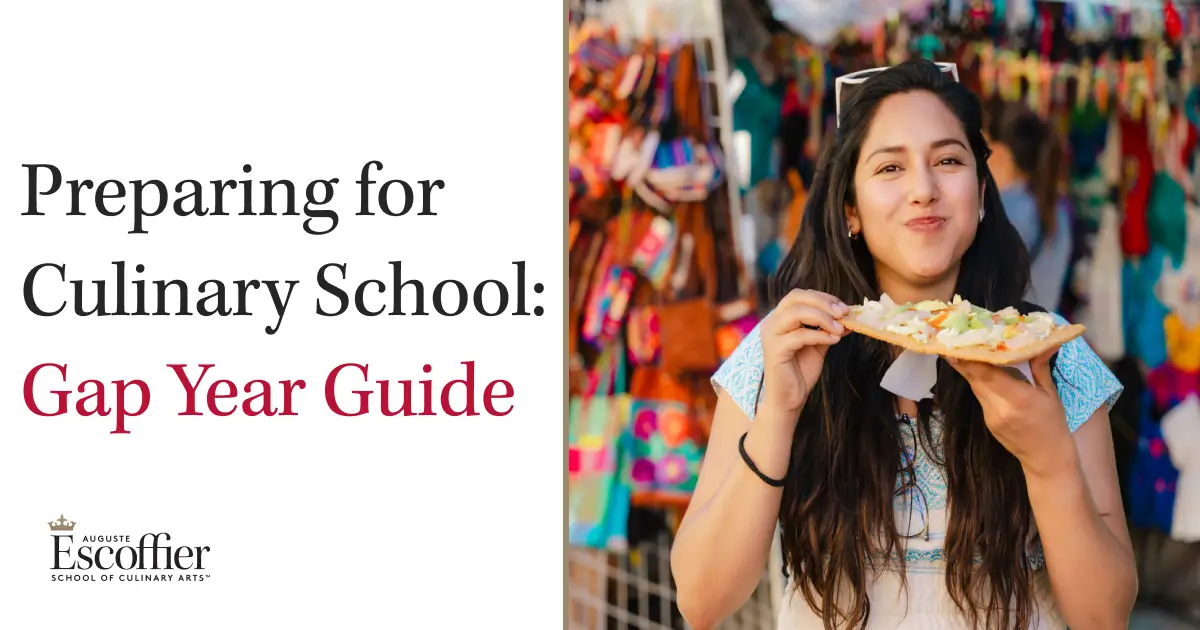
[Listen to This Article:]
High school graduation often marks a pivotal moment, imbued with significant pressure to chart an immediate course for the future. For aspiring culinary professionals, this period can be particularly intense, with friends and family frequently posing questions about the next steps: Will you immediately enroll in culinary school, or will you gain practical experience in a professional kitchen? While a direct transition into formal education suits some, a growing number of students find strategic value in taking a gap year. This intentional pause offers a unique opportunity to work, save, explore the industry, and cultivate essential skills, ultimately easing the transition into culinary school and fostering a more prepared and confident start, provided the months are approached with a clear and purposeful plan.
The Strategic Pause: Why a Gap Year Can Be Your Culinary Launchpad
The notion that a gap year might lead to "falling behind" while peers embark on their academic or professional careers is a common concern. However, the journey into the dynamic culinary world is rarely linear. For many, a thoughtfully planned gap year serves not as a delay, but as a powerful launchpad, offering invaluable real-world insights and foundational experiences that can significantly enhance one’s culinary education and future career trajectory. It’s an investment in personal and professional development that can yield substantial returns.
Main Reasons High School Graduates Opt for a Gap Year in Culinary Arts
Several compelling reasons motivate high school graduates to embrace a gap year before committing to culinary school. These range from practical considerations to a desire for deeper exploration and personal growth, each offering distinct advantages when approached with intention.
- Confirming Culinary as the Right Path: Before committing substantial time and financial resources to tuition, many students seek to validate their passion for the culinary arts. An entry-level kitchen job, such as a prep cook or dishwasher, or a formal stage with an experienced chef, provides an immersive, day-to-day glimpse into the realities of professional cooking. This hands-on experience allows individuals to test their resilience, gauge their enthusiasm for the demanding environment, and confirm if the culinary world genuinely aligns with their long-term aspirations. It’s an invaluable litmus test, potentially saving both time and money if the path proves unsuitable, or solidifying commitment if it ignites an even deeper passion.
- Financial Preparation and Resource Accumulation: Culinary education represents a significant financial commitment. A gap year offers a crucial window to work full-time, accumulate savings, and meticulously research various funding avenues. This includes delving into the complexities of scholarships, understanding the nuances of financial aid programs, and exploring flexible payment plans offered by institutions. Entering culinary school with a stronger financial footing can alleviate stress, allow students to focus more intently on their studies, and potentially reduce reliance on loans. Proactive financial planning during this period can significantly impact a student’s educational experience and post-graduation financial health.
- Addressing School Burnout and Seeking Rejuvenation: The rigors of high school, particularly during college application season, can lead to academic fatigue. A gap year provides a much-needed break from formal academics, allowing students to reset mentally and physically. This time can be creatively utilized for travel, immersing oneself in diverse food cultures, working on organic farms to understand food sourcing from the ground up, or exploring regional cuisines firsthand. Such experiences not only combat burnout but also enrich one’s culinary perspective, offering a broader understanding of ingredients, techniques, and global gastronomic traditions that textbooks alone cannot fully convey.
- Aligning Personal Circumstances: Life’s practicalities often require careful arrangement. For some, a gap year provides the necessary time to address personal circumstances that might otherwise impede a smooth transition into culinary school. This could involve arranging stable housing, establishing reliable local transit, or developing a consistent daily living routine, especially for those relocating to a new city for their studies. Ensuring these foundational elements are in place before the demands of an intensive culinary program begin can significantly reduce stress and allow students to fully dedicate themselves to their education.
- Identifying a Specific Culinary Niche: The culinary landscape is vast and diverse, encompassing far more than just restaurant cooking. A gap year is an ideal time to explore this breadth and identify a specific niche that resonates most deeply. This might involve shadowing professionals in various sectors such as artisan bakeries, large-scale catering operations, luxury hotels, food research and development (R&D) kitchens, or even food media. Understanding the daily rhythm, required skill sets, and career progression within these different environments can help students make a more informed decision about which specialized program (e.g., pastry, culinary arts, food entrepreneurship) best fits their burgeoning interests and long-term career goals.
Exploring Culinary Careers: Gaining Clarity Before Committing
The culinary education journey is multifaceted, with institutions like Auguste Escoffier School of Culinary Arts offering a comprehensive range of programs, including Culinary Arts, Baking & Pastry, Food Entrepreneurship, Plant-Based Culinary Arts, Holistic Nutrition & Wellness, and Hospitality & Restaurant Operations Management. Without prior culinary experience, choosing the most suitable path can be daunting. A gap year, strategically spent gaining field experience, offers a front-row seat to the daily operations of these diverse roles, empowering students to select a program with greater confidence and purpose.
Working in a Professional Kitchen: The Unfiltered Reality
One of the most direct and effective ways to ascertain if a culinary career is the right fit is to immerse oneself in a professional kitchen environment. Entry-level positions, such as dishwasher or prep cook, typically do not demand prior experience, and many establishments are amenable to hiring current high school students or recent graduates. These roles, while foundational, offer an invaluable, unfiltered view of the industry.
Prospective students should be prepared for the realities of kitchen work: long hours, often in physically demanding and noisy environments, and the expectation to perform tasks at a much faster pace than accustomed to. This immersive experience is a critical test. If the high-pressure, fast-paced environment invigorates rather than drains, it’s a strong indicator of a suitable career path. Conversely, if the environment proves overwhelming or unappealing, it might signal a need to explore alternative culinary opportunities outside the traditional kitchen setting, such as food styling, recipe development, or food writing.
Avoiding Bad Habits: The Importance of Mentorship and Feedback
While working in a kitchen during a gap year offers invaluable experience, it comes with a crucial caveat: experience alone does not always cultivate best practices. Shai Fernandez, an Escoffier Austin Culinary Arts graduate and Sous Chef at Sheraton Hotels and Resorts, candidly shared his concern: "I worked in [a chain restaurant], and there was a guy that had been there 30 or 40 years. But he still chopped parsley completely wrong. That’s what I was worried about—developing poor habits."
To mitigate this risk, it is paramount to actively seek mentorship. Cultivating a strong relationship with the chef or lead cooks provides an opportunity for constructive feedback. During slower periods, aspiring chefs should proactively request critiques of their knife work, their mise en place organization, or their overall form. Developing the habit of actively seeking correction, rather than passively waiting for it, is a transferable skill that will prove immensely beneficial not only during culinary school but throughout one’s entire professional career. This proactive approach transforms raw experience into refined skill.
Shadowing Chefs Across Diverse Culinary Niches: Broadening Horizons
The career paths available to culinary graduates are incredibly diverse, spanning restaurants, bakeries, hotels, catering companies, research and development (R&D) labs, food media, and beyond. Each sector offers a distinct work environment, demanding different temperaments and skill sets. For instance, a bakery might appeal to early risers with a penchant for precision, while catering could suit those who thrive on dynamic, event-based challenges. Understanding whether one is an introvert or an extrovert, or more drawn to sweet or savory creations, can also guide these choices.
Shadowing chefs and culinary professionals in these varied industries is an excellent way to gain a feel for what truly resonates. It provides insight into the daily routines, the specific pressures, and the rewards of each niche. Just as importantly, it helps individuals identify what they don’t enjoy, narrowing down their focus and preventing potential missteps in their educational and career planning. This targeted exploration fosters a more purposeful selection of a culinary program tailored to specific interests.
Traveling and Experiencing Food Cultures: A Global Palate
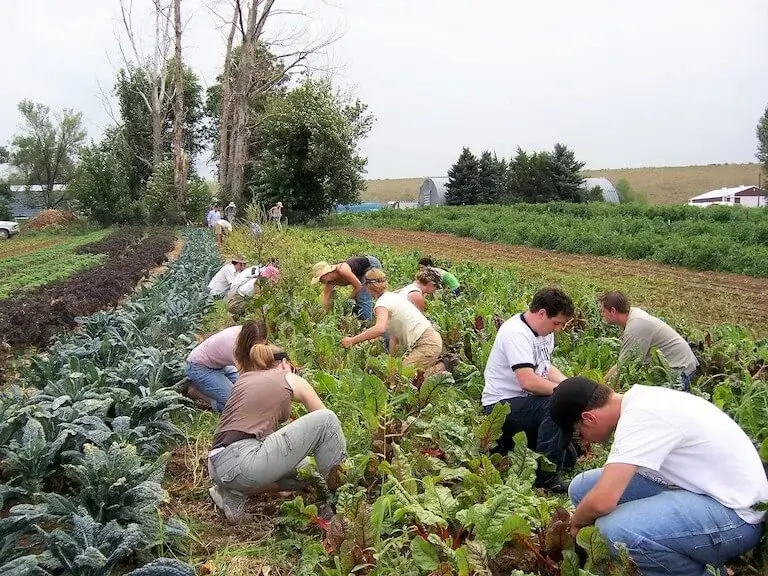
Cultural immersion through travel offers an unparalleled education for an aspiring chef. Programs such as farm stays (e.g., World Wide Opportunities on Organic Farms – WWOOF), restaurant stages (stagiaires), and volunteer initiatives provide affordable avenues to experience how different cultures approach food, agriculture, and hospitality. These opportunities range from hands-on farm work, understanding seasonal harvests and sustainable practices, to staging in overseas restaurants, learning regional techniques and flavor profiles, or even volunteer placements that exchange room and board for labor.
Such experiences cultivate a broader palate, deepen cultural competency, and foster an appreciation for the intricate connection between food, land, and community. This global perspective not only enriches one’s personal culinary philosophy but also provides a distinct competitive edge in an increasingly interconnected global food industry. It is a form of experiential learning that cannot be replicated in a classroom.
Cultivating Culinary Skills Independently: Beyond the Classroom
Beyond structured work experiences, a gap year presents a unique opportunity to independently develop and refine cooking skills, laying a solid foundation for future formal education.
Having Your Own Julie & Julia Moment: The Power of Personal Projects
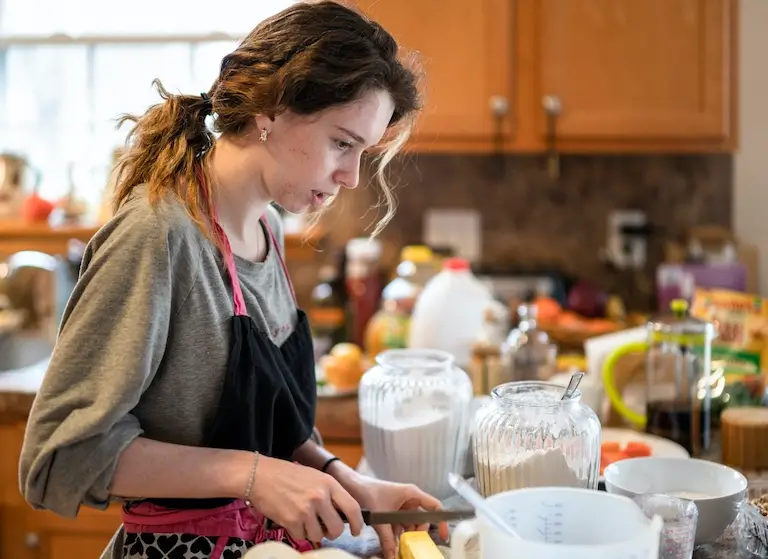
Inspired by Julie Powell’s ambitious endeavor to cook her way through Julia Child’s Mastering the Art of French Cooking, a gap year can be the perfect time to embark on a similarly challenging personal cooking project. This could involve mastering every recipe in a specific cookbook, dedicating time to a cuisine that deeply fascinates you (e.g., regional Italian, authentic Thai, intricate Japanese), or committing to cooking one new, complex dish per week, such as homemade sushi, traditional pho, tamales from scratch, or delicate pierogies.
Such projects demand discipline, problem-solving, and creativity, pushing personal boundaries and significantly expanding one’s culinary repertoire. Sharing these creations with friends and family not only provides valuable feedback but can also lead to unexpected opportunities, perhaps even establishing oneself as the go-to caterer for social gatherings. Beyond practical cooking, engaging with culinary literature—reading books by influential chefs, studying culinary history, or watching advanced instructional cooking videos—can further accelerate learning and provide a theoretical foundation before entering a formal program.
Starting to Build a Culinary Portfolio: Documenting Your Journey
A culinary portfolio serves as a dynamic record of one’s progress, skills, and creative output. For high school students, it offers a tangible way to demonstrate serious commitment to a culinary career path to family and mentors. Later, when applying for entry-level kitchen jobs or even culinary school, a well-curated portfolio can provide hiring managers or admissions committees with concrete proof of passion, existing skills, and potential, especially in the absence of extensive professional experience.
A portfolio can include photographs of prepared dishes (with attention to plating and presentation), descriptions of recipes developed or adapted, notes on techniques mastered, reflections on culinary experiences (like stages or travel), and even short essays on culinary philosophy or inspirations. This documentation process not only showcases abilities but also encourages self-reflection and continuous improvement.
Practical Preparation for Culinary School: Laying a Solid Foundation
Culinary school is a significant investment, both in time and finances. A gap year provides an invaluable period to prepare for this commitment on multiple practical fronts.
Saving with a Target Number in Mind: Financial Prudence
Before embarking on a savings plan, understanding the financial scope is crucial. Tuition costs for culinary programs vary significantly based on the institution, program type, campus location, and format (on-campus vs. online). Obtaining a clear, realistic estimate early on provides a concrete savings goal.
With a target figure established, a practical savings plan can be implemented. This might involve adopting everyday financial tactics such as automating bill payments, rigorously cutting unused subscriptions, purchasing groceries in bulk, or considering shared living arrangements to reduce expenses. Beyond personal savings, exploring flexible payment plans offered by institutions, understanding the mechanics of student loans, and actively seeking out various financial aid options are essential components of a comprehensive financial strategy.
Exploring Your Financial Aid Options: Maximizing Support
Navigating the landscape of financial aid can be complex, but a gap year offers the dedicated time to master it. Federal financial aid is available to eligible students who complete the Free Application for Federal Student Aid (FAFSA®). Familiarizing oneself with this process during the gap year can position students strongly when they are ready to enroll.
In addition to federal aid, diligent research into scholarships and grants is highly recommended. These often have specific deadlines, eligibility criteria, and application processes that differ from federal aid. Many organizations, foundations, and even culinary schools offer scholarships tailored to aspiring chefs. Proactive engagement with admissions advisors is a valuable first step, as they can provide tailored guidance on available aid and scholarships. Institutions often provide dedicated resources, such as "High School Hubs" or financial aid guides, to assist prospective students in this preparation.
Giving Yourself Time to Adjust to Adult Life: Fostering Independence
For many recent high school graduates, culinary school coincides with their first experience of independent adult living. Balancing a demanding academic program with managing personal finances, grocery shopping, meal preparation, sleep schedules, and a social life can be overwhelming, particularly when relocating to a new city.
If an on-campus program in a distant city is the chosen path, consider moving to that location a few months prior to the program’s start date. This allows for a smoother transition: securing housing, finding a local part-time job, establishing a daily routine, and learning the neighborhood’s amenities before the full academic demands begin. Even for those staying local or planning to study online, a gap year can be instrumental in practicing the fundamental skills of independent living, such as budgeting, time management, and self-discipline, which are crucial for success in any intensive program.
Building Physical and Mental Stamina: Preparing for the Rigors of the Kitchen
The culinary profession is notoriously physically demanding. A gap year is an excellent time to consciously build the physical and mental stamina required for long hours on one’s feet, often in hot, fast-paced environments. Working jobs that involve sustained standing and physical activity can help develop the baseline endurance necessary for kitchen work.
Beyond physical conditioning, attention to self-care is paramount. Investing in supportive, comfortable footwear, incorporating regular stretching or light exercise into a routine, and prioritizing adequate sleep, nutritious eating, and mental recovery strategies can make a profound difference. These practices contribute not only to physical well-being but also to mental resilience, which is equally vital for navigating the stresses and demands of both culinary school and a professional kitchen.
When and How to Move Forward with Culinary School Enrollment
One of the significant advantages offered by many culinary institutions, including Escoffier, is rolling admissions, with new programs typically starting every six weeks throughout the year. This flexibility means that once a student feels prepared and confident, they don’t have to endure long waiting periods to begin their education. As Chris Marhevka, a Boulder Culinary Arts graduate, aptly puts it, "You can make a timeline that works for you. You can figure out a budget that works for you. You can pick a program, and you can mold it to that passion."
Even if a student is not immediately ready to commit to enrollment, engaging with admissions advisors is a crucial step. These professionals can discuss potential timelines, walk through various program options in detail, and help evaluate financial aid eligibility. This pre-enrollment guidance ensures that when the time comes to formally apply, the student is well-informed and positioned for success.
Taking the Next Step When You’re Ready: A Personalized Journey
A gap year is a profoundly personal journey, and its structure will vary widely from one individual to another. For some, it might involve a dedicated period of working their way up through different stations in a professional kitchen. For others, it could be a transformative period of international travel, immersing themselves in diverse food cultures. Still, others might focus on accumulating savings, or simply taking the necessary time to gain personal footing and clarity before embarking on a significant new chapter. Regardless of its specific shape, a well-planned gap year empowers individuals to enter culinary school with a clear sense of purpose, a strengthened skill set, and an unwavering commitment to their chosen path.
When the moment of readiness arrives, the next step is clear. Reaching out to institutions like Escoffier to explore culinary programs and identify a start date that perfectly aligns with your prepared timeline is the gateway to transforming your passion into a professional culinary career.
FAQs
Q: Will a gap year put me behind my peers in culinary school?
A: Not if approached strategically. A gap year can be a significant advantage, allowing you to build financial savings, gain invaluable hands-on kitchen experience, and confirm that a culinary career is truly your passion before committing to tuition. This preparation often leads to a more focused and successful educational journey.
Q: What are the best ways to utilize a gap year for culinary aspirations?
A: To maximize your gap year, consider working in a professional kitchen (even in an entry-level role), shadowing chefs in various culinary environments (restaurants, bakeries, catering, R&D), diligently saving money, and thoroughly researching financial aid and scholarship options. Traveling to experience different food cultures or undertaking a restaurant stage (stagiaire) abroad are also highly enriching options.
Q: Can I get a job in a professional kitchen without prior experience during my gap year?
A: Yes, absolutely. Entry-level positions such as dishwasher, prep cook, or commis typically do not require prior experience. Many kitchens are actively willing to hire motivated high school students or recent graduates. These roles offer an insightful and practical introduction to professional kitchen operations, allowing you to gauge if the environment is a good fit for your aspirations.
Q: How flexible are culinary school start dates if I take a gap year?
A: Many culinary institutions, including Escoffier, offer flexible rolling start dates, often every six weeks throughout the year. This provides ample flexibility to align your enrollment with your personal timeline and preparedness. However, it is always advisable to research deadlines and specific requirements well in advance. Speaking with an admissions advisor early can help you understand your options, explore financial aid, and plan for your target start date, even if it’s a year or more away.


 Iffa Jayyana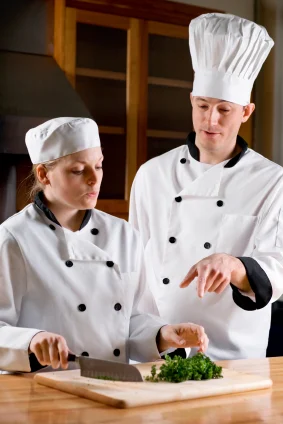
 Ali Ikhwan