Azzam Bilal Chamdy
 Neng Nana
 Nana Muazin
 Dwi Wanna
 Raul Delapena Setiawan
 Iffa Jayyana
The culinary world is a vibrant, ever-evolving ecosystem, far removed from the singular image of a chef toiling over a hot stove. Today, a passion for food can lead individuals down dozens of distinct, rewarding paths, from orchestrating high-volume restaurant operations to meticulously styling dishes for media campaigns, or innovating new products for retail shelves. This diversity means that finding the "right" career isn’t about adhering to a single blueprint; it’s about harmonizing one’s unique strengths, ideal working environment, and long-term lifestyle aspirations with the perfect professional role.
To illuminate this expansive landscape, we’ve identified 15 prominent careers spanning the modern food industry. These roles have been carefully selected to showcase the vast array of opportunities available, pairing classic kitchen hierarchies with innovative, creative, and entrepreneurial ventures. Below, aspiring culinarians will discover practical insights into average salaries, projected job growth, essential skills, typical career timelines, and how specialized educational programs, such as those offered by Escoffier, can transform a vision into a tangible career reality.
Note: All salary figures are median averages as of July 2026 unless otherwise specified. Job outcomes, including employment and earnings, can vary significantly based on individual experience, geographic location, economic conditions, and other factors. This article provides general insights and should not be considered a guarantee.
15 Culinary Careers: A Snapshot of Opportunity
| Career | Work Environment | Key Skills | Median Salary* |
|---|---|---|---|
| Chef Consultant | Client sites, test kitchens, remote | Culinary expertise, business acumen, communication | $76,893 |
| Chef Instructor | Culinary school, college, high school | Culinary expertise, mentorship, curriculum dev. | $52,989 |
| Chocolatier | Boutique shop, commercial facility, pastry | Tempering, precision, flavor development | $25,739 |
| Executive Chef | Restaurant, hotel, resort, corporate dining | Leadership, menu development, budgeting | $87,208 |
| Food Blogger | Home, studio, on-location | Recipe development, food photography, content strategy | $43,900 |
| Food Stylist | Film sets, photo studios, ad agencies | Visual presentation, food science, collaboration | $71,121 |
| Ghost Kitchen Owner | Commercial kitchen | Business planning, delivery logistics, marketing | Varies |
| Health Coach | Wellness center, corporate, home | Nutrition, coaching techniques, goal setting | $61,600 |
| Pastry Chef | Restaurant, bakery, hotel, pastry shop | Baking science, precision, artistic skill | $69,623 |
| Personal Chef | Client homes, commercial kitchen | Menu planning, client relations, time management | $62,500 |
| Pitmaster | BBQ restaurant, food truck, competition | Meat science, fire management, consistency | $100,006 |
| Recipe Developer | Test kitchen or home kitchen | Food science, creativity, recipe testing | $92,020 |
| Restaurant Manager | Restaurant, cafe, hotel F&B | Operations, customer service, financial management | $57,239 |
| Sous Chef | Restaurant, hotel, resort | Kitchen management, team leadership, technique | $55,754 |
| Wedding Cake Designer | Home bakery, commercial kitchen, bakery | Cake design, client consultation, decorating | $42,080 |
Salary sources are cited and linked within the corresponding career description sections below.
How to Choose Your Ideal Culinary Career: A Self-Reflection Guide
Before embarking on a deep dive into specific roles, a period of thoughtful self-assessment can be incredibly beneficial. Aspiring culinary professionals are encouraged to reflect on several key questions to clarify their aspirations and identify potential misalignments. Consider the following:
- What is your ideal work environment? Do you thrive in the high-pressure, fast-paced atmosphere of a fine-dining kitchen, or would you prefer the creative solitude of a test kitchen? Perhaps a more structured educational setting, or the flexibility of a home-based business, aligns better with your personality.
- What kind of work-life balance are you seeking? Some culinary careers demand long, irregular hours, while others offer more traditional schedules. Be honest about your capacity and desire for overtime, weekend work, and holiday commitments.
- What aspects of food truly excite you? Is it the precision of pastry, the artistry of plating, the science of flavor development, the business of hospitality, or the connection to health and wellness?
- Are you drawn to leadership and management, or hands-on creation? Do you see yourself guiding a team, or are you more fulfilled by the individual craft?
- What are your long-term financial goals? Different roles offer vastly different income potentials and stability.
- What kind of impact do you want to make? Is it through feeding people directly, educating the next generation, influencing dietary habits, or shaping food culture?
Taking the time to brainstorm what you want (and don’t want) in a food industry job is a crucial first step in outlining your career path. However, if you’re still unsure, that’s perfectly acceptable. The culinary industry is renowned for its flexibility, often allowing individuals to explore various roles and gain experience without making an immediate, significant commitment. This exploratory phase can be an invaluable part of the journey.
Job Growth & Career Potential in Culinary Arts: A Robust Outlook
The food world is a colossal economic engine, spanning a vast spectrum of work styles, income potentials, and entrepreneurial opportunities. In the United States alone, the culinary sector is a foundational industry, employing approximately 10% of the total workforce. This significant footprint underscores its enduring importance and the continuous demand for skilled professionals.
Furthermore, the employment outlook for chefs and head cooks is projected to grow by 7% through 2034, a rate significantly faster than the national average for all occupations. This robust growth is driven by several factors, including an expanding population, a sustained interest in diverse dining experiences, the rise of food tourism, and the proliferation of innovative food service models like ghost kitchens and specialized catering. Whether your ambition lies in a traditional kitchen leadership role within an established institution or in launching a home-based entrepreneurial venture, the culinary industry offers ample room to build a lasting, fulfilling career. Let’s take a closer look at how these diverse roles operate on the ground, beginning with the traditional hierarchy of the professional kitchen.
Restaurant and Kitchen-Based Careers: The Heart of Culinary Operations
Executive Chef
At the apex of the revered brigade de cuisine – the hierarchical system of kitchen roles first formalized by Georges Auguste Escoffier in the late 19th century – sits the Executive Chef. This individual is the culinary visionary and operational commander, often overseeing every facet of a kitchen’s function. Their responsibilities are expansive, encompassing menu creation and approval, meticulous management of food costs and labor budgets, setting and upholding rigorous quality standards, hiring and training staff, and forging relationships with suppliers to ensure the highest quality sourcing.

Executive chefs find opportunities in diverse settings, from Michelin-starred fine dining establishments and luxury hotels and resorts to sophisticated corporate dining programs and expansive multi-unit restaurant groups. In larger, more complex operations, the executive chef may rarely engage in hands-on line cooking, instead functioning as the strategic and creative leader whose overarching vision the entire culinary team meticulously executes.
Attaining the coveted executive chef position is typically the culmination of years of intensive training, formal culinary education, and extensive hands-on experience. Most chefs meticulously work their way through every level of the brigade – from commis (entry-level cook), to chef de partie (station chef), to sous chef – before finally stepping into the top leadership role. As award-winning chef and culinary consultant André Natera aptly puts it, "you’re going to have to walk through fire to get to that coveted executive chef position." It’s a journey demanding resilience, dedication, and an unyielding commitment to excellence.
| Salary | Median: $87,208 Majority Range: $78,187 – $96,844 |
|---|---|
| Key Skills | Leadership, menu development, budgeting, kitchen operations, strategic planning, staff management |
| Estimated Years of Experience | 5 years of experience as a chef de cuisine, executive sous chef, or chef in charge of food production |
| Possible Educational Pathway | Culinary Arts Degree or Diploma |
Note: Salary as of July 2026. Job outcomes may vary by location, experience, and other factors. Obtaining a culinary degree or diploma does not guarantee any job position.
Sous Chef
Directly beneath the executive chef, the Sous Chef serves as the vital second-in-command within the kitchen brigade, shouldering the day-to-day operational realities of running a professional kitchen. While the executive chef formulates the grand vision, the sous chef is the hands-on implementer, meticulously overseeing prep work, managing staff during intense service periods, and rigorously maintaining quality standards across all dishes. In larger operations, a kitchen may employ multiple sous chefs, often with an executive sous chef leading the team, whereas smaller kitchens might rely on a single, highly capable sous chef.
Most sous chefs have earned their stripes through years of dedication, progressing through various entry-level positions such as prep cook and line cook. This journey, often spanning several years, builds a deep foundational understanding of kitchen mechanics and team dynamics. Escoffier graduate Dannie White III eloquently describes this ascent: "It’s been a long road to get to a management position as a Sous Chef. Long hours, sweat shed, onion tears cried, and blood spilled (those pesky accidental cuts)! All in all, I’m always still learning, and it’s the best part about the culinary industry." This continuous learning and resilience are hallmarks of a successful sous chef.
| Salary | Median: $89,219 Majority Range: $50,376 – $61,663 |
|---|---|
| Key Skills | Cooking technique mastery, kitchen management, staff training and scheduling, quality control, food safety, problem-solving |
| Estimated Years of Experience | 3–5 years working up through prep cook and line cook positions |
| Possible Educational Pathway | Culinary Arts Degree or Diploma |
Note: Salary as of July 2026. Job outcomes may vary by location, experience, and other factors. Obtaining a culinary degree or diploma does not guarantee any job position.
Pastry Chef
For those whose culinary heart beats for the art of confectionery, where precision meets artistry, a career as a Pastry Chef is an enticing prospect. Pastry chefs are the maestros of the sweet kitchen, crafting everything from delicate petit fours and elaborate plated desserts to artisanal breads and viennoiseries. They ply their trade in a diverse range of venues, including high-end restaurants, luxury hotels, independent bakeries, and specialized pastry shops.
In a restaurant setting, the pastry chef often orchestrates the entire dessert program, encompassing sweet sauces, ice creams, sorbets, and a wide array of baked goods. In a retail bakery, their focus might shift towards creating room-temperature delights like croissants, brioche, Danish pastries (viennoiserie), and travel cakes (gâteaux de voyage) designed for longer shelf life and easy transport. This role seamlessly combines the scientific rigor of baking with the intricate, high-end finish work required for beautiful, complex pastries and finished desserts. Aspiring pastry chefs typically pursue a degree or diploma in baking and pastry arts to master the foundational techniques and advanced skills of their craft, including tempering chocolate, crafting intricate sugar work, and developing complex flavor profiles.
| Salary | Median: $69,623 Majority Range: $61,517 – $80,186 |
|---|---|
| Key Skills | Baking science, artistic skill, time management, consistency, precision, flavor balance, recipe development |
| Estimated Years of Experience | Several years of working in relevant entry-level jobs, a culinary education, and/or an apprenticeship are typically required |
| Possible Educational Pathway | Baking & Pastry Arts Degree or Diploma |
Note: Salary as of July 2026. Job outcomes may vary by location, experience, and other factors. Obtaining a culinary degree or diploma does not guarantee any job position.

Restaurant Manager
Beyond the kitchen, the Restaurant Manager is the linchpin of the front-of-house, responsible for executing the owner’s overarching vision and ensuring a seamless, memorable experience for guests. They are the operational architects, guiding the entire team in creating a cohesive and pleasant dining environment. Their purview often includes critical human resources functions such as hiring, training, and, when necessary, terminating staff, alongside overseeing the day-to-day operations. Managers frequently engage with guests, circulating through the dining room to chat, gather feedback, and address any concerns, while also adeptly easing interpersonal conflicts that may arise among staff.
The scope of the role varies significantly depending on the establishment. A manager in a fine dining restaurant, for instance, might heavily focus on sophisticated guest relations, wine service, and event execution, ensuring every detail contributes to an elevated experience. Conversely, a manager in a fast-casual eatery might dedicate more time to optimizing scheduling, managing supply chains, and streamlining order fulfillment to maximize efficiency. Regardless of the setting, responsibilities consistently include staff management, inventory control, meticulous financial reporting, and, crucially, cultivating an exceptional customer experience. Most managers ascend through entry-level front-of-house roles, gaining invaluable on-the-job experience. However, a formal education in hospitality and restaurant operations management can provide a significant advantage, equipping them with essential financial literacy, business acumen, and strategic leadership skills.
| Salary | Median: $57,239 Range: $43,000 – $151,000 |
|---|---|
| Key Skills | Team management, customer service, scheduling, budgeting, conflict resolution, inventory control, marketing |
| Estimated Years of Experience | Varies significantly depending on restaurant type and prior front-of-house roles |
| Possible Educational Pathway | Hospitality & Restaurant Operations Management Degree or Diploma |
Note: Salary as of July 2026. Job outcomes may vary by location, experience, and other factors. Obtaining a culinary degree or diploma does not guarantee any job position.
Home-Based and Entrepreneurial Careers: Crafting Your Own Culinary Destiny
Personal Chef
The entrepreneurial Personal Chef enjoys a unique degree of control over their professional life, often dictating their own hours, clientele, and culinary focus. Unlike a private chef, who is typically a full-time, often live-in, employee for a single household, a personal chef typically batch-cooks several days’ worth of customized meals in a single session for multiple clients. This model offers clients the unparalleled convenience of homemade meals without the burdens of meal planning, grocery shopping, extensive prep work, or daily cooking.
Embarking on this career path usually begins with building a solid culinary foundation, often through formal training. Following this, aspiring personal chefs should identify and specialize in a niche – be it gluten-free, plant-based cuisine, high-end gourmet meals, or specific dietary needs – to attract a targeted clientele. Establishing a legitimate business structure is paramount, including securing necessary permits, licenses, comprehensive liability insurance, and a well-defined pricing model. Trust is the cornerstone of this profession, as clients invite chefs into their homes. A professional website showcasing your work, client testimonials, and clear service descriptions is essential for building credibility and effectively marketing your services. Professional organizations like the United States Personal Chef Association and the American Personal & Private Chef Association offer invaluable resources, including chef directories, networking opportunities, and business guidance. While no specific education is strictly mandated, a culinary or food entrepreneurship degree or diploma significantly enhances expertise, professionalism, and client acquisition, demonstrating a commitment to quality and safety.
| Salary | Median: $62,500 Range: $62,830 – $94,519 |
|---|---|
| Key Skills | Menu planning, time management, food safety, client communication, marketing, adaptability, business management |
| Estimated Years of Experience | According to many in the industry, becoming a personal chef requires a strong network, often developed during 1-2 years of culinary school or professional culinary work |
| Possible Educational Pathway | Culinary Arts Degree or Diploma, Food Entrepreneurship, Plant-Based Culinary Arts, or Holistic Nutrition & Wellness |
Note: Salary as of July 2026. Job outcomes may vary by location, experience, and other factors. Obtaining a culinary degree or diploma does not guarantee any job position.
Food Blogger
The role of a Food Blogger has transformed from a niche hobby into a thriving, respected culinary field. These creative professionals develop original recipes, craft engaging cooking tutorials, provide insightful restaurant coverage, and explore diverse food culture content across personal websites, social media platforms, and video channels. They build dedicated audiences, which they then monetize through various avenues, including strategic brand partnerships, published cookbooks, online courses, and sponsored content.
The most prominent creators in this space, such as the masterminds behind Sally’s Baking Addiction, RecipeTin Eats, The Woks of Life, and Smitten Kitchen, can command millions of readers and author bestselling cookbooks, demonstrating the profound influence and commercial viability of this career. Escoffier graduate Amy Kimoto-Kahn exemplifies this success, having built her blog, Easy Peasy Japanesey, to share her heritage through accessible recipes, an endeavor that not only launched her culinary career but also led to the publication of two successful cookbooks. A food blogger’s journey combines culinary expertise with strong digital media skills, including photography, writing, and content strategy.
| Salary | Median: $43,900 Range: $87,832 – $113,330 |
|---|---|
| Key Skills | Recipe development, food writing, food photography, SEO and content strategy, social media marketing, audience building, brand partnerships, video production |
| Estimated Years of Experience | Varies significantly—most successful food bloggers build their platforms over several years; professional culinary experience and a strong niche can accelerate growth |
| Possible Educational Pathway | Food Entrepreneurship Degree or Diploma |
Note: Salary as of July 2026. Job outcomes may vary by location, experience, and other factors. Obtaining a culinary degree or diploma does not guarantee any job position.
Ghost Restaurant Owner
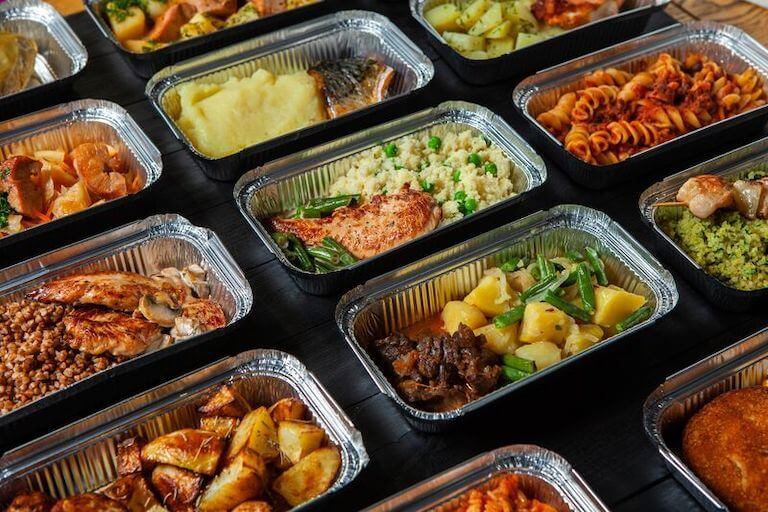
The phenomenon of Ghost Kitchens, also known as virtual restaurants or cloud kitchens, represents a significant innovation in the foodservice industry. These operations function exclusively out of commercial kitchen spaces, entirely devoid of a traditional dining room, front-of-house staff, or a retail storefront. All orders are fulfilled solely for delivery or pickup, typically facilitated through popular third-party platforms such as DoorDash, Uber Eats, or Grubhub.
The significantly lower overhead costs associated with a ghost kitchen, compared to a traditional brick-and-mortar restaurant, make this an increasingly attractive pathway for culinary entrepreneurs. However, costs can still vary widely depending on whether the owner rents shared kitchen space, leases their own dedicated facility, or utilizes an existing kitchen during off-hours. Building a successful ghost kitchen demands a strategic blend of culinary excellence and sharp business acumen. Entrepreneurs must develop a focused, delivery-friendly menu, craft a comprehensive business plan, secure adequate funding, obtain all necessary licenses and permits, and, critically, establish a robust digital presence – which is paramount given the absence of traditional foot traffic. A strong background in food entrepreneurship or hospitality operations management can provide the essential groundwork for navigating the complexities of this modern business model.
| Salary | Varies widely by business model, order volume, and operational efficiency |
|---|---|
| Key Skills | Business planning, marketing, operations management, food safety, delivery logistics, networking, attracting investors, menu optimization |
| Estimated Years of Experience | Varies significantly based on prior entrepreneurial or kitchen management experience |
| Possible Educational Pathway | Food Entrepreneurship Degree or Diploma and/or Hospitality & Restaurant Operations Management Degree or Diploma |
Note: Job outcomes may vary by location, experience, and other factors. Obtaining a culinary degree or diploma does not guarantee any job position.
Wedding Cake Designer
A Wedding Cake Designer holds a uniquely elevated position in the world of celebratory cuisine. A wedding cake is often the single most expensive dessert a couple will ever purchase, and unlike most food items, it must be visually flawless for photographs while simultaneously delivering an exceptional taste experience. This specialized role demands a masterful combination of baking expertise and high-end decorative skills, including intricate piping, delicate fondant work, realistic sugar flowers, precise hand-painting, and airbrushing, all culminating in a showstopping centerpiece that reflects the couple’s vision.
Many wedding cake designers operate independently, meticulously building their businesses around a signature aesthetic that they curate and showcase through social media and professional portfolios. The journey to becoming a wedding cake designer typically begins with a robust foundation in baking science, essential for creating stable, delicious cakes. From there, aspiring designers advance to mastering decorative techniques, often through a dedicated baking and pastry arts program. Many designers further refine their craft and build their professional portfolios by assisting established cake artists, participating in competitions, and honing their skills independently before confidently taking on paying clients for such a pivotal occasion.
| Salary | Median: $42,080 Majority Range: $37,430 – $45,337 |
|---|---|
| Key Skills | Baking and decorating, piping, fondant work, sugar artistry, design trends, client consultation, marketing, networking |
| Estimated Years of Experience | Varies significantly, but many work as design assistants for several years to build their portfolio and network |
| Possible Educational Pathway | Baking & Pastry Arts Degree or Diploma |
Note: Salary as of July 2026. Job outcomes may vary by location, experience, and other factors. Obtaining a culinary degree or diploma does not guarantee any job position.
Chocolatier
A Chocolatier is a specialized artisan dedicated to the intricate craft of chocolate confections. Their repertoire spans from exquisite hand-rolled truffles and delicately filled bonbons to artisanal chocolate bars, perfectly coated fruits and nuts, and even elaborate showpieces designed for grand events and competitive displays. This demanding profession requires an profound understanding of the entire chocolate journey: from the nuanced sourcing and processing of cacao beans to how varying ratios of cocoa solids, cocoa butter, and sugar impact flavor and texture. Furthermore, a chocolatier must master the delicate interplay of environmental factors like heat and humidity, which can profoundly affect the final product’s integrity and appearance.
Chocolatiers can be found in a variety of settings, including charming boutique chocolate shops, large-scale commercial production facilities, sophisticated pastry shops, luxury hotels, high-end restaurants, or operating successful independent businesses. The path to becoming a chocolatier typically commences with a strong foundation in baking and pastry arts, where students acquire core techniques such as precise chocolate tempering, expert ganache production, intricate molding, artistic finishing, and conceptual showpiece design. Following this foundational education, many aspiring chocolatiers dedicate time to working under an experienced mentor, honing their craft and developing their unique style.
| Salary | Median: $25,739 Majority Range: $23,209 – $27,494 |
|---|---|
| Key Skills | Chocolate tempering, food science, precision, patience, flavor development, visual presentation, artistic design |
| Estimated Years of Experience | 1-2 years of culinary education, specialized training, and 1+ years of relevant entry-level work under an experienced chocolatier |
| Possible Educational Pathway | Baking & Pastry Arts Degree or Diploma |
Note: Salary as of May 01, 2026. Job outcomes may vary by location, experience, and other factors. Obtaining a culinary degree or diploma does not guarantee any job position.

Specialized Creative and Advisory Roles: Beyond the Traditional Kitchen
Food Stylist
A Food Stylist occupies a fascinating intersection of culinary skill, visual artistry, and collaborative production. Their primary role is to prepare and meticulously stage food for a wide array of media, including film, television, commercials, cookbooks, magazines, and brand marketing campaigns. The ultimate goal is to ensure every dish appears as irresistibly appealing on camera as it does in real life, often requiring ingenious techniques to make food look fresh and vibrant under hot lights for extended periods. This role demands a keen aesthetic eye, an understanding of how light interacts with food, and the ability to make "fake food look real" when necessary (e.g., using glue for milk, motor oil for syrup, etc., though many stylists prioritize edible creations).
Food stylists work in close collaboration with food photographers, videographers, art directors, prop masters, and on-set talent. Given that most stylists operate as freelancers rather than staff employees, active networking and diligent relationship-building are absolutely vital for securing a steady stream of work. Breaking into this competitive field typically commences with an apprenticeship, where aspiring stylists work as assistants to seasoned professionals. This invaluable experience allows them to learn specialized on-set techniques, build a professional portfolio, and understand the fast-paced demands of production. While traditional culinary training isn’t always a prerequisite, formal culinary credentials offer a significant competitive edge, providing a deeper understanding of food science, cooking techniques, and plating principles. As Escoffier Culinary Arts graduate Lisa Spychala explains, "In most cases, you’re responsible for everything: shopping for the ingredients, cooking the ingredients, [plating the dish]… You have to know how long the food is going to be on set. How many multiples do you have to make? Is anyone going to eat it? That’s a huge deal.”
| Salary | Median: $71,121 Majority Range: $66,193 – $82,366 |
|---|---|
| Key Skills | Aesthetic eye, trend tracking, plating skills, food science knowledge, collaboration, patience, attention to detail, improvisation |
| Estimated Years of Experience | Most work as a food stylist assistant for 2-3 years while building their portfolio, unique style, and network |
| Possible Educational Pathway | Culinary Arts Degree or Diploma, with supplemental coursework in photography recommended |
Note: Salary as of July 2026. Job outcomes may vary by location, experience, and other factors. Obtaining a culinary degree or diploma does not guarantee any job position.
Recipe Developer
Recipe Developers are the culinary innovators who translate gastronomic ideas into precise, repeatable instructions for a diverse audience. They may create recipes for high-end restaurants, bestselling cookbooks, popular television shows, and renowned magazines. Their work often involves collaboration with executive chefs, food scientists, or editorial teams, but many also create recipes independently. At its core, this job demands a profound grasp of food science. For example, a skilled recipe developer understands the nuanced interaction between ingredients, knowing why salt and yeast should be kept separate during scaling to prevent localized osmotic stress from temporarily retarding yeast activity. They apply this scientific knowledge to ensure consistent, delicious results every time.
Breaking into this field typically necessitates building a strong culinary foundation first, which can be acquired through formal education or extensive professional kitchen experience. From there, many recipe developers cultivate a robust portfolio of original work, often starting with personal food blogs, engaging social media content, or freelance contributions to smaller publications before progressing to staff or contract roles with larger entities. Crucially, strong food writing skills are as vital as cooking ability, as a dish’s success in the hands of a home cook or another chef relies heavily on clear, accessible, and inspiring instructions. The ability to articulate complex culinary processes simply and effectively is a hallmark of a successful recipe developer.
| Salary | Average: $92,020 Majority Range: $81,700 – $104,330 |
|---|---|
| Key Skills | Food science, creativity, communication (writing), testing, iteration, staging (for photography/video), ingredient knowledge |
| Estimated Years of Experience | Varies, though many recipe developers have at least some professional kitchen experience and/or a culinary education |
| Possible Educational Pathway | Food Entrepreneurship Degree or Diploma and/or Culinary Arts Degree or Diploma |
Note: Salary as of May 01, 2026. Job outcomes may vary by location, experience, and other factors. Obtaining a culinary degree or diploma does not guarantee any job position.
Chef Consultant
A Chef Consultant operates as an external expert, providing specialized culinary and business insights to foodservice businesses and food producers on a project or retainer basis. They are brought in to diagnose and solve problems that clients cannot address internally. This might involve re-engineering an underperforming menu, identifying the root causes of financial losses in a previously profitable restaurant, developing innovative new packaged food products, crafting comprehensive staff training programs, or guiding a new culinary concept from its initial idea phase through to a successful opening night.
Some consultants develop highly specialized niches, focusing on areas such as HACCP compliance, strategic food cost reduction, or the complex process of product commercialization. Others, like Escoffier graduate Chris Mc


 Ali Ikhwan