

 Ammar Sabilarrohman
 Dwi Wanna
 Nana Wu
 Neng Nana
 Nana
Nana Laily UPN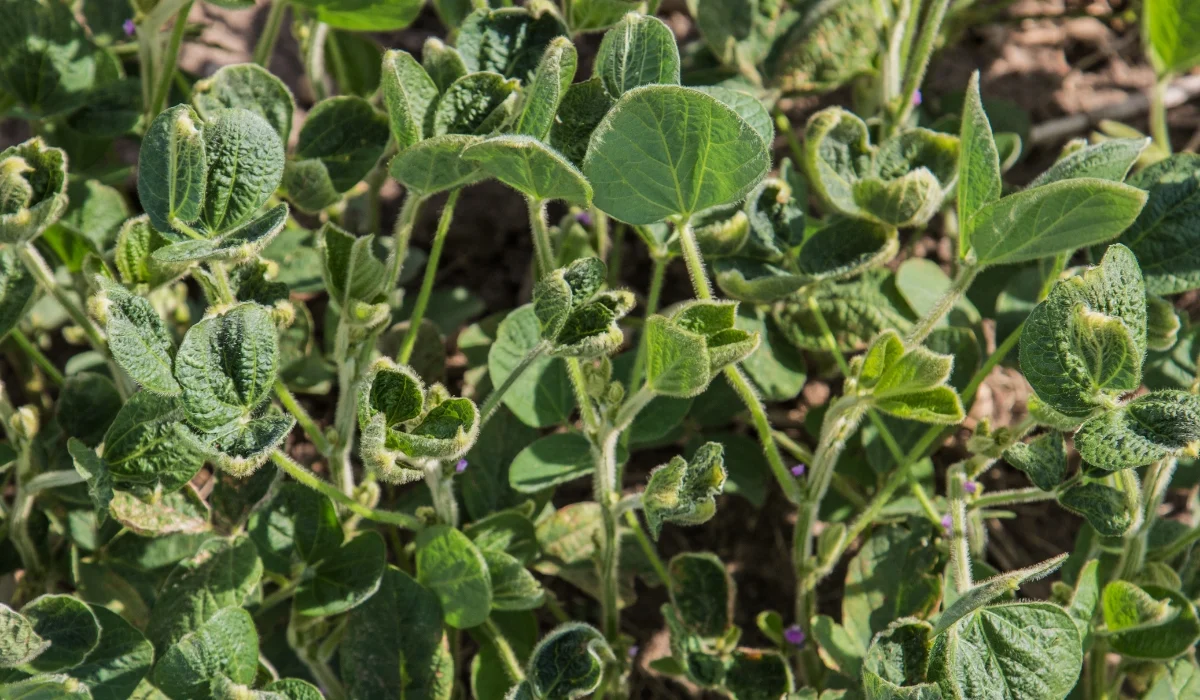
By Honor May Eldridge
Halfway through the current presidential term, the initial euphoria surrounding the "Make America Healthy Again" (MAHA) movement has met a cold, hard reality: the complex machinery of federal governance. What began as a disruptive campaign to overhaul the American food system, reduce reliance on toxic agrochemicals, and combat the nation’s cardiovascular crisis has been forced to navigate the entrenched priorities of the "Make America Great Again" (MAGA) platform.
For many voters, the 2024 campaign was a watershed moment. For the first time, herbicides, ultra-processed foods, and environmental toxins moved from the fringes of health advocacy to the center stage of national politics. However, as the dust settles, a critical question emerges: Was the promise of a healthier America merely a rhetorical tool, or has the administration’s focus on industrial national security effectively eclipsed the public health agenda?
The Rise of MAHA: From Fringe to Forefront
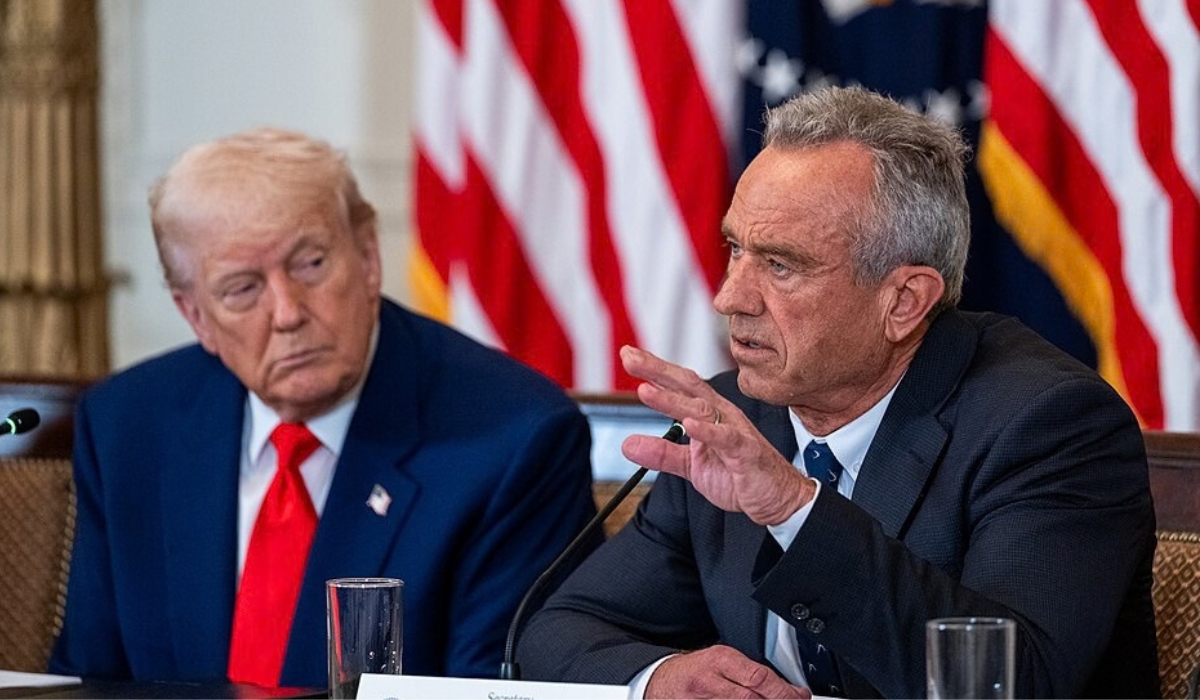
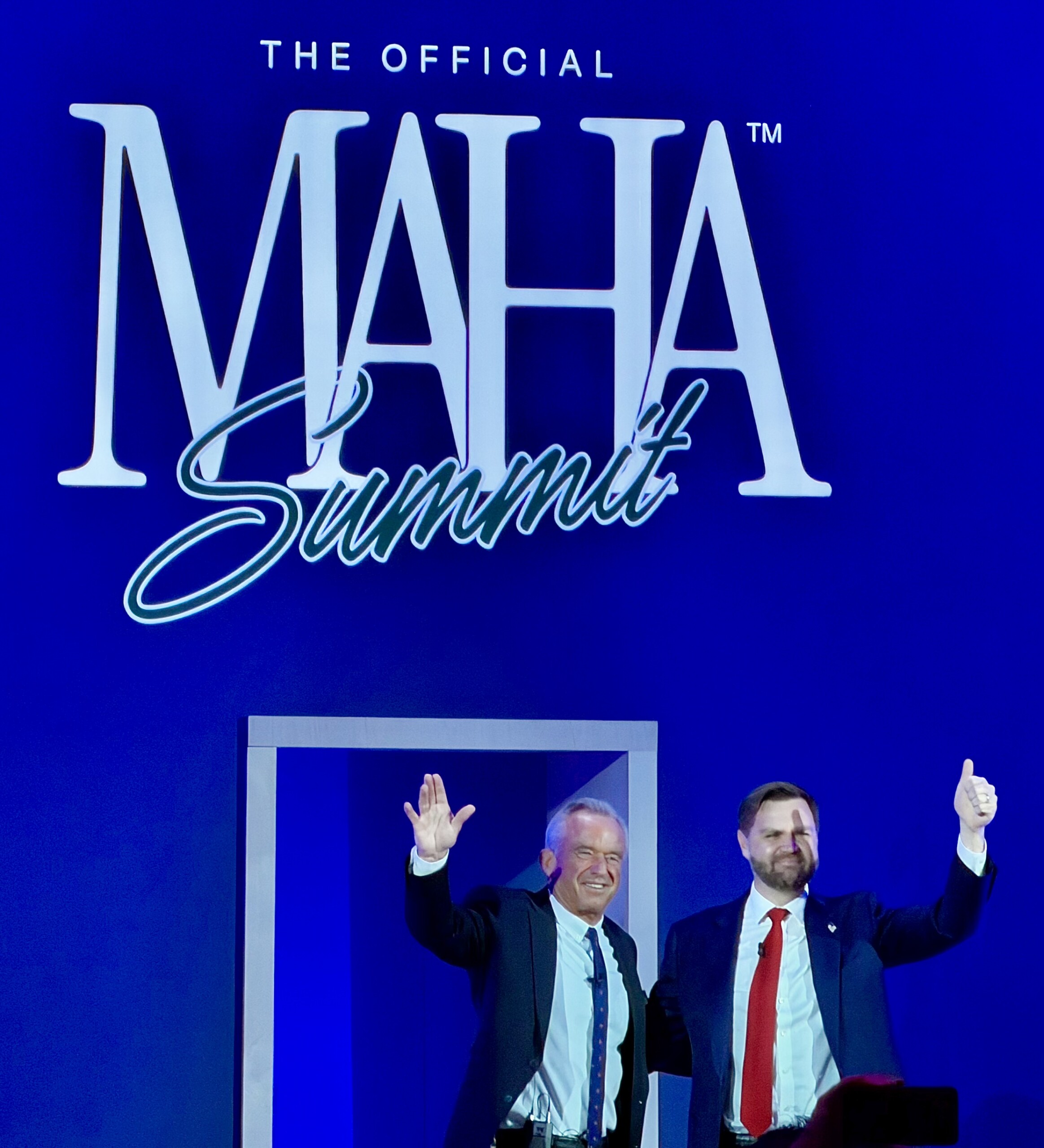
During the 2024 presidential race, Robert F. Kennedy Jr.’s independent bid introduced the concept of "Make America Healthy Again." By echoing the branding of Donald Trump’s movement, Kennedy successfully framed the chronic disease epidemic in the United States not just as a medical issue, but as a systemic failure of the food industry.
The campaign argued that the link between ultra-processed foods, agricultural chemicals, and non-communicable diseases could no longer be ignored. When Kennedy suspended his campaign and threw his support behind Donald Trump in August 2024, the MAHA movement was effectively absorbed into the broader Trump platform. Supporters hoped this merger would lead to sweeping regulatory reform—specifically, the curbing of pesticide use and a push toward more regenerative agricultural practices. Yet, as the administration pivoted toward governing, the "single-issue" fervor of the campaign began to grind against the gears of geopolitical strategy and industrial lobbying.
The MAGA Paradox: Industrial Agriculture as National Security
The central tension in the current administration lies in the intersection of health policy and the MAGA mandate to reduce foreign dependence. The administration has increasingly framed high-output industrial agriculture—which is inherently reliant on a heavy chemical cocktail of pesticides and herbicides—as a matter of national security.
This shift has created a paradoxical environment. While MAHA advocates for the reduction of chemicals to improve health, the broader MAGA economic policy views these same chemicals as essential inputs for domestic food security. By prioritizing the stability of the industrial monoculture model, the administration has, in practice, moved steadily against the very vision of farming reform that the MAHA movement initially championed.
Chronology of Regulatory Shifts
The trajectory of the administration’s environmental and agricultural policy can be mapped through two defining regulatory decisions that have left many observers questioning the government’s true priorities.
The Dicamba Reversal
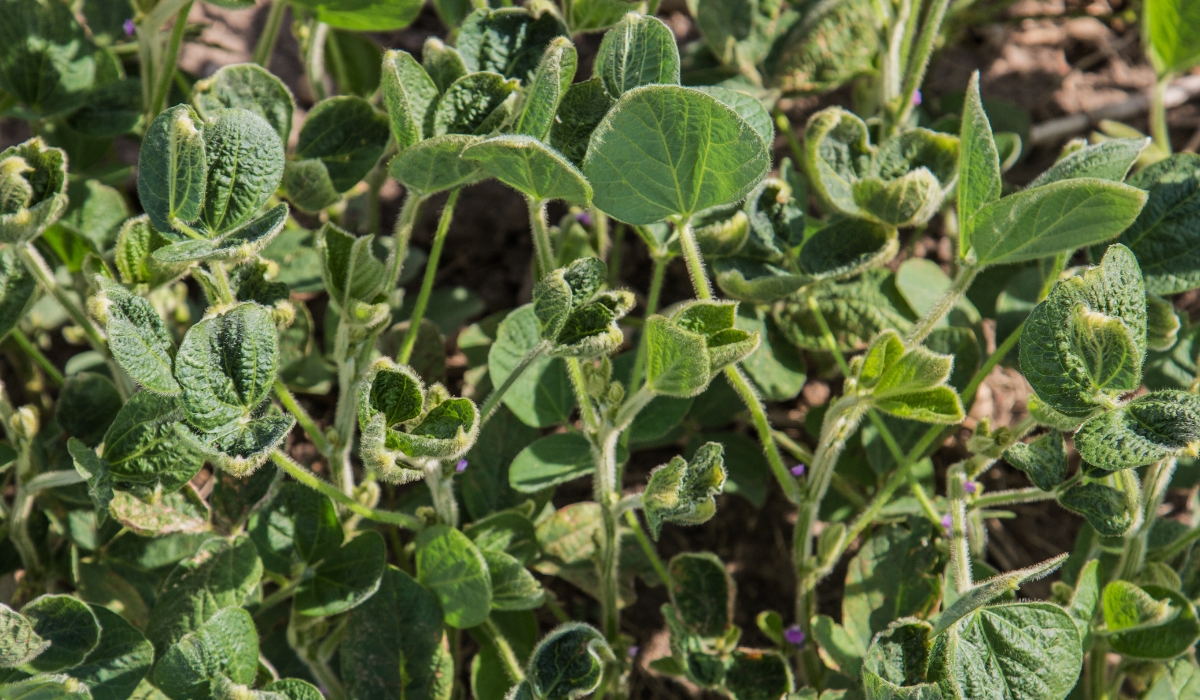
Dicamba, a potent herbicide designed to kill broadleaf weeds, has long been a source of environmental controversy. Because of its tendency to "drift"—traveling on the wind to damage neighboring crops and wild habitats—it has been the subject of intense litigation. In 2024, a federal court halted its widespread use, citing that the Environmental Protection Agency (EPA) had severely underestimated its ecological risks. It was a massive win for environmentalists and farmers of non-GM crops.
However, in 2026, the pendulum swung back. The EPA granted new registrations for dicamba-tolerant cotton and soybean crops. The administration justified this by claiming that new "safeguards"—such as larger buffer zones and stricter temperature restrictions—would mitigate drift. Critics, including the Center for Food Safety, dismissed these measures as insufficient, accusing the administration of prioritizing corporate pesticide profits over the health of rural environments.
Glyphosate and the Defense Production Act
If the dicamba reversal was a warning sign, the administration’s handling of glyphosate was the final confirmation of their policy direction. In February 2026, the White House took the extraordinary step of invoking the Defense Production Act to protect domestic glyphosate production. By labeling the herbicide as essential to "national security," the administration effectively shielded the industry from regulatory interference.
The move was driven by a desire to decouple from Chinese-made precursor chemicals. By securing a domestic supply chain for the backbone of industrial American farming, the administration sought to bolster national resilience. For MAHA supporters, however, this was a bitter pill to swallow. The government had essentially declared that the chemicals they sought to ban were now vital components of the nation’s strategic infrastructure.
Supporting Data: The Fragility of Monoculture
The administration’s argument rests on the assumption that industrial, chemical-dependent agriculture is the only way to ensure national food security. However, agricultural scientists argue that this model is inherently fragile.
- Ecological Debt: Reliance on monocultures creates a feedback loop. As biodiversity disappears, the natural ecological controls—predatory insects and soil microorganisms—are lost, forcing farmers to increase chemical applications just to maintain current yields.
- Climate Vulnerability: In a world of "supercharged" weather events, monocultures are uniquely susceptible. Large, uniform fields of genetically modified crops provide the perfect breeding ground for pests that thrive in changing climates, leaving the food system vulnerable to total harvest failure.
- Economic Dependency: The reliance on imported chemicals, even when the final product is formulated domestically, leaves the food supply chain exposed to global market shocks and trade wars.
Official Responses and Political Implications
The administration defends these moves as a pragmatic balancing act. Officials argue that during a time of global instability, the risk of a domestic food shortage outweighs the concerns regarding pesticide exposure. By securing the domestic production of inputs like glyphosate, they argue they are protecting the American farmer from the volatility of international supply chains.
However, the political fallout has been significant. Activists who felt empowered by the MAHA platform are increasingly vocal about their disillusionment. The feeling is that the "Healthy Again" promise has been quietly shelved in favor of maintaining the status quo of industrial agriculture. This shift is not unique to the US; the UK and other nations are similarly grappling with the framing of farm chemicals as "essential" to national security.
The Future: A Necessary Paradigm Shift
The current path, which treats herbicides as a form of strategic infrastructure, fails to account for the long-term cost of environmental degradation. If the goal is truly "National Greatness," then the health of the soil and the people should be at the forefront of the strategy, not an afterthought.
True resilience in the food system will not be found in securing larger stockpiles of agrochemicals. It will be found in:
- Soil Regeneration: Investing in techniques that increase soil organic matter, which naturally boosts yield and water retention.
- Crop Diversity: Moving away from the massive monoculture model to create landscapes that can absorb environmental shocks.
- Natural Pest Management: Encouraging biological diversity to provide the pest control services that chemicals currently perform.
As the nation faces a future of unpredictable weather, drought, and economic volatility, the policy decision to prioritize chemical-dependent industrial farming looks increasingly like a 20th-century solution to a 21st-century problem.
For the administration, the challenge remains: can they bridge the gap between their MAGA-driven industrial goals and the MAHA-driven health aspirations of their constituents? Or will they continue to ignore the reality that a system that poisons its own ground cannot, in the long term, be truly secure?
The lesson of the last two years is clear: governing requires more than slogans. It requires a fundamental shift in how we define security. Until we recognize that ecological health is the foundation of national security, we will remain trapped in a cycle of reacting to crises, rather than preventing them. For the sake of future generations, the transition toward a more resilient, less toxic food system must move from a campaign talking point to the heart of federal policy.


