

 Ammar Sabilarrohman
 Dwi Wanna
 Nana Wu
 Neng Nana
 Nana
Nana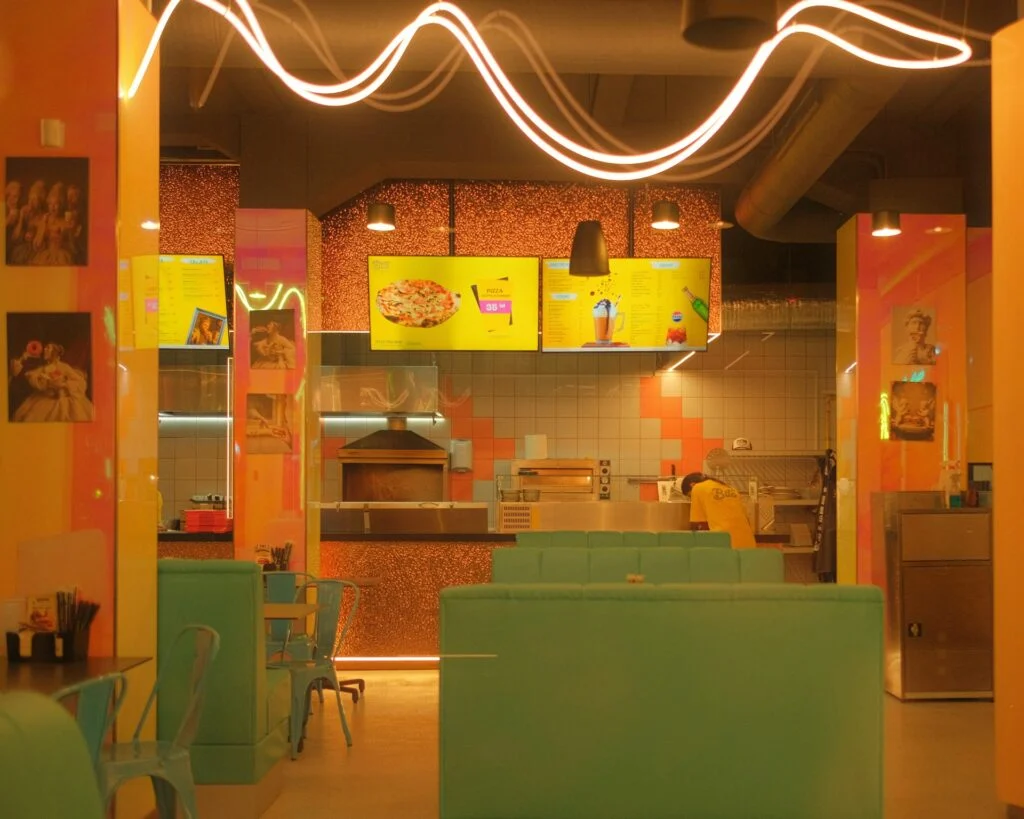
In the high-stakes world of the modern food and beverage industry, the line between a physical dining space and a digital storefront has effectively vanished. For quick-service restaurants (QSRs), fast-casual chains, and fine-dining establishments alike, digital signage has evolved from a simple menu board into a sophisticated, data-driven ecosystem. No longer content with merely displaying static text, today’s restaurant operators are leveraging dynamic, intelligent hardware to influence consumer behavior, streamline operations, and bridge the gap between digital marketing and physical sales.
According to industry experts, this transition represents a foundational shift in how restaurants interact with their clientele. By integrating backend systems with visual displays, operators can now curate personalized dining journeys that were previously only possible in the e-commerce sector.
The Evolution: From Static Displays to Intelligent Ecosystems
The journey of digital signage has been one of radical transformation. Just a decade ago, "digital signage" often meant a high-definition monitor displaying a static PDF of a menu. These early iterations were prone to obsolescence, difficult to update, and entirely disconnected from the restaurant’s operational pulse.
Today, those static screens have been replaced by dynamic, intelligent displays powered by robust System-on-a-Chip (SoC) architectures and advanced edge computing. This evolution has allowed digital signage to move beyond its role as a passive information source to become an active, interactive participant in the guest experience.
The chronology of this shift is marked by three distinct phases:
- The Static Era: Early adoption of flat-screen TVs to replace printed boards. Updates required manual file transfers via USB drives.
- The Networked Era: The introduction of Content Management Systems (CMS) that allowed for remote, centralized updates across multiple locations.
- The Intelligent Era (Current): The integration of AI, Neural Processing Units (NPUs), and real-time inventory synchronization. Signage now "talks" to POS systems and mobile apps to provide a cohesive, omnichannel experience.
Enhancing the Customer Experience: A Strategic Imperative
The modern consumer—particularly the Gen Z and millennial demographic—views a restaurant not just as a place to eat, but as an experience to be curated and shared. Social media virality has become a powerful driver of foot traffic, and digital signage plays a pivotal role in shaping that aesthetic.
Visual Storytelling and Social Integration
Restaurants are now using large-format entry displays to bridge the gap between their social media presence and their physical location. By integrating live social feeds—displaying high-quality food photography, user-generated content, or viral clips—restaurants can build immediate rapport with waiting guests. For those stuck in long queues, these screens serve a dual purpose: they act as a "distraction engine," lowering perceived wait times while simultaneously upselling menu items through visually stimulating content.
The Rise of the Self-Service Kiosk
In fast-casual and quick-service environments, the digital kiosk has become the frontline of customer service. These units function as an extension of the staff, providing a frictionless ordering experience. Beyond the transactional nature of the kiosk, these systems serve as a data-gathering touchpoint. They can:
- Communicate Allergens: Providing granular dietary information at the point of sale.
- Drive Loyalty: Integrating sign-ups and account linking directly into the checkout flow.
- Promote Real-Time Offers: Dynamically adjusting suggestions based on time of day, weather, or local inventory levels.
Extending the Value of Marketing and Branding
For national chains and independent eateries alike, the investment in brand identity is significant. Digital signage serves as the ultimate content engine, ensuring that marketing efforts are not wasted on outdated or inconsistent messaging.
The Power of Remote Management
Modern digital signage platforms allow for instantaneous, global content updates. If a marketing team identifies a successful promotion, they can push that campaign to thousands of endpoints within seconds. More importantly, these systems include self-healing capabilities; if a display fails, the system can remotely diagnose and reset the hardware, minimizing downtime and ensuring that the brand promise remains intact.
Inventory-Aware Signage
One of the most significant operational headaches in the restaurant industry is the "sold-out" scenario. A customer walks in, enticed by a social media promo, only to find the item is unavailable. Intelligent signage solves this by pulling real-time data from back-of-house inventory systems. If an item runs low, the signage automatically updates to remove the item or suggest a high-margin alternative. This prevents customer frustration and protects the integrity of the marketing campaign.

Closing the Data Loop: Measuring Intent and Impact
The most profound change in the digital signage landscape is the introduction of advanced measurement tools. Historically, it was difficult to prove that a sign directly led to a sale. Today, the integration of intelligent hardware—specifically devices equipped with NPUs—allows for "smart edge computing."
The Omnichannel Correlation
Consider the customer journey: A diner receives an email promotion, checks the brand’s app during their commute, and finally walks into the physical store. Modern signage systems can now help bridge the gap between these touchpoints. By tracking how long a screen is engaged or which promotional videos are being viewed during peak hours, restaurants can draw stronger correlations between their digital marketing spend and physical purchasing behavior.
This data allows operators to make informed, rather than intuitive, decisions. If a specific video loop at the point-of-sale correlates with a 15% increase in the purchase of a specific dessert, the restaurant can optimize its content strategy accordingly. This creates a feedback loop that continually refines the customer experience, effectively scaling the rate at which operations improve.
Expert Perspective: An Interview with Misty Chalk
Misty Chalk, Vice President of Sales (Americas) at BrightSign, a global leader in the digital signage sector, emphasizes that the transition is not just about technology, but about strategy. With two decades of experience, Chalk has observed the industry’s evolution firsthand.
"The goal is to move beyond simply ‘showing’ content," Chalk explains. "The modern restaurant environment demands a holistic approach where the signage acts as an intelligent participant in the guest’s decision-making process. Whether it is a small mom-and-pop shop or a national franchise, the objective remains the same: use data to create a hyper-personalized, frictionless environment."
Chalk notes that the biggest challenge for restaurants is the lack of a "one-size-fits-all" solution. "Because every restaurant has a unique operational flow, the deployment of digital signage must be customized. We encourage operators to look at their current pain points—be it long wait times, inefficient ordering, or disconnected marketing—and use signage as the tool to solve those specific issues."
The Path Forward: Why Investing Now is a Strategic Necessity
As the dining landscape becomes increasingly competitive, the ability to leverage technology to build customer loyalty is the primary differentiator between surviving and thriving. The investment in dynamic, intelligent signage is no longer an "optional" upgrade; it is a structural necessity for any restaurant aiming to remain relevant in the digital age.
The Implications for Future Operations
- AI-Driven Personalization: In the coming years, we can expect signage to become even more reactive. Through anonymous computer vision, displays may soon be able to adjust content based on the demographics or current trends of the room, further personalizing the experience.
- Scalable Operations: As AI and edge applications continue to iterate, the cost of entry for sophisticated measurement tools will decrease, allowing smaller restaurants to access data previously reserved for global corporations.
- Sustainability: Smart signage that automatically adjusts brightness or power states based on store hours contributes to corporate sustainability goals, reducing both operational costs and the carbon footprint of the establishment.
Conclusion
Digital signage has emerged as the heartbeat of the modern restaurant. By transforming the physical space into a responsive, intelligent environment, operators are gaining the ability to influence purchasing intent, optimize back-of-house efficiency, and provide a superior, personalized experience for every guest.
For restaurant owners and operators, the message is clear: the era of static, "set it and forget it" signage is over. To capture the attention of the modern diner, the physical environment must be as dynamic as the digital world they inhabit. Whether through self-service kiosks, inventory-aware menu boards, or data-driven content loops, the future of the restaurant industry is digital, and the time to invest is now.
Operators are encouraged to consult with technology partners to determine the right path for their specific brand, ensuring that their digital transformation is as sustainable as it is successful. In this new era, those who embrace the power of the screen will undoubtedly find themselves at the forefront of the culinary industry.



 Raul Delapena Setiawan
