Ammar Sabilarrohman
 Dwi Wanna
 Nana Wu
 Neng Nana
 Nana
Nana Raul Delapena Setiawan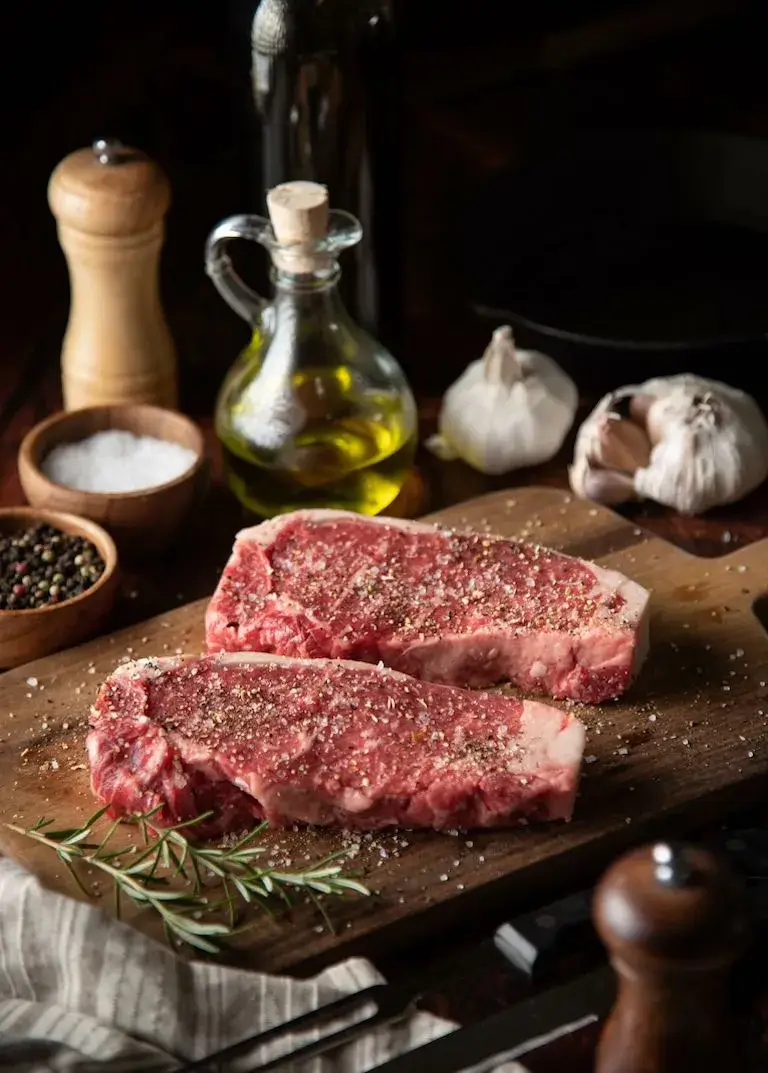
To the novice home cook, the culinary world often appears as a daunting landscape of complex techniques and rigid, multi-page recipes. Yet, beneath the intricate instructions of high-end cookbooks lies a fundamental truth: the greatest dishes in history are not the result of blind adherence to measurements, but rather the masterful manipulation of four elemental pillars: Salt, Fat, Acid, and Heat.
By understanding these four levers, a cook ceases to be a recipe-follower and becomes a culinary architect. Whether you are aiming for a career in a Michelin-starred kitchen or simply looking to elevate your weeknight dinner, learning how to balance these components is the definitive mark of a confident, intuitive cook.
The Foundations of Flavor: What Each Element Does
At the heart of the culinary arts is the realization that salt, fat, acid, and heat are not merely ingredients—they are tools for balancing the palate.

- Salt: Its primary function is to enhance existing flavors. By suppressing bitterness and highlighting sweetness, salt brings ingredients into focus, making a tomato taste more like a tomato.
- Fat: Acting as the vehicle for flavor, fat carries aromatic compounds and contributes vital mouthfeel. It provides richness, moisture, and the texture necessary for everything from crisp, golden skin on a roast to a silky, luxurious custard.
- Acid: Often the "missing link" in a flat dish, acid provides the essential brightness and contrast needed to cut through heaviness. It balances sweetness and can chemically alter textures, such as tenderizing proteins or thickening dairy.
- Heat: This is the catalyst. Heat transforms flavor, aroma, color, and texture through processes like the Maillard reaction and caramelization, turning raw components into a cohesive, palatable meal.
A Brief History: From Intuition to Framework
For centuries, chefs developed an intuitive grasp of these principles through years of repetition in the galley. However, in recent years, this silent knowledge has been codified and popularized. Chef and author Samin Nosrat brought this framework to the global stage through her seminal work, Salt, Fat, Acid, Heat.
By connecting the rigorous science of food with sensory cues, Nosrat’s framework empowers cooks to move beyond the printed page. It teaches the cook to "taste critically"—to notice not just if a dish is "good," but specifically why it works or fails, and what specific lever—salt, fat, acid, or heat—needs to be adjusted to fix it.
The Sensory Training: Building Culinary Muscle Memory
Developing the instinct to balance these elements is akin to building muscle memory. According to Escoffier Chef Instructor Dawn DeStefano, the journey begins with sensory education.
"It’s a matter of taste, taste, taste," DeStefano notes. She encourages aspiring chefs to taste ingredients in their pure form, maintain flavor journals, and utilize tools like "flavor wheels" to articulate exactly what they are experiencing. By moving beyond the binary of "good" or "bad" and learning to identify specific imbalances, a cook gains the ability to make micro-adjustments that transform a mediocre plate into a masterpiece.
Salt: Bringing Ingredients Into Focus
Salt is the most important tool in a chef’s arsenal. As writer Tamar Adler famously noted, "All ingredients need salt." It is not an admission of failure to season; rather, it is the process of allowing an ingredient to be "most itself."
The Science of Seasoning
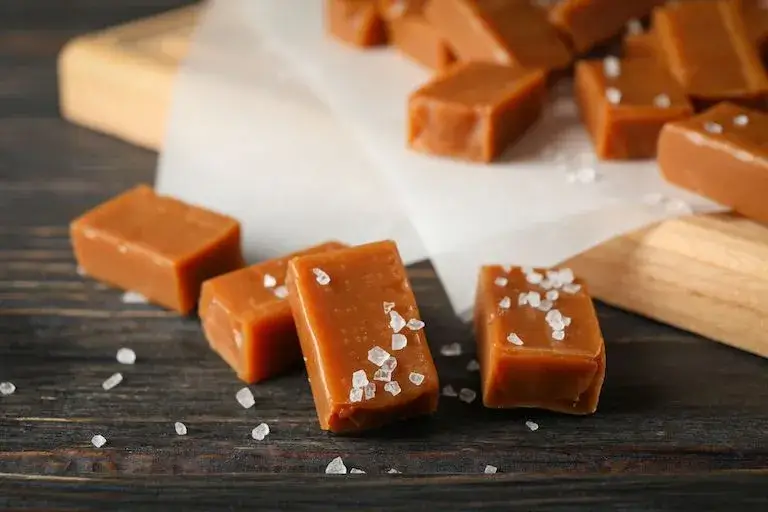
Salt acts on food both physically and chemically. By drawing out moisture, it aids in browning; by penetrating proteins, it ensures moisture retention through brining. In pastry, it is equally vital, serving as the essential foil to sweetness, particularly in chocolates and caramels.
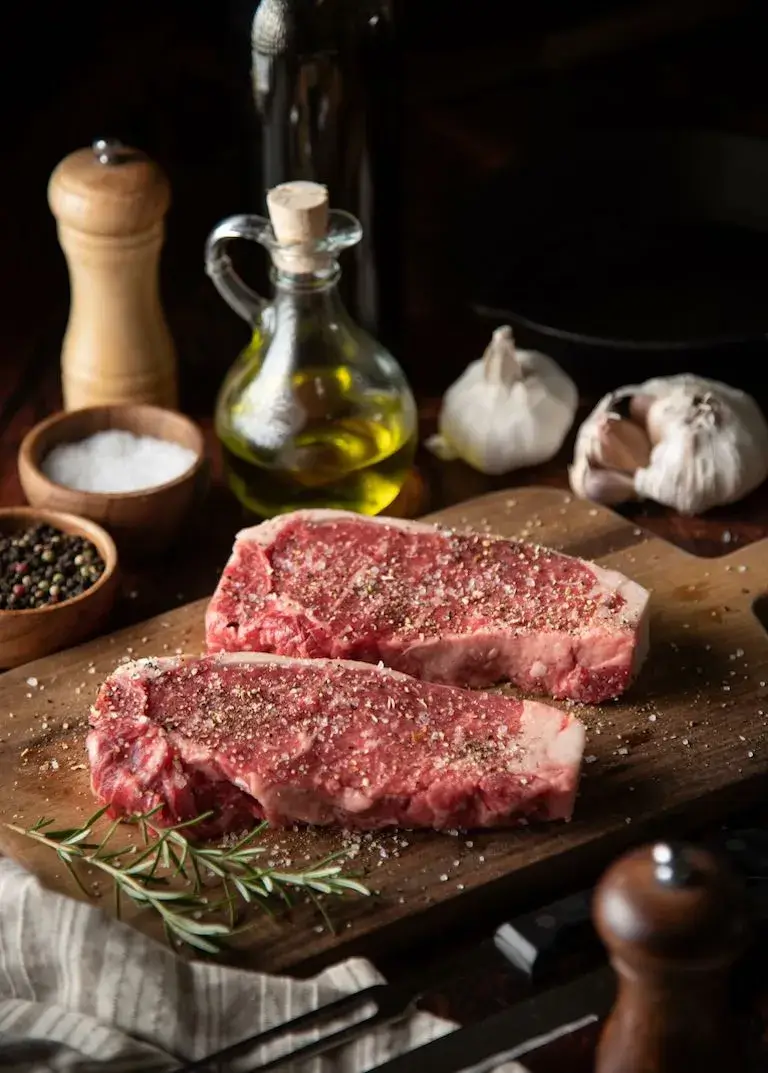
When cooking, one must account for the "hidden salt" already present in ingredients like miso, soy sauce, anchovies, and Parmesan. A common mistake is to add salt early and heavily, only to find that as a sauce reduces, the salt concentration becomes overwhelming. The golden rule is to season in stages and taste constantly.
Correcting the Oversalted Dish
If a dish crosses the line into being too salty, the solution is rarely a "fix" but rather a dilution. Adding unsalted stocks, grains, or vegetables can redistribute the saltiness. While the old wives’ tale of a raw potato in a stew is a common trope, its ability to pull out salt is limited; the most effective strategy remains building the dish slowly and tasting before each addition.
Fat: The Carrier of Texture and Aroma
Fat is the luxurious foundation of cooking. Beyond mere richness, it is the medium through which we perceive flavor.
The Role of Fat in Aroma
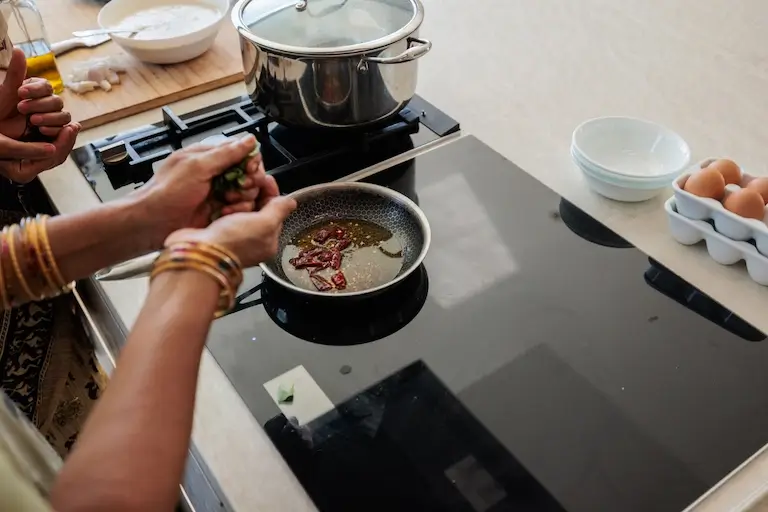
Aromatic compounds are often fat-soluble. This is why "blooming" spices—heating them in oil or butter—is so transformative. The fat extracts the volatile oils from the spices, distributing them throughout the dish and ensuring they linger on the palate.
In the world of pastry, fat dictates structure. Whether it is the cold butter creating the delicate layers of a croissant or the emulsified fat in a cake batter, the type and temperature of the fat are the difference between success and failure.
Recognizing the Need for Fat
A dish lacking fat often feels "thin" or "sharp." When a sauce fails to coat the back of a spoon or a vegetable purée feels gritty rather than velvety, a knob of butter or a swirl of high-quality olive oil can provide the missing body. However, because fat is dense and satiating, it should be added in small, measured increments to avoid the dish becoming greasy or heavy.
Acid: The Brightness That Wakes the Palate
If a dish feels "muddy" or one-dimensional, it is almost certainly a cry for acid. Acid is the high-frequency note in the symphony of flavor, providing the necessary contrast to rich or sweet elements.
The Chemical Power of Acid
Acid is a powerful culinary tool because it can physically denature proteins. From the buttermilk-marinated chicken that results in incredible tenderness to the lemon-curd posset that sets without gelatin, acid is a functional ingredient.
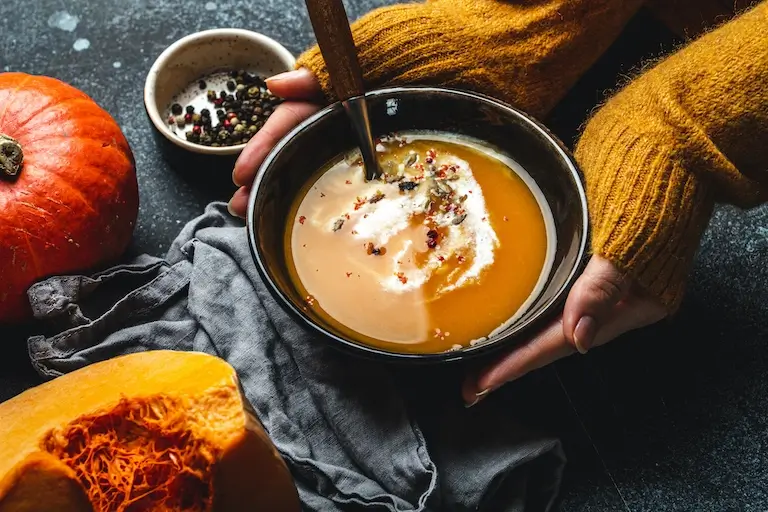
When you encounter a braise that feels heavy after hours of cooking, a final splash of vinegar or a squeeze of fresh lemon juice acts as a reset button, cutting through the concentrated fat and "waking up" the dish.
Managing the Acidic Edge
Over-acidifying a dish is a common pitfall. If a soup or sauce has become puckeringly sour, the goal is to balance it. You can attempt to add more of the base ingredients to dilute it, or use a small amount of fat or sugar to round out the sharp, biting edges. As always, the key is to perform these corrections incrementally.
Heat: The Force of Transformation
Unlike the other three, heat is an external force. It is the energy that drives the physical and chemical changes that turn raw, often unpalatable ingredients into food.
The Maillard Reaction and Caramelization
Heat is responsible for the Maillard reaction—the browning of proteins and sugars that produces the complex, savory flavors we associate with perfectly seared steak or toasted bread. Similarly, caramelization—the breakdown of sugars—adds depth and color to desserts like crème brûlée.

For these reactions to occur, moisture must be managed. If a pan is overcrowded, the food releases water faster than it can evaporate, resulting in steam. This leads to gray, limp ingredients rather than the desirable, crisp crust of a well-seared sear.
Controlling the Environment
Temperature control is the mark of a professional. If your food is burning on the outside before cooking through, your heat is too high. If it is pale and steamed, it is too low. A master cook listens to the sizzle, watches for the color, and smells for the aromatics to tell them when to lower the flame or move the pan—they do not rely solely on the timer.
Summary: A Diagnostic Approach to Cooking
When a dish is "off," the modern cook acts as a diagnostician. Instead of guessing, they consult the symptoms:
- Flat/Muted: Needs salt.
- Heavy/Greasy: Needs acid.
- Thin/Sharp: Needs fat.
- Pale/Steamed: Needs more heat.
- Burnt/Bitter: Needs less heat.
By viewing these four elements as levers, the cook gains the freedom to improvise. This is the essence of professional culinary education—moving from following instructions to understanding the underlying mechanics of flavor.
Implications for the Aspiring Chef
The shift toward understanding the science of flavor has profound implications for culinary education. While trial and error at home is an excellent teacher, it is often limited to the specific recipes a cook happens to prepare.
Structured culinary programs, such as those offered by the Auguste Escoffier School of Culinary Arts, offer a more systematic approach. By studying these elements side-by-side, students develop a shared, professional vocabulary for describing taste and texture. They gain the ability to provide immediate, expert feedback, turning the kitchen into a laboratory of constant improvement.

Whether you are seeking to master the delicate balance of a pastry or the complex depth of a slow-braised ragù, the path forward is clear. By mastering the interaction between salt, fat, acid, and heat, you are not just learning to cook—you are learning the very language of food. The next time you find yourself standing at the stove, take a breath, taste your creation, and ask yourself: What is this dish missing? Your answer will be your first step toward true culinary confidence.