Ammar Sabilarrohman
 Dwi Wanna
 Nana Wu
 Neng Nana
 Nana
Nana
For caregivers of individuals living with Alzheimer’s disease, the kitchen—once the heart of the home—often becomes a source of profound anxiety. Standard safety protocols frequently include unplugging stoves, hiding sharp knives, and restricting access to the kitchen entirely. While these measures are rooted in the legitimate fear of fire hazards or accidental injuries, they often inadvertently strip a person living with dementia of their autonomy, routine, and a profound sense of purpose.
A growing body of research suggests that the kitchen should not be viewed as a "no-go zone," but rather as a therapeutic environment. By shifting the focus from culinary independence to collaborative, supervised participation, caregivers can unlock significant cognitive, emotional, and physical benefits for their loved ones.
The Cognitive and Health Landscape: Why Cooking Matters
At its core, cooking is a complex neurological exercise. It involves sequencing, spatial awareness, sensory engagement, and memory retrieval. For someone with Alzheimer’s, the act of cooking acts as a form of "cognitive rehabilitation."

The Science of Familiarity
The "procedural memory"—the part of the brain responsible for tasks we do automatically, like stirring a pot or rolling out dough—is often preserved longer than other memory functions in patients with dementia. When an individual engages in a familiar recipe, they aren’t just making food; they are engaging in a neural exercise that reinforces existing pathways.
Sensory Stimulation
Alzheimer’s disease often leads to sensory dulling. The environment of a kitchen—the smell of sautéing onions, the texture of flour, the tactile feedback of chopping vegetables—serves as a multi-sensory stimulant. This sensory input can help ground a patient in the present moment, potentially reducing agitation and the symptoms of "sundowning," a phenomenon where confusion increases in the late afternoon and evening.
A Chronological Approach: Integrating Cooking into Daily Routine
Integrating cooking into the care plan requires a structured, phase-based approach. Caregivers should view these sessions as fluid, evolving interactions rather than rigid tasks.
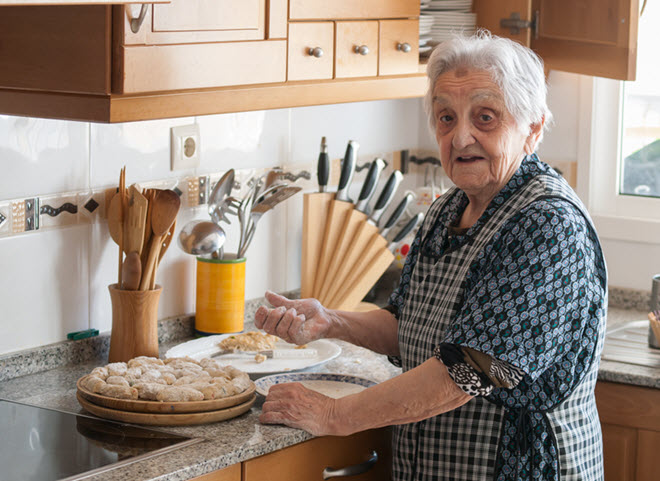
- Early Stage (Collaborative Planning): In the early stages, the individual can still lead. The focus should be on "co-creation," where the patient chooses the menu and gathers ingredients. This fosters a sense of dignity and self-worth.
- Middle Stage (Supervised Participation): As the disease progresses, the patient may struggle with the sequencing of steps. Here, the caregiver acts as a guide, providing simple, one-step instructions. The focus shifts to tactile tasks: snapping beans, washing produce, or mixing dry ingredients.
- Late Stage (Sensory Engagement): In the later stages, direct participation in cooking may be impossible. However, the kitchen remains a place of connection. Allowing the individual to sit at the kitchen table to smell the herbs or participate in simple rituals—like buttering bread—maintains the connection to the domestic environment without the pressure of complex tasks.
Supporting Data: The Impact of Meaningful Activity
Recent studies published in journals such as The American Journal of Geriatric Psychiatry suggest that patients who remain involved in household activities report higher levels of life satisfaction. A study focusing on "Task-Oriented Care" found that individuals who participated in guided domestic tasks showed a 15% reduction in behavioral disturbances compared to those who were excluded from household routines.
Furthermore, nutrition remains a critical factor in managing Alzheimer’s progression. When patients are involved in the preparation process, they are statistically more likely to consume the meal. The act of "watching the meal come to life" stimulates appetite, which is often a challenge for those struggling with the sensory changes associated with dementia.
Official Perspectives: Expert Guidance on Safety
Health professionals generally agree that safety is paramount, but they emphasize that "safety" does not mean "seclusion." The Alzheimer’s Association and various geriatric care organizations advocate for a "Safe Kitchen Protocol" that allows for engagement while mitigating risk.
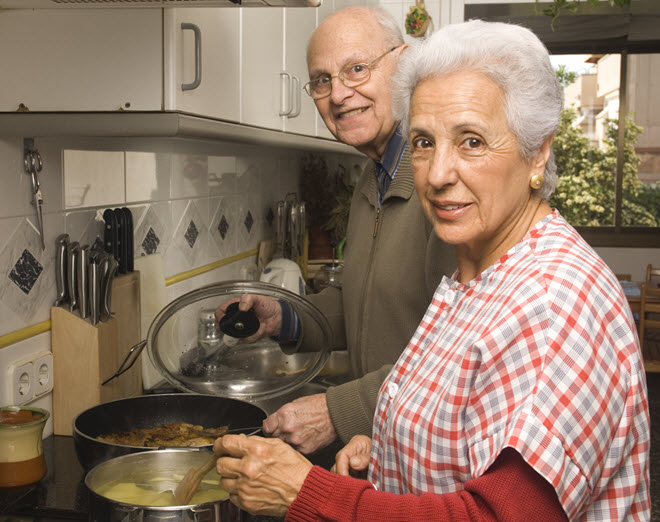
Creating the "Modified Kitchen"
- Visual Cues: Simplify the environment. Remove excess clutter and unnecessary appliances to prevent confusion.
- Color Contrast: Use high-contrast cutting boards or utensils. A person with visual-spatial deficits may struggle to see a white onion on a white cutting board, leading to potential nicks and cuts.
- The "Unplugged" Rule: While the stove is a hazard, you can simulate cooking by using slow cookers or electric warmers that have automatic shut-offs, allowing the person to feel involved without the risk of an open flame.
Addressing Eating Challenges: Nutrition as Medicine
As Alzheimer’s progresses, the physical act of eating often becomes fraught with difficulty. Changes in the brain can alter the perception of flavor, and motor skills may decline, making the use of traditional utensils challenging.
Overcoming Barriers
- Finger Foods: If using a fork and knife becomes frustrating, pivot to "finger foods" that offer high nutritional value, such as bite-sized pieces of fruit, cheese, or protein. This empowers the individual to feed themselves with dignity.
- Consistency Adjustments: For those with dysphagia (difficulty swallowing), the texture of food is vital. Pureed foods don’t have to be unappealing; using molds to shape pureed vegetables into recognizable forms can make the meal visually stimulating and easier to consume.
- Environment and Mood: The atmosphere of the meal matters. Minimize background noise, use high-contrast plates to help the individual distinguish food from the surface, and ensure there is enough light to prevent shadows, which can cause confusion.
Implications for Caregivers: The Emotional Connection
The primary takeaway for caregivers is that the kitchen is a site for emotional bonding. Alzheimer’s disease is inherently isolating; it creates a wall between the patient and their loved ones. Shared activity, even if it is simply stirring a bowl together, breaks down that wall.
When a caregiver invites an Alzheimer’s patient into the kitchen, they are communicating: “You are still a capable member of this family. You are still needed.”

This emotional reinforcement is a powerful tool in slowing the psychological decline associated with the loss of self-worth. It transforms the caregiver-patient relationship into a partnership, fostering moments of joy that would otherwise be lost to the routine of medical care.
Future Outlook: Technology and Adaptation
Looking ahead, the integration of smart-home technology is expected to revolutionize kitchen safety. Voice-activated shut-off valves for gas lines, induction cooktops that remain cool to the touch, and automated, motion-sensor lighting are already making home environments safer for aging populations.
As these technologies become more accessible, the barriers to independent cooking will lower, allowing for a more inclusive approach to home life. However, technology should never replace the human element. The presence of a caregiver—the conversation, the eye contact, the shared laughter over a spilled cup of flour—is what makes the experience therapeutic.

Conclusion: Reclaiming the Heart of the Home
It is time to move past the fear-based narrative that surrounds Alzheimer’s care. While the dangers of a kitchen are real, they are manageable through thoughtful, structured, and compassionate adaptation. By focusing on what a person can do, rather than what they have lost, we provide our loved ones with the one thing they need most: a sense of belonging.
Cooking with Alzheimer’s is not about creating a gourmet meal; it is about sustaining the human spirit. Whether you are baking a simple batch of cookies or peeling vegetables for a soup, these small, intentional acts of participation can make the difference between a day defined by confusion and a day defined by connection.
By implementing these strategies, caregivers can ensure that the kitchen remains what it has always been: a place where memories are made, relationships are nurtured, and the simple act of breaking bread together becomes an act of profound love.


 Raul Delapena Setiawan