Basiran
 Asep Darmawan
 Dwi Wanna
 Azzam Bilal Chamdy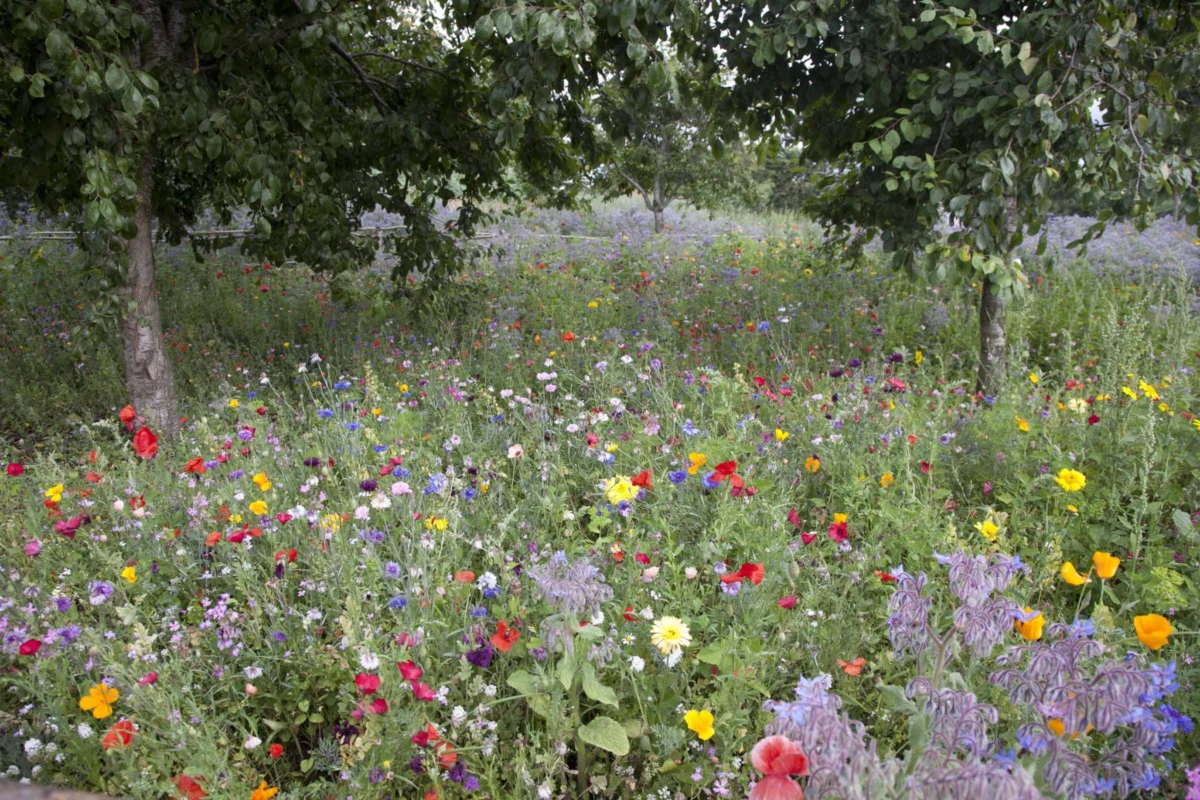
 Lina Irawan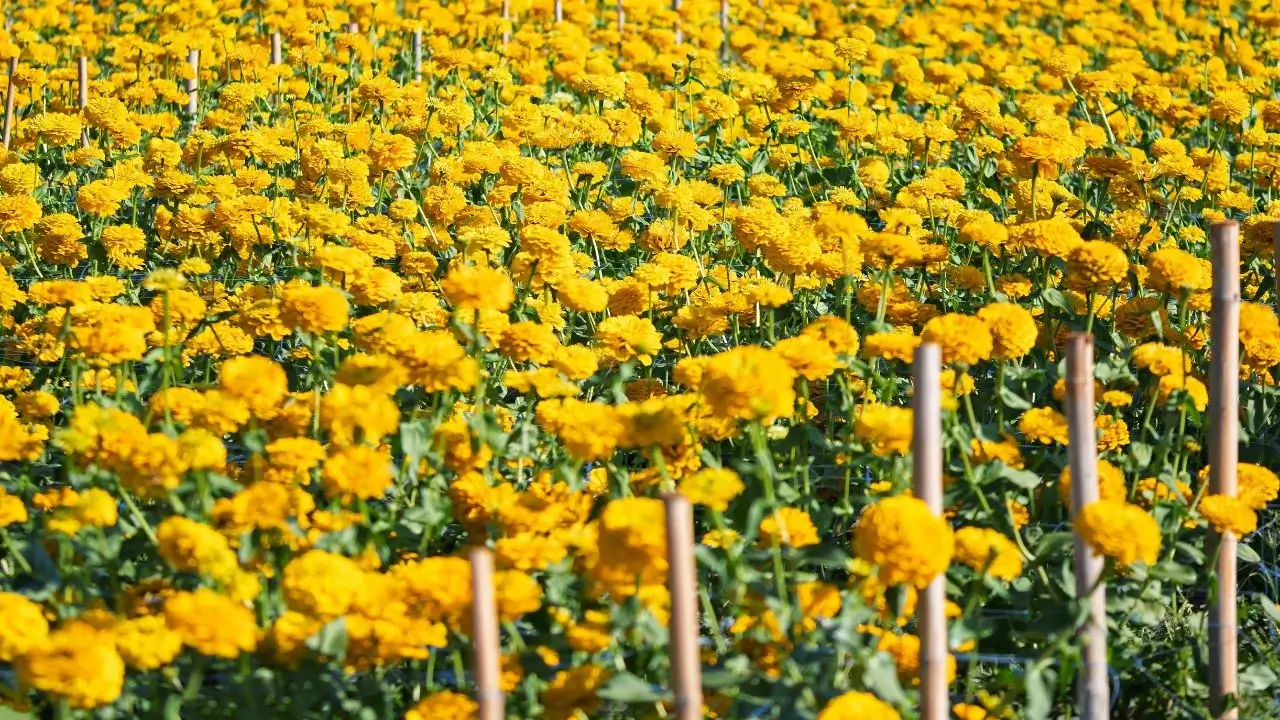
For farmers and serious home growers across North America, April serves as the critical pivot point of the agricultural calendar. It is a month defined by the tension between lingering winter frosts and the inexorable pull of spring sunshine. A well-executed seed-starting regimen during these thirty days is not merely a task; it is the cornerstone of a farm’s seasonal revenue and a household’s food security.
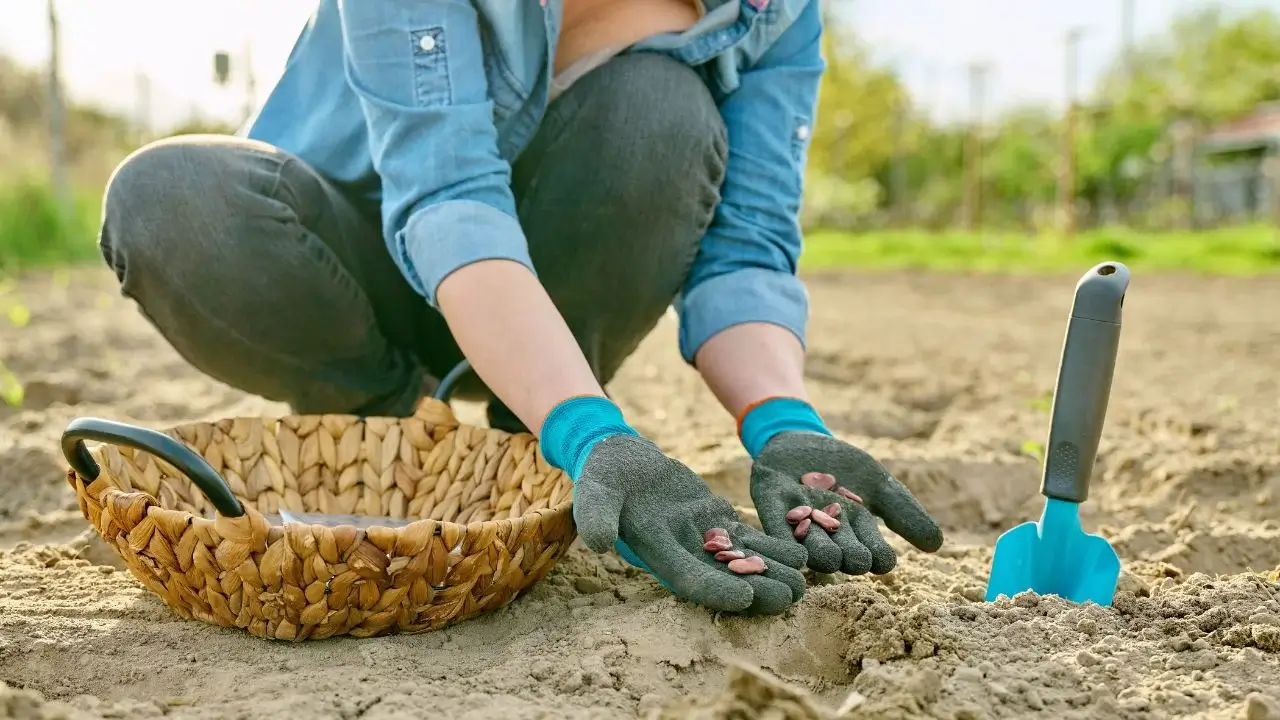
Whether you are managing a commercial market garden or a high-yield backyard plot, the difference between a bumper crop and a failed harvest often comes down to one fundamental decision: determining which seeds are ready for the soil and which require the controlled environment of an indoor nursery.
The Strategic Importance of the Last Frost Date
Before a single seed is pressed into soil or a tray is placed under a grow light, the grower must understand their local climate. The most vital metric in this equation is the "last frost date"—the average date in spring when the risk of a killing freeze drops to below 50 percent.
In warmer, southern latitudes, the agricultural narrative for April is already advanced; tomatoes and peppers may be establishing their first fruits in the field. Conversely, in northern zones, the landscape remains dominated by cole crops and frost-hardy varieties. However, the secret to a successful April is realizing that you do not need to wait for a total thaw to begin. Many cool-weather crops are primed for the soil right now, even if the thermometer predicts another six weeks of morning frost.
Direct Sowing: When to Trust the Earth
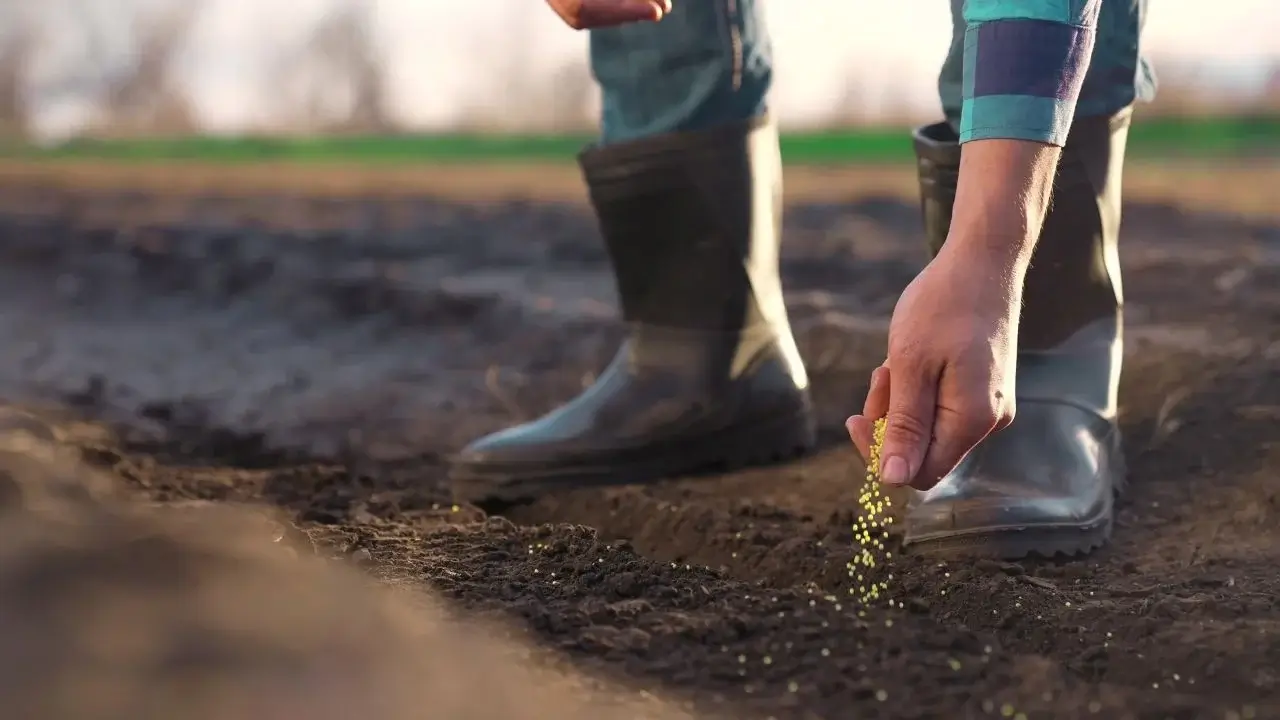
Direct sowing—the practice of planting seeds directly into their final growing location—is the preferred method for crops that struggle with root disturbance. Transplanting can shock the root systems of certain plants, causing them to stall or, in extreme cases, fail to thrive. For these varieties, the goal is to give them a permanent home from day one.
The Hardy Pioneers
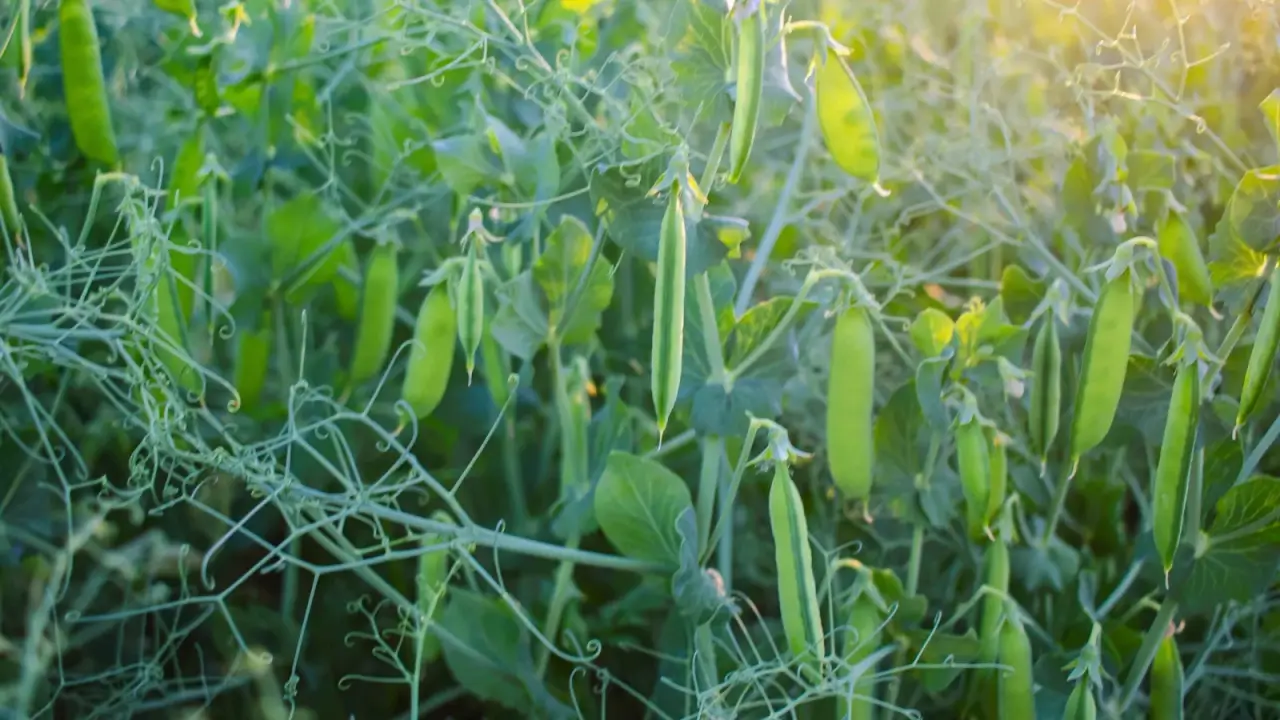
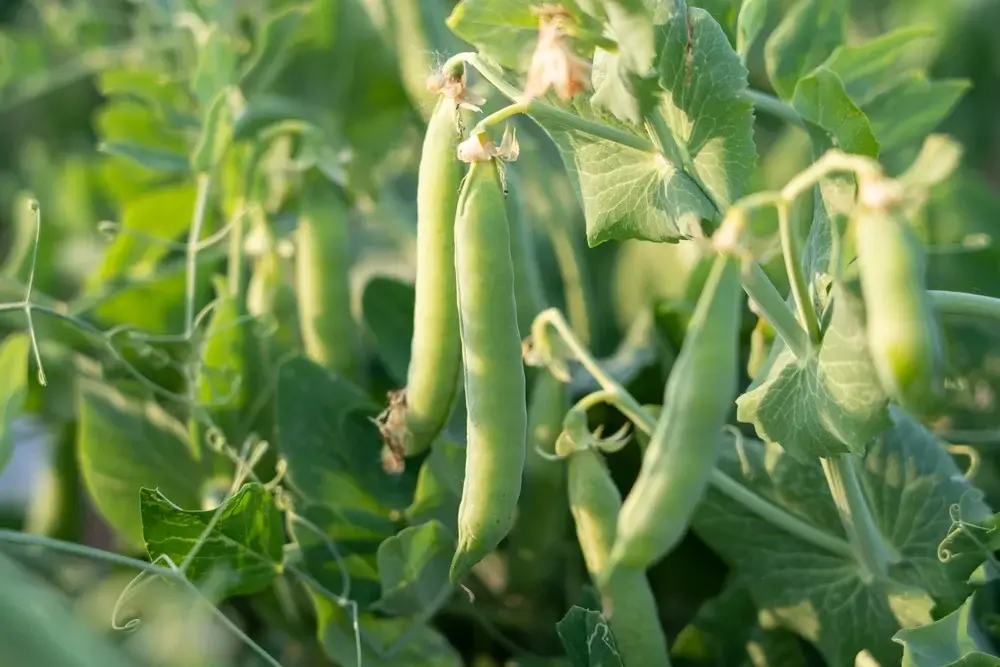
- Peas: These are the quintessential April crop. To maximize success, soak your pea seeds overnight to soften their outer coat, which speeds up germination. In regions where the ground has just thawed (ideally at temperatures around 40°F or 4°C), sow your seeds one to two inches apart. Whether you favor sugar snaps, snow peas, or shelling varieties, remember that most require sturdy trellising to support their climbing habits.
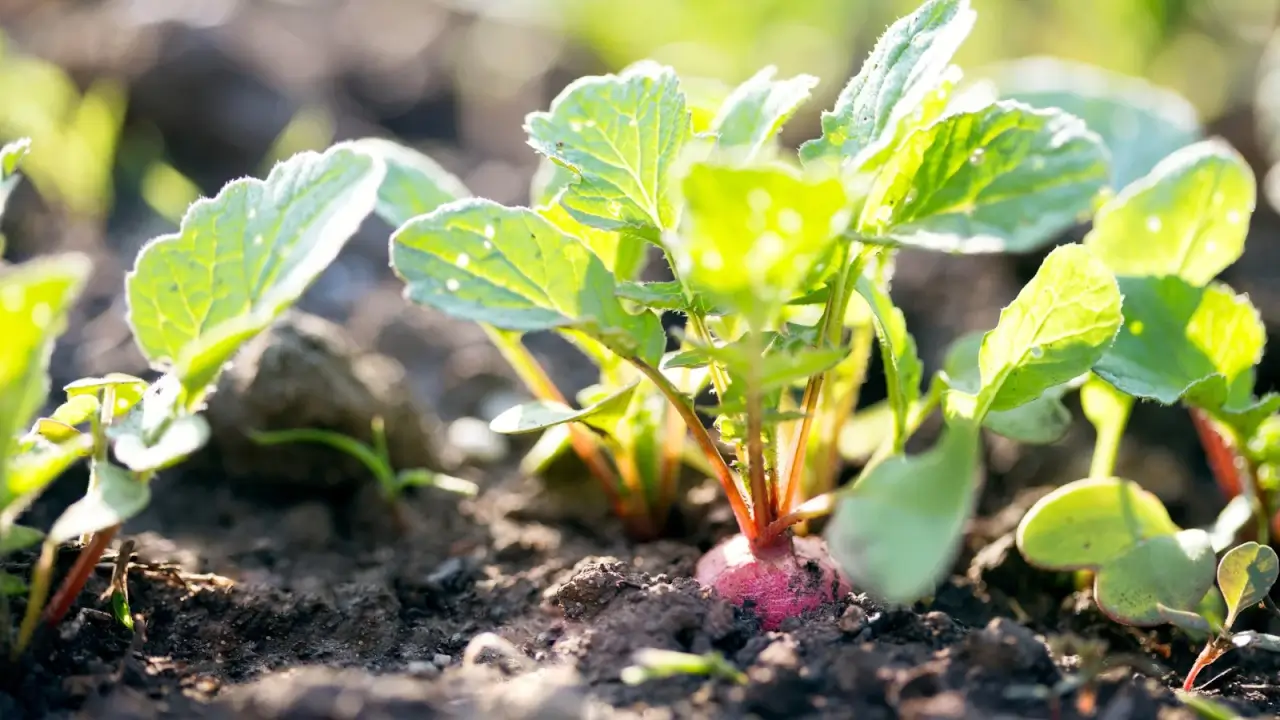
- Radishes: If you are looking for a quick win, the radish is your champion. These hardy root vegetables are remarkably resilient to chilly soil. If your region is heading quickly into a hot summer, focus on varieties like ‘French Breakfast’ or ‘Cherry Belle,’ which mature in roughly 30 days. For those in colder climates, larger, slower-maturing varieties like the Black Spanish radish or long daikon roots are superior choices.
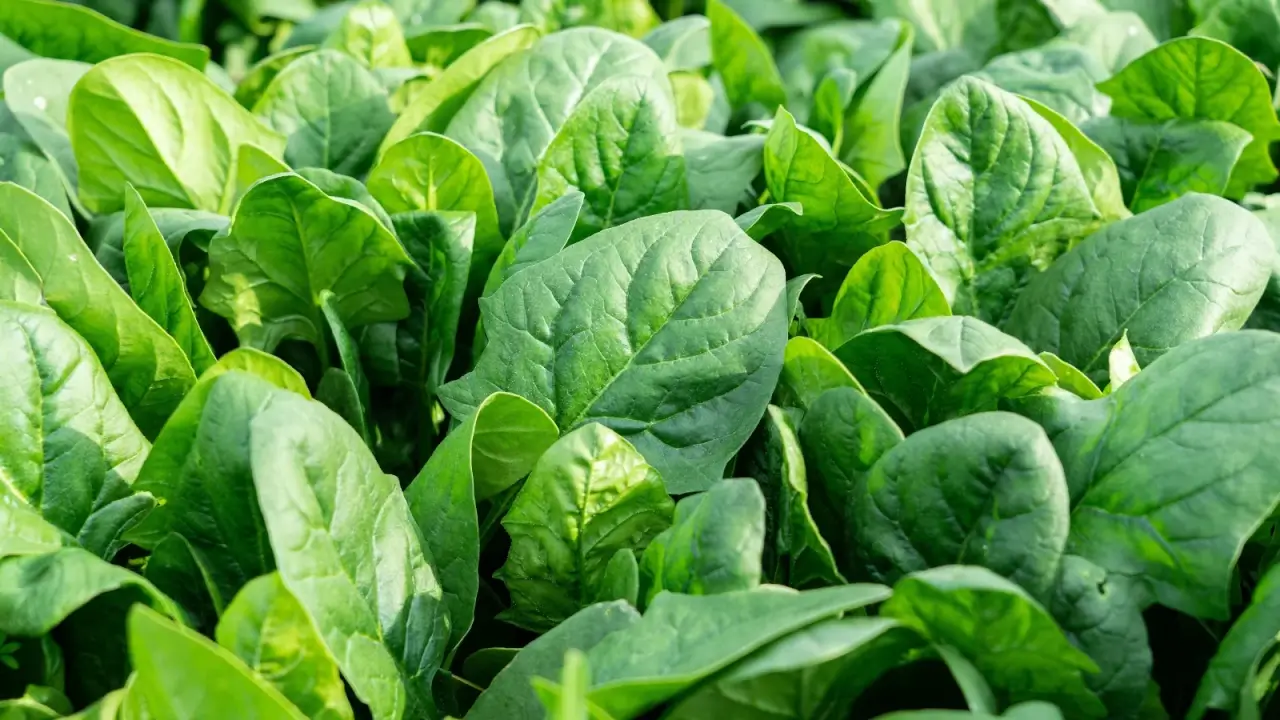
- Spinach: This nutritious leafy green is a cool-season powerhouse. Spinach not only tolerates the occasional frost but arguably thrives under it, developing a sweeter flavor profile. For the best yields, plant densely. If you are worried about rising temperatures, dense planting acts as a living mulch, keeping the soil cool and moist for longer.
- Beans: While most beans demand warmth, they are suitable for direct sowing once the danger of the hardest frost has passed. While pole and shelling beans require a mild, frost-free window of several months, heat-loving varieties like cowpeas (black-eyed peas) can be initiated once the soil warms up. If you are still in a high-risk frost zone, it is best to hold off on beans until May.
The Indoor Nursery: Controlling the Variables
Starting seeds indoors is a strategic maneuver designed to bypass the limitations of a short growing season. By using trays, heat mats, and consistent lighting, you create an environment that accelerates growth, ensuring that by the time the weather is reliably warm, you have robust, mature seedlings ready to hit the ground running.
Crops That Benefit from a Head Start
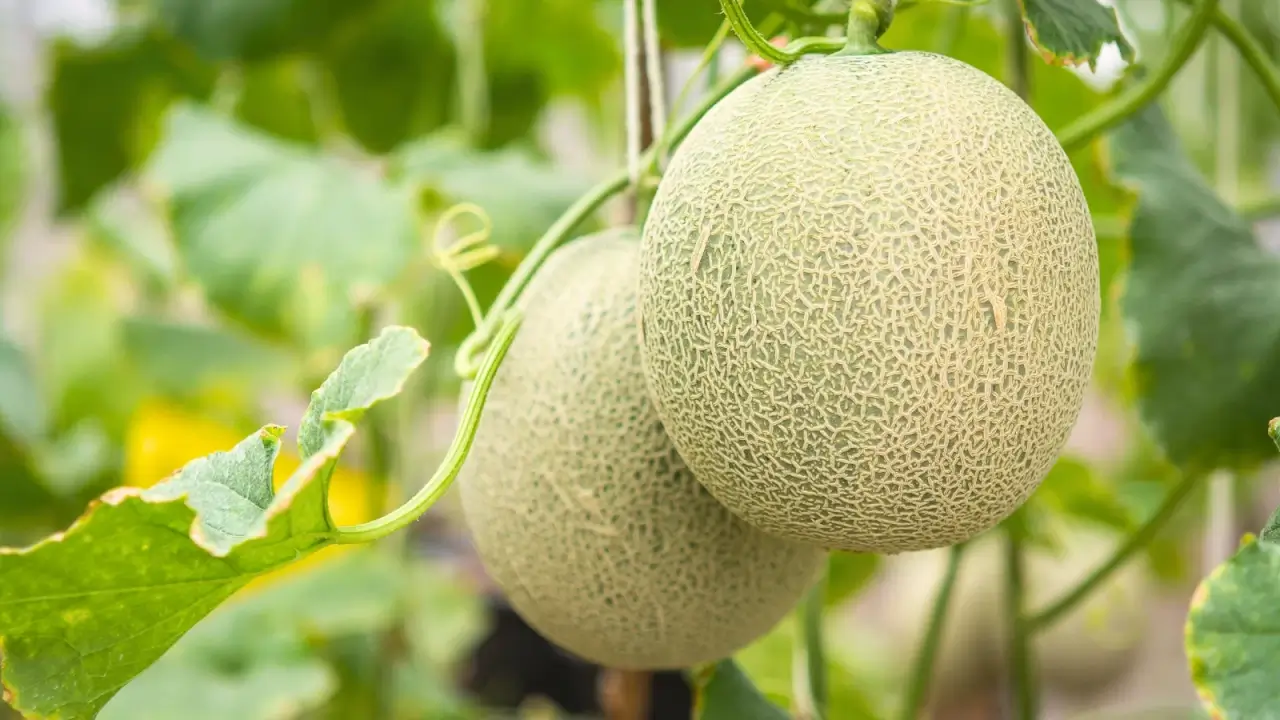
- Melons: Large watermelons often require four to five months of consistent growth to reach maturity. In many parts of North America, the window of frost-free weather is simply too narrow to achieve this from a direct-sown seed. By starting them indoors in April, you gain a critical advantage. Aim for varieties like ‘Hale’s Best’ for long seasons, or ‘Minnesota Midget’ for regions where the frost-free window is tighter.
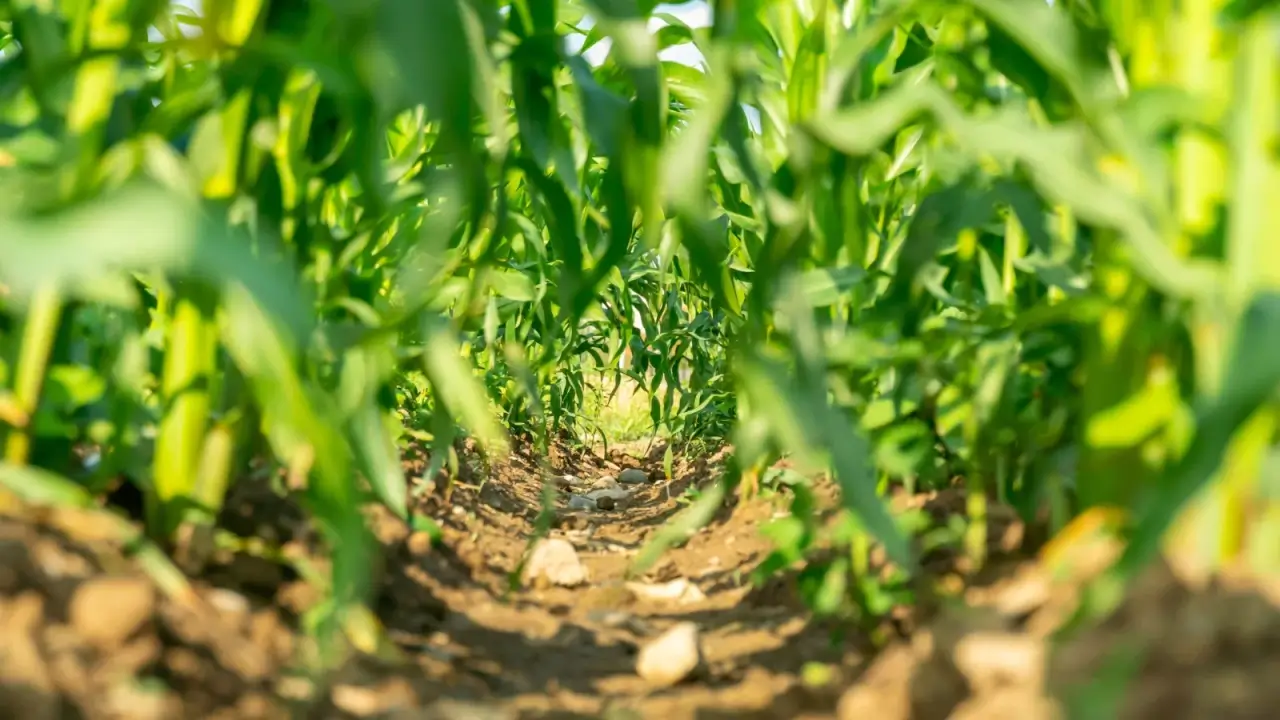
- Corn: Traditionally, corn is direct-sown, but in small-scale farming, space is at a premium. If you utilize deep, individual cell trays that allow for root-ball extraction without disturbing the sensitive root system, you can transplant corn successfully. Starting corn indoors is an excellent way to guarantee high germination rates and uniform growth, particularly for specialty varieties like ‘Glass Gem’ or heirloom sweet corn.
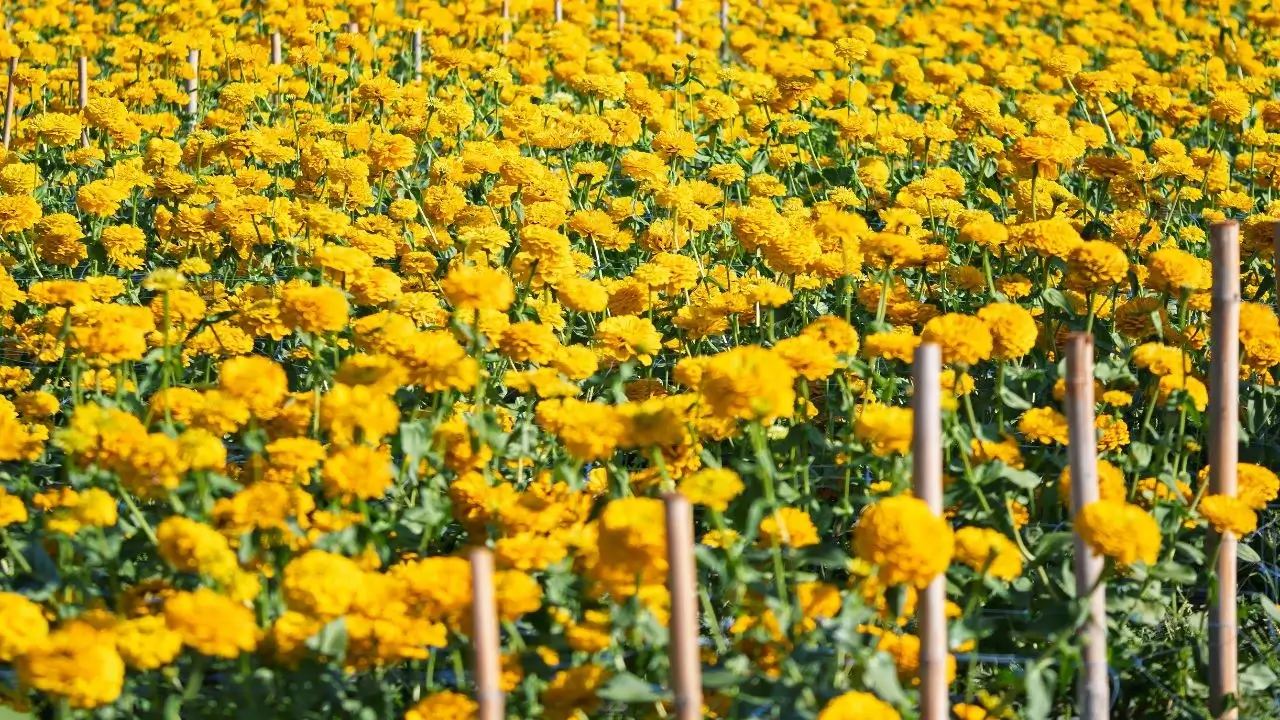
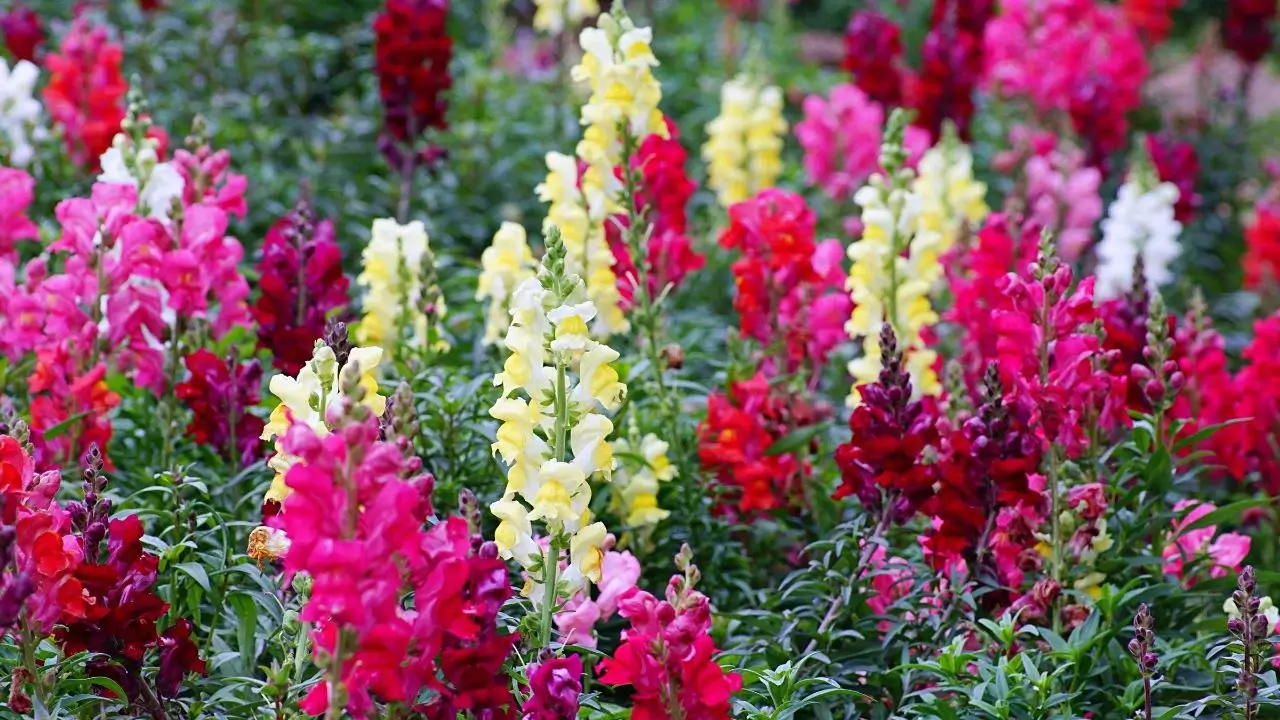
- Annual Flowers: Flowers such as zinnias, cosmos, and marigolds are not just for aesthetics; they are essential for pollinator health. While they can be direct-sown once the soil hits 70°F (21°C), starting them indoors allows you to produce strong, established plants that can handle the unpredictability of early spring weather. Snapdragons, in particular, are remarkably easy to start indoors and transplant into the garden once the frost threat subsides.
Supporting Data: Why Timing Matters
The logic behind this split-strategy approach is rooted in plant physiology. Plants like peas and radishes possess a taproot or root structure that is highly sensitive to being moved. When these roots are torn or compressed during a transplant, the plant redirects energy toward root repair rather than vegetative growth. This leads to stunted stalks and diminished yields.
Conversely, plants like melons and peppers have vigorous growth cycles that demand stable, warm temperatures. If these seeds are sown into cold, wet April soil, they will often rot before they even have a chance to germinate. The controlled environment of an indoor setup mitigates these risks, providing the necessary heat and moisture to trigger the biochemical pathways required for successful emergence.
Expert Insight: The Role of Controlled Environments
Professional growers and agricultural extension services often emphasize that "starting indoors" does not mean "starting in a closet." The primary constraint for indoor seed starting is light. Without adequate light, seedlings become "leggy"—stretching desperately for a source of energy that isn’t there.

Farmers are increasingly turning to high-intensity LED grow lights and heat mats to mimic the intensity of the summer sun. This "forced" growth, when balanced correctly, produces a plant that is often three to four weeks ahead of its natural development. When hardened off—a process of gradually acclimating the plants to outdoor wind and sun—these transplants are significantly more resilient to the stresses of the garden than seeds sown directly into the ground at the same time.
Implications for Future Harvests
As we look toward the mid-summer harvest, the importance of these April decisions becomes clear. A farm that has correctly balanced its direct-sowing and indoor-starting schedules will experience a "staggered" harvest.
- Early Season: The direct-sown peas and radishes provide the first wave of revenue and fresh produce, capitalizing on the cool spring moisture.
- Mid-Season: The indoor-started flowers and herbs begin to fill out, providing essential pollination services and market-ready bundles.
- Late Season: The melons and corn, which were given that early indoor advantage, reach their peak, ensuring a long and productive season that extends well into the fall.
Conclusion: The Farmer’s Path Forward
April is not a month for hesitation. It is a time for calculated action. Whether you are working with a vast field or a modest container garden, the rules remain the same: respect the nature of the plant, honor the limitations of the local frost, and leverage technology to bridge the gap between winter and the coming summer.
By categorizing your crops based on their root sensitivity and their tolerance for cold, you can build a garden that is resilient, productive, and perfectly timed. Take the time this week to audit your seed inventory, prepare your growing trays, and check your local forecasts. The seeds you sow this month are the foundation upon which your entire season will be built. Use your April wisely, and the earth will reward you with a bounty that lasts long after the spring sun has turned to summer heat.