

 Ammar Sabilarrohman
 Dwi Wanna
 Nana Wu
 Neng Nana
 Nana
Nana Lina Irawan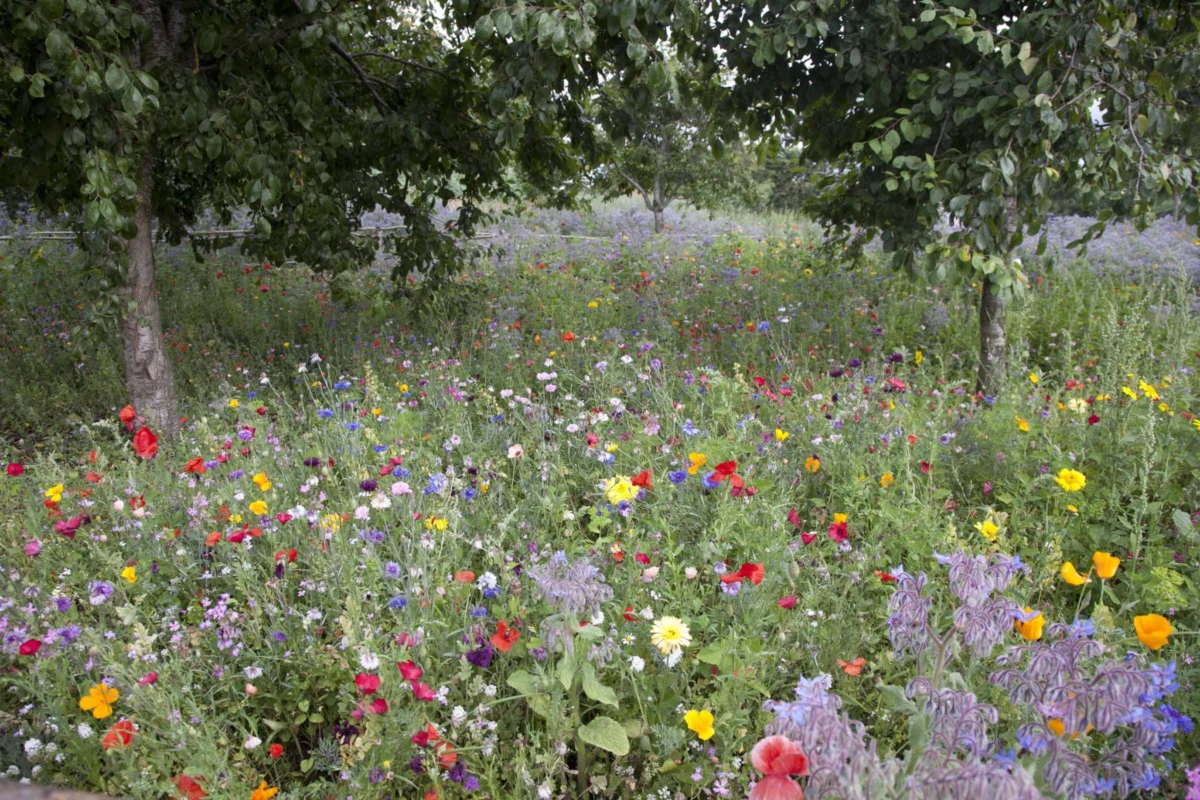
Nestled in the heart of South Dublin, the Airfield Estate stands as a defiant, verdant contrast to the encroaching grey of urban expansion. Spanning 38 acres, this unique working organic farm, educational hub, and heritage centre serves as far more than a public park; it is a "living classroom" designed to bridge the widening chasm between the modern consumer and the soil that sustains them. As Ireland grapples with the dual pressures of climate change and a modern food system that has increasingly detached the populace from the rhythms of agriculture, Airfield offers a blueprint for a more resilient, connected future.
The Essence of the Estate: A Living Classroom
Airfield Estate operates on the philosophy that true understanding—be it of ecology, food systems, or heritage—cannot be gleaned solely from textbooks or digital screens. It must be experienced through the hands and the soil. Since being gifted to the Irish people by the philanthropic Overend sisters in 1974, the estate has remained a sanctuary of biodiversity and historical continuity.
As a research and educational centre, it provides a powerful example of "place-based" learning. Visitors, ranging from school children to seasoned agriculturalists, are invited to engage with the land through tangible, sensory experiences: milking cows, exploring the intricate ecosystems of soil, and participating in the seasonal cycles of planting and harvest. By transforming the abstract concepts of sustainability into concrete, daily practices, Airfield serves as an essential bridge, demystifying the food chain and fostering a sense of stewardship that is often lost in the sanitized aisles of the modern supermarket.
Chronology: From Private Legacy to Public Catalyst
The evolution of Airfield Estate is a testament to the foresight of the Overend family and the subsequent stewardship of the Airfield Trust.
- 1974: The Overend sisters, Letitia and Naomi, bequeath their estate to the Irish people, ensuring that their home, farm, and gardens would be preserved as an educational and charitable resource.
- Late 20th Century: The estate transitions from a private working farm to a public heritage site, slowly integrating educational programming into its daily operations.
- 2010s: The estate undergoes a significant strategic shift, focusing on "living classroom" pedagogy. This period marks the integration of modern sustainability technologies, such as anaerobic digestion, alongside traditional heritage farming.
- 2020–Present: Airfield emerges as a leader in urban agriculture, launching community gardening initiatives, agroforestry projects, and deep-dive research into organic farming practices, positioning itself as a vital node in Ireland’s climate action framework.
The Disconnection of Modernity: Data and Reality
Despite Ireland’s profound agrarian legacy, the contemporary reality is one of disconnection. Current data from the Department of Agriculture, Food and the Marine highlights that less than 4% of the Irish workforce is now directly involved in agriculture. This statistic is more than a labor shift; it represents a fundamental change in national identity.
As urbanization accelerates, the "food literacy" of the general population has plummeted. Many households have become reliant on hyper-processed convenience foods, losing both the time and the knowledge required to produce or prepare meals from primary ingredients. Furthermore, national agricultural policy has historically prioritized "productivity" and scale, often at the expense of biodiversity and soil health. While this approach has driven economic growth, it has also left the nation’s food systems vulnerable to climate instability and environmental degradation.
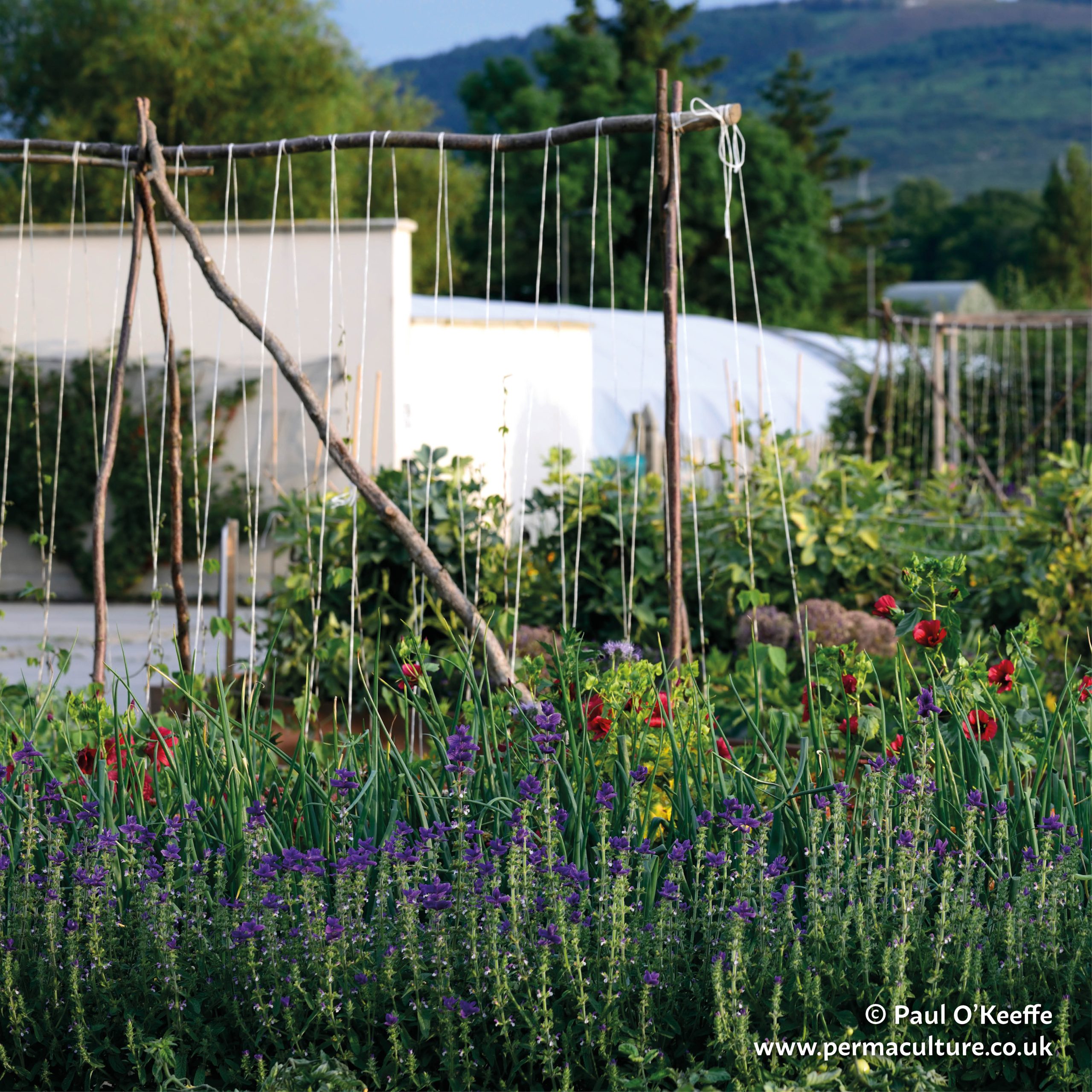
The challenge is clear: how to reverse this trend while maintaining economic viability? The answer lies in the shift toward regenerative practices. Ireland is increasingly recognized for its "greener" beef and dairy production, yet public support for these shifts remains tepid due to a lack of awareness. Airfield Estate’s data shows that when the public is brought into direct contact with the land, skepticism often gives way to informed advocacy.
Experiential Learning: Ecological Literacy in Action
The methodology at Airfield is rooted in environmental psychology: the belief that direct interaction with nature fosters empathy. When a child learns to churn butter or a student witnesses the symbiosis of an anaerobic digester, the environment ceases to be a distant political topic and becomes a personal reality.
The estate’s agroforestry efforts are particularly illustrative. By planting native Irish hedging—hawthorn, hazel, and crab apple—the estate creates wildlife corridors that act as living museums of biodiversity. Visitors are taught that a garden hedge is not merely a boundary but a vital habitat for badgers, bats, and foxes.
Furthermore, the integration of the MyGug anaerobic digester provides a practical look at the circular economy. By converting kitchen scraps into clean cooking gas and liquid fertilizer, the estate demonstrates that household waste can be a resource rather than a liability. This is the core of ecological literacy: understanding that every output is an input, and every choice ripples through the ecosystem.
Cultural Heritage and Social Cohesion
Ireland’s relationship with food is complicated by the historical shadow of the Great Famine (1845–1852). For centuries, hunger was not just a physical reality but a political tool, casting a long psychological shadow that persists in the national psyche. Airfield Estate acknowledges this history, using it as a starting point for conversations about food security and equity.
In a rapidly changing Ireland, where over 20% of the population was born abroad, the estate also serves as a crucial site for social integration. Food, as a universal language, transcends linguistic and cultural barriers. Through community gardening projects, Airfield provides a space where migrants and long-term residents can work side-by-side. By sharing agricultural traditions and co-creating a harvest, the estate helps weave the diverse threads of modern Irish society into a more cohesive, empathetic whole.
Official Responses and Policy Implications
The "living classroom" model championed by Dr. Paul O’Keeffe and his team at Airfield is increasingly garnering attention from policymakers. As Ireland aligns its national strategies with the EU’s Green Deal and the Climate Action Plan, there is a growing consensus that the traditional school curriculum is insufficient to address the scale of the climate crisis.
Education for Sustainable Development (ESD) is now a policy priority, yet the implementation remains fragmented. Experts argue that farms like Airfield should be formally integrated into the national educational framework. By formalizing partnerships between schools and community farms, the government could leverage these sites as primary delivery vehicles for science, geography, and social studies curricula.
Such a shift would address several national goals simultaneously:
- Public Health: Encouraging better dietary habits through improved food literacy.
- Mental Health: Promoting the therapeutic benefits of nature-based learning.
- Climate Mitigation: Creating a more informed citizenry capable of supporting the transition to regenerative agriculture.
Toward a Rooted Future: A Call to Transformation
As we look toward the future, the lessons of Airfield Estate are clear: education must move beyond the delivery of information and toward the experience of transformation. The estate serves as a reminder that we are not separate from the natural world, but integral components of it.
In a country shaped by both the richness of its soil and the trauma of its history, these living classrooms offer a space for healing. They allow us to honor the wisdom of the past—the traditional farming techniques that preserved the landscape for centuries—while embracing the technological innovations required to safeguard it for the future.
Ultimately, the power of a place like Airfield lies in its ability to inspire. It invites us to imagine a society where our food systems are not just efficient, but equitable; where our relationship with the land is not just extractive, but restorative; and where the act of growing, preparing, and sharing a meal remains a joyful, communal, and profoundly human experience. The future of Ireland may well be written in the soil of its fields, provided we are willing to step outside and begin the work.

 Basiran
 Asep Darmawan
