

 Ammar Sabilarrohman
 Dwi Wanna
 Nana Wu
 Neng Nana
 Nana
Nana
The architectural landscape of the Île-de-France region has been redefined by a project that balances the fragility of history with the robustness of modern industrial design. The Centre Pompidou Francilien – Fabrique de l’Art, a collaborative masterwork by PCA (Philippe Chiambaretta Architecte) and Prellwitz Chilinski Associates, stands as a testament to the evolving nature of museum infrastructure. Far from a traditional gallery, this facility serves as the vital, beating heart of preservation for two of the world’s most significant modern art collections, operating under a duality of function that is as poetic as it is technical.
The Dual Identity: A Study in Architectural Paradox
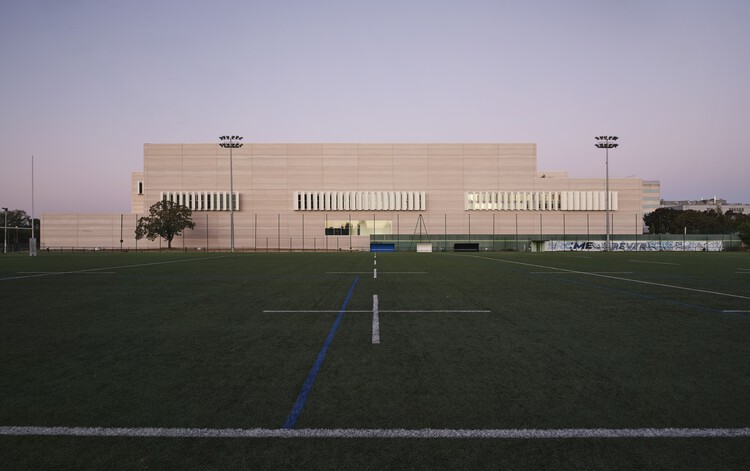
At the core of the Fabrique de l’Art’s design is a striking architectural paradox. The building presents two distinct faces to the world, each serving a specific, non-negotiable purpose. On one side, the structure functions as a "vault"—a sealed, monolithic entity designed to protect. In this capacity, the architecture is intentionally subdued, prioritizing the rigorous climate control and light-management requirements necessary to safeguard masterpieces from the ravages of time, humidity, and ultraviolet exposure.
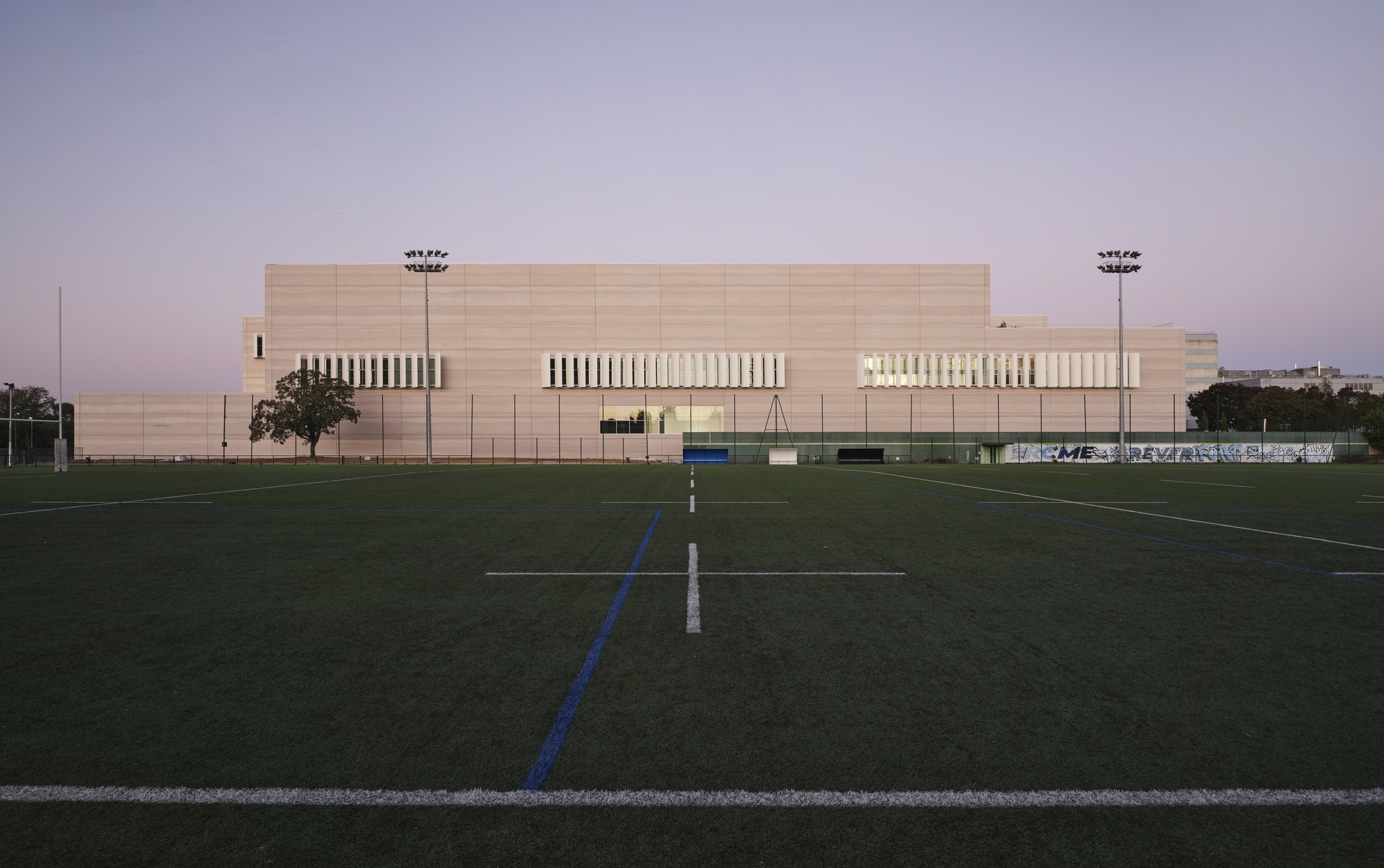
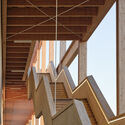
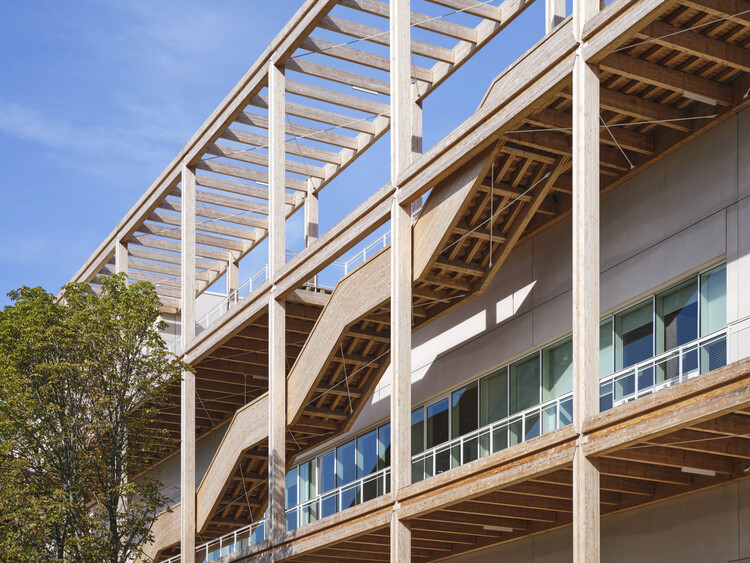
However, the building is not merely a bunker. It is an active workshop, a "factory of art," where the preservation, restoration, and study of modern art take place. This functional duality is managed through a sophisticated material palette: wood, glass, and structural beams are deployed not just for their aesthetic appeal, but to facilitate a workspace that is both serene and highly functional. The interplay between the solid, opaque mass of the vault and the transparent, light-filled sections of the workshops creates a visual narrative of protection and revelation.
Chronology: From Concept to Conservation
The journey of the Centre Pompidou Francilien began with a pressing institutional need: the saturation of existing storage spaces in Paris. As the Centre Pompidou and its partner institutions faced the daunting task of managing an ever-expanding inventory, the requirement for a centralized, state-of-the-art "Fabrique" became evident.
- Initial Planning and Site Selection: The project was conceived as a decentralized solution to central museum congestion, focusing on the Île-de-France periphery to ensure accessibility for logistics while maintaining proximity to the capital.
- Design Development (PCA/Prellwitz Chilinski Associates): The architects were tasked with the challenge of blending the stringent technical requirements of a high-security archive with the architectural ambitions of a cultural landmark.
- Construction Phase: Over several years, the site underwent rigorous development. The integration of specialized HVAC systems, fire suppression technologies, and seismic-resilient structural framing became the primary focus.
- Inauguration and Commissioning: The facility reached completion in late 2026, marking a new chapter in the management of French national cultural assets. The building transitioned from a construction site to a "living archive."
Supporting Data: The Technical Architecture of Preservation
The success of the Fabrique de l’Art lies in the invisible engineering that supports its aesthetic form. When architects approach a project of this nature, the "design" is often secondary to the "performance."
Environmental Control Systems
To preserve oil paintings, textiles, and mixed-media sculptures, the facility maintains a constant micro-climate. The building’s thermal envelope is constructed from high-performance materials that minimize energy transfer, ensuring that external fluctuations in temperature—common in the temperate French climate—do not penetrate the inner sanctum.
Light Management
The use of glass in the structure is strategic. While natural light is a design element that connects the interior to the surrounding landscape, it is strictly filtered. Advanced glazing technologies allow for diffused, ambient light in administrative and workshop areas, while the storage vaults remain completely shielded from damaging radiation, utilizing LED-based lighting that produces zero UV emission.
Structural Integrity
The project employs a hybrid structural system of steel beams and sustainable timber, a nod to contemporary environmental standards. This provides the necessary load-bearing capacity for massive, high-density shelving systems that house thousands of works of art, effectively maximizing the square footage without compromising the building’s structural health.
Official Perspectives: The Philosophy of the "Fabrique"
Representatives from the Centre Pompidou have frequently described the project not as a storage warehouse, but as a "laboratory for the future of art." The philosophy behind the Fabrique de l’Art is that art conservation is an active, ongoing process.
By centralizing the reserves, the institution is now able to streamline the rotation of works for temporary exhibitions, facilitate international loans with greater efficiency, and invite researchers to study the collection in a dedicated space. The architects, in their design notes, emphasize that the building is a "machine for conservation"—a piece of equipment designed to be as durable and precise as the art it protects. The collaboration between PCA and Prellwitz Chilinski Associates was grounded in a shared belief that institutional architecture should be as transparent in its purpose as it is resilient in its construction.
Implications for the Future of Museum Design
The completion of the Centre Pompidou Francilien sends a clear signal to the international museum community: the future of great cultural institutions lies in the periphery. As central urban sites become increasingly expensive and restricted by zoning and heritage laws, the "reserve" model—creating specialized, high-capacity facilities on the outskirts—is becoming the industry standard.
1. Decentralization of Assets
The Fabrique de l’Art demonstrates that a museum’s primary presence does not need to be monolithic. By moving the "back-of-house" operations to a purpose-built facility, the central museum in Paris is freed to dedicate more space to public-facing exhibitions and programming.
2. Sustainability and Longevity
The integration of sustainable materials and highly efficient climate control systems sets a new benchmark for museum infrastructure. Future projects will likely look to the Fabrique de l’Art as a case study in how to achieve "net-zero" or low-carbon operations in a building that requires constant mechanical climate regulation.
3. The Architecture of Access
Perhaps the most significant implication is the shift in how archives are viewed. Once considered dark, restricted basements, the modern reserve is now being designed with architectural intent. The Fabrique de l’Art proves that functional, utilitarian spaces can possess their own form of architectural beauty, bridging the gap between cold storage and public-facing cultural space.
Conclusion: A Monument to Permanence
The Centre Pompidou Francilien – Fabrique de l’Art is more than a building; it is a promise made to future generations. By investing in the physical security and scientific study of modern art, the institution ensures that the works of the 20th and 21st centuries remain vibrant and intact.
The collaboration between PCA and Prellwitz Chilinski Associates has produced a structure that is both a guardian and a catalyst. It stands as a silent sentinel in the landscape of the Île-de-France, protecting the visual heritage of our time while providing the necessary infrastructure to keep that heritage alive. In an age where digital consumption often threatens to overshadow physical artifacts, this facility reaffirms the importance of the object itself—the canvas, the sculpture, the installation—and the profound necessity of the space in which they reside. As the doors open to this new sanctuary, the Fabrique de l’Art secures its place as a cornerstone of global museology, redefining what it means to care for the history of human creativity.

 Evan Lee Salim
