
 Dwi Wanna
 Nana Wu
 Muslim
 Reynand Wu
 Ammar Sabilarrohman
 Raul Delapena Setiawan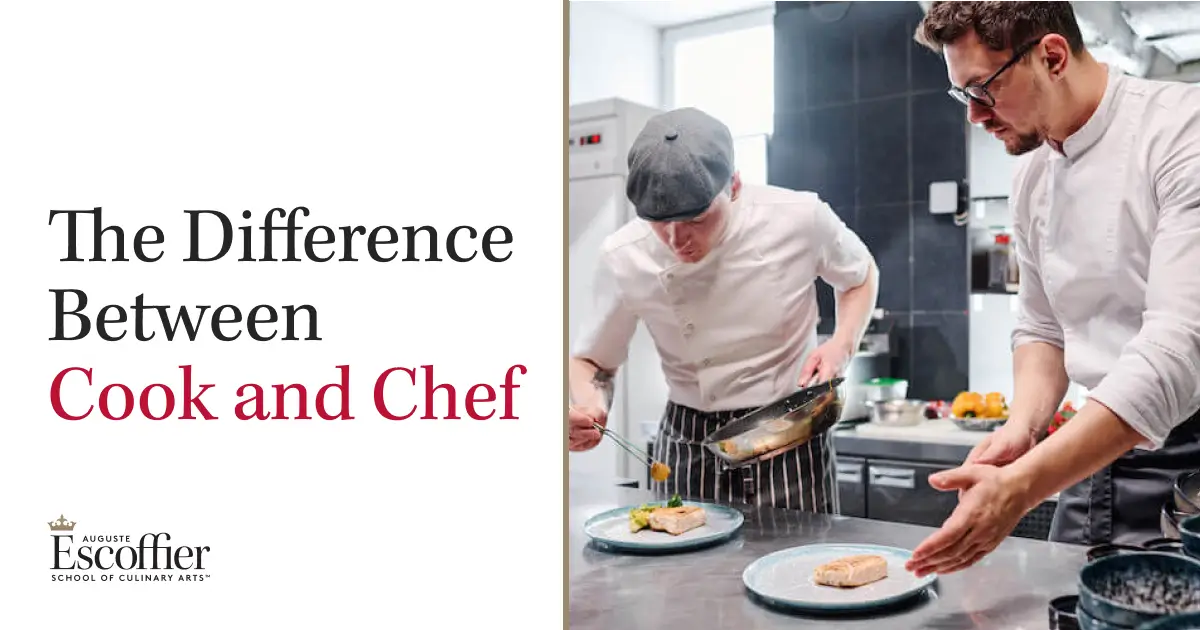
In the high-stakes environment of a professional kitchen, the line between a "cook" and a "chef" is often blurred in the public imagination. To the casual observer, anyone wearing a white coat, hovering over a simmering stockpot, or expertly wielding a chef’s knife is simply a "chef." However, within the industry, these terms represent fundamentally different career paths, levels of accountability, and skill sets.
While both roles are essential to the brigade de cuisine—the classic kitchen hierarchy established by culinary pioneer Auguste Escoffier—the distinction lies in the transition from being a skilled technician to becoming a culinary leader. Understanding this difference is critical for anyone looking to navigate a career in the culinary arts.
The Core Distinction: Execution vs. Leadership
At its most basic level, the difference between a cook and a chef is the scope of responsibility. A professional cook is a skilled technician. Their primary mandate is the precise execution of tasks assigned to them. Whether they are tasked with the delicate chiffonade of fresh basil, the precise searing of a scallop, or the assembly of a complex sauce, the cook’s focus is on consistency, speed, and technical accuracy. They are the engine of the kitchen, ensuring that the vision laid out by the leadership is delivered to the guest’s plate exactly as intended.
A chef, conversely, acts as a manager. The word itself is derived from the French chef de cuisine, or "chief of the kitchen." A chef’s responsibility extends beyond the plate; they are accountable for the entire ecosystem of the culinary program. This includes menu development, food cost management, labor scheduling, inventory control, and the mentorship of the kitchen staff. While a chef must be a master of technique—often capable of jumping into any station during a service crisis—their success is measured not just by their own knife skills, but by the performance and efficiency of their team.
A Historical Context: The Evolution of the Brigade
To understand these roles, one must look at the brigade de cuisine. Conceived by Auguste Escoffier to bring military-style discipline and efficiency to the chaotic kitchens of the late 19th century, the system assigns specific roles to ensure a seamless flow of service.
In this hierarchy, the Executive Chef or Head Chef sits at the summit. They are the conductors of the kitchen orchestra. Below them, the Sous Chef serves as the second-in-command, managing the daily operations and ensuring the communication flow between the Executive Chef and the line staff.

Specialized roles—such as the Saucier (sauce chef), Garde Manger (pantry chef), or Pastry Chef—are technical leadership positions that require deep expertise. Beneath these ranks are the Line Cooks and Prep Cooks. While these roles are vital, they operate within a defined sphere. The progression from a line cook to a sous chef is the most common trajectory, requiring the professional to pivot from task-oriented work to people-and-business-oriented management.
Supporting Data: The Economic Reality
The divergence in responsibilities is reflected in the compensation models for these roles. According to 2024 data from the U.S. Bureau of Labor Statistics, the median annual wage for a cook is approximately $35,760. This figure captures the range of entry-level prep cooks to highly experienced line cooks.
In contrast, the median annual wage for chefs and head cooks is $60,990. This salary jump represents the shift toward administrative and operational accountability. It is important to note that this is a median; executive chefs in high-end establishments, private chefs, and restaurant owners often command significantly higher earnings. These figures illustrate that the "chef" title is not just a badge of honor, but a recognition of a professional’s ability to manage profit margins, minimize waste, and maintain brand standards.
The Professional Cook: The Technical Specialist
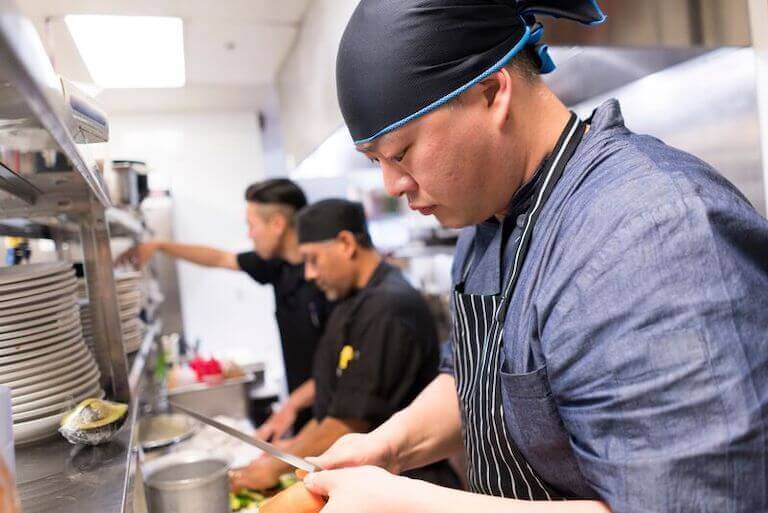
For many, the role of a professional cook is the pinnacle of culinary satisfaction. These individuals are the masters of the "mise en place"—the French term for "everything in its place." A professional cook thrives on the tactile nature of the kitchen. They are the ones who can handle a grill during a Friday night rush, maintaining the perfect temperature for dozens of steaks while simultaneously coordinating with the fry station.
Essential Skills for the Modern Cook
- Technical Proficiency: Mastery of fundamental heat applications—roasting, poaching, steaming, and braising.
- Knife Skills: Speed and safety are non-negotiable. A professional cook must be able to produce uniform cuts with high efficiency.
- Station Management: Whether running the grill, sauté, or cold prep, a cook must maintain their workspace, manage their inventory, and ensure their station is clean and prepped for the next shift.
- Food Safety: Rigorous adherence to sanitation protocols is the baseline requirement for any professional in the industry.
Many cooks choose to stay in this role because it allows them to focus purely on the craft of cooking without the administrative burden of scheduling, budgeting, or conflict resolution. It is a career path that rewards those who find joy in the "flow state" of service.
The Professional Chef: The Culinary Strategist
If a cook is the technician, the chef is the strategist. A professional chef must be a polymath of the hospitality industry. They must understand the science of food, the math of business, and the psychology of team leadership.

The Multi-Faceted Role of a Chef
- Menu Engineering: Chefs must create dishes that are not only delicious but also profitable. This involves calculating food costs, analyzing plate margins, and ensuring the menu reflects the restaurant’s concept and seasonal availability.
- Leadership and Mentorship: A chef is responsible for the culture of the kitchen. They must train new cooks, foster a positive environment under high-stress conditions, and resolve interpersonal conflicts.
- Operational Oversight: This includes managing vendor relationships, ordering supplies, maintaining equipment, and ensuring compliance with local health department regulations.
- The "Troubleshooter": When a vendor fails to deliver, a key piece of equipment breaks, or a server makes a mistake, the chef is the one expected to provide an immediate solution to keep the kitchen running.
The Path from Cook to Chef
The transition from cook to chef is a marathon, not a sprint. It is a process of "growing into" the role. Industry veterans often suggest that to become a chef, a cook must start performing chef-level tasks long before they are given the title.
A Roadmap for Advancement
- Develop Reliability: Start by being the cook who never misses a prep deadline and maintains the cleanest station.
- Think Beyond the Station: Start paying attention to the "big picture." Ask the chef how food costs are calculated or how a menu change impacts inventory.
- Embrace Mentorship: Begin helping newer cooks. Demonstrating an ability to teach is a prerequisite for moving into management.
- Seek Formal Education: While experience is paramount, formal culinary education—such as an associate degree or diploma—can provide the business, math, and leadership foundation that differentiates a great cook from a great chef.
Official Perspectives: The Value of Education
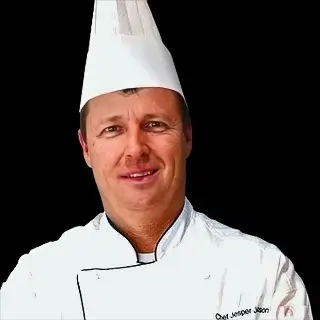
Industry experts emphasize that credentials serve as a validation of one’s commitment. As Escoffier Chef Instructor Jesper Jonsson notes, "A student who graduates from culinary school is able to participate in much better culinary conversations and understand not just cooking, but how a business is run."
For many professionals, like Nahika Hillery, an Escoffier graduate and restaurant owner, formal training provided the confidence to own the "chef" title. "I was a really good home cook, but I lacked the confidence in my skills in a professional setting," Hillery shares. "The culinary industry is such a respected field and I wanted to be on an equal playing ground with other chefs."
Implications for Your Career
Choosing between a career as a cook or a chef depends on what fuels your professional passion.
- You may prefer the Cook path if: You find fulfillment in the physical, hands-on creation of food; you enjoy the rhythm and intensity of a specific station; and you prefer to leave the administrative and business headaches to someone else.
- You may prefer the Chef path if: You enjoy the challenge of managing people and logistics; you are interested in the entrepreneurial side of the business; and you find satisfaction in creating a vision and guiding a team to execute it.
Ultimately, both paths are vital. A chef without a skilled team of cooks is powerless, and a team of cooks without a chef to provide direction and structure is directionless. Whether you see yourself standing over a flame as a line cook or standing over a spreadsheet as an executive chef, the journey begins with mastering the fundamentals.
Conclusion: Start Your Culinary Journey
The distinction between a cook and a chef is one of evolution. Every executive chef was once a line cook, and every great line cook has the potential to lead a kitchen. By focusing on skill development, maintaining a growth mindset, and understanding the business of food, you can carve out a career that matches your personal ambitions.
If you are ready to take the first step, whether your goal is to master the art of the perfect sauce or to design a menu that defines a restaurant, consider formalizing your training. Culinary school provides the structure, the network, and the advanced technical knowledge to accelerate your progress, regardless of which side of the kitchen hierarchy you eventually inhabit.

 Lina Irawan
 Evan Lee Salim