Azzam Bilal Chamdy
 Neng Nana
 Nana Muazin
 Dwi Wanna
 Raul Delapena Setiawan
 Pevita Pearce
In the landscape of Alzheimer’s disease caregiving, a common piece of advice is often presented as a hard-and-fast rule: unplug the stove, disable the oven, and remove the kitchen as a space of activity. The reasoning is rooted in undeniable safety concerns. As cognitive function declines, individuals may begin a culinary task—boiling water or sautéing vegetables—only to lose focus, forget the heat is on, or become confused by the sequence of steps. The potential for fire, burns, or gas leaks is a reality that no caregiver can ignore.
However, viewing the kitchen solely as a site of risk overlooks its profound potential as a space of therapeutic engagement. Cooking is not merely a chore; it is a sensory-rich, rhythmic, and deeply social activity that can ground a person living with dementia. By pivoting from a mindset of "restriction" to one of "adaptation," caregivers can transform the kitchen from a hazard zone into a sanctuary of connection, dignity, and joy.
The Cognitive and Health Benefits of Culinary Therapy
For individuals navigating the complexities of Alzheimer’s, the ability to engage in familiar, multi-step tasks can be a powerful cognitive anchor. Culinary therapy is increasingly recognized by occupational therapists as a way to preserve "procedural memory"—the type of memory that stores how to perform physical tasks like kneading dough or whisking eggs, even when episodic memory (memories of specific events) begins to fade.

Preservation of Procedural Memory
The act of cooking involves a sequence of movements that have been ingrained over a lifetime. When a person with Alzheimer’s engages in these motions, they are accessing neural pathways that are often more resilient than those required for abstract thinking. This participation can reduce feelings of frustration and aimlessness, replacing them with a sense of purpose.
Multisensory Stimulation
Cooking is a unique, full-body sensory experience. The aroma of baking bread, the texture of flour, the sound of a bubbling pot, and the vibrant colors of fresh produce serve as powerful external stimuli. For those with dementia, these sensations can bridge the gap between their internal state and the outside world, promoting alertness and engagement.
Emotional Benefits: Nurturing the Sense of Self
When a diagnosis of Alzheimer’s is handed down, the loss of independence is one of the most painful aspects for the patient. The kitchen provides a unique opportunity to reclaim agency.
Fostering Independence and Self-Worth
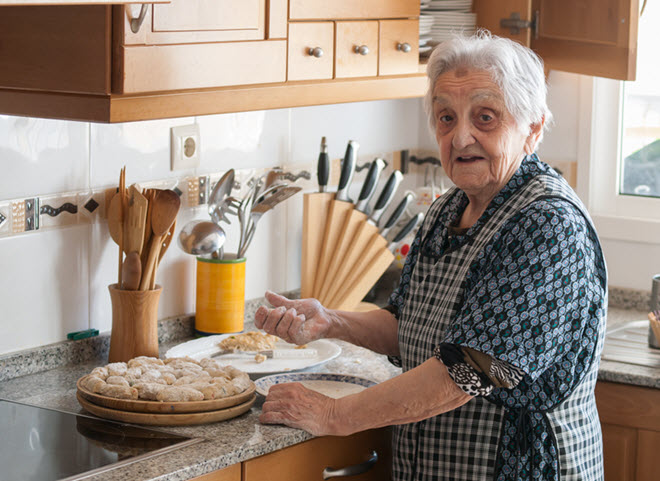
In a controlled, supportive environment, allowing a loved one to take the lead on simple tasks—such as washing vegetables, setting the table, or shelling peas—can provide a significant boost to self-esteem. It validates their role as a contributor rather than just a "patient." This shift in perspective is crucial for maintaining the individual’s identity and sense of self-worth.
The Power of Reminiscence
Food is deeply tied to memory. A family recipe, the scent of cinnamon, or the specific way a grandmother peeled an apple can serve as "reminiscence triggers." These moments of connection allow caregivers and patients to move beyond the verbal communication barriers that often plague late-stage Alzheimer’s care, creating an emotional bond that transcends words.
Creating a Safe Kitchen Environment: A Practical Framework
Safety and engagement are not mutually exclusive. The key lies in "environmental modification"—altering the kitchen space to minimize risks while maximizing the person’s ability to participate.
Strategic Supervision
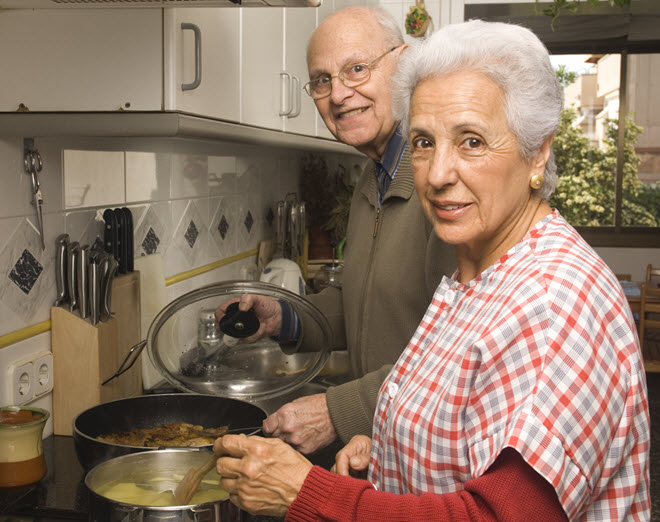
The goal is not to stop the activity, but to manage the level of supervision. Caregivers should practice "supportive participation." This means being physically present to manage the "dangerous" elements—the heat, the sharp knives, and the heavy lifting—while leaving the "tactile" tasks to the loved one.
Environmental Adjustments
- Decluttering: Remove non-essential items from countertops to reduce distraction and visual confusion.
- Color Contrast: Use high-contrast cutting boards or plates to make items easier to distinguish.
- Safety Interlocks: Install stove knob covers or hidden gas shut-off valves. Consider using an induction cooktop, which remains cool to the touch, significantly reducing the risk of accidental burns.
- Task Simplification: Break down complex recipes into small, one-step instructions. Instead of asking someone to "make a salad," ask them to "put the lettuce in this bowl."
Addressing Eating Challenges: Nutrition and Dignity
As the disease progresses, physical and sensory changes often lead to eating difficulties. These are not merely behavioral issues; they are physiological challenges that require patience and creative solutions.
Sensory Shifts
Alzheimer’s can dull the senses of taste and smell, making food seem bland or unappealing. Caregivers can counter this by using aromatic herbs and spices to enhance flavors. Serving smaller, more frequent meals can also prevent the individual from feeling overwhelmed by large portions.

Motor and Swallowing Difficulties
Difficulty using standard utensils (dyspraxia) or swallowing (dysphagia) can turn mealtime into a source of anxiety.
- Adaptive Utensils: Weighted or gripped utensils can help those with tremors or poor coordination.
- Texture Modification: If swallowing is a concern, consult a medical professional about pureeing or thickening foods, ensuring they remain visually appealing.
- The Power of Environment: Ensure the dining environment is calm, with minimal background noise, to help the individual focus on the act of eating.
Chronology of Care: Adapting Through Stages
The approach to cooking with a loved one must evolve as the disease progresses.
- Early Stage: The individual can still lead the cooking process with minimal oversight. Focus on safety reminders and shared planning.
- Middle Stage: The focus shifts to collaboration. The caregiver handles the stove and sharp tools; the loved one handles prep work, garnishing, and cleaning.
- Late Stage: The emphasis moves from "doing" to "being." Even if the individual can no longer safely use a knife, they can still participate by sitting in the kitchen, enjoying the smells, and keeping the caregiver company. The activity is now about the social connection rather than the culinary output.
Implications for the Caregiver
The most important takeaway for the caregiver is that the "product" (the meal) is far less important than the "process" (the time spent together). If a recipe fails or the kitchen gets a little messy, it does not matter. What matters is that a moment of shared humanity was created.

Caregivers often suffer from "caregiver burnout," characterized by the relentless nature of the disease. By incorporating these culinary activities into the daily routine, the caregiver creates a structured, positive interval in their day. It provides a shared objective, a sense of normalcy, and a quiet, intimate space for conversation and companionship.
Conclusion: A Culinary Legacy of Connection
The journey of Alzheimer’s is fraught with challenges that often force families into a state of rigid precaution. While safety remains the absolute priority, it should not lead to the isolation of the person living with the disease. The kitchen is one of the most vital rooms in the home; it is the heart of family life, memory, and nourishment.
By thoughtfully adapting the kitchen environment and embracing a philosophy of collaborative, sensory-driven engagement, caregivers can ensure that the culinary arts remain a source of joy. Whether it is simply rolling dough together or setting the table for a shared meal, these moments build a bridge of love and dignity that persists long after other memories may have faded. Protecting our loved ones is essential, but protecting their sense of purpose and joy is what truly defines high-quality, compassionate care.


 Evan Lee Salim