 Dwi Wanna
 Nana Wu
 Muslim
 Reynand Wu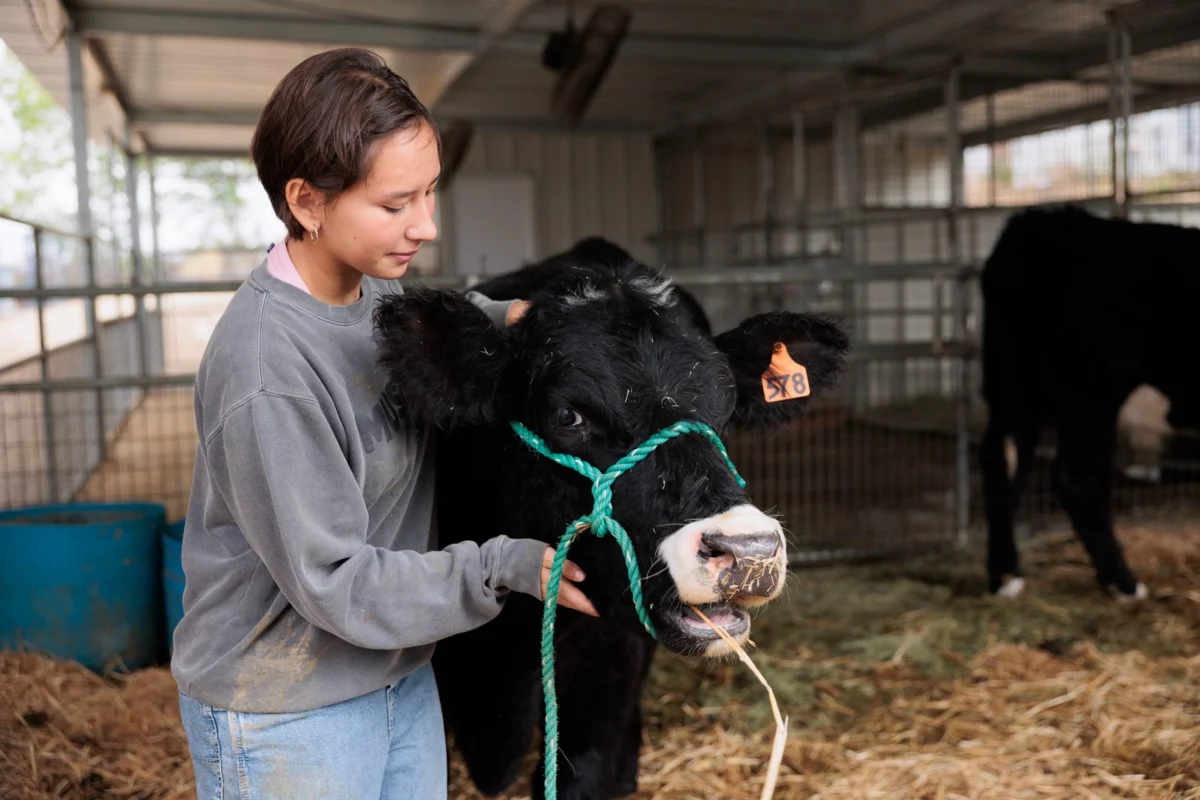
 Ammar Sabilarrohman
 Suro Senen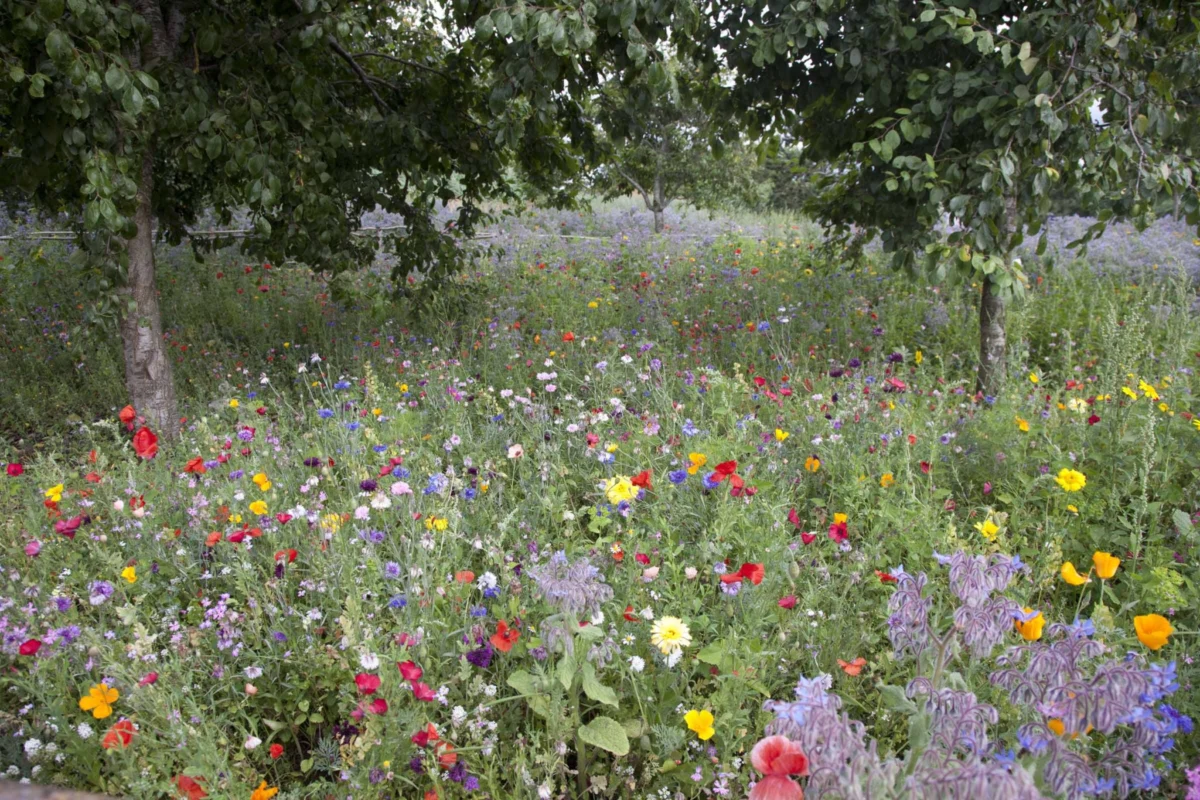
Nestled in the bustling heart of south Dublin, Airfield Estate serves as far more than a mere green lung for the city. It is a 38-acre working organic urban farm, a sophisticated educational and research centre, and a vital heritage site. As a "living classroom," it enables visitors of all ages to engage meaningfully with the intricacies of food, farming, and nature. By offering hands-on experiences—from milking cows to managing anaerobic digesters—the estate bridges the growing chasm between modern urban life and the ancestral rhythms of the land.
The Genesis of an Urban Sanctuary
The story of Airfield is deeply rooted in the philanthropy of the Overend sisters. In 1974, Letitia and Naomi Overend gifted the estate to the Irish people, ensuring that their family home would serve as a permanent educational resource. Their foresight transformed a private property into a public beacon of agricultural heritage.
For decades, the estate has operated as a place-based educational model. It stands as a testament to the belief that the land is not just a resource to be exploited, but a teacher to be respected. By grounding its operations in community engagement and cultural history, Airfield provides a blueprint for how urban spaces can integrate food production with ecological stewardship.
A Nation at a Crossroads: The Agrarian Disconnect
Ireland’s history is inextricably linked to the soil. For centuries, the economy, family structures, and national identity were defined by the cycles of the farm. However, the 21st century has seen a dramatic shift. Today, fewer than 4% of the Irish workforce is directly employed in agriculture.
This statistic, while indicative of a modernised economy, masks a deeper sociological trend: the widening gap between the consumer and the source of their sustenance. As Ireland continues to urbanise, the visceral connection to the land—once a defining feature of the Irish experience—is at risk of fading. This "disconnection of modern life" is compounded by the reliance on processed, high-carbon-footprint convenience foods and a general decline in food literacy among the younger generation.
Historical Trauma and the Politics of Food
To understand the current state of Irish food culture, one must acknowledge its history. The Great Famine (1845–1852), a catastrophe rooted in both crop failure and systemic political neglect, left an indelible scar on the Irish psyche. Hunger was not merely a physical experience but a symbol of national struggle, later echoed in the 20th-century movements for independence.
Because food in Ireland is so deeply political and personal, it serves as a potent entry point for ecological discourse. Living classrooms like Airfield do not shy away from this history. Instead, they provide a space to reckon with the past while imagining a sustainable future. By exploring what food means to us and how it shapes our relationships with our neighbors, the estate acts as a catalyst for rethinking our place in the natural world.
The Mechanics of the Living Classroom
Living classrooms differ from traditional academic settings by being immersive, embodied, and site-specific. At Airfield, the pedagogy is built on sensory engagement.
Experiential Learning and Ecological Literacy
Visitors are encouraged to step off the path and into the ecosystem. Whether it is a school group learning about soil health or an adult volunteer tending to the vegetable beds, the learning process is tactile. The estate is a community of beings: squirrels, badgers, foxes, and a myriad of pollinators share the 38 acres with the livestock.
Key features of this educational approach include:
- Agroforestry and Hedgerows: Visitors learn that hedges are not merely boundaries, but vital wildlife corridors. By fostering native hawthorn and hazel, the estate teaches the value of biodiversity.
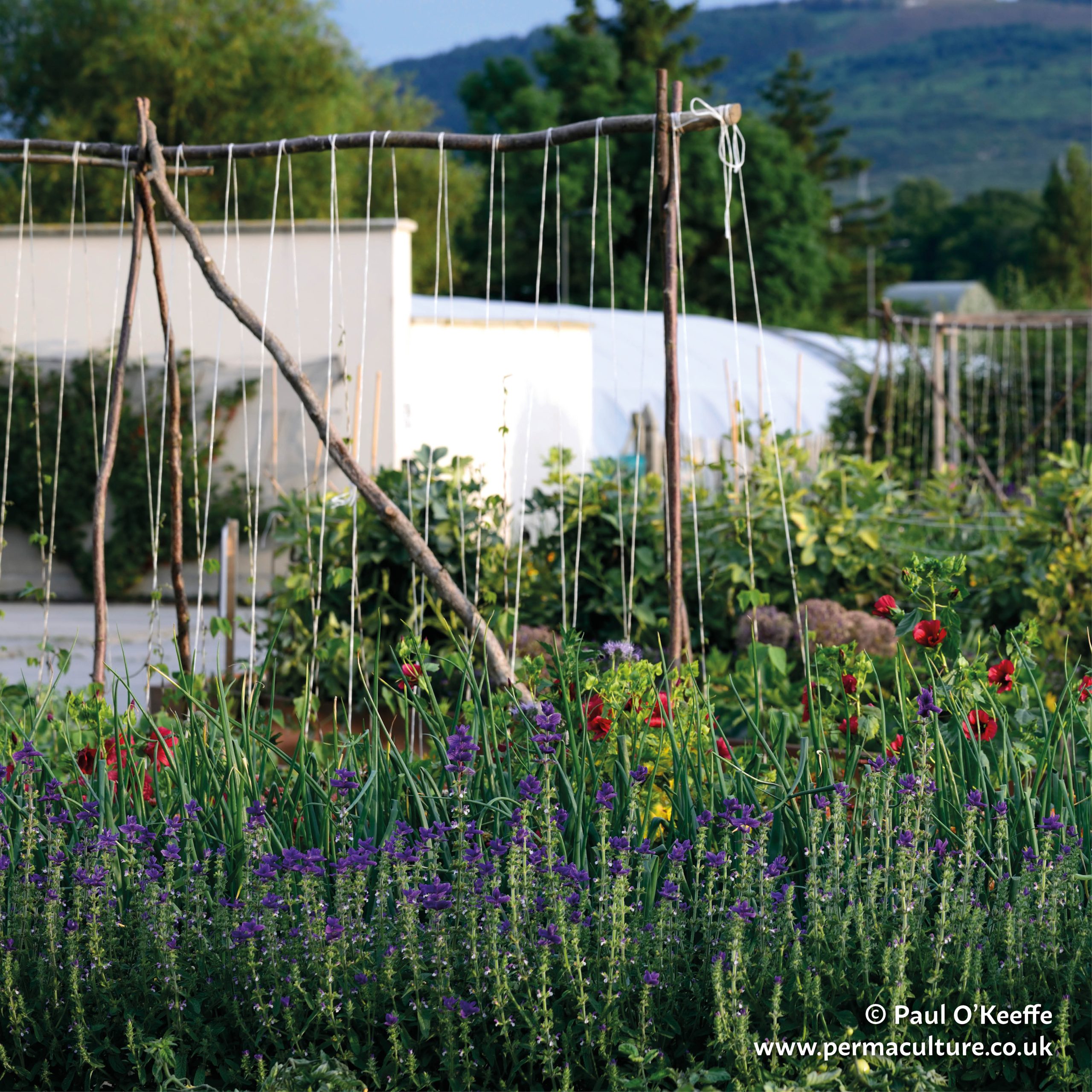
- Crop Rotation and Soil Health: Practical demonstrations show how peas and beans enrich the soil, reducing the need for chemical fertilisers—a lesson that visitors can translate into their own home gardening practices.
- Waste-to-Energy: The presence of the MyGug anaerobic digester is a highlight for many. It demystifies the circular economy by demonstrating how household food waste can be converted into clean cooking gas and liquid fertiliser.
Bridging the Old and the New: Cultural Heritage
Airfield’s strength lies in its ability to marry traditional ecological knowledge with 21st-century innovation.
Chronology of Heritage and Innovation
- Pre-1974: The Overend family managed the estate, preserving traditional farming methods.
- 1974: The estate is gifted to the public, shifting its focus toward education.
- Modern Era: The integration of 4D printing, renewable energy systems, and data-driven farming technologies alongside traditional butter churning and harvest festivals.
This duality is intentional. By pairing the wisdom of the past with the technological tools of the future, Airfield makes sustainability feel achievable rather than intimidating.
Integration in a Changing Ireland
With over 20% of the Irish population now born abroad, the estate has taken on a new role: social cohesion. The "community gardening" initiatives provide a welcoming, neutral space where locals and new arrivals can interact. As Dr. Paul O’Keeffe, Head of Education and Research at Airfield, notes: "Food is a universal language." By sharing the work of planting and harvesting, barriers are broken, and a sense of shared belonging is fostered.
Supporting Data: The Climate Imperative
The urgency for this model is underscored by Ireland’s national climate goals. While the agri-food sector contributes significantly to the national economy, it is also a primary contributor to environmental pressures.
- The Productivity Paradox: Historically, Irish agricultural policy prioritised volume and scale.
- The Green Transition: Current strategies are pivoting toward regenerative practices and lower-emission dairy and beef production.
- The Knowledge Gap: Public support for these systemic changes is currently lagging. Airfield serves as an essential bridge, translating complex climate policy into digestible, experiential lessons for the general public.
Official Responses and Policy Implications
Despite the success of the Airfield model, these "living classrooms" remain underutilised in the national educational framework. While the Department of Education and the Department of Agriculture, Food and the Marine have acknowledged the importance of Education for Sustainable Development (ESD), initiatives like Airfield often remain "ad hoc" or marginal to the mainstream curriculum.
The Case for Systematic Reform
The implications for policy are clear. To meet Ireland’s climate action targets, the government should consider:
- Systemic Integration: Moving farm-based learning from the periphery to the core of the school curriculum.
- Institutional Partnerships: Formalising the relationship between heritage sites, farms, and local schools to ensure long-term funding and stability.
- Mental Health and Wellness: Recognising the role of nature-based learning in addressing the growing mental health crisis in urban populations.
Conclusion: Toward a Rooted Future
As we confront the existential threats of climate change, biodiversity loss, and social fragmentation, the living classroom offers a grounded and hopeful path forward. It transforms education from a passive acquisition of facts into a transformative, lived experience.
Airfield Estate proves that when we reconnect with the land, we do not just learn about the environment; we learn about ourselves. We learn that we are part of a larger, interconnected web of life. In a nation shaped by both agrarian pride and historical trauma, these spaces offer a chance for healing. By drawing on the wisdom of the past and equipping the next generation with the tools of the future, Airfield is not just teaching about food—it is cultivating a more just, sustainable, and cohesive society. Education, in this context, is not merely information; it is the fundamental act of transformation.

 Sagoh
Sagoh