Azzam Bilal Chamdy
 Neng Nana
 Nana Muazin
 Dwi Wanna
 Raul Delapena Setiawan
 Nila Kartika Wati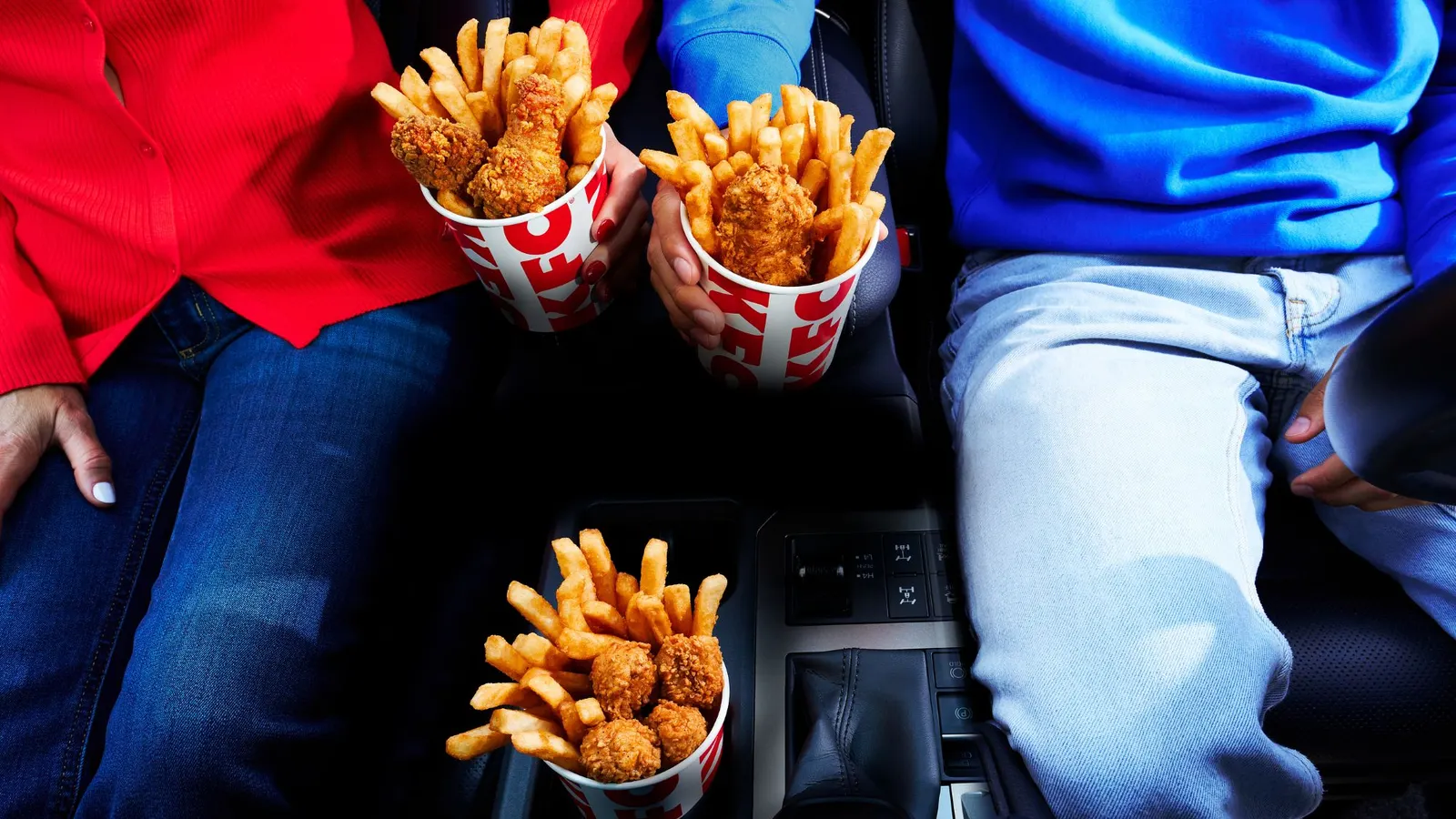
In an increasingly competitive quick-service restaurant (QSR) landscape, KFC is executing a comprehensive turnaround strategy aimed at reversing stagnant sales and revitalizing customer traffic. By leaning into aggressive value propositions and capitalizing on evolving consumer dining habits, the fried chicken giant is attempting to redefine its market position. The core of this initiative lies in a multi-pronged approach that blends menu innovation, operational experimentation, and a tactical focus on "snackable" dayparts.
Main Facts: The New Value Proposition
The centerpiece of KFC’s current strategy is the deployment of accessible, price-conscious offerings designed to appeal to budget-sensitive consumers. Chief among these are the "Go Buckets," a strategic menu item priced at $3.49. These offerings are not merely low-cost items; they are engineered to meet specific consumer demands: affordability, protein content, and portability.
With 16 to 18 grams of protein per serving, the Go Buckets address the growing consumer appetite for nutrient-dense options in the fast-food space. Furthermore, by positioning these items at a sub-$4 price point, KFC is effectively competing for the "snacking" dollar, a segment that traditional QSR models have historically overlooked in favor of the lunch and dinner rushes.
Chronology of Transformation: A Summer of Change
KFC’s current trajectory was not developed in a vacuum; it is the culmination of a deliberate, year-long effort to modernize the brand’s global footprint.
Phase 1: The Global Transformation (Summer 2024)
The brand kicked off its transformation with a comprehensive global overhaul. This included the introduction of an expanded proprietary sauce line and the enhancement of the "Kwench" beverage platform. These moves were designed to provide a more customizable experience, mirroring the trends seen in premium fast-casual competitors. The rollout also saw the addition of new menu staples, such as tenders, which provide a more convenient, eat-on-the-go alternative to traditional bone-in chicken.
Phase 2: The "Open House" Laboratory
Recognizing that the traditional KFC model needed an update, the company debuted a new restaurant prototype dubbed "Open House." This location serves as a high-stakes testing ground for operational shifts, specifically the introduction of table service and a renewed focus on the breakfast daypart—a segment that has been a historical challenge for the brand.
Phase 3: The Value Expansion (Spring 2024 to Present)
Before the launch of the Go Buckets, KFC had already begun laying the groundwork for a value-driven recovery. In March, the company introduced "Value Feasts," featuring tiered pricing at $7, $9, and $11. This was followed in May by the expansion of its "$10 Weekday Bucket" deals. These initiatives were clearly inspired by the success of sister company Taco Bell, which has long utilized a robust value menu to maintain customer loyalty during inflationary periods.
Supporting Data: Why Snacking Matters
The strategic focus on afternoon dayparts is supported by shifting industry trends. According to data from industry analyst Datassential, the majority of modern consumers have abandoned the traditional "three-meals-a-day" structure. Instead, the "snack-centric" lifestyle has become the norm.
By targeting the mid-afternoon gap, KFC is attempting to capture traffic during a period where most QSRs see a lull in activity. The data suggests that when consumers seek a mid-day energy boost, they are increasingly looking for high-protein, low-cost options that do not require a full meal commitment. The Go Buckets are, by design, the solution to this behavioral shift.
Furthermore, the influence of Yum! Brands—the parent company of both KFC and Taco Bell—is evident. Taco Bell’s ability to use low-cost items to drive high-frequency visits has provided a blueprint that KFC is now aggressively adopting. By offering entry-level price points, KFC is not only attracting new customers but also increasing the frequency of visits from existing patrons who might otherwise view the brand as a "special occasion" dinner option.
Official Responses and Strategic Intent
While KFC has maintained a measured tone regarding its performance, the brand’s leadership has emphasized that "convenience and value" are the two pillars of its current operational philosophy.
In public disclosures regarding their global transformation, KFC executives have noted that the goal is to create a more consistent, modern, and accessible experience. The "Open House" prototype, for example, is not merely a design update; it represents a fundamental change in how KFC wants to be perceived—moving away from a strictly "take-out" legacy and toward a more hospitable, service-oriented environment.
Industry experts view these moves as a direct response to the "value wars" currently gripping the QSR industry. With inflation impacting household budgets, consumers are increasingly brand-agnostic, choosing where to eat based on the best perceived value rather than historical brand loyalty. KFC’s strategy is a defensive move to ensure it remains part of the consumer’s consideration set during a period of economic tightening.
Implications: The Road Ahead
The success of KFC’s turnaround strategy will ultimately be measured by its ability to maintain profit margins while offering these low-cost items. The "value trap"—where brands offer low prices to drive traffic but end up eroding their bottom line—is a constant risk.
The Impact of Operational Changes
The shift toward table service and breakfast offerings at the "Open House" test sites poses a significant operational challenge. Moving from a high-volume, quick-turnover model to a service-oriented one requires a higher level of staffing and training. If these experiments fail to yield a significant increase in breakfast sales, KFC may be forced to pivot once again.
Competitive Pressure
KFC is not alone in its pursuit of value. Competitors like McDonald’s and Burger King have also recently launched their own value-focused promotions. KFC’s advantage, however, lies in its product differentiation. Fried chicken remains a comfort food with high demand, and by diversifying its menu with tenders and varied sauces, KFC is positioning itself as a more versatile option than the burger-heavy competition.
Long-Term Brand Equity
The long-term implication of this strategy is a potential rebranding of KFC from a "family bucket" dinner destination to an "anytime, anywhere" snack and meal solution. This is a difficult transition that requires both marketing finesse and operational excellence. If successful, it could stabilize the brand’s traffic numbers for the next decade. If it fails, the company may find itself spread too thin, with a menu that is too complex for its kitchen staff to execute consistently.
Conclusion: A Calculated Risk
KFC’s current strategy is a bold experiment in adaptability. By borrowing the best practices from its corporate sibling, Taco Bell, and blending them with the technological and culinary advancements of its global transformation, the brand is attempting to stay relevant in a fast-paced, value-driven market.
The introduction of the Go Buckets, the emphasis on protein, and the expansion of the afternoon daypart are all calculated attempts to meet the consumer where they are. As the industry watches, the focus will remain on whether these tactical moves can translate into sustainable, long-term growth. For now, KFC is betting that if it can provide the right value at the right time of day, the customers will return. The "Open House" laboratory and the ongoing menu revisions suggest that the company is prepared to iterate until it finds the perfect recipe for success in the modern QSR climate.


 Evan Lee Salim