Azzam Bilal Chamdy
 Neng Nana
 Nana Muazin
 Dwi Wanna
 Raul Delapena Setiawan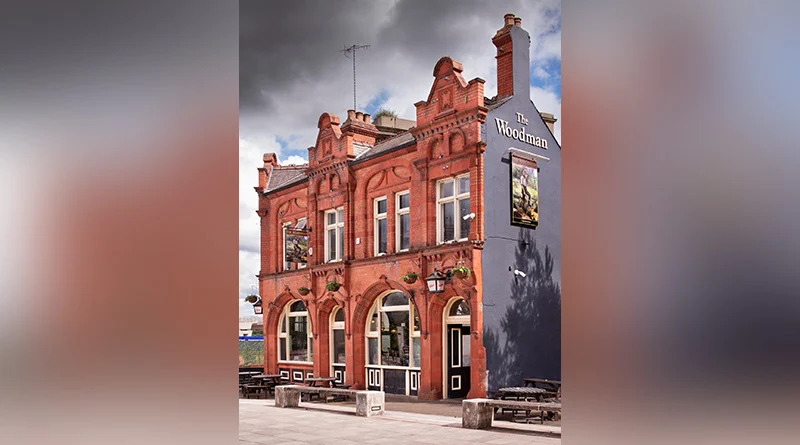
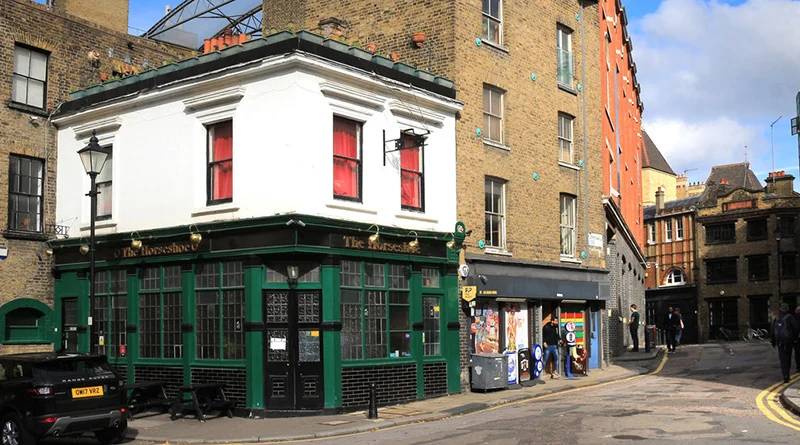
The British pub is more than a mere commercial outlet for alcohol; it is a cultural institution, a "third space" that bridges the gap between home and work. Recognizing the vital intersection of architectural heritage and social utility, the Campaign for Real Ale (CAMRA) has officially announced the opening of nominations for its prestigious 2026 Pub Design Awards. Held in partnership with Historic England, these awards represent the pinnacle of recognition for aesthetic and structural achievement in the hospitality sector, honoring everything from the meticulous restoration of Victorian gin palaces to the innovative conversion of redundant industrial spaces.
Main Facts: A Celebration of Aesthetic and Functional Excellence
The 2026 Pub Design Awards seek to identify and reward the highest standards of design in the UK’s pub industry. At a time when the hospitality sector faces unprecedented economic headwinds, these awards shine a spotlight on the resilience and creativity of publicans, architects, and local communities who invest in the physical fabric of their neighborhoods.
The Five Pillars of Pub Design
The competition is structured into five distinct categories, each designed to capture a different facet of the pub’s evolving role in British society:
- Conversion to Pub Use: This category highlights the imaginative "adaptive reuse" of buildings originally intended for other purposes. Previous winners have included former banks, police stations, and even cinemas.
- Historic England Conservation: Focused on the "gold standard" of restoration, this award is given to projects that have successfully preserved or restored the historic features of a pub, maintaining its architectural integrity for future generations.
- New Build: While heritage is vital, the awards also look forward. This category rewards entirely new constructions that contribute positively to their environment and demonstrate excellence in modern pub architecture.
- Refurbishment: This recognizes the sensitive updating of existing pubs. Whether it is a subtle "refresh" or a total interior overhaul, the judges look for designs that enhance the pub’s character while improving functionality.
- Community Local: Perhaps the most heartening category, this honors pubs that have been saved or renovated specifically to serve as a hub for their local community, often through grassroots fundraising and volunteer effort.
2026 Nomination Logistics
The nomination window officially opens on Thursday, October 8, 2026, and will remain open until November 18, 2026. The awards are uniquely democratic; nominations are welcomed from anyone with an interest in the venue, including owners, tenants, architects, CAMRA members, and regular patrons. This inclusivity ensures that "hidden gems" tucked away in rural villages or quiet suburban streets receive the same consideration as high-profile city-center establishments.
Chronology: Four Decades of Architectural Advocacy
The CAMRA Pub Design Awards do not exist in a vacuum; they are the result of over forty years of advocacy for the "British Local." To understand the significance of the 2026 awards, one must look at the timeline of pub preservation in the UK.
The 1970s and 80s: A Response to Homogenization
In the 1970s, the British pub faced a crisis of identity. Large "Big Six" breweries were increasingly "theming" pubs, stripping out original Victorian and Edwardian features in favor of plastic-heavy, standardized interiors. CAMRA, founded in 1971 primarily to save traditional cask ale, quickly realized that the environment in which beer was consumed was just as important as the liquid itself.
In 1983, the first Pub Design Awards were launched. The goal was to provide a counter-narrative to the trend of modernization-by-destruction. By celebrating pubs that retained their snugs, etched glass, and mahogany bars, CAMRA began to influence public taste and, eventually, planning policy.
The 1990s and 2000s: The Rise of Conservation
As the awards gained prestige, partnerships with heritage bodies became crucial. The collaboration with Historic England (formerly part of English Heritage) solidified the awards’ status as a serious architectural competition. During this period, the awards began to recognize the value of "inter-war" pubs—those built in the 1920s and 30s in the "Improved Public House" style, which had previously been overlooked by conservationists.
The 2020s: Resilience and Innovation
In the wake of the global pandemic and subsequent energy crises, the focus of the awards has shifted slightly toward sustainability and community survival. The 2026 cycle follows a series of remarkable success stories. For instance, The Woodman in Birmingham, a 2026 winner in the Historic England Conservation category, stands as a testament to the power of high-quality restoration. Similarly, St Peter’s Tavern in Liverpool, which famously converted a stunning 1788 church into a thriving social space, demonstrated that even the most daunting architectural challenges can result in breathtaking community assets.
Supporting Data: The Economic and Social Impact of Pub Design
The importance of these awards is underscored by the current state of the UK hospitality industry. While the aesthetic value of a pub is subjective, the economic data surrounding well-designed pubs is compelling.
The "Design Premium"
Data from the hospitality sector suggests that pubs with unique architectural features or high-quality refurbishments often see a significant "design premium." According to industry analysts, pubs that emphasize heritage and "sense of place" tend to have higher dwell times and greater customer loyalty compared to standardized "chain" outlets. The CAMRA awards act as a powerful marketing tool; winning pubs often report a surge in "architectural tourism," with visitors traveling from across the country to experience the award-winning space.
The Decline of the "Local"
The awards arrive at a critical juncture. According to ONS data and CAMRA’s own research, the UK continues to lose pubs at an alarming rate—often due to redevelopment pressures. However, pubs that are designated as "Assets of Community Value" (ACV) or those that have won design accolades are statistically more likely to survive planning applications for conversion into residential flats. By highlighting the architectural significance of these buildings, the Pub Design Awards provide a layer of "soft protection" that makes it harder for developers to justify their demolition.
Adaptive Reuse Trends
The 2026 winners’ list reflects a growing trend in the UK: the conversion of high street retail units into micropubs or community hubs. With the decline of traditional retail, the "Conversion to Pub Use" category has seen a 25% increase in nominations over the last decade. This shift not only saves historic high street buildings from dereliction but also restores footfall to struggling town centers.
Official Responses: Voices from the Vanguard of Preservation
The launch of the 2026 awards has been met with enthusiasm from both heritage experts and the hospitality community.
Andrew Davison, Chair of CAMRA’s Pub Design Awards and a representative of Historic England, emphasized the emotional and social weight of the competition. "I am delighted to announce the launch of our annual Pub Design Awards," Davison stated. "They are a wonderful opportunity for owners, publicans, and communities to show just how much creative flair, craftsmanship, and imagination goes into protecting, refurbishing, and repairing their much-loved locals."
Davison highlighted the difficulty of the judging process, noting that the sheer variety of entries—from Art Deco masterpieces to innovative new builds—makes the panel’s job "very difficult indeed." He added, "To see these fabulous design projects come to fruition is both humbling and inspiring. It creates a sense of community for generations to come, which is especially important at a time when pubs are struggling against a difficult economic backdrop."
Architects involved in previous winning projects have also noted that the awards provide a rare platform for "small-scale" architecture. While major skyscrapers and museums dominate traditional architectural awards, the CAMRA awards celebrate the craftsmanship of the local carpenter, the restorer of gold-leaf signage, and the mason who understands the specific needs of 18th-century stonework.
Implications: The Future of the British Pub
The 2026 Pub Design Awards carry implications that reach far beyond the aesthetics of a mahogany bar or a stained-glass window. They represent a strategic defense of the British "Local" in an era of digital isolation and economic uncertainty.
Sustainable Heritage
One of the emerging implications of the awards is the focus on sustainability. The "Refurbishment" and "Conservation" categories increasingly reward projects that integrate modern energy efficiency (such as discreet heat pumps or improved insulation) without compromising the historic character of the building. This "sustainable heritage" model is likely to become the blueprint for pub survival in the mid-21st century.
The Pub as a Civic Anchor
By rewarding "Community Locals," CAMRA is reinforcing the idea that a pub is a piece of social infrastructure, much like a library or a post office. When a community saves a pub and renovates it with care, they are investing in their own social cohesion. The awards validate this effort, giving local groups the national recognition they need to continue their work.
Urban Regeneration
The success of conversion projects like St Peter’s Tavern in Liverpool suggests that pubs can play a lead role in urban regeneration. By moving into "non-traditional" spaces—churches, shops, warehouses—pubs are proving that they can adapt to the changing face of the British high street. The 2026 awards will likely showcase even more radical examples of this flexibility.
Conclusion: A Call to Action
As nominations open this October, the message from CAMRA and Historic England is clear: the beauty of the British pub is worth fighting for. Whether it is a majestic Art Deco palace or a humble street-corner local, the design of these spaces dictates how we interact with one another.
The 2026 Pub Design Awards serve as a reminder that even in a digital age, the physical environment matters. For the publicans who have spent their life savings on a renovation, or the architects who have painstakingly matched 100-year-old tiles, these awards are more than just a trophy—they are an acknowledgement that their contribution to the British landscape is permanent, profound, and deeply valued.
Pub owners, architects, and punters alike are encouraged to submit their nominations via the CAMRA website before the November 18 deadline, ensuring that the best of British design continues to be toasted for years to come.

 Evan Lee Salim