

 Dwi Wanna
 Nana Wu
 Muslim
 Reynand Wu
 Ammar Sabilarrohman
A Shifting Perspective in Alzheimer’s Care: Embracing the Kitchen Safely
For many navigating the complexities of Alzheimer’s disease, the kitchen often becomes a forbidden zone. Advice columns and caregiver resources frequently echo a stern recommendation: unplug the stove, remove sharp objects, and generally restrict access. This counsel stems from a deeply valid and understandable concern for safety. As cognitive functions decline, individuals with Alzheimer’s may initiate tasks like cooking only to lose track midway, leading to forgotten burners, unattended pots, and potentially disastrous consequences. The instinct to protect loved ones from harm is paramount, and these preventative measures are often implemented with the best of intentions.
However, a growing body of research and expert consensus suggests a more nuanced approach. While safety remains non-negotiable, a blanket ban on culinary activities risks stripping individuals of a profound source of engagement, identity, and joy. Cooking, far from being solely a hazard, can be a remarkably beneficial activity for those living with Alzheimer’s disease, especially when undertaken with thoughtful supervision and adapted environments. It offers a unique blend of cognitive stimulation, emotional fulfillment, and opportunities for meaningful connection, enriching the lives of both the person with Alzheimer’s and their caregivers.

This comprehensive guide aims to bridge the perceived chasm between safety and engagement, offering practical insights into how cooking can be transformed from a potential risk into a therapeutic tool. We will explore the multifaceted cognitive, emotional, and health-related benefits of cooking, detail strategies for creating a secure and supportive kitchen environment, provide guidance for caregivers to maximize enjoyment and participation, and address common eating challenges that may arise as the disease progresses. Our objective is to empower caregivers to reintroduce or sustain this cherished activity, fostering moments of shared purpose and delicious memories.
The Holistic Benefits of Culinary Engagement
Engaging in familiar activities like cooking can provide a profound sense of continuity and normalcy for individuals facing the disorienting effects of Alzheimer’s. Beyond the simple act of preparing food, the culinary process taps into a rich tapestry of human experience, offering therapeutic advantages that span cognitive, emotional, and even physical domains.
Cognitive and Health Benefits: Stirring the Mind
The kitchen is a vibrant gymnasium for the brain, engaging multiple cognitive functions simultaneously. For individuals with Alzheimer’s, supervised cooking can serve as a powerful form of cognitive exercise, potentially helping to maintain existing abilities and slow the progression of certain deficits.
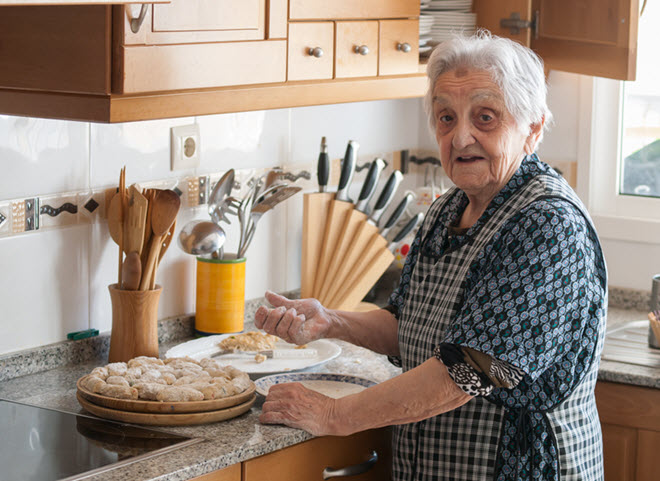
- Memory Stimulation and Recall: Cooking is inherently memory-driven. Following a recipe, even a simplified one, engages procedural memory – the memory of how to do things. Recalling ingredients or steps taps into semantic memory. Most powerfully, the smells, tastes, and textures of familiar dishes can trigger episodic memories – recollections of past family meals, holiday celebrations, or cherished moments shared around food. This sensory bombardment can unlock forgotten memories, sparking conversation and connection. Research in cognitive rehabilitation frequently highlights the importance of multi-sensory engagement in memory recall, and cooking provides this in abundance.
- Enhancing Executive Functions: Executive functions encompass a suite of critical cognitive skills, including planning, sequencing, problem-solving, and decision-making. Preparing a meal, even a simple one, requires a sequential thought process: identifying ingredients, measuring, mixing, heating, and serving. Breaking down a recipe into manageable steps allows individuals to practice these functions in a supportive environment. For instance, deciding which ingredient to add next or how to adjust a taste can provide gentle mental stimulation.
- Sensory Engagement: The kitchen is a feast for the senses. The aroma of spices, the warmth of the oven, the feel of dough, the vibrant colours of fresh produce, and the taste of a finished dish all provide rich sensory input. This multi-sensory stimulation is vital for brain health and can be particularly grounding and engaging for individuals with Alzheimer’s, helping to anchor them in the present moment and reduce feelings of agitation or confusion.
- Fine and Gross Motor Skill Maintenance: The physical acts involved in cooking – stirring, kneading, chopping (with adaptations), pouring, and even walking around the kitchen – provide opportunities to exercise both fine and gross motor skills. This can help maintain dexterity, coordination, and balance, which are crucial for overall independence and preventing falls. Occupational therapists often incorporate culinary tasks into therapy plans precisely for these benefits.
- Nutritional Impact: Direct involvement in food preparation can foster a greater interest in eating. When individuals help create a meal, they are often more inclined to consume it. This can be particularly beneficial in addressing common nutritional challenges faced by people with Alzheimer’s, such as appetite loss or disinterest in food, ensuring they receive vital nutrients.
- Physical Activity: While not a strenuous workout, the act of cooking involves standing, reaching, and moving, contributing to light physical activity. Regular, gentle movement is known to support overall health and can contribute to better sleep patterns and mood regulation.
Emotional Benefits: Nurturing the Spirit
Beyond cognitive and physical advantages, cooking offers a deep wellspring of emotional nourishment, fostering a sense of self-worth, connection, and joy.
- Sense of Purpose and Accomplishment: One of the most debilitating aspects of Alzheimer’s is the erosion of independence and purpose. Being able to contribute to a meal, to create something tangible and delicious, provides a profound sense of accomplishment. This feeling of being useful and productive is vital for maintaining dignity and combating feelings of helplessness. The pride in a successfully baked cookie or a well-stirred soup can significantly boost mood and self-esteem.
- Maintaining Identity and Self-Worth: For many, cooking is intrinsically linked to their identity – a family matriarch known for her Sunday roasts, a father celebrated for his barbecue skills. Continuing to engage in these familiar roles, even in an adapted capacity, helps individuals retain a connection to who they once were and who they still are. It reinforces their value within the family unit and allows them to share their unique contributions. Alzheimer’s associations frequently emphasize the importance of preserving identity and fostering self-worth as cornerstones of quality care.
- Social Connection and Interaction: Cooking is often a communal activity. Sharing the kitchen space with a caregiver, family member, or friend fosters positive personal interactions. It provides a natural setting for conversation, laughter, and shared experiences, combating the isolation that can often accompany dementia. The act of creating and sharing a meal strengthens bonds and creates new, cherished memories.
- Reducing Agitation and Anxiety: The familiarity of kitchen routines and the comforting aromas of cooking can be incredibly soothing. For individuals prone to agitation or anxiety, the structured, repetitive nature of tasks like stirring, kneading, or peeling can provide a calming focus. It offers a distraction from internal distress and grounds them in a familiar, predictable environment.
- Rekindling Memories and Nostalgia: As mentioned earlier, food is a powerful trigger for nostalgic memories. The smell of apple pie can transport someone back to childhood, the taste of a specific spice can evoke a memory of a distant journey. These moments of reminiscence are not just pleasant; they are crucial for connecting with one’s personal history and reinforcing a sense of self. Caregivers can use these moments to engage in storytelling, further enriching the experience.
Creating a Safe and Enjoyable Culinary Haven
While the benefits are undeniable, safety remains paramount. The key lies not in outright prohibition, but in thoughtful adaptation and diligent supervision. Transforming the kitchen into a safe and supportive environment is crucial for maximizing the enjoyment and therapeutic value of cooking for someone with Alzheimer’s.
Comprehensive Risk Assessment and Mitigation
Before embarking on culinary adventures, a thorough assessment of potential risks is essential. This involves identifying specific hazards and implementing strategies to neutralize them.
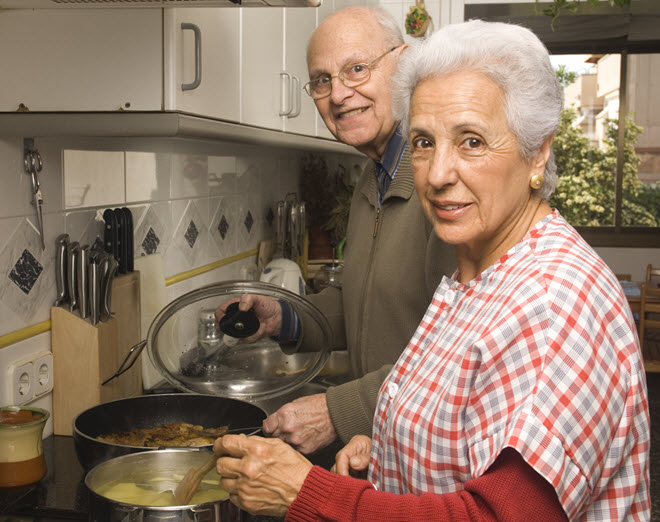
- Heat Sources: Stoves, ovens, and microwaves pose significant burn risks.
- Stove/Oven Locks: Install safety locks or covers on stove knobs to prevent accidental activation. Consider induction cooktops, which only heat when compatible cookware is placed on them and cool down quickly.
- Supervision: Never leave an individual with Alzheimer’s unattended with active heat sources.
- Timers: Use loud, clear timers to ensure dishes are not forgotten. For greater control, smart home devices can be linked to appliance shut-offs.
- Microwave Safety: Ensure the individual understands microwave operation and supervise closely to prevent overheating or placing inappropriate items inside.
- Sharp Objects: Knives, graters, and blenders can cause serious injury.
- Restricted Access: Store all sharp utensils in locked drawers or out of reach when not in use.
- Adapted Tools: Use plastic safety knives for softer foods or crinkle cutters. Pre-chop ingredients before the individual enters the kitchen.
- Food Processors: Supervise the use of food processors for chopping or grating, as they can be safer alternatives to knives.
- Electrical Appliances: Toasters, blenders, mixers, and kettles carry risks of electric shock or burns.
- Cord Management: Ensure all appliance cords are in good condition and not frayed. Avoid cords dangling where they could be pulled or tripped over.
- Water Safety: Keep electrical appliances away from water sources.
- Supervised Use: Only use these appliances under direct supervision, and unplug them immediately after use.
- Slippery Surfaces and Falls: Spills, loose rugs, and uneven flooring are fall hazards.
- Non-Slip Mats: Place non-slip mats in areas prone to spills, such as in front of the sink.
- Prompt Cleanup: Immediately wipe up any spills to prevent slips.
- Clear Pathways: Ensure kitchen pathways are free from clutter, rugs, or obstacles.
- Adequate Lighting: Good lighting reduces shadows and improves visibility, reducing the risk of missteps.
- Chemicals and Poisons: Cleaning supplies, detergents, and certain food additives.
- Secure Storage: Keep all cleaning products, medications, and potentially harmful substances in locked cabinets or areas inaccessible to the individual.
- Clear Labeling: Ensure all food items are clearly labeled to avoid confusion.
The Caregiver’s Essential Role: Facilitator and Protector
The caregiver is the linchpin in making culinary activities safe, enjoyable, and beneficial. Their role extends beyond simple supervision to active facilitation, adaptation, and emotional support.
- Active and Constant Supervision: This is non-negotiable. "Supervision" means being actively present and engaged, not just in the same room. It involves anticipating potential issues, guiding actions, and intervening when necessary.
- Simplifying Tasks and Breaking Down Recipes: Complex recipes can be overwhelming. Choose simple, familiar dishes with few ingredients and clear, sequential steps. Break down each step into even smaller, manageable actions. For example, instead of "make the salad," guide them through "wash the lettuce," then "tear the lettuce," then "add the dressing."
- Pre-preparation: To reduce complexity and risk, caregivers can pre-measure ingredients, pre-chop harder vegetables, or set out all necessary tools beforehand. This allows the individual to focus on the more engaging parts of the process.
- Choosing Appropriate Recipes: Opt for recipes that are meaningful to the individual, perhaps family favorites or dishes they enjoyed preparing in the past. Focus on activities that involve repetitive, soothing motions like stirring, mixing, or kneading, rather than intricate cutting or precise timing. Baking can be particularly satisfying.
- Adapting Utensils and Equipment:
- Ergonomic Tools: Use utensils with large, easy-to-grip handles.
- Adaptive Cutting Boards: Non-slip cutting boards or those with food guards can make chopping safer.
- No-Spill Bowls: Bowls with suction cups on the bottom can prevent spills.
- Visual Aids: Use contrasting colours for plates and utensils to make them easier to see.
- Patience and Encouragement: The goal is participation and enjoyment, not perfection. Focus on the process, not the outcome. Offer gentle prompts and positive reinforcement. Celebrate small successes and acknowledge their contributions. Avoid correcting mistakes harshly; instead, subtly guide them or make adjustments yourself.
- Flexibility and Observation: Some days will be better than others. Be flexible and willing to adapt plans or even postpone cooking if the individual seems agitated, tired, or confused. Observe their cues and adjust the activity level accordingly.
- Creating a Calm Environment: Minimize distractions in the kitchen. Turn off the television or radio, reduce background noise, and ensure good lighting. A calm atmosphere reduces confusion and stress.
Navigating Eating Challenges with Alzheimer’s: Tips and Tricks
Alzheimer’s disease frequently presents a spectrum of challenges related to eating and nutrition, which can impact an individual’s health and well-being. Understanding these common difficulties and employing adaptive strategies is crucial for ensuring adequate intake and making mealtimes as pleasant as possible.
Understanding and Addressing Eating-Related Difficulties
- Changes in Taste and Smell: As Alzheimer’s progresses, the senses of taste and smell can diminish or alter, making once-loved foods seem unappetizing. Sweet, salty, sour, and bitter perceptions can change, leading to a preference for stronger flavors or an aversion to certain foods.
- Strategies: Experiment with bold, natural flavors using herbs, spices, and citrus. Offer a variety of foods with different textures and temperatures. Ensure food is visually appealing. Avoid overly processed or bland foods.
- Difficulty with Utensils and Motor Skills: Fine motor control can decline, making it challenging to hold and manipulate cutlery, leading to frustration and spills.
- Strategies: Offer adaptive cutlery with larger, easier-to-grip handles. Introduce finger foods that are nutritious and easy to pick up (e.g., fruit slices, cheese cubes, steamed vegetable sticks, small sandwiches). Pre-cut food into bite-sized pieces. Consider non-slip placemats or weighted plates to prevent movement.
- Chewing and Swallowing Problems (Dysphagia): As the disease advances, muscle control can weaken, leading to difficulty chewing and swallowing, increasing the risk of choking or aspiration.
- Strategies: Offer soft, moist foods that are easy to chew and swallow (e.g., pureed soups, mashed potatoes, yogurt, cooked fish, soft fruits). Avoid dry, crumbly, or sticky foods. Ensure the individual is sitting upright during meals and remains upright for at least 30 minutes afterward. Consult with a speech-language pathologist for personalized recommendations and swallowing exercises.
- Distraction and Forgetfulness During Meals: Individuals may forget they are eating, get easily distracted, or lose focus during mealtime, leading to insufficient intake.
- Strategies: Create a calm, quiet meal environment free from distractions (TV, loud music, excessive chatter). Establish a consistent meal routine. Offer verbal cues and gentle reminders to eat. Sit with them and eat together to model the behavior. Serve smaller, more frequent meals if larger portions are overwhelming.
- Appetite Loss and Weight Loss: A combination of sensory changes, medication side effects, depression, and reduced physical activity can lead to decreased appetite and unintentional weight loss.
- Strategies: Focus on nutrient-dense foods to maximize calorie and nutrient intake. Offer smaller, more frequent meals and snacks throughout the day. Incorporate healthy fats (avocado, nuts, olive oil) and protein sources. Monitor weight regularly and consult a doctor or dietitian if significant weight loss occurs.
- Hydration Challenges: Forgetting to drink, misinterpreting thirst cues, or difficulty with cups can lead to dehydration, which can exacerbate confusion and other symptoms.
- Strategies: Offer fluids frequently throughout the day, not just at mealtimes. Keep water or other preferred beverages easily accessible. Offer a variety of fluids, including water, juice, milk, and broths. Use brightly colored cups or cups with handles that are easy to grip. Monitor for signs of dehydration (dry mouth, sunken eyes, reduced urination).
Conclusion: Cooking as a Recipe for Well-being and Connection
The journey of caring for a loved one with Alzheimer’s disease is often fraught with difficult choices, balancing safety with the desire to preserve dignity, independence, and joy. The conventional wisdom to completely isolate individuals from the kitchen, while born of protective instincts, often overlooks the profound therapeutic potential of culinary engagement. By adopting a paradigm of thoughtful adaptation and active supervision, caregivers can transform cooking from a source of anxiety into a powerful tool for enhancing quality of life.

When approached with patience, creativity, and a steadfast commitment to safety, shared culinary activities become much more than just preparing a meal. They become opportunities to rekindle memories, stimulate cognitive functions, maintain motor skills, and foster a vital sense of purpose and accomplishment. They create cherished moments of connection, allowing caregivers to share not just delicious recipes, but also laughter, stories, and the irreplaceable warmth of human interaction.
Embracing cooking in the context of Alzheimer’s care is an affirmation of dignity and an act of love. It acknowledges that even amidst cognitive decline, the human spirit yearns for engagement, creativity, and connection. By implementing the strategies outlined in this guide – from meticulous kitchen safety to empathetic mealtime adaptations – caregivers can confidently invite their loved ones back into the heart of the home, transforming the kitchen into a haven where purpose, pleasure, and precious memories are cooked up together, one thoughtful step at a time.


 Iffa Jayyana
 Ali Ikhwan