

 Ali Ikhwan

 Iffa Jayyana

 Muslim

 Nana

 Dwi Wanna
 Suro Senen
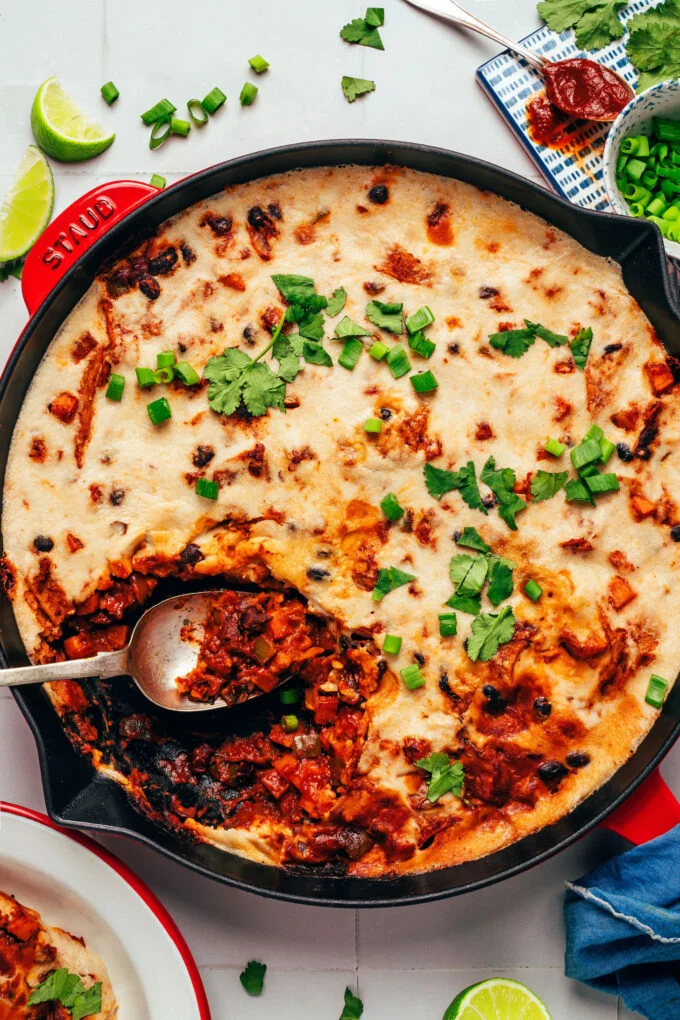
In the landscape of modern home cooking, few dishes occupy as much cultural real estate as the enchilada. A staple of Mexican cuisine, the enchilada is a labor of love—a process that typically involves individual assembly, careful rolling, and precise oven-baking. However, a new culinary movement is challenging the traditional format, proving that the deep, savory profile of this beloved classic can be achieved in a fraction of the time.
Enter the "Cheesy Vegan Enchilada Skillet," a dish currently taking the culinary world by storm. By stripping away the labor-intensive rolling process and opting for a one-pan, stovetop method, home cooks are discovering that the essence of an enchilada—the marriage of corn, spice, beans, and rich sauce—can be reconstructed in just 30 minutes.
Main Facts: Deconstructing a Classic
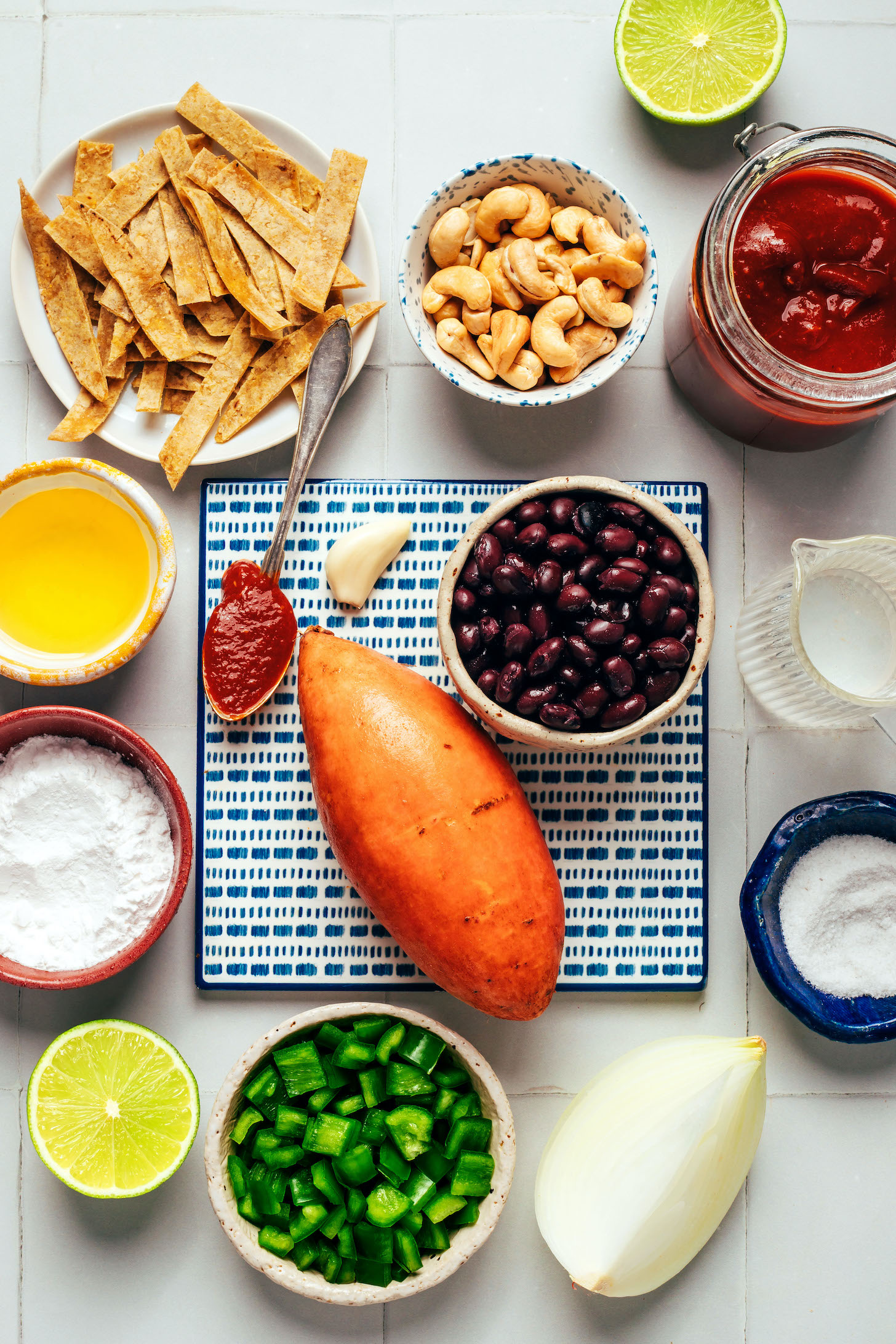
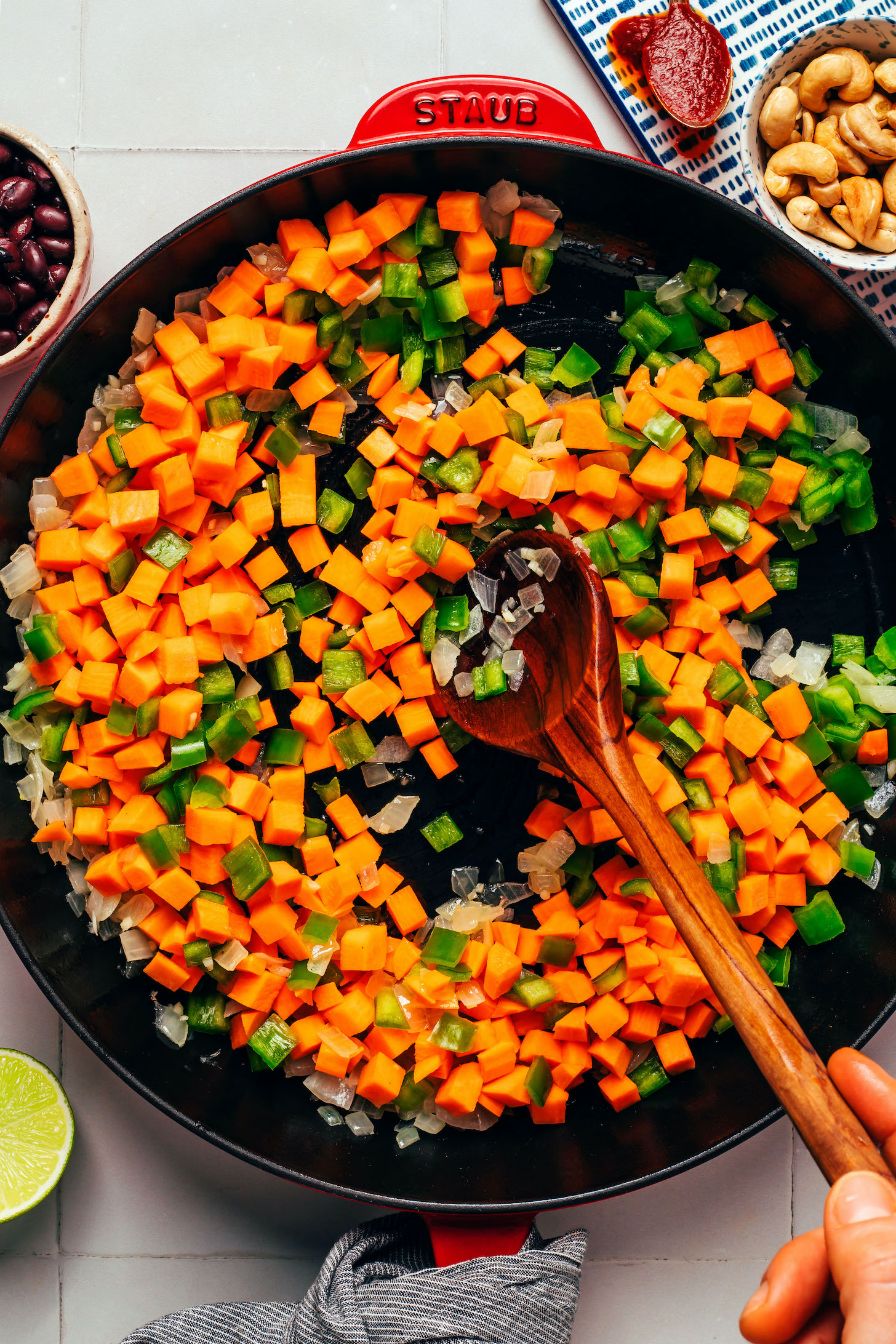
The concept behind the Enchilada Skillet is one of efficiency without compromise. At its core, the dish utilizes a base of aromatics—onions and garlic—complemented by seasonal root vegetables like sweet potato or winter squash. The inclusion of poblano peppers adds a characteristic smoky depth, while black beans provide the necessary protein and fiber content to make the dish a complete, satiating entrée.
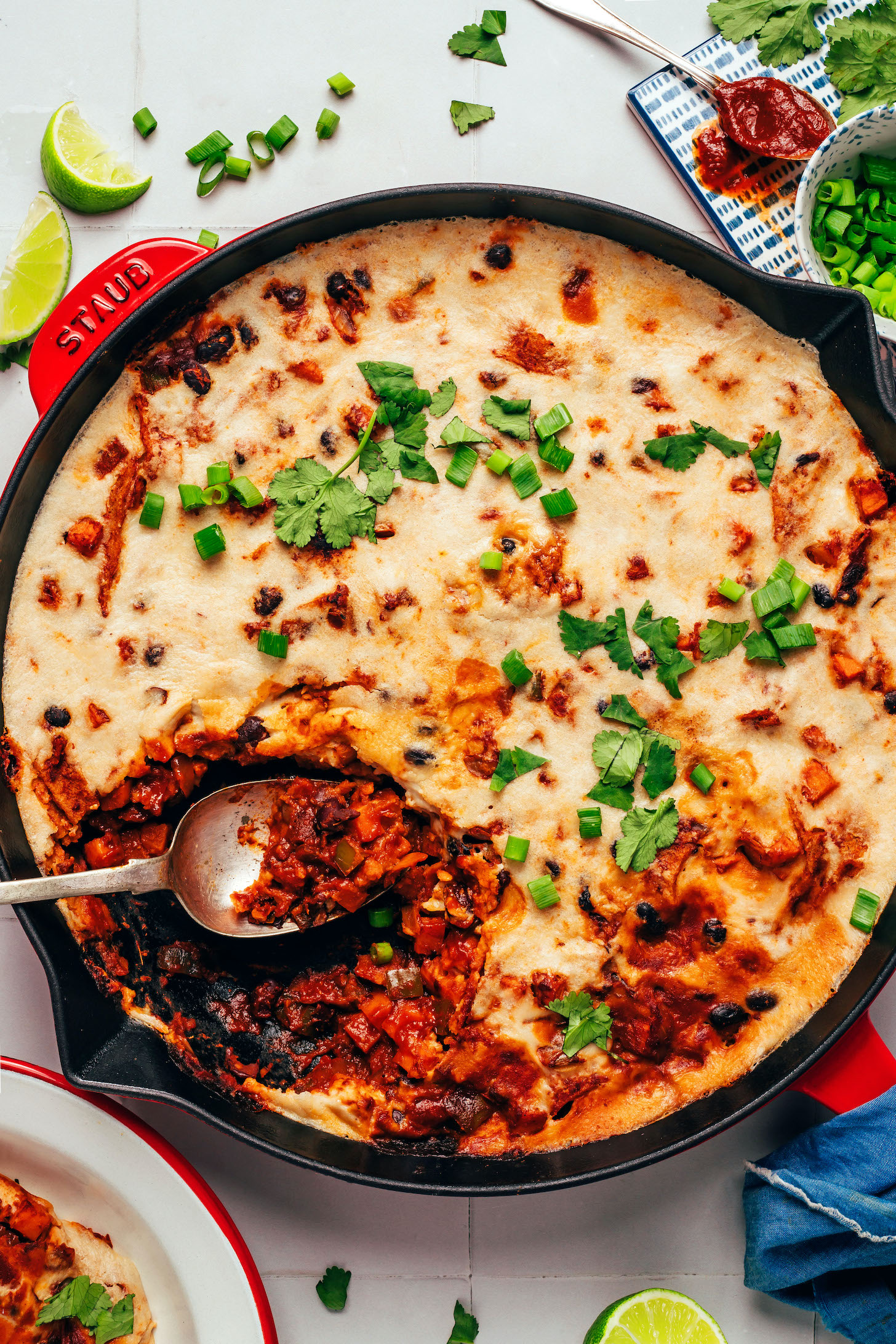
Perhaps the most significant innovation in this recipe is the elimination of the "wrap." Instead of traditional rolling, corn tortillas are sliced into strips and folded directly into the skillet, where they absorb the red enchilada sauce during the simmer. This creates a texture reminiscent of chilaquiles or a rustic casserole, where the sauce, starch, and vegetables coalesce into a cohesive, comforting meal.
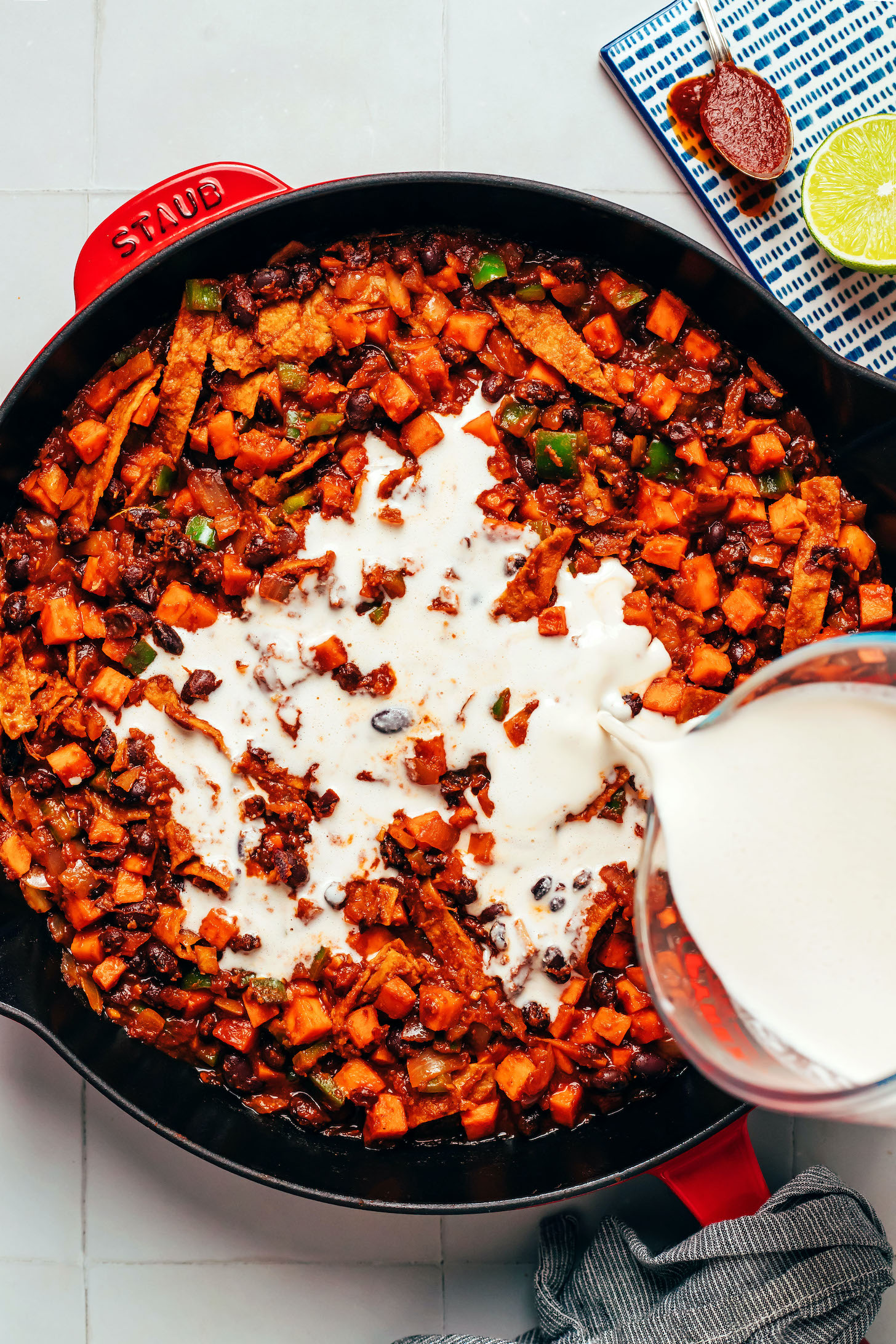
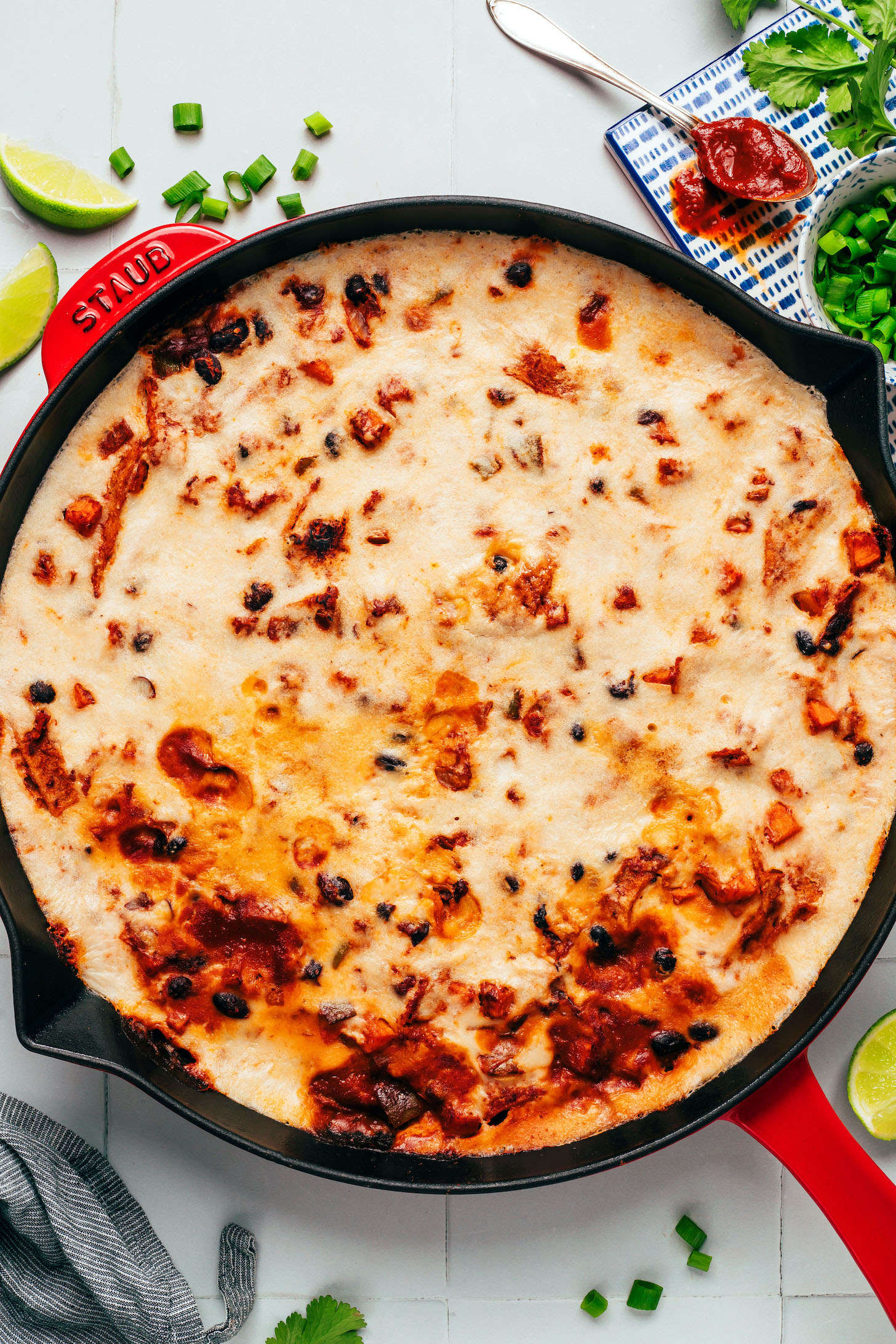
The crowning achievement of this dish is the "cheesy" element. For a plant-based audience, the development of a cashew-based sauce—blended with lime juice, garlic, and tapioca starch—has been a game-changer. When this mixture hits the hot, simmering skillet, the heat interacts with the tapioca starch to create a stretchy, melty consistency that mimics traditional dairy cheese, providing a level of decadence that was once difficult to achieve in vegan cooking.
Chronology: The Evolution of the Enchilada
To understand the significance of this 30-minute adaptation, one must look at the history of the enchilada itself. It is widely believed that the dish traces its lineage to the Mayan civilization, which consumed corn tortillas folded around small fish or other fillings. The name itself, derived from the Spanish verb enchilar (“to season with chili”), emphasizes the primacy of the sauce in the dish’s identity.
The first written record of the enchilada appeared in the 1831 cookbook El Cocinero mexicano. At that time, the dish was a humble, accessible meal, often consisting of whatever ingredients were available—beans, potatoes, or leftover meats. Throughout the 19th and 20th centuries, the recipe became standardized in American kitchens as the rolled-and-baked casserole that defines the modern restaurant experience.
The current "Skillet" trend represents a return to the dish’s roots as a practical, flexible meal. By moving the process from the oven to the stovetop, the skillet method mirrors the 19th-century convenience of the original, while adapting to the fast-paced nature of 21st-century lifestyles.
Supporting Data: Nutritional and Practical Analysis
The shift toward plant-forward, one-pan meals is supported by both health data and consumer behavior trends. According to recent nutritional analysis, this specific skillet recipe provides a robust profile:
- Calories: Approximately 416 kcal per serving.
- Fiber: 14.3g per serving, significantly higher than many traditional meat-heavy counterparts.
- Protein: 13.6g per serving, derived primarily from the black bean and cashew base.
- Micronutrients: High levels of Vitamin A and iron, largely due to the inclusion of sweet potatoes and beans.
From a practical standpoint, the data on home kitchen habits indicates a growing preference for "minimalist" cooking. The "one-pan" attribute is a significant selling point, as it reduces cleanup time by nearly 60% compared to traditional enchilada preparation, which typically requires a baking dish, a sauce pan, and individual prep bowls.
Furthermore, the versatility of the ingredients allows for a lower barrier to entry. When poblano peppers are out of season, bell peppers serve as an adequate substitute. For those looking to increase protein intake, the dish is designed to be easily supplemented with additional plant-based "meats" or shredded chicken, making it a "base" recipe that can grow with the cook’s needs.
Official Responses and Culinary Expert Insight
Industry experts have noted that the rise of the "skillet" style of cooking is a response to the "inflation of complexity" in home cooking. Chefs and recipe developers, such as those at Minimalist Baker, emphasize that the goal is not to replace the traditional enchilada, but to provide a weekday alternative.
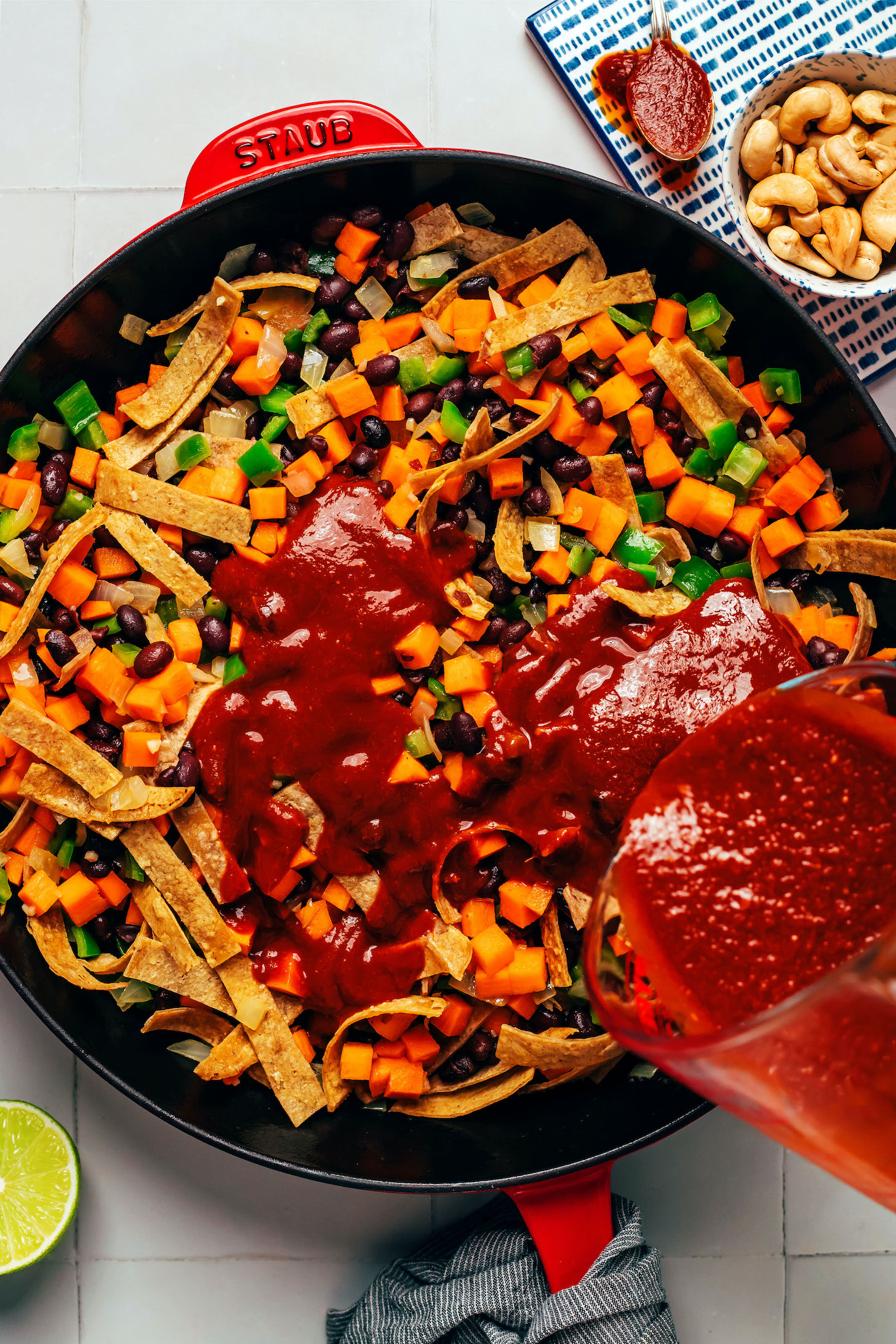
"The objective is to capture the flavor profile of a long-simmered dish in a time-efficient way," says a representative from the recipe development team. "When you use high-quality red enchilada sauce and a well-balanced cashew ‘cheese,’ you aren’t sacrificing quality. You’re simply streamlining the assembly."
The inclusion of the cashew-based sauce has been particularly lauded by dairy-free and vegan communities, but it has also gained traction among home cooks who are simply looking to diversify their fat sources. The use of tapioca starch as a thickening agent is a technique borrowed from commercial vegan cheese production, adapted here for the home stovetop.
Implications: The Future of the Weeknight Meal
The popularity of the Cheesy Vegan Enchilada Skillet speaks to a broader cultural shift: the desire for "slow food" results in "fast food" timeframes. As families seek out more plant-based options, the success of this recipe implies that the future of home cooking will be defined by three pillars:
- Flexibility: The ability to swap ingredients based on seasonal availability or pantry staples.
- Sustainability: A preference for plant-based proteins that are shelf-stable and environmentally friendly.
- Simplicity: A departure from the multi-step, oven-centric cooking that dominated the mid-20th century.
The implications for the broader food industry are also clear. Consumers are moving away from processed "meal kits" and toward recipes that empower them to use fresh produce in creative ways. By blending the history of Mexican culinary traditions with the technical advancements of plant-based ingredients, the Enchilada Skillet stands as a symbol of modern innovation.
Final Thoughts for the Home Cook
Whether you are a seasoned vegan or a curious omnivore, this recipe offers a masterclass in flavor extraction. By focusing on the interplay between the smoky, earthy base of the sweet potato and the tangy, creamy brightness of the lime-infused cashew sauce, the dish creates a sophisticated palate profile that feels far more labor-intensive than it actually is.
If you are planning to add this to your weekly rotation, remember that the key to success is in the preparation. Keep your vegetable cubes uniform in size to ensure even cooking, and do not be afraid to lean into the spice of the red enchilada sauce. As the culinary world continues to embrace these efficient, high-flavor, plant-forward techniques, one thing is certain: the era of the tedious, labor-intensive weeknight dinner is coming to a close.
Tips for Success:
- The Cashew Technique: While soaking cashews is optional for high-powered blenders, if you find your sauce is not reaching a perfectly smooth, velvety consistency, a 30-minute soak in hot water will rectify the issue.
- The Tortilla Factor: Opt for high-quality corn tortillas. Because they are being cooked in a liquid environment, they need to be sturdy enough to hold their shape without turning into a mushy puree.
- Customization: Treat the recipe as a framework. If you have leftover roasted vegetables or extra beans, fold them in. The dish is designed to be as versatile as your pantry allows.
As you step into the kitchen to prepare this, remember that you are participating in a long tradition of culinary adaptation—taking the best of the past and making it work for the realities of today. Happy cooking!


