Azzam Bilal Chamdy
 Neng Nana
 Nana Muazin
 Dwi Wanna
 Raul Delapena Setiawan
 Pevita Pearce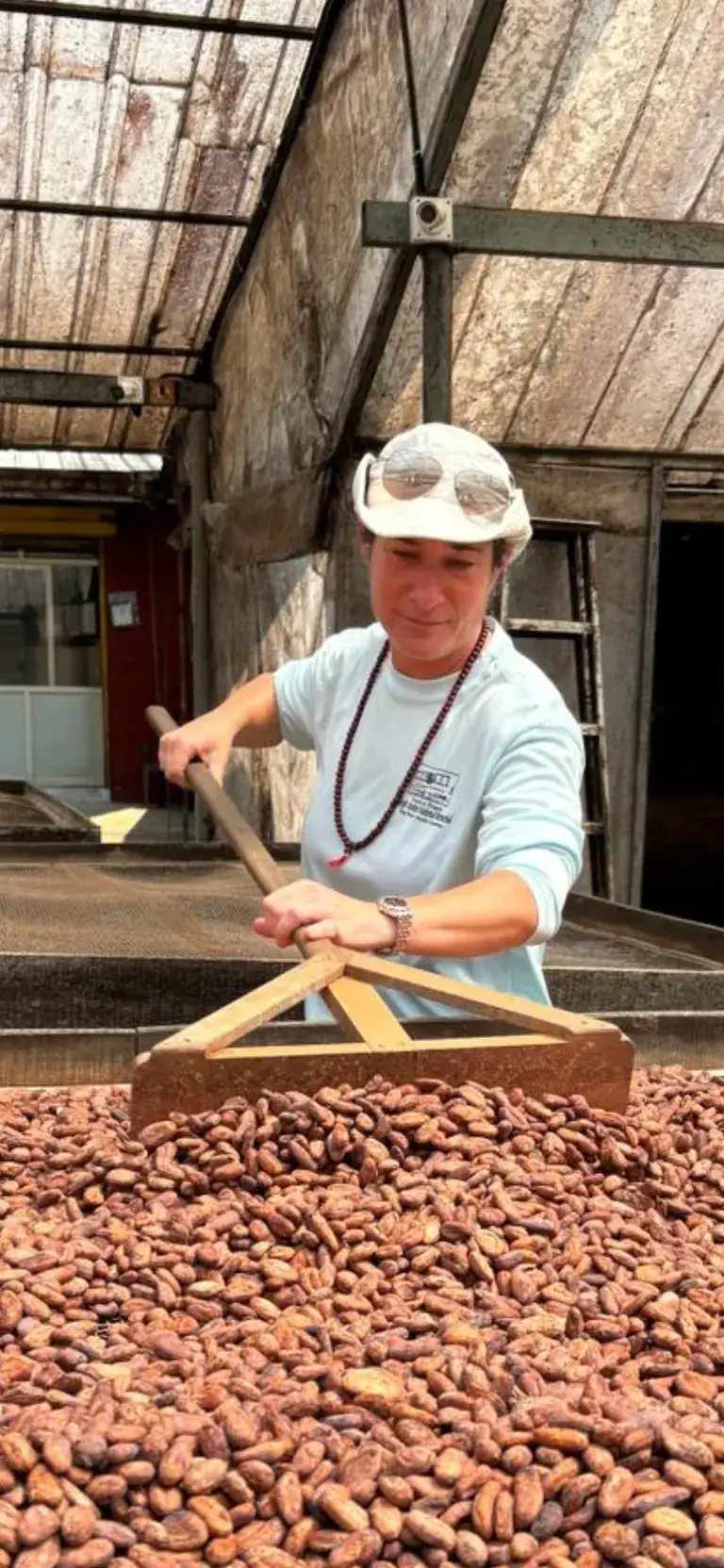
In the quiet of a New Orleans home, the air is meticulously scrubbed of interference. There are no air fresheners, no lingering scents of garlic, and no traces of the spicy, aromatic cuisine for which the city is famous. For Erin Seidemann, this sterile environment is not a limitation—it is a laboratory. Before she sits down to judge a collection of unmarked chocolates, she ensures her palate is a blank canvas, ready to dissect the complex flavor profiles of the world’s finest confections.
Seidemann, a finance professional by day, has become a formidable figure in the world of craft chocolate. Her journey from a reluctant home cook to a certified international judge is a testament to the power of curiosity and the transformative nature of culinary education.
A Journey Born of Necessity and Curiosity
The trajectory of Seidemann’s life did not always point toward the tempering table. Growing up in New Orleans, she was surrounded by a rich culinary culture, but she remained largely detached from the craft. With parents working demanding hours, home-cooked meals were a rarity, and Seidemann famously viewed her oven as little more than an oversized storage unit.
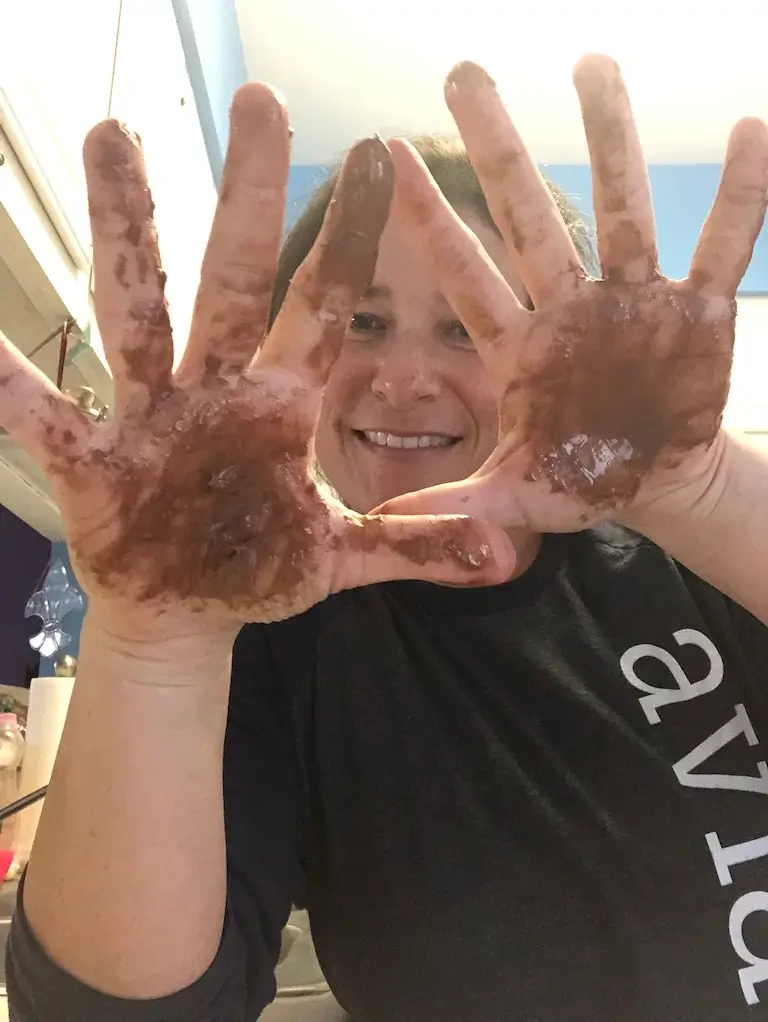
The shift began during a period of personal difficulty in her adulthood. Searching for a way to decompress, she turned to the one thing that seemed to universally signal comfort: baked goods. What started as a casual attempt to replicate simple, five-ingredient recipes from social media soon evolved into a profound therapeutic practice.
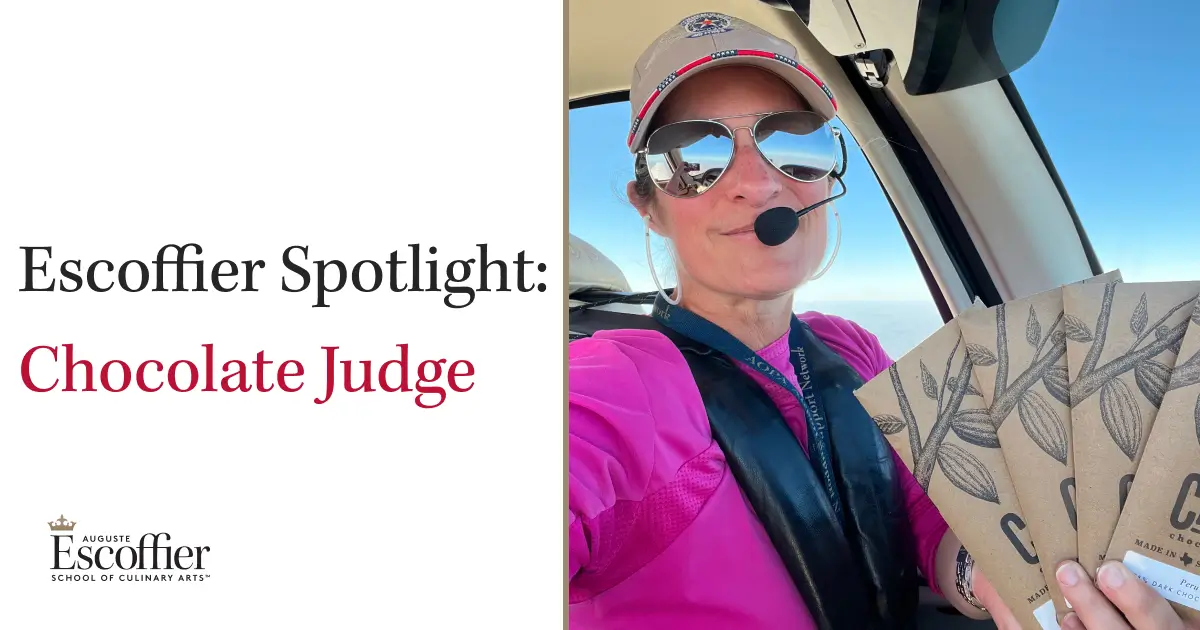
"It was just sort of my ‘me time,’" Seidemann recalls. What she didn’t anticipate was the social utility of her new hobby. As a licensed pilot, she began bringing her creations—brownies, sheet cakes, and cobblers—to weekly gatherings with fellow aviators. The joy of sharing her work with others provided a sense of connection she hadn’t realized she was missing. One particularly successful batch of peppermint truffles prompted a friend to suggest she open a chocolate shop, offering to bankroll the venture. While she declined the offer, the seed of potential had been planted.
The Mystery of the Uncooperative Ganache
If the social success of her baking was the catalyst, the stubborn nature of chocolate was the friction that forced her to level up. When she attempted to thin a batch of melted chocolate with vanilla—a common culinary instinct—the mixture immediately seized into an unusable rock.
"It just defied all logic," she says. "I’m like, okay, I’m not stupid. What is going on here?"
This moment of professional frustration proved to be the turning point. Unlike many who might simply move on to a different hobby, Seidemann’s analytical mind demanded an explanation. She sought out formal education, enrolling in the professional chocolatier program at Ecole Chocolat and a specialized tasting course in London. This was not merely about following a recipe; it was about understanding the molecular science of cacao.
Global Immersions: From London to the Cacao Farms of India
The education that followed was rigorous. In London, Seidemann found herself surrounded by experts—coffee roasters, tea connoisseurs, and legacy cacao farmers. The curriculum went far beyond basic pastry techniques. She was tasked with identifying over 100 aromatic notes, learning to distinguish between subtle nuances like stone fruit, tobacco, and earth.
Perhaps the most visceral part of her training involved learning to identify "defects." She vividly recalls a session on fermentation errors, where the room was filled with the pungent, unmistakable scent of over-fermented beans—a smell she likens to "sweaty socks."
Her thirst for knowledge eventually led her to the International Institute of Chocolate and Cacao Tasting (IICCT) in India. This seven-day intensive course was a masterclass in the entire supply chain. From the back-breaking labor of harvesting yellow cacao pods to the precise science of fermentation and drying, Seidemann gained a holistic view of the industry. She walked away with a certification that required passing six grueling tests, including blindfolded sensory evaluations.
The Professional Integration: Escoffier and Beyond
Recognizing that her evaluation skills were limited by her technical knowledge of pastry, Seidemann enrolled in the online Baking & Pastry program at the Auguste Escoffier School of Culinary Arts. Balancing a high-stakes finance career with the rigorous requirements of a culinary degree—often while caring for her father during his battle with brain cancer—tested her resolve.
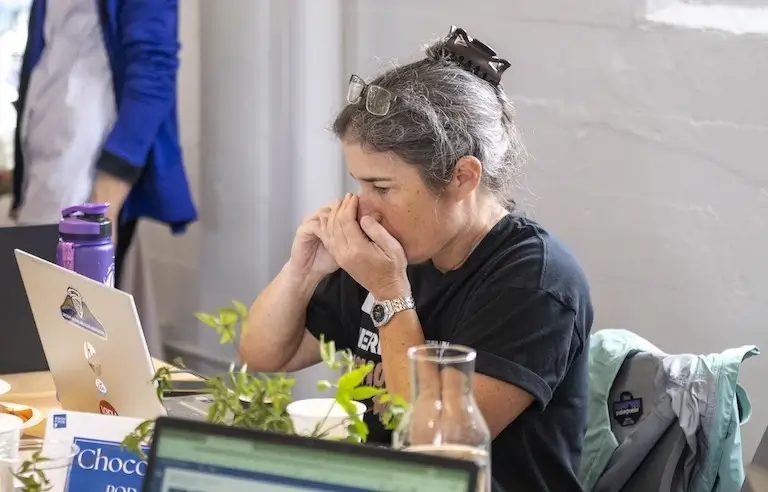
"When you want to do something, you will make it happen, no matter what," she asserts.
The program provided more than just technical skill; it offered a sanctuary. During her father’s illness, the bakes she produced in class became a lifeline. Because of his medical condition, her father required specific, nutrient-dense foods, and the "clean ingredients" taught in her coursework allowed her to provide him with nourishment that was both functional and celebratory.
The Craft of Judging: A Responsibility to the Maker
Today, Seidemann’s judging process is a delicate dance of objectivity and sensory expertise. When she receives a batch of chocolates for an awards competition, she knows that her scores are not just numbers—they are the gatekeepers to a maker’s success.
"This isn’t just a fun competition," she explains. "It’s literally people’s livelihoods."
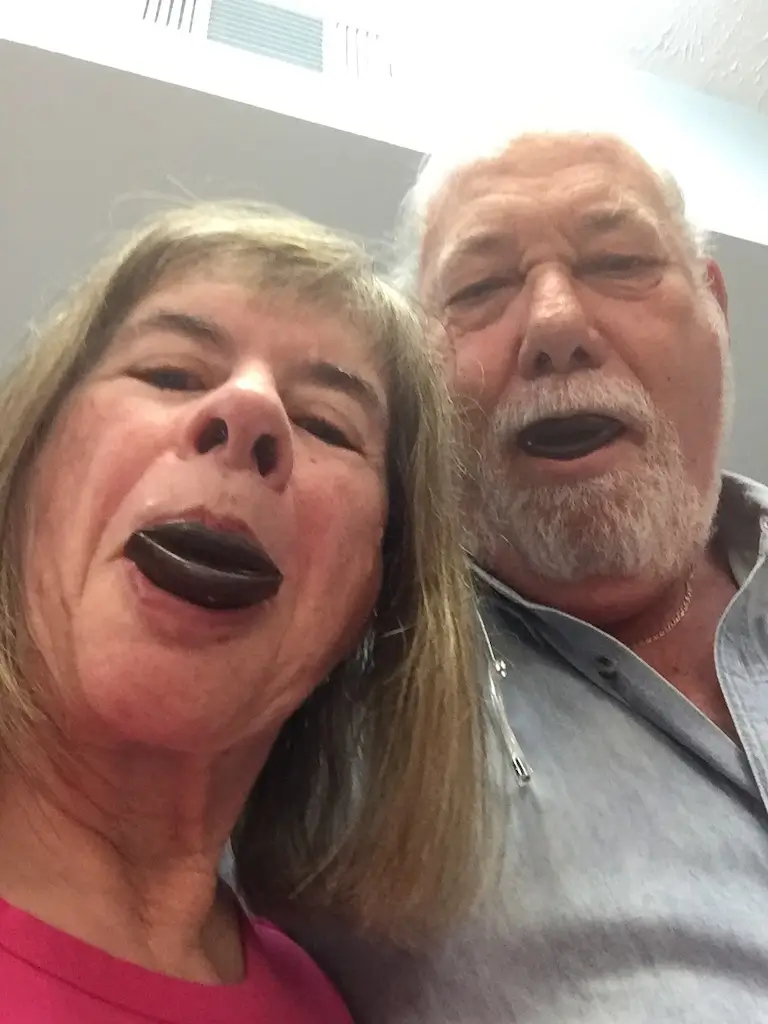
Her judging criteria are exhaustive: aroma, flavor, texture, balance, and execution. Because she judges blind, she often finds herself falling in love with a specific creation without knowing the artisan behind it. She keeps meticulous notes, tracking every component—the snap of a shell, the viscosity of a ganache, the crispness of a sablé. When a winner is announced, she often uses these notes to hunt down the winning bar, turning her home into a curated museum of award-winning craft.
Implications: The Ethics of the Cacao Supply Chain
The most significant shift in Seidemann’s philosophy came when she realized the dark underbelly of the commercial chocolate industry. Exposure to the realities of child labor and exploitative practices in West Africa transformed her from a hobbyist into an advocate.
She uses her platform to educate the public on the importance of transparency. Her advice to consumers is simple but radical: read the label. "If sugar comes first [in the ingredient list], it’s candy, not chocolate," she says. She advocates for supporting makers who provide full traceability, noting that true craft chocolate makers are almost always eager to discuss their supply chains and their farmers’ compensation.
The "Humble" Expert
As Seidemann looks to the future, she considers potential paths—perhaps a level four certification, or even a future retirement venture involving a boutique chocolate shop. Yet, for now, she remains committed to her role as "your humble chocolate judge."
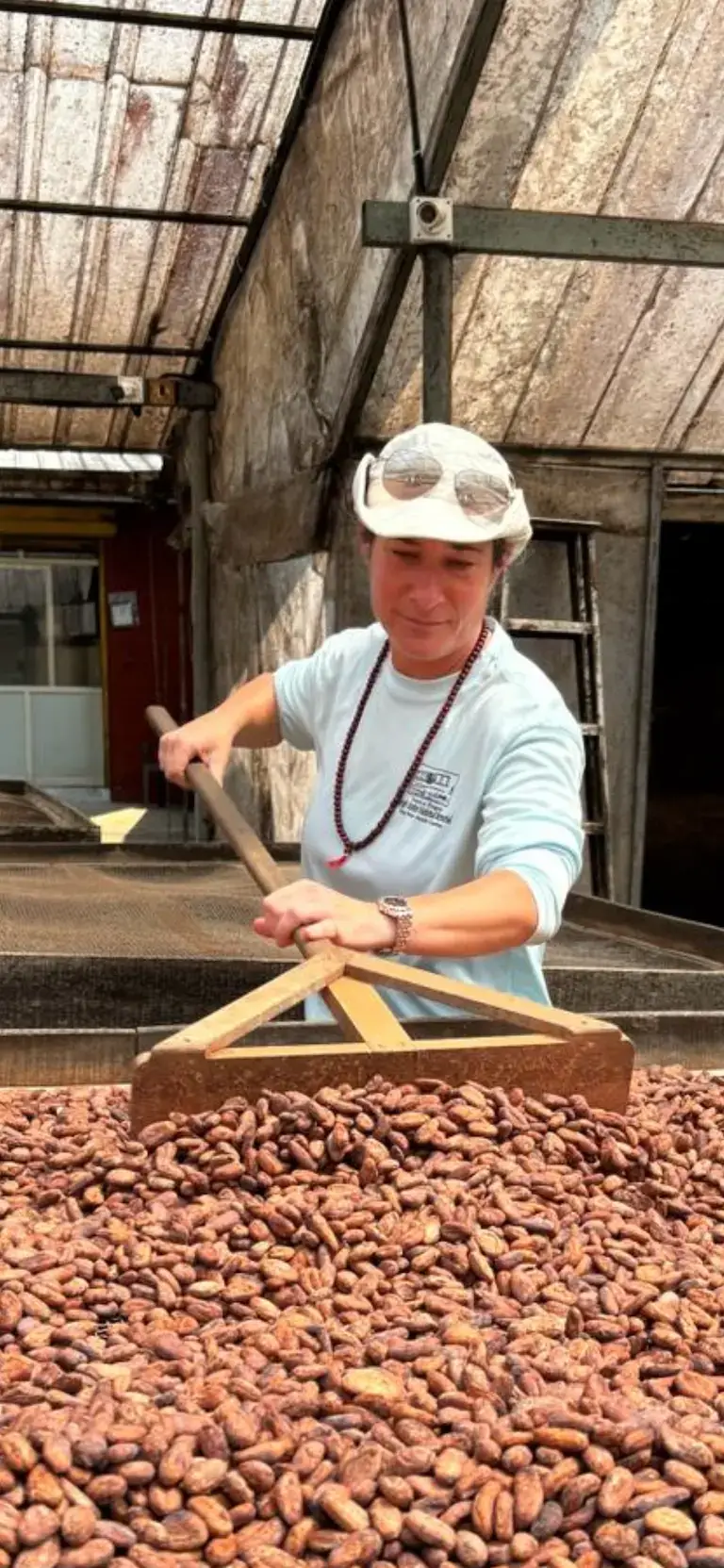
She remains acutely aware that her current life—one filled with international travel, sensory discovery, and the ability to influence a global industry—was not a predetermined path. It was the result of a woman who refused to let a "failed" batch of chocolate go unanswered.
Her journey stands as a powerful reminder that expertise is not a destination but a continuous process of inquiry. The woman who once used her oven for storage has now filled her pantry with the fruits of global labor, and in doing so, she has found a way to bridge the gap between the complex, often opaque world of high-end chocolate and the average consumer’s kitchen table.
In the end, Erin Seidemann’s story is one of transformation—not just of ingredients, but of a perspective that values the hands that harvest, the minds that create, and the palate that respects the difference. Her oven is no longer a storage space; it is the engine of a life well-tasted.


 Evan Lee Salim