

 Azzam Bilal Chamdy
 Neng Nana
 Nana Muazin
 Dwi Wanna
 Raul Delapena Setiawan
 Laily UPN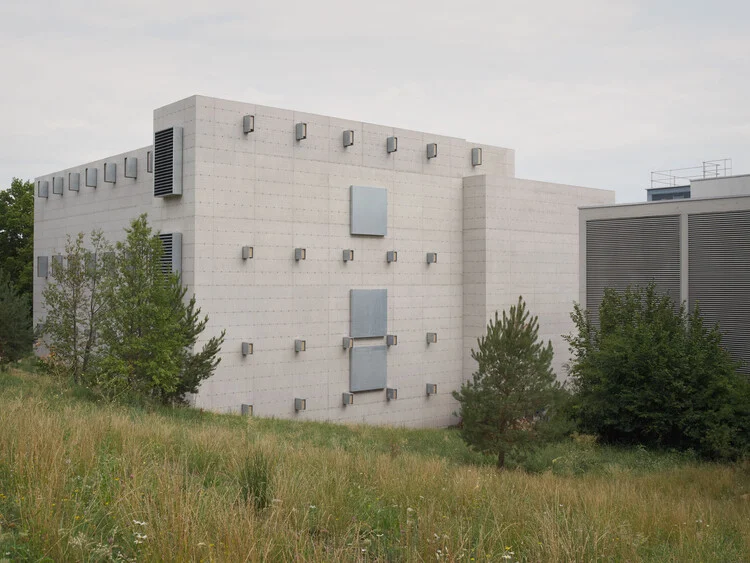
In an era where digital infrastructure is the invisible backbone of academic research and global innovation, the physical manifestation of this technology has often been relegated to windowless, utilitarian bunkers. However, with the completion of the Hönggerberg Data Center (HRZ), the architectural firm Penzel Valier has challenged this convention. Located on the campus of ETH Zurich, one of the world’s leading technical universities, this facility represents a paradigm shift in how we house the digital "brain" of a modern institution.
Main Facts: A New Milestone in Institutional Infrastructure
The Hönggerberg Data Center is not merely a server farm; it is a meticulously engineered environment designed to synthesize the high-performance requirements of modern computing with the architectural rigor expected of a world-class university.
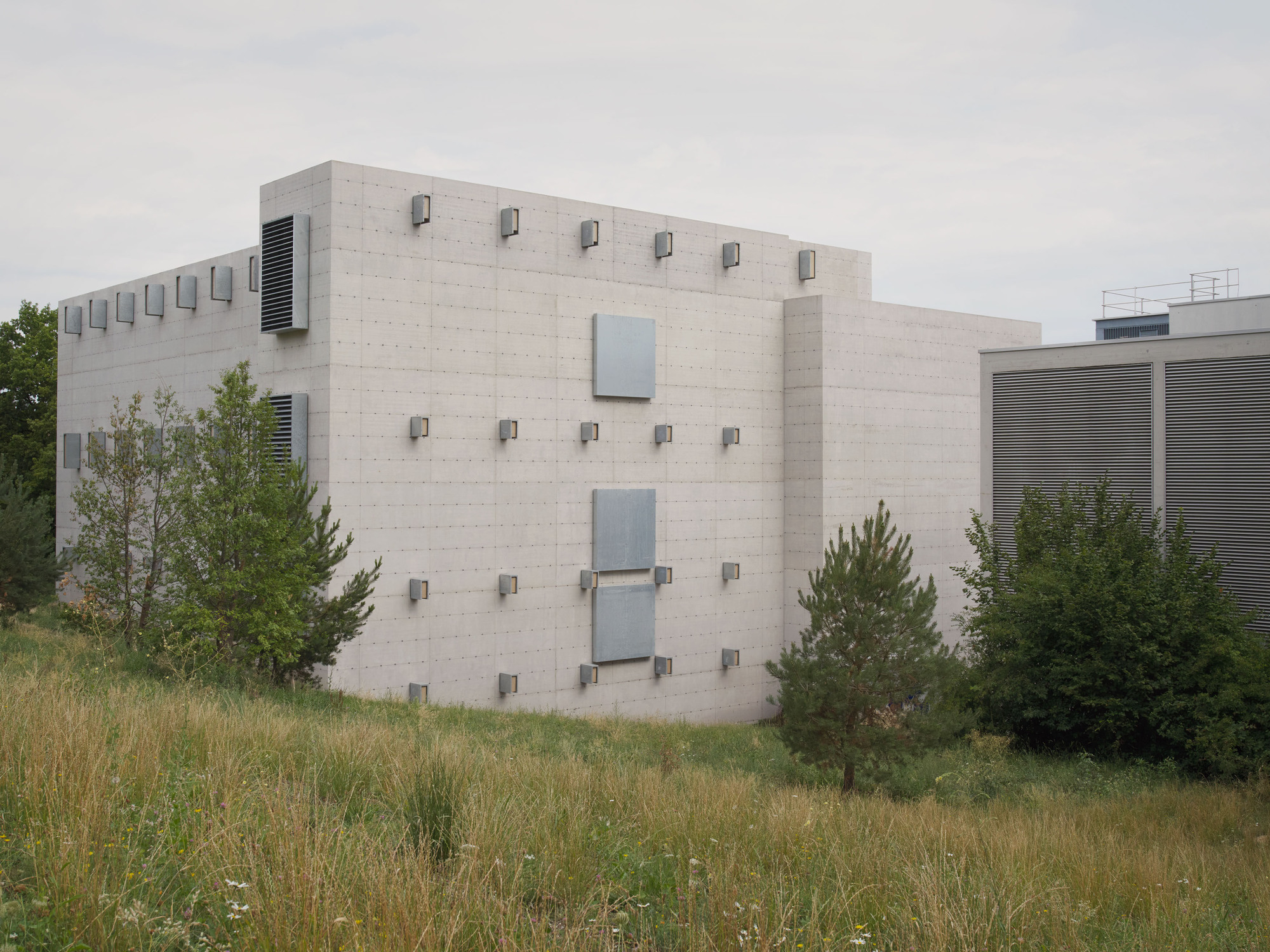
- Project Name: Data Center ETH Zurich (HRZ)
- Architect: Penzel Valier
- Location: Hönggerberg Campus, ETH Zurich, Switzerland
- Core Function: Centralized server, storage, and communication infrastructure for IT Services and academic departments.
- Design Philosophy: Integrated design, where structural engineering, mechanical building services, and architectural aesthetics were developed in a unified, concurrent process.
- Strategic Purpose: Consolidation of decentralized, outdated IT facilities into a singular, future-proof hub.
The facility serves as a vital component of ETH Zurich’s long-term digital strategy. By centralizing its computational resources, the university not only enhances the security and reliability of its data but also optimizes energy efficiency, a critical factor given the intensive cooling and power requirements of modern server hardware.
Chronology: The Evolution of the Project
The journey of the HRZ from a conceptual requirement to a functional reality spanned several years of intense coordination between the university’s IT department, stakeholders, and the architectural team.
- Phase I: Needs Assessment and Strategic Planning: Recognizing that disparate, legacy server rooms scattered across campus were becoming a liability—both in terms of security and energy consumption—ETH Zurich initiated a strategic review of its IT footprint.
- Phase II: Architectural Selection: Penzel Valier was selected for their ability to manage complex, technical projects that demand a high degree of integration between structural engineering and design.
- Phase III: Design Integration: Unlike traditional construction, where architecture often dictates the placement of services, the HRZ was built "inside out." The design team focused on the thermal and structural requirements of the server racks first, building the architecture around the necessary mechanical infrastructure.
- Phase IV: Construction and Commissioning: The construction phase involved the integration of complex HVAC systems, redundant power supplies, and fire suppression systems into a monolithic, durable concrete shell.
- Phase V: Operational Launch: Following rigorous testing and data migration from legacy systems, the facility became the primary hub for ETH’s digital operations.
Supporting Data: Engineering the Digital Future
The complexity of the HRZ lies in its technical specifications. Data centers are notoriously energy-intensive; the design of this building is a direct response to the "efficiency imperative."
The "Integrated Concept"
Penzel Valier adopted an integrated design approach where the building structure is essentially a cooling and power distribution machine. By aligning the structural bays with the physical footprint of server cabinets, the architects minimized the distance that cabling and coolant must travel, thereby reducing energy loss.
Resilience and Sustainability
- Thermal Management: The building utilizes advanced air-flow management techniques to minimize the PUE (Power Usage Effectiveness) ratio, a standard metric for data center efficiency.
- Scalability: The modular nature of the interior layout allows for future upgrades as computing technology evolves, ensuring that the facility will not become obsolete as hardware trends shift toward higher density or alternative cooling methods.
- Structural Integrity: The use of robust, exposed concrete is not merely an aesthetic choice. It provides the necessary thermal mass and fire-resistance required for the high-security environment of a university data center.
Official Responses and Architectural Vision
In statements provided by the architects, the emphasis is placed on the "truthfulness" of the building. In an age of digital abstraction, the architects argue that the hardware powering our research deserves a space that acknowledges its importance.
"The Hönggerberg Data Center is an integrated building where structure, services, and architecture are treated as a single organism," the design team noted. "We moved away from the idea that a data center is a ‘black box.’ Instead, we designed a building that reflects the precision and logic of the systems it houses. The concrete shell serves as a quiet, durable container that protects the most valuable intellectual assets of the university."
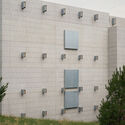
For ETH Zurich, the project represents a commitment to the university’s "Campus 2040" vision, which aims to create an environment where the physical and digital campuses are inextricably linked. The HRZ serves as the heartbeat of this vision, providing the computational horsepower required for breakthroughs in everything from climate modeling to quantum physics.
Implications: The Role of Data Architecture
The completion of the Penzel Valier project has broader implications for the architectural community and the academic sector at large.
The Death of the "Windowless Bunker"
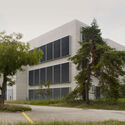
For decades, data centers were designed for pure utility—often windowless, concrete sheds hidden on the outskirts of cities or campuses. The HRZ suggests a change in attitude. By treating the data center as a legitimate piece of civic architecture, ETH Zurich and Penzel Valier have elevated the status of digital infrastructure. It suggests that our digital tools are now as central to our societal functioning as libraries or laboratories.
Energy Efficiency as an Architectural Priority
As the environmental impact of the tech industry becomes a primary concern for sustainability officers, the design of the physical server environment is no longer just a task for electrical engineers. Architects are now essential to solving the energy crisis inherent in the digital age. By optimizing the physical layout of the building, architects can reduce the carbon footprint of the hardware inside.
Future-Proofing Higher Education
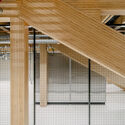
The success of this project serves as a template for other global research institutions. As AI, machine learning, and big data become central to the scientific method, the demand for high-performance computing on campus will only grow. The modular and integrated nature of the Hönggerberg facility demonstrates that universities do not need to rely solely on public cloud providers; they can maintain robust, high-security, and energy-efficient data infrastructures within their own boundaries.
Conclusion
The Data Center at ETH Zurich is a triumph of technical architecture. It is a building that does not try to hide what it is; instead, it celebrates the complexity of the digital age through a language of exposed concrete, rational planning, and structural honesty.
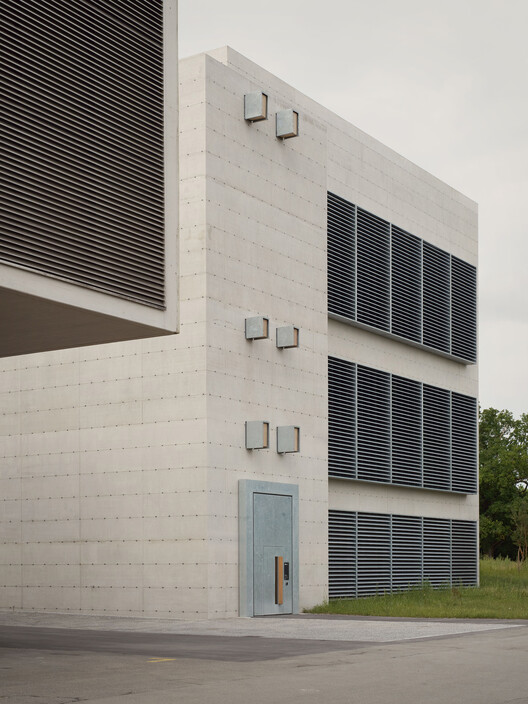
By prioritizing integration over ornamentation, Penzel Valier has provided the academic community with a facility that is as resilient as the research it supports. As the world continues to move toward a digital-first existence, the lessons learned from the design and construction of the HRZ will likely inform the next generation of institutional infrastructure, proving that even the most technical spaces can—and should—be designed with architectural ambition.
In the quiet, humming halls of the Hönggerberg Data Center, the future of discovery is being processed, stored, and protected—housed in a structure built to stand as long as the knowledge it preserves.


 Lina Hope
