

 Dwi Wanna
 Nana Wu
 Muslim
 Reynand Wu
 Ammar Sabilarrohman
 Nana
Nana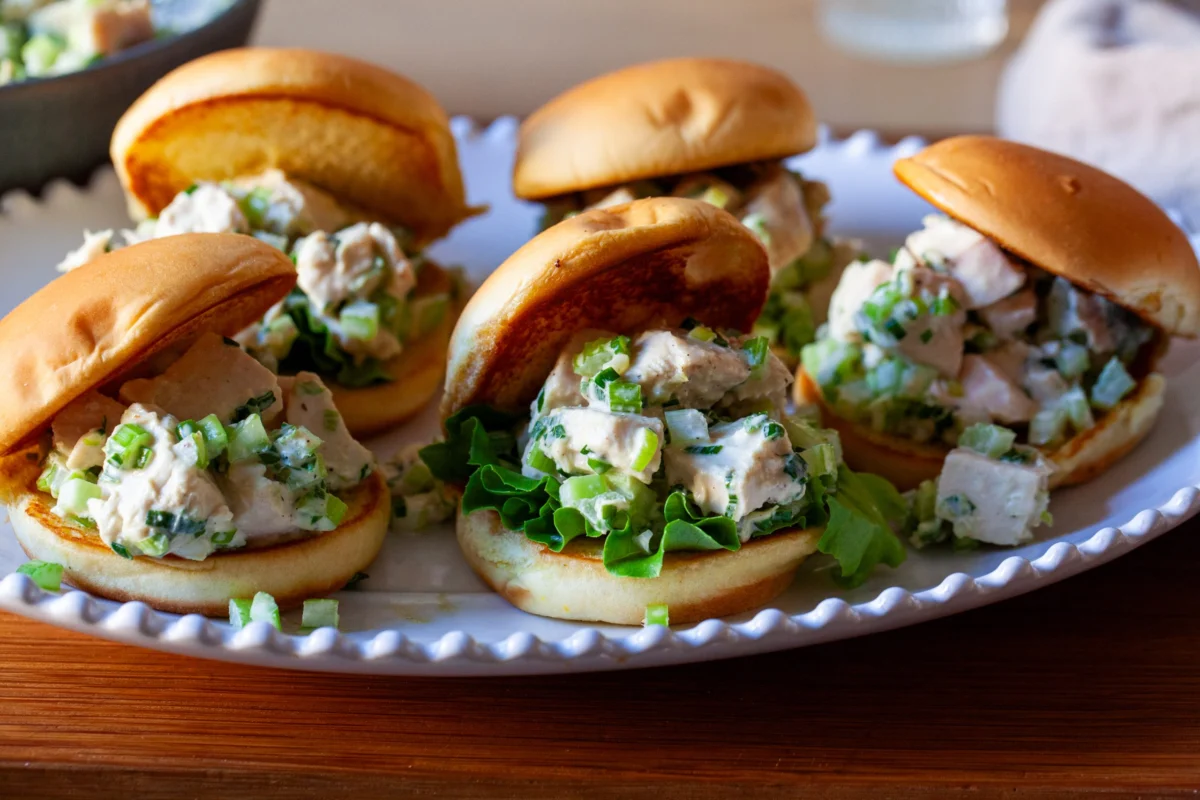
In the culinary world, few dishes are as deceptively simple—or as frequently botched—as chicken salad. It is a staple of deli counters, picnic baskets, and office luncheons, yet it remains a dish defined by polarizing personal preferences. For many home cooks, chicken salad is an exercise in mediocrity, often marred by overly pulverized meat, excessive mayonnaise, or controversial additions like raisins and grapes that divide diners.
However, a new philosophy regarding this classic dish has emerged, prioritizing texture, moisture, and the structural integrity of the ingredients. By moving away from the "mayonnaise pond" approach and embracing a more rigorous preparation method, home cooks are rediscovering why this humble salad deserves a place at the center of the table.
The Anatomy of the Perfect Chicken Salad: Main Facts
At its core, the perfect chicken salad is not merely a binder for leftover poultry; it is a carefully calibrated composition. The modern standard, championed by culinary enthusiasts and home cooks alike, rests on four pillars:

- Texture via Celery: Rather than treating celery as a minor garnish, it is elevated to a primary ingredient. A 50/50 ratio of chicken to celery ensures a consistent, fresh crunch that cuts through the richness of the mayonnaise.
- Moisture Retention: The reliance on boneless, skinless breasts is identified as a common pitfall. The use of bone-in, skin-on breasts ensures the meat remains juicy and flavorful during the roasting process.
- Seasoning Foundation: The "wiring" of flavor occurs at the granular level. By seasoning the diced chicken directly—before the introduction of binders like mustard or mayonnaise—the salt and pepper become an integral part of the protein rather than a surface-level afterthought.
- The "Crispy" Factor: Perhaps the most innovative aspect of this method is the reclamation of chicken skin. By rendering the skin into a crispy, chip-like garnish, the dish gains an element of texture that is typically absent in traditional preparations.
Chronology of Preparation: From Oven to Plate
The preparation of a superior chicken salad is a deliberate, multi-stage process that prioritizes temperature control and flavor infusion.
Phase 1: The Roast
The process begins with the chicken. Preheating the oven to 350°F (176°C) is essential for a gentle roast. By coating bone-in, skin-on breasts with olive oil and a generous application of salt and pepper, the cook ensures the fat from the skin permeates the meat. The chicken should be roasted until it reaches an internal temperature of 150°F to 155°F (65°C to 68°C), which prevents the dreaded "chalky" texture of overcooked poultry.
Phase 2: The Cool Down and Integration
Once the chicken has cooled to room temperature, the meat is removed from the bone and cut into consistent 3/4-inch pieces. This size is critical; it allows the diner to experience the texture of the chicken without it disintegrating into a paste. Crucially, the pan drippings—the concentrated juices collected during roasting—are poured back over the diced meat.

Phase 3: The Assembly
With the protein prepared, the aromatics (finely minced scallions) and the structural support (the celery) are folded in. The final step involves the "mayo meter"—a light hand with Dijon mustard and mayonnaise. The goal is a light coating that clings to the ingredients rather than drowning them.
Supporting Data: Why Texture Matters
The culinary science behind this preference for "high-crunch" chicken salad is rooted in the palate’s desire for contrast. A dish consisting solely of soft, shredded protein and creamy dressing is often described as "mushy." By introducing high-fiber, high-water-content vegetables like celery, the diner experiences a sensory contrast that keeps the palate engaged.
Furthermore, the utilization of chicken skin as a garnish serves a functional purpose. Often discarded as waste, skin is a concentrated source of umami. When rendered at 400°F (205°C) until crisp, it provides a salty, fatty crunch that mimics the experience of eating a potato chip alongside a sandwich—an pairing that has become a nonnegotiable standard for many households.

Expert Perspectives: The Cultural Shift in Home Cooking
Professional chefs and home cooking advocates have noted a significant shift in how people view "comfort food." In the post-pandemic era, there is a renewed interest in perfecting the "everyday" meal.
"Chicken salad is a litmus test for a cook’s attention to detail," says a culinary observer. "You cannot hide behind complex spices or expensive cuts of meat. You are forced to deal with the basics: salt, fat, acid, and crunch. When you get those right, the dish is transcendent. When you get them wrong, it is forgettable."
The debate regarding "add-ins" like grapes or curry powder remains a point of contention. Purists argue that these elements distract from the savory profile of the chicken and the clean, bright flavor of the celery. The consensus among those advocating for the "celery-forward" approach is that the dish should remain firmly in the savory, herbaceous, and crisp category, leaving the sweet-and-savory experimentation for other venues.

Implications: The Future of the "Monthly Dinner"
The rise of the "chicken salad night" as a monthly ritual has broader implications for modern dining. As families struggle with conflicting schedules, the appeal of a "build-your-own" sandwich bar is high. It allows for individual autonomy—a child may choose just the chicken and bread, while an adult might opt for the full experience with pickled onions, lettuce, and crispy chicken skin.
Impact on Meal Planning
This approach also maximizes efficiency. By roasting a whole chicken breast specifically for the salad, the home cook avoids the variable quality of supermarket rotisserie chickens, which are often over-seasoned or dry. The intentionality of the process transforms a "leftover" meal into a centerpiece event.
Nutritional Considerations
From a nutritional standpoint, the focus on fresh aromatics like scallions and celery, combined with controlled portions of high-quality mayonnaise, offers a balanced meal. The emphasis on roasting rather than frying, and the ability to control the salt content during the early seasoning phase, makes this a viable option for those looking to maintain healthier eating habits without sacrificing flavor.

Conclusion: A Return to Basics
The pursuit of the perfect chicken salad is, at its heart, a pursuit of standards. It is an acknowledgment that even the most common dishes are improved by thoughtful technique. By prioritizing the crispness of the celery, the moisture of the roasted chicken, and the integrity of the seasoning, the home cook can transform a basic lunch into a culinary experience.
Whether one serves it on a toasted slider roll or consumes it directly from the bowl, the philosophy remains the same: the best version of any dish is the one that respects the ingredients enough to let them speak for themselves. The next time you find yourself with a craving for this classic, consider the celery—and perhaps, for the sake of texture, consider the skin.


 Azzam Bilal Chamdy
 Sagoh
Sagoh