

 Dwi Wanna
 Nana Wu
 Muslim
 Reynand Wu
 Ammar Sabilarrohman
 Lina Irawan
In the landscape of seasonal home cooking, few desserts capture the fleeting, sun-drenched essence of summer quite like a freshly baked blueberry cobbler. It is a dish that sits at the intersection of rustic comfort and refined technique—a testament to the idea that the best culinary experiences are often those that honor simple, high-quality ingredients.
This guide explores the anatomy of an exceptional blueberry cobbler, focusing on the elevated "brown butter" method that has transformed this classic treat from a humble kitchen staple into an elegant, gourmet-worthy centerpiece. Whether you are looking for the perfect finale to a Fourth of July barbecue or a sophisticated brunch addition, mastering this recipe is an essential skill for any home cook.
Main Facts: The Anatomy of a Perfect Cobbler
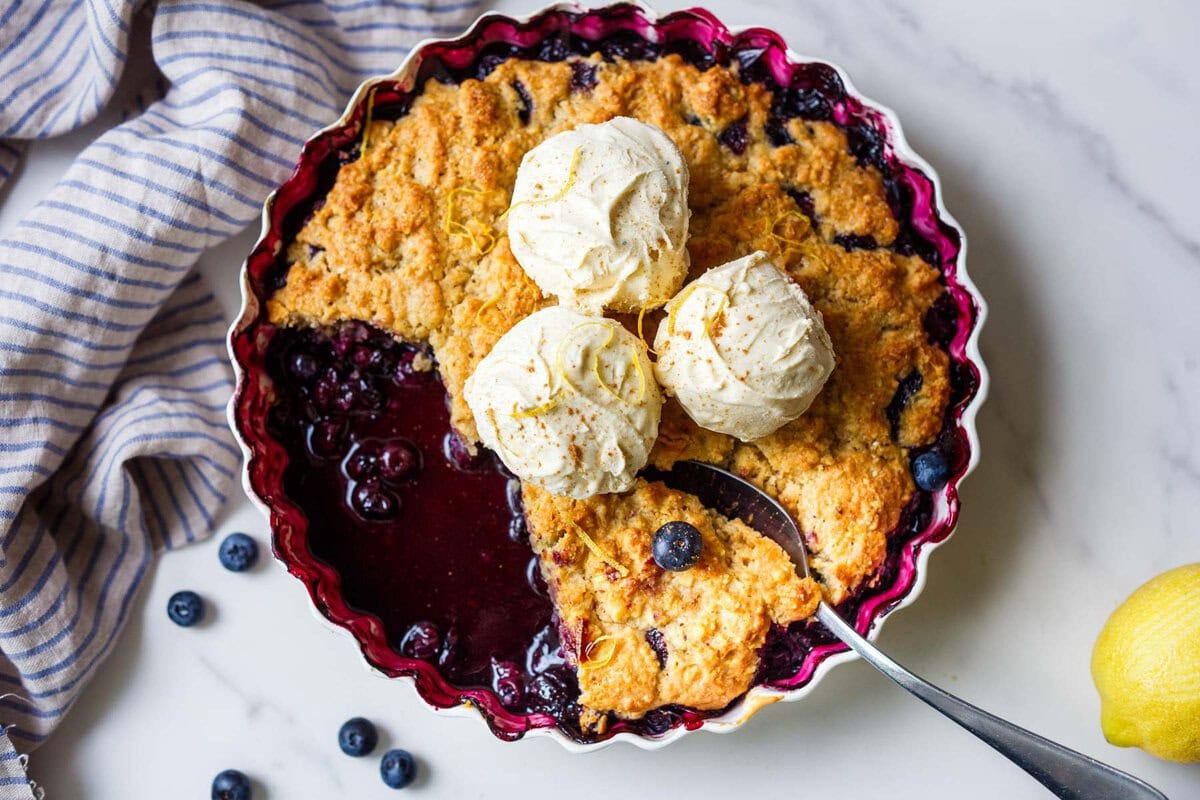
A true cobbler is defined by its structure: a vibrant, jammy fruit base anchored by a tender, biscuit-like topping. Unlike a crumble, which uses a streusel-like oat topping, or a pie, which is fully encased in pastry, the cobbler relies on "cobbled" mounds of dough that create a rustic, uneven texture.
The secret to this specific recipe lies in the contrast of temperatures and textures. The blueberries, when cooked with a subtle touch of lemon zest and cinnamon, release their juices to form a syrupy, concentrated reduction. The topping—enriched with brown butter—adds a layer of complexity that standard biscuit doughs lack. Brown butter, or beurre noisette, provides a deep, nutty aroma and a toasted flavor profile that perfectly complements the tart, floral notes of fresh summer berries.
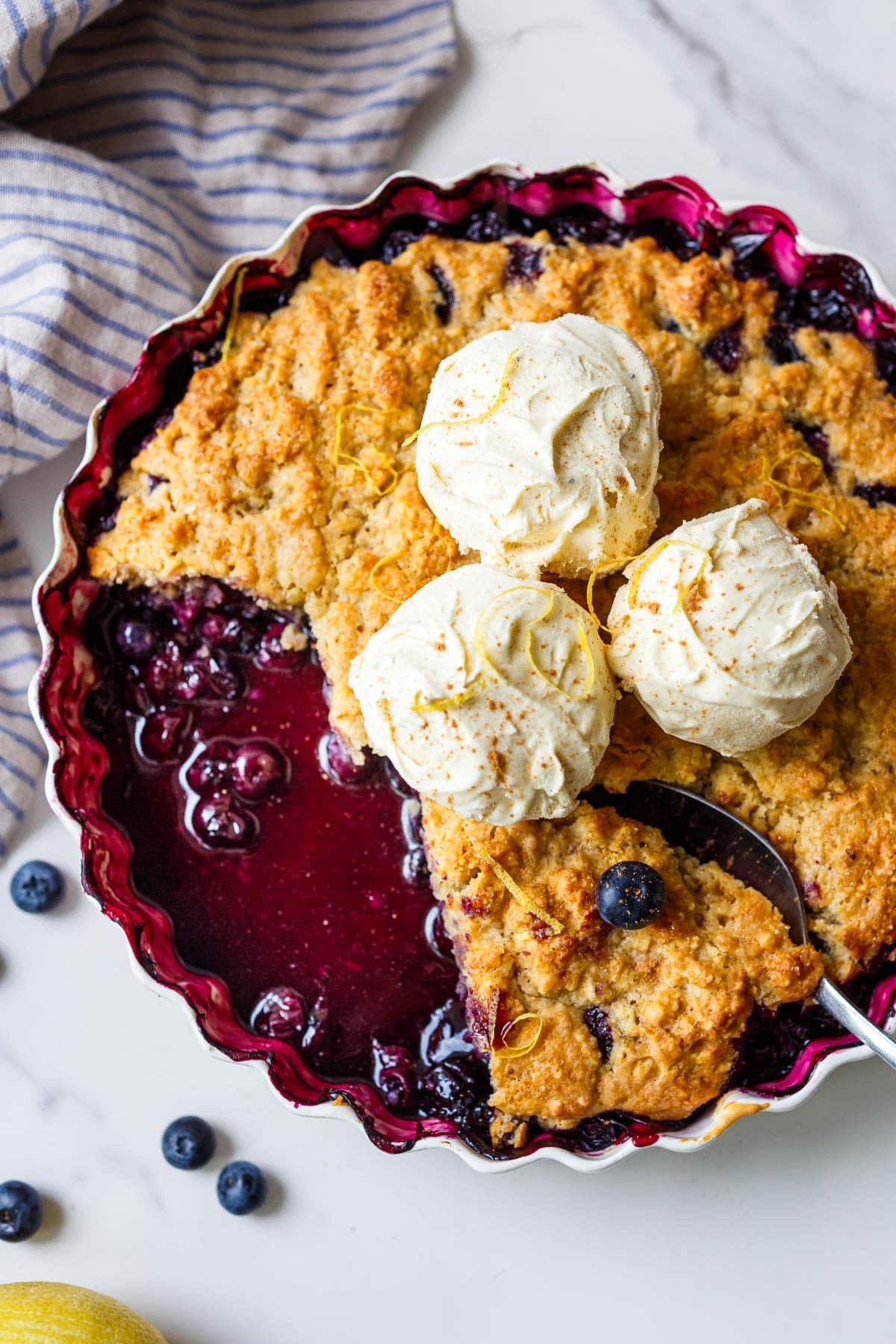
Key Nutritional and Culinary Components
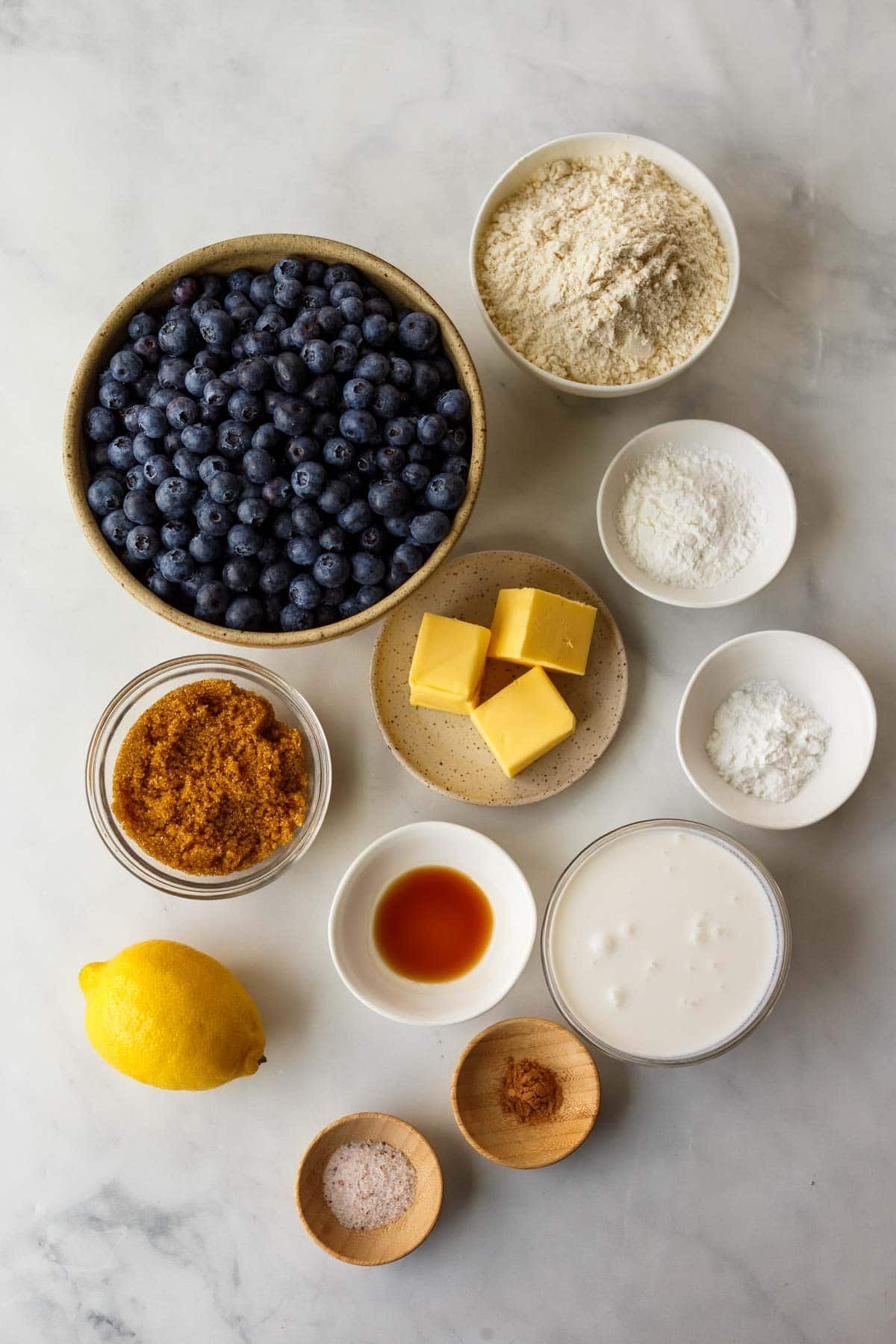
- The Fruit: Fresh blueberries serve as the star. When heated, they break down just enough to release their natural pectin, which, when combined with a touch of cornstarch, creates a lush, thickened filling.
- The Topping: By using brown butter instead of cold, solid butter, the biscuit topping achieves a richer, more golden finish and a deeper, more savory-sweet flavor profile.
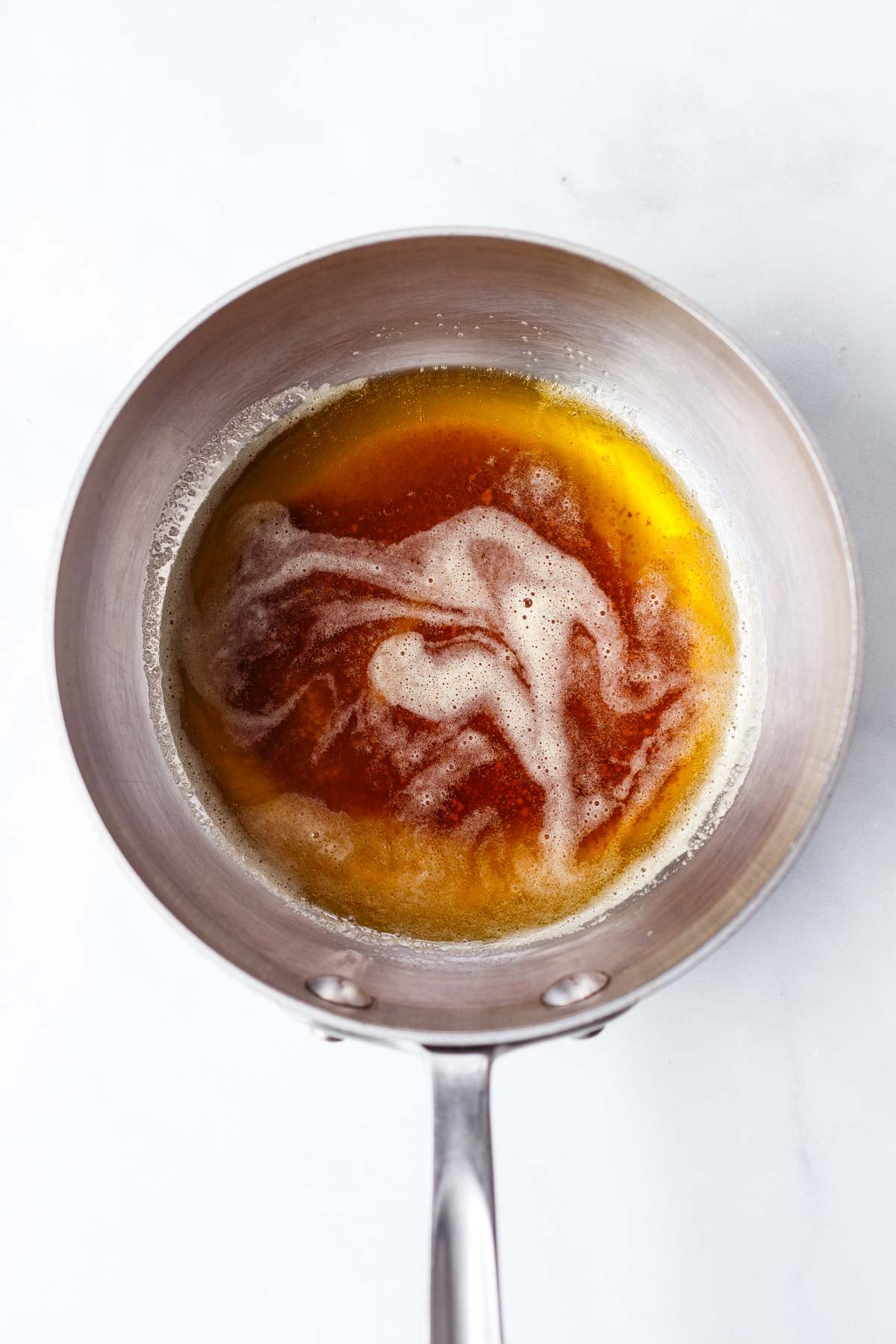
- The Finishing Touch: A sprinkle of coarse sugar before baking is not merely decorative; it creates a structural, crystalline crunch that contrasts with the soft, pillowy interior of the biscuit.
Chronology: The Evolution of the Recipe
The history of the cobbler is rooted in the American colonial tradition, where settlers adapted British suet puddings to the fruits available in the New World. Over centuries, the dish evolved from a heavy, biscuit-heavy crust to the lighter, fruit-forward iterations we recognize today.
The integration of brown butter is a relatively modern culinary elevation. Historically, home cooks used whatever fat was on hand—lard, butter, or shortening. However, as the focus of home baking shifted toward maximizing flavor, the browning of butter became a standard technique to add "depth of field" to sweet baked goods.
The Modern Preparation Sequence:
- Preparation (0–10 minutes): Preheat the oven to 375°F. This temperature is crucial; it is hot enough to allow the biscuits to rise quickly before the fruit juices boil over, ensuring the topping remains crisp rather than soggy.
- The Brown Butter Phase (10–15 minutes): Melting the butter until it reaches a fragrant, amber color requires patience. It must be carefully watched to avoid burning, which would impart a bitter, acrid taste.
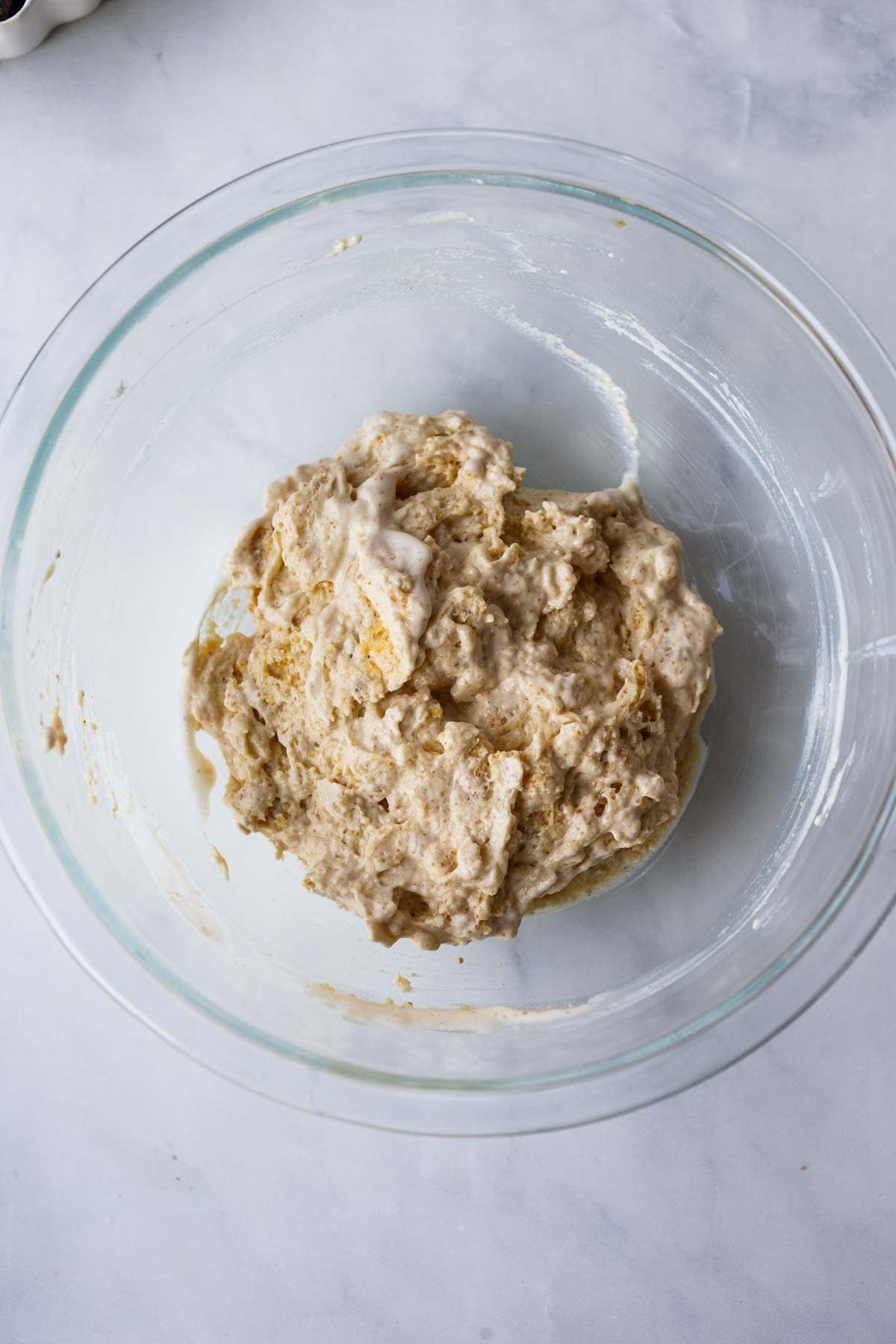
- The Mixing Stage (15–25 minutes): The fruit filling is kept simple to let the berries shine. The biscuit dough is folded until "just combined"—an essential step to prevent gluten over-development, which would lead to a tough, rubbery texture.
- Baking (35 minutes): The cobbler is baked until the fruit is bubbling vigorously and the biscuits have reached a deep, golden-brown hue.
Supporting Data: Why This Method Succeeds
Culinary science suggests that the "brown butter biscuit" approach succeeds due to the Maillard reaction—a chemical process that occurs when amino acids and reducing sugars brown under heat. By pre-browning the butter, you are essentially pre-cooking these flavor compounds, which then permeate the biscuit dough, creating a more sophisticated flavor profile than standard cream-based or buttermilk biscuits.
Furthermore, the choice of using cornstarch as a thickener rather than flour in the fruit base ensures that the filling remains clear and glossy. Flour can sometimes turn a berry filling cloudy or "pasty," whereas cornstarch allows the deep purple-blue hue of the berries to remain vibrant and jewel-like.
Ingredient Ratios for Success
- Berries: 4–5 cups of fresh, firm berries are recommended for an 8×8-inch pan.
- Acidulation: The inclusion of lemon zest is not arbitrary. Blueberries have a relatively flat flavor profile; the lemon provides the necessary acidity to "lift" the sweetness and create a more balanced palate experience.
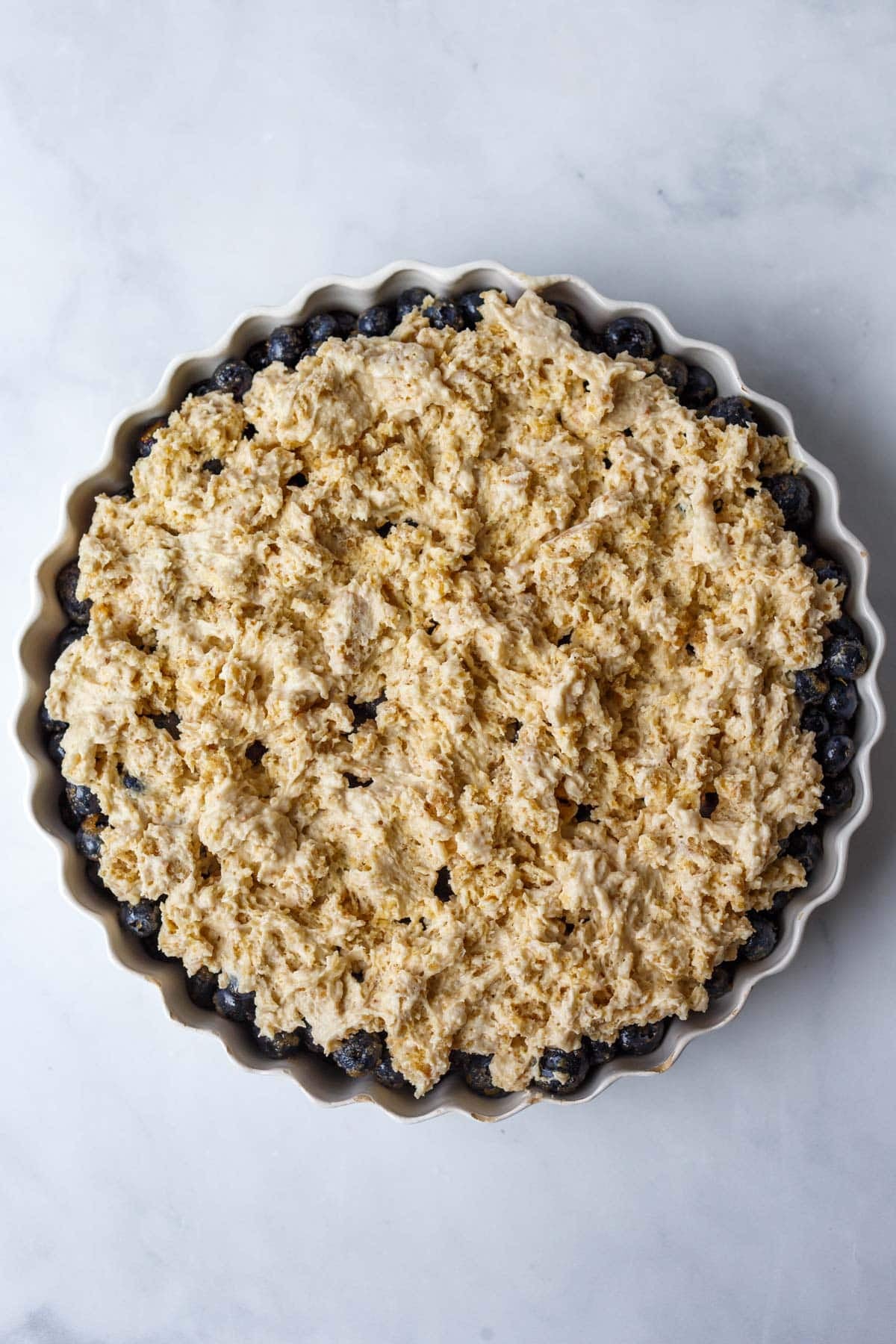
- The "Dollop" Method: Placing the dough in 6–8 evenly spaced spoonfuls allows for steam to escape from the fruit, which is the primary deterrent against a soggy bottom crust.
Official Perspectives and Chef’s Recommendations
Professional pastry chefs often advocate for the "rest period" in cobbler preparation. This recipe calls for a minimum of 30 minutes of cooling time after the dish leaves the oven. This is not just to avoid burning one’s mouth; it is a critical stage in the structural integrity of the dessert. As the cobbler cools, the fruit juices continue to interact with the starch, thickening into a sauce-like consistency that clings to the berries.
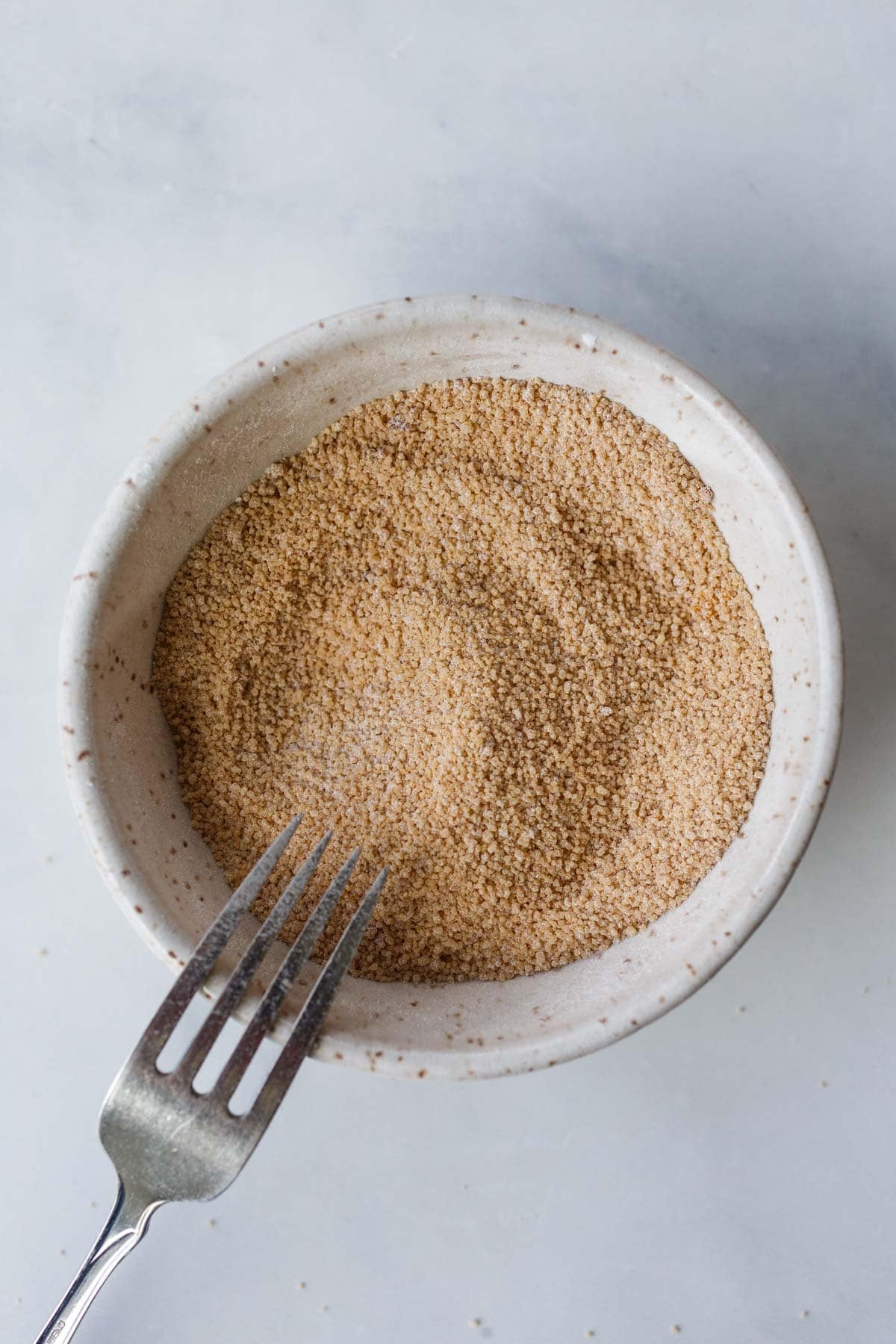
When served, the pairing with vanilla ice cream—the classic "à la mode"—is recommended, but for those seeking a more sophisticated or brunch-appropriate twist, a dollop of thick, full-fat Greek yogurt is a revelation. The tang of the yogurt cuts through the richness of the brown butter, providing a refreshing contrast that makes the dish feel lighter.
Implications: The Versatility of the Cobbler
The beauty of this blueberry cobbler recipe lies in its adaptability. It is a "template" dish, meaning that once the base technique—the brown butter biscuit topping—is mastered, the filling can be swapped based on seasonal availability.
- Peach Variation: By swapping blueberries for sliced stone fruit, one creates a classic Georgia-style peach cobbler.
- Strawberry-Rhubarb: A mix of strawberry and rhubarb provides a sharper, more complex tang, which pairs beautifully with the nutty undertones of the brown butter.
- The "Lazy" Weekend Factor: Because this recipe relies on pantry staples—flour, sugar, baking powder, and butter—it serves as the ideal solution for last-minute entertaining. It requires minimal active time, allowing the host to focus on guests rather than complex culinary assembly.
Storage and Reheating Protocols
A common misconception is that cobbler must be consumed immediately. In reality, the dish holds up remarkably well in the refrigerator for up to four days. The key to reheating is to avoid the microwave if possible, as it tends to steam the biscuit, destroying its crisp exterior. Reheating in a 350°F oven or an air fryer for 5–10 minutes restores the biscuit to its original, crisp-on-the-outside, tender-on-the-inside state.
Conclusion: A Seasonal Essential
In an age of convenience and mass-produced sweets, there is something deeply restorative about the process of browning butter, folding a simple dough, and watching fresh fruit transform into a warm, bubbling comfort dish. This blueberry cobbler is more than just a recipe; it is a seasonal tradition. By focusing on the interplay of brown butter, bright lemon, and perfectly ripe summer fruit, the home cook can elevate a simple dessert into a memorable culinary event.
Whether shared with family on a quiet porch or presented as the grand finale at a summer party, this cobbler stands as a testament to the fact that when it comes to dessert, simple—when done with intention—is always best.

 Azzam Bilal Chamdy
 Sagoh
Sagoh