Azzam Bilal Chamdy
 Neng Nana
 Nana Muazin
 Dwi Wanna
 Raul Delapena Setiawan
 Nana
Nana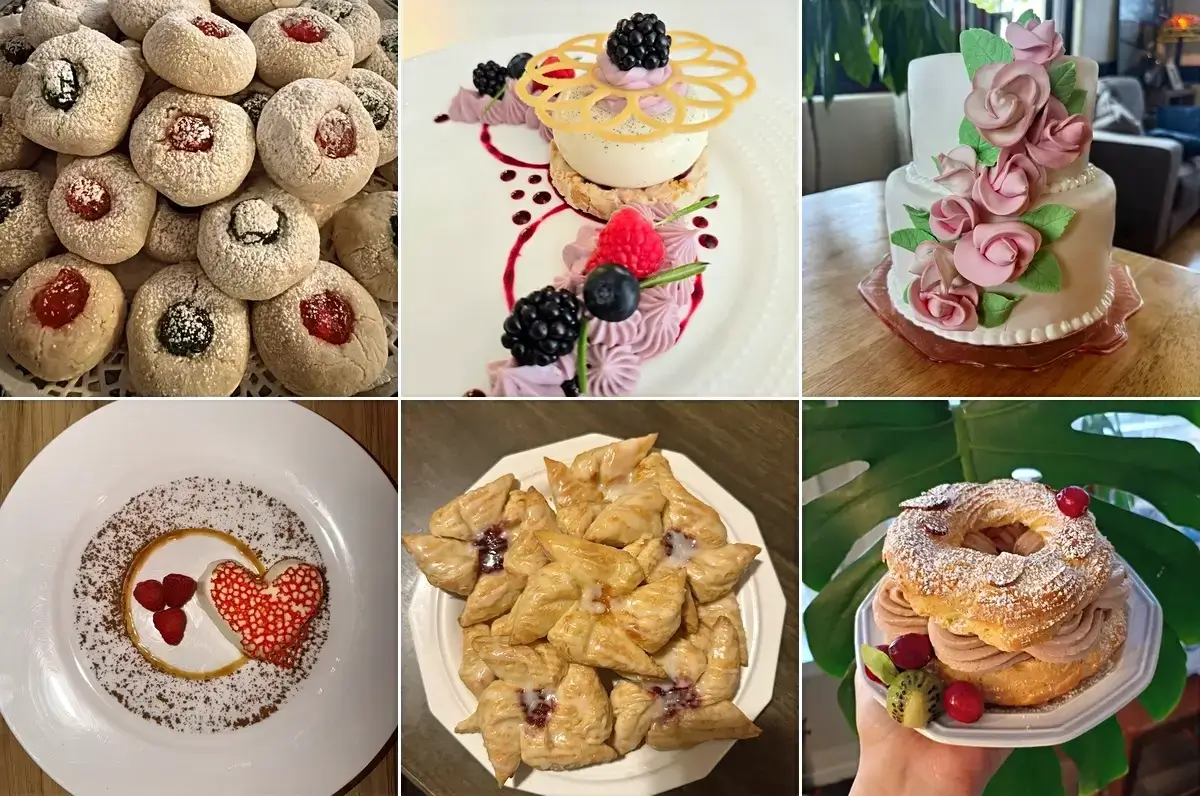
Pastry arts exist at the intersection of science and artistry. It is a discipline that is inherently visual, tactile, and governed by the rigid laws of chemistry. Yet, for decades, the industry standard for job applications—the humble, text-heavy resume—has forced chefs to distill their complex technical abilities into mere bullet points. A resume can tell a hiring chef that you understand the intricacies of laminated dough, but it cannot convey the structural integrity of your croissants or the golden, honeycomb interior of a perfectly proofed batch.
In the modern competitive culinary landscape, a pastry portfolio is no longer a luxury; it is a necessity. It is the bridge between your potential and a hiring chef’s confidence. By showcasing your range, consistency, and technical precision, a well-curated portfolio serves as a visual guarantee of the quality you will bring to their kitchen before you ever step through the door.
The Strategic Importance of Visual Proof
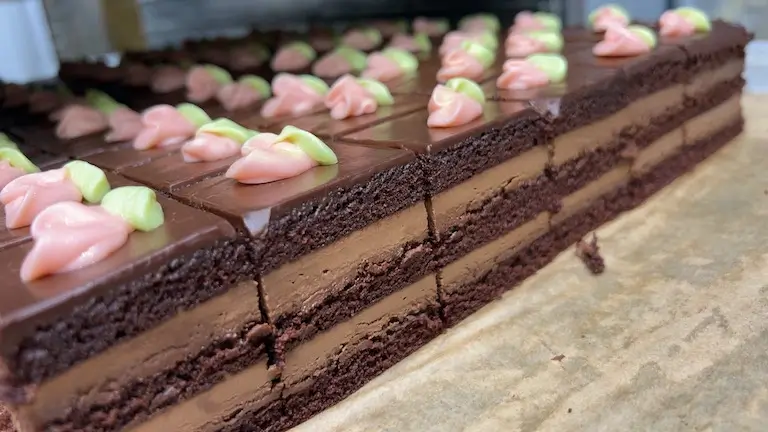
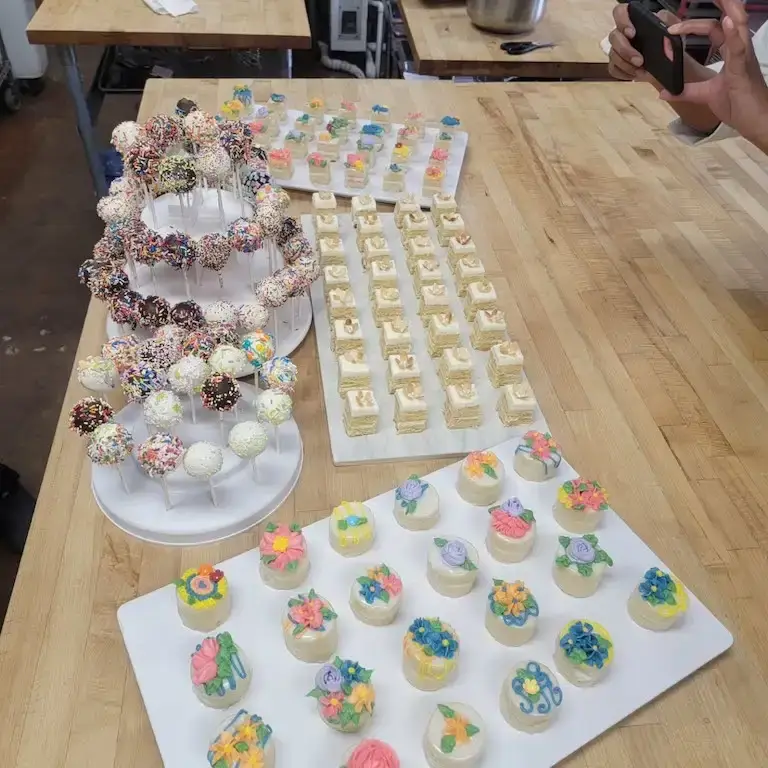
A portfolio is more than a scrapbook of beautiful desserts; it is a diagnostic tool for employers. When a hiring chef reviews your work, they are looking for evidence of "repeatable excellence." A single, meticulously plated dessert proves you have the creativity to execute a vision. However, a photograph of an entire tray of perfectly uniform, identical tartlets proves you have the discipline, organization, and consistency required to thrive in a high-pressure commercial environment.
For those early in their careers, a portfolio can be a powerful equalizer. While an experienced executive pastry chef may rely on a long, decorated track record, a student or entry-level applicant can use their portfolio to demonstrate the high-level training they have already mastered. It transforms your application from a list of claims into a dossier of evidence.
Structuring the Professional Portfolio: The Blueprint
To avoid overwhelming a busy chef, brevity and clarity are paramount. Whether you are building a digital website or a physical PDF, aim for 8 to 12 pages or 3 to 4 well-organized digital tabs. The goal is to provide a comprehensive look at your capabilities without sacrificing the reader’s time.
1. The Professional Introduction
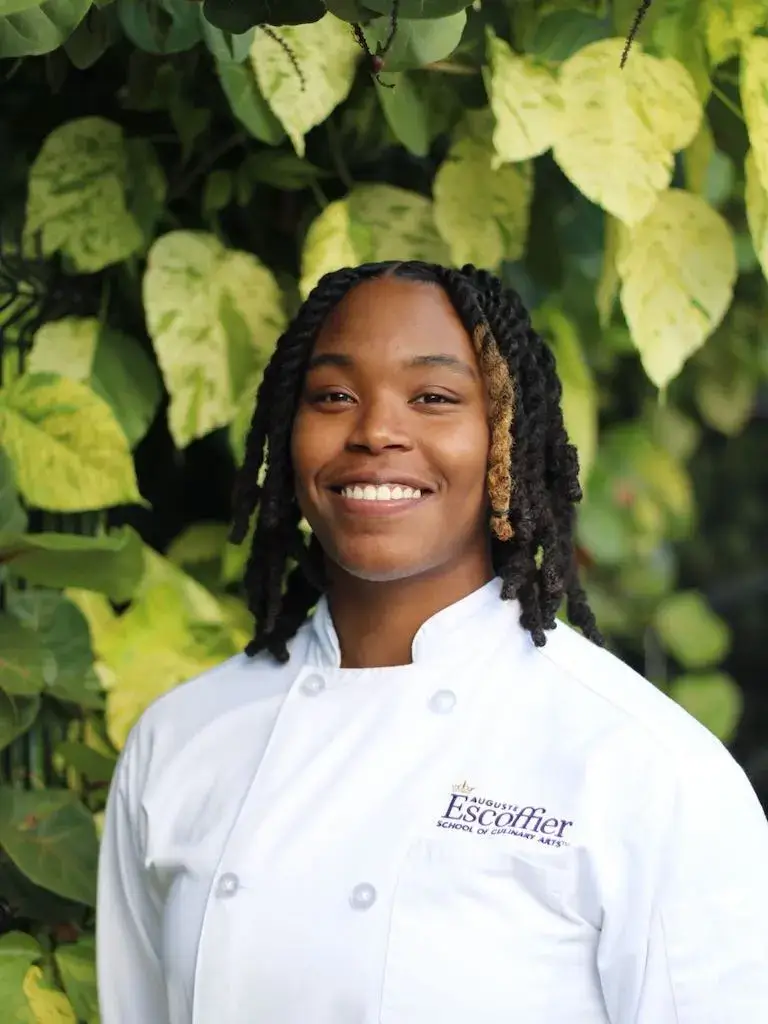
This is your elevator pitch. It should be concise, professional, and tailored to the specific role you are seeking. Include your name, contact details, and a clear statement regarding your career trajectory. Are you a graduate looking for your first position, or a professional aiming to pivot into a new niche? Include a brief "Pastry Philosophy" statement—a sentence or two explaining what drives your work. A professional headshot of you in your chef’s coat adds a human element to the documentation, establishing immediate rapport.
2. Education, Experience, and Certifications
Do not simply copy your resume. Use this space to expound upon your training. If you hold a Pastry Arts Diploma, highlight the specific skills you honed during your program. If you completed an externship, mention the specific stations you managed. Certifications in food safety and sanitation should be prominently displayed, as they signal to the employer that you understand the operational realities of a commercial kitchen.
3. Demonstrating Range and Technique
This is the core of your portfolio. Your work samples must show that you are not a "one-trick pony."
- Bread and Viennoiserie: Show your mastery of fermentation and lamination.
- Chocolate and Sugar Work: Demonstrate your ability to work with temperature-sensitive mediums.
- Plated Desserts vs. Volume Production: Balance your artistic, one-off creations with examples of high-volume, consistent output.
4. Recipe and Menu Development
Hiring chefs need to know if you can contribute to the business. Include one or two examples of original recipes or seasonal menu concepts. Crucially, accompany these with a brief narrative: explain why you chose these flavor pairings, the season for which the dish was designed, and how it aligns with a broader menu strategy. This shows you can think like an owner, not just a line cook.
5. Event and Specialty Execution
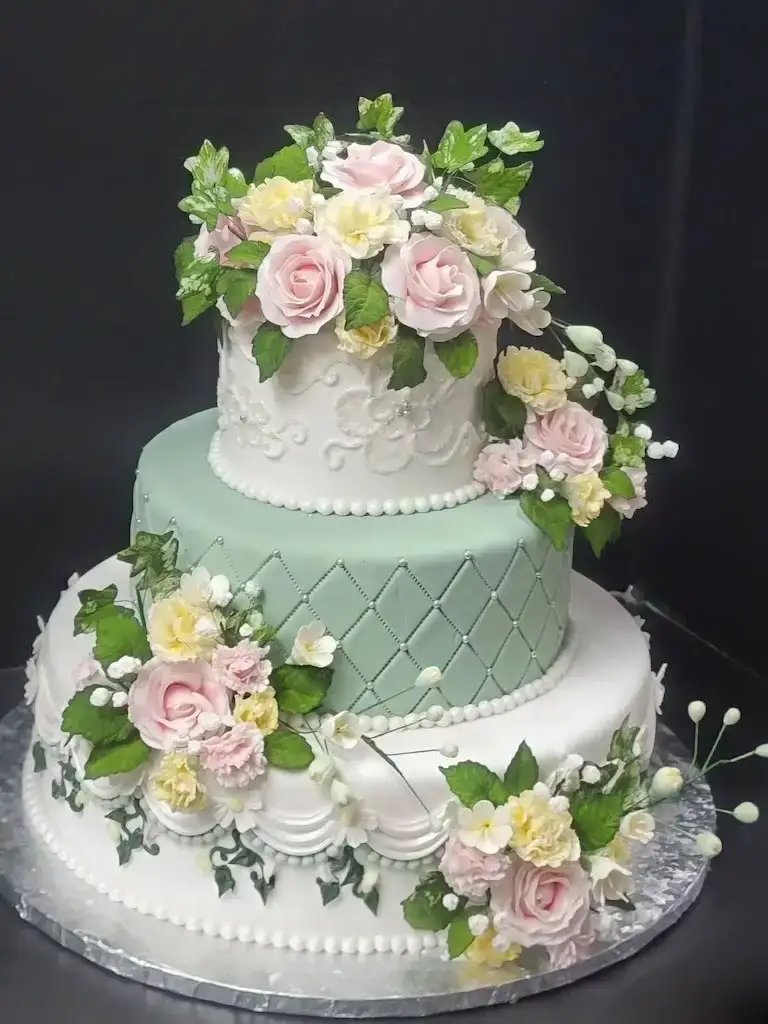
For those eyeing hotel, resort, or catering positions, this section is vital. Showcase your work with weddings, large-scale events, or dietary-specific challenges (e.g., gluten-free or vegan pastry). Detail the guest counts and the logistics you managed. Proving that your work remains consistent when scaling from two portions to two hundred is the ultimate test of a professional pastry chef.
Digital vs. Physical: Choosing Your Format
The most effective approach is to maintain a hybrid strategy.
- The Digital Portfolio: Use a website, a well-organized Google Drive folder, or a high-quality PDF for online applications. This is your "live" document, easily updated as you complete new projects.
- The Physical Portfolio: For in-person interviews, a printed, high-quality portfolio book is an invaluable asset. There is a distinct professional impact when you hand a hiring manager a tactile, physical representation of your work.
Technical Considerations: Capturing the Art
Photography in the pastry world is about more than just a filter; it is about accuracy.
- Natural Lighting: Avoid the harsh, yellow glare of kitchen fluorescent lights. Use natural window light whenever possible.
- Angles and Depth: Get close to the product to show texture, such as the crumb of a cake or the lamination of a croissant.
- Contextual Captions: Every photo needs a caption. State what the item is, the techniques involved, and the context (e.g., "Part of a 50-piece wedding catering order").
Tailoring the Portfolio for the Target Role
You should not build a new portfolio for every single application, but you should adjust the order of your content to suit the employer.
| Role | Lead With |
|---|---|
| Restaurant Pastry | Plated desserts, seasonal concepts, and creative flair. |
| Bakery | Bread, batch production, cookies, and case presentation. |
| Hotel/Resort | Banquet-scale production, event photos, and range. |
| Wedding/Event | High-end decorating, tiering, and setup logistics. |
| Entry-Level | Foundational skills, school projects, and safety certifications. |
Avoiding Common Pitfalls: The Ethics of Presentation
The most dangerous mistake is misrepresentation. While you should always present your work in the best light, avoid heavy photo editing, AI-generated images, or manipulative filters. In the world of pastry, technical markers—the sheen of tempered chocolate, the "foot" of a macaron, the color of a caramel—are the languages chefs use to communicate competence. Obscuring these details with heavy filters will lead to immediate disqualification once the hiring chef realizes the images do not match reality.
Furthermore, ensure your portfolio is free of "filler." A 50-page document will be ignored. A 10-page document of exceptional work will be studied.
The Role of Career Services
For students and graduates of institutions like Auguste Escoffier School of Culinary Arts, building these materials is rarely a solitary endeavor. Career Services teams are designed to assist in every phase, from reviewing your photo selections to helping you draft your professional philosophy. They can help you create a "Customized Marketing Portfolio" (CMP), which acts as a strategic package for externship hosts and prospective employers.
Implications: The Long-Term Professional Asset
Building a portfolio is a lifelong habit. As you advance from an entry-level cook to a head pastry chef, your portfolio will evolve. It becomes a historical record of your growth, documenting your transition from mastering basic techniques to developing complex, original flavor profiles.
In the culinary arts, your reputation is your currency. By taking the time to curate a professional, honest, and technically precise portfolio, you are not just applying for a job; you are establishing your brand as a disciplined, reliable, and creative professional.
Ultimately, the act of assembling a portfolio allows you to step back and view your work as a whole. It provides the clarity needed to see your own strengths and identify the areas where you still wish to grow. Whether you are a student just learning the basics of tempering or a seasoned pro refining your seasonal menu, the portfolio remains the most powerful way to translate the fleeting, delicious nature of pastry into a lasting professional legacy.


 Evan Lee Salim