Azzam Bilal Chamdy
 Neng Nana
 Nana Muazin
 Dwi Wanna
 Raul Delapena Setiawan
 Evan Lee Salim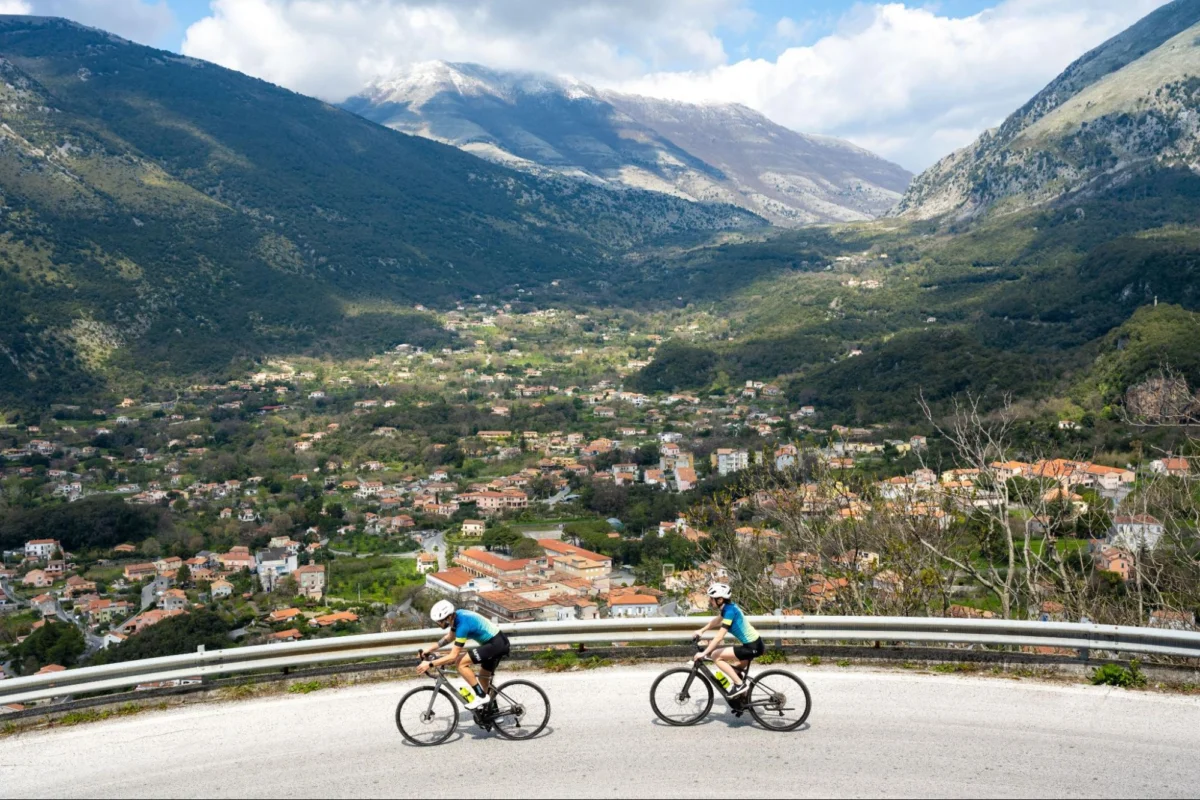
By Colin Nagy | October 9, 2026
For decades, the global luxury travel industry was defined by a singular, obsessive goal: the elimination of friction. Five-star hospitality was measured by how effectively it could insulate the guest from the inconveniences of reality—the long lines, the unpredictable weather, the physical exertion, and the logistical complexities of navigating a foreign land. The "frictionless bubble" was the gold standard, a velvet-lined cocoon where every need was anticipated before it was expressed.
However, as we move into the latter half of the 2020s, a profound shift is occurring at the highest echelons of travel. The ultra-wealthy are no longer looking to hide from the world; they are looking to collide with it. Today, the ultimate luxury is no longer ease—it is agency, physical engagement, and the visceral, sensory reality of a world that cannot be synthesized by an algorithm or delivered by a concierge.
The Paradigm Shift: Escaping the Cocoon
The modern luxury traveler has reached a saturation point with passive consumption. Having mastered the art of finding, documenting, and consuming rare objects and exclusive vistas, the elite traveler is now pivoting toward experiences that require "skin in the game."
There is a growing appetite for what psychologists often call "hard-won pleasure." It is the difference between being chauffeured through a vineyard in an air-conditioned car and arriving at that same vineyard with the smell of damp earth in your nostrils, your muscles burning from a twenty-mile climb, and a sense of genuine accomplishment.
This is the antithesis of the frictionless bubble. It is the embrace of nature, the requirement of physical effort, and the pursuit of sensory experiences that are inherently difficult—and often impossible—to reproduce in a digital or staged environment. In this new era, the luxury is not in the absence of struggle, but in the intentional curation of a challenge that leads to a richer reward.
Chronology: Three Decades of Adventure-Led Luxury
While the trend feels seismic in 2026, the foundation for this shift was laid nearly thirty years ago. Andy Levine, the visionary founder of DuVine Cycling + Adventure Co., began betting on the idea that high-net-worth individuals would eventually crave more than just a plush pillow and a silver service.
- 1996: Andy Levine founds DuVine, conceptualizing a niche market that bridges the gap between rugged athleticism and high-end gastronomy.
- Early 2000s: The company focuses on the core of European cycling culture—Burgundy and Tuscany—proving that travelers would endure physical exertion if the reward at the end of the day was world-class accommodation and vintage wine.
- 2010–2015: As the digital age accelerates, the "always-on" nature of modern life begins to drive a counter-movement. Travelers seek digital detoxes through movement, leading to an expansion into more remote regions like the Dolomites and Mallorca.
- 2020–2022: The global pandemic acts as a catalyst. Forced isolation creates a massive, pent-up demand for open air, physical freedom, and the "realness" of the natural world.
- 2024–2026: The current "Earned Luxury" trend matures. It is no longer just about cycling; it is a philosophy applied to everything from high-altitude trekking to deep-sea exploration. The "sweat-to-luxury" ratio becomes a key metric for tour operators.
The Mechanics of "Earned Luxury"
The business model of DuVine serves as a perfect case study for this evolution. By guiding travelers through the challenging topography of the Dolomites or the rolling hills of Mallorca, Levine is selling more than a vacation—he is selling a narrative of achievement.
The logistics are carefully calibrated. The morning begins with the reality of weather—the wind, the sun, the climb. The route is demanding. But the infrastructure supporting this exertion is impeccable. The hotels are carefully selected for their character and comfort, and the meals are crafted to provide both sustenance and an authentic taste of place.
The philosophy is simple: Dinner has to be earned.
When a traveler sits down to a glass of Burgundy after a day of climbing, the wine tastes different. It is no longer just a luxury product; it is a sensory reward for the physical investment made during the day. This creates an emotional depth that no amount of pure, frictionless luxury can replicate.
Supporting Data: The Rise of "Active-Luxury"
Market research in the high-end travel sector over the last three years suggests that "active-luxury" is one of the fastest-growing segments in the industry. According to internal industry reports, over 68% of ultra-high-net-worth individuals (UHNWIs) now rank "physical challenge" or "skill-building" as a high priority for their annual vacation planning.

Furthermore, the data shows a divergence in spending patterns:
- The Decline of Passive Assets: Spending on purely aesthetic, "Instagrammable" luxury trips has plateaued as travelers grow weary of the performative nature of such travel.
- The Surge in Experiential Capital: Spending on guided, physically demanding expeditions has seen a compound annual growth rate (CAGR) of 14% since 2023.
- The "Authenticity Premium": Travelers are willing to pay a 30-40% premium for experiences that offer deep local immersion and physical interaction with the environment, compared to traditional, resort-based luxury.
Official Perspectives: The Philosophy of Effort
In conversations with leaders in the adventure-travel space, a common theme emerges: the loss of connection to the physical world is the modern elite’s greatest challenge.
"For a long time, we thought we were helping our clients by removing every obstacle," says an industry consultant specializing in UHNWI travel. "We were wrong. We were actually depriving them of the very things that make a memory stick: the struggle, the fatigue, and the eventual triumph. We are now in the business of facilitating ‘productive discomfort.’"
This sentiment is echoed by those who organize these trips. It isn’t about masochism; it is about the restoration of human agency. In a world where AI can write our emails and automated services can handle our daily chores, the act of pedaling a bike up a mountain pass or navigating a forest trail is a powerful reminder of one’s own capability.
Implications for the Future of Hospitality
The industry is reacting in real-time. We are seeing a shift in how luxury hotels are being designed and marketed.
The End of the "Gilded Cage"
The traditional resort, sequestered behind gates with private beaches, is losing its luster. Modern luxury brands are increasingly looking for ways to integrate their properties into the local landscape. We are seeing the rise of "expedition-adjacent" hospitality, where the hotel serves as a base camp for local exploration rather than the sole destination.
The Rise of the "Active Concierge"
The role of the concierge is changing. Instead of booking tables at the most exclusive restaurants, they are now tasked with curating routes, managing gear, and ensuring that guests are prepared for the physical demands of their itinerary. The "Active Concierge" must be part travel agent, part athletic trainer, and part local historian.
The Sustainability of Presence
There is also a deeper, more philosophical implication: sustainability. Travelers who engage with the landscape physically—by bike, foot, or kayak—develop a deeper respect for the environments they visit. This "slow travel" movement is inherently more sustainable than the high-velocity, flight-heavy model of the past. By spending more time in one region, traveling at human speed, the environmental footprint per experience is often reduced, and the connection to local communities is deepened.
Conclusion: The New Frontier
The frictionless bubble is not disappearing entirely, but it is no longer the ultimate goal. For the modern traveler, the luxury of the future is the ability to engage with the world on one’s own terms.
As we look toward the remainder of the decade, the winners in the luxury space will be those who can provide the perfect balance: the rigorous, sensory, and sometimes difficult experience of the natural world, followed by the seamless, high-end comfort that allows for reflection and recovery.
Luxury is no longer about being served; it is about being present. And as Andy Levine and his cohorts have proven, sometimes the best way to be present is to get on a bike, head into the hills, and earn the view.