

 Azzam Bilal Chamdy
 Neng Nana
 Nana Muazin
 Dwi Wanna
 Raul Delapena Setiawan
 Lina Irawan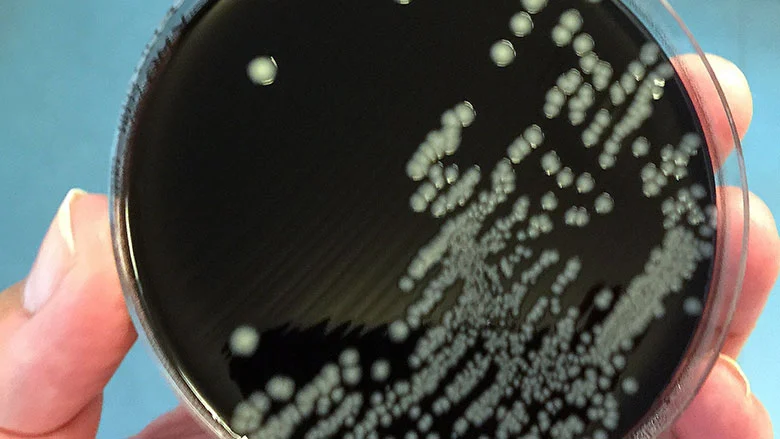
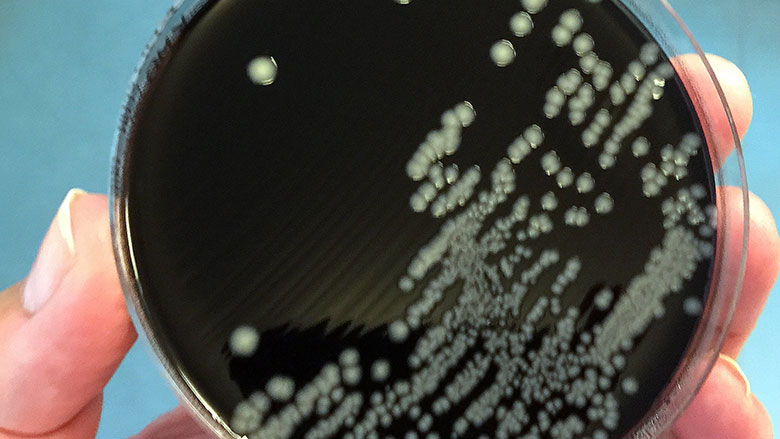
The landscape of foodborne pathogens is undergoing a subtle but dangerous evolution. A new, comprehensive study published in the journal Emerging Infectious Diseases has unveiled the sustained, cross-border circulation of a multidrug-resistant (MDR) lineage of Campylobacter coli, specifically sequence type (ST) 10042. This pathogen has successfully permeated human populations, livestock, food supply chains, and environmental reservoirs across Europe, presenting a formidable challenge to public health officials and food safety regulators alike.
The findings underscore a critical gap in our global defense against antibiotic-resistant bacteria: the lack of a unified "One Health" surveillance strategy. As this lineage continues to traverse national boundaries, experts are calling for an immediate harmonization of genomic data and sampling protocols to prevent a localized issue from becoming a broader, more difficult-to-treat health crisis.
Main Facts: The Rise of a Transnational Threat
Campylobacter is already one of the most common causes of human bacterial gastroenteritis worldwide, typically contracted through the consumption of undercooked poultry or contaminated water. However, the emergence of ST10042 represents a shift in the status quo.
Unlike sporadic cases of food poisoning that are often limited to a single household or a specific dining event, ST10042 demonstrates a persistent, transnational presence. Genomic analysis of 217 isolates collected between 2018 and 2025 across nine European countries revealed that this strain is not merely "passing through" individual regions; it is effectively circulating across sectors.
The primary concern regarding this lineage is its resistance profile. The isolates tested showed high-level resistance to ciprofloxacin, tetracycline, and ampicillin. These are frontline antibiotics frequently used to treat severe Campylobacter infections. Furthermore, the detection of reduced susceptibility to ertapenem—a carbapenem-class antibiotic—is a worrying development, as these drugs are often considered "last-resort" treatments for severe, multidrug-resistant infections.
Chronology: A Multi-Year Genomic Investigation
The study conducted by an international team of researchers tracks the trajectory of ST10042 from its initial identification as a predominant strain in Portugal to its current, widespread status.
2018–2020: Initial Detection and Early Mapping
During the initial years of the study, whole genome sequencing (WGS) began to highlight ST10042 as a frequent finding in Portuguese surveillance systems. While initially viewed as a local concern, the increased resolution provided by WGS began to suggest that this strain was more common than traditional phenotypic testing had indicated.
2021–2022: Establishing Dominance
By 2021, the strain had firmly established itself in Portugal. In 2022, data indicated that ST10042 accounted for a staggering 30 percent of all C. coli infections in the country. It was during this period that researchers began to systematically collect and compare isolates from Germany, Luxembourg, and other neighboring nations, revealing that the strain was not confined to the Iberian Peninsula.
2023–2025: Fluctuations and Persistent Circulation
The study period saw fluctuations in the infection rates in Portugal, with a decline to 14–15 percent in 2023–2024, followed by a rebound to 24 percent in 2025. This resurgence, despite localized efforts to manage the spread, indicates that the pathogen has established a stable niche in the food and environmental sectors, allowing it to re-emerge whenever favorable conditions arise.
Supporting Data: Dissecting the Transmission Routes
The scope of the study included 184 human isolates and 33 animal, food, or environmental isolates. The distribution of these samples provides a clear window into how the pathogen bridges the gap between animal agriculture and human health.
Poultry as a Primary Reservoir
Of the 30 non-human isolates analyzed, 83 percent were sourced from poultry. This includes raw poultry meat sold in retail, chicken-based prepared dishes, and live poultry in farm settings. These findings reinforce the well-established link between intensive poultry farming and the spread of Campylobacter. The presence of this specific MDR strain in livestock and retail meat products strongly suggests that the human infection pathway is fundamentally linked to the commercial food supply chain.
Environmental Persistence
Beyond the farm and the dinner plate, the study identified the presence of ST10042 in surface waters. This is a critical finding, as it implies that the pathogen can persist in the environment, potentially contaminating irrigation water for produce or reaching livestock through shared water sources, thereby closing the loop of transmission.
Cross-Border Genomic Clusters
The most striking evidence of the pathogen’s reach comes from the genomic clusters identified by the researchers. Large clusters linked isolates from Portugal and Luxembourg, with clear genomic matches extending to Germany, Ireland, the UK, Spain, and the Netherlands. These clusters are indicative of sustained, transnational trade in poultry products and potentially animal movement, which facilitates the cross-border dissemination of the bacterium.
Implications for Public Health and Food Safety
The implications of the study are profound, particularly regarding the limitations of current clinical and surveillance responses.
The Antimicrobial Resistance (AMR) Challenge
The conserved multidrug-resistant profile of ST10042 is a significant public health burden. Because the lineage is resistant to fluoroquinolones, tetracyclines, and β-lactams, the therapeutic options for patients who develop severe, invasive infections are severely curtailed.
The researchers noted that the reduced susceptibility to ertapenem is particularly concerning. While the lack of standardized clinical breakpoints for Campylobacter makes it difficult to definitively categorize this as "clinical resistance," the molecular evidence suggests that the bacterium is adapting to survive exposure to modern, high-tier antibiotics. This evolutionary trajectory necessitates urgent re-evaluation of treatment protocols for Campylobacter infections.
The Need for "One Health" Surveillance
The study serves as a clarion call for the implementation of a "One Health" surveillance model. Historically, human clinical surveillance and animal/food surveillance have operated in silos. This study demonstrates that without integrating these datasets, it is impossible to see the "big picture" of how a pathogen moves through the environment.
Key recommendations from the researchers include:
- Standardized Sampling: Countries must move toward harmonized protocols for collecting isolates from both food and clinical settings to ensure that data from one nation can be accurately compared with data from another.
- Shared Genomic Databases: Real-time access to WGS databases across the European Union and beyond is essential for early detection of cross-border outbreaks.
- Molecular Surveillance: Moving beyond traditional antibiotic susceptibility testing to identify the genetic determinants of resistance—such as the porA gene variations identified in this study—will allow scientists to predict how the pathogen might evolve in response to new antibiotic pressures.
Limitations and Future Directions
The researchers were candid about the limitations of the current study, which included significant disparities in WGS coverage between countries. Some nations provided high volumes of data, while others provided less, creating a bias that may overrepresent the presence of the strain in certain geographic areas. Furthermore, the lack of granular epidemiological data—such as patient travel history or specific dietary recall—makes it difficult to confirm exactly how the infection was acquired in every instance.
Despite these limitations, the evidence of sustained circulation is overwhelming. As global trade continues to integrate food systems, the risk of such MDR lineages spreading across continents increases. The ST10042 C. coli lineage serves as a sentinel, warning that our current approach to managing foodborne pathogens is insufficient.
Moving forward, the scientific community must prioritize the development of rapid, cost-effective genomic surveillance tools that can be deployed at the farm-to-fork level. Only by tracking the pathogen in the environment, in the livestock, and in the patient simultaneously can we hope to contain the spread of multidrug-resistant lineages and protect the integrity of our food supply and the efficacy of our antibiotic medicine.
As we look toward the future, the lessons from the ST10042 investigation should guide policymakers in prioritizing investments in public health infrastructure that bridge the gap between human, animal, and environmental health, ensuring that the "One Health" concept is a standard of practice rather than an academic ideal.


