

 Dwi Wanna
 Nana Wu
 Muslim
 Reynand Wu
 Ammar Sabilarrohman
 Basiran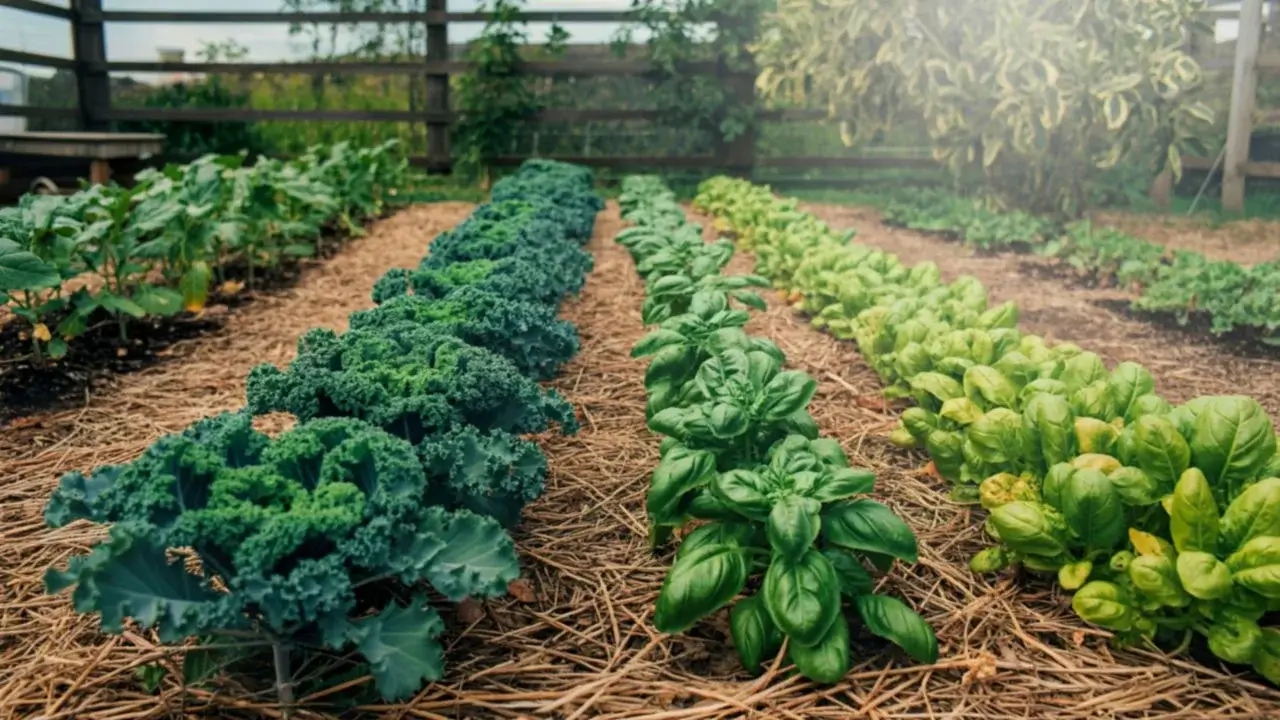
For the modern small-scale farmer, the calendar is more than just a sequence of dates—it is the primary instrument of profitability. While the novice grower may view a growing season as a single, finite window, the experienced producer understands that space and time are fluid assets. The practice of succession sowing—the intentional, staggered planting of crops—is the cornerstone of high-yield farming. By moving away from the "one-and-done" planting model, farmers can transform their acreage into a continuous engine of production, maximizing revenue and minimizing the dormant gaps that often plague small operations.
The Core Philosophy: Time as a Currency
At its heart, succession sowing is an exercise in logistics. It is the practice of maintaining a constant cycle of harvest and replanting, ensuring that when one crop reaches the end of its life cycle, another is already waiting in the wings to occupy that space.
The primary objective is to move away from market gluts—where a farmer has an overwhelming supply of one crop for two weeks and nothing for the remainder of the month—toward a model of consistent, manageable supply. This not only appeals to CSA members and farmers’ market regulars but also allows for a more efficient allocation of labor throughout the season.

Chronology: Implementing the Succession Cycle
Succession sowing requires a disciplined approach to the calendar. A successful program is built on four distinct methodologies, each serving a specific purpose in the farm’s broader ecosystem.
1. Interval Sowing (The Sequential Method)
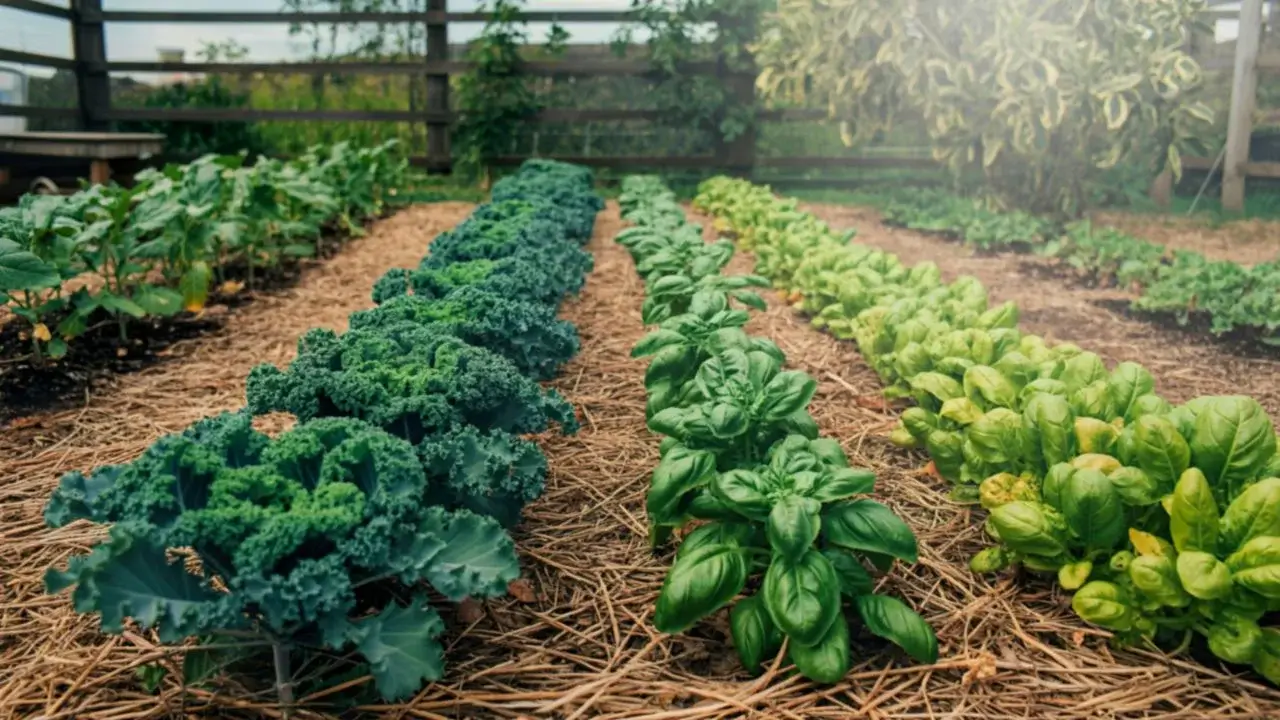
The most straightforward approach is sowing the same crop at specific intervals, typically every two to three weeks. This is best applied to quick-maturing crops like radishes, loose-leaf lettuce, cilantro, and bush beans. By staggering the planting, the farmer ensures that the harvest is spread out over several weeks rather than ripening all at once. For instance, planting a single row of radishes every 14 days guarantees a fresh supply of roots for the market stand throughout the spring and early summer.
2. Rotational Succession (The Space-Sharing Method)
This method involves replacing an exhausted crop with an entirely different one. For example, once the spring harvest of spinach is complete, the soil is cleared, amended, and immediately planted with a heat-loving crop like summer squash. This strategy demands that the farmer understands the "days to maturity" for every variety in their catalog. By keeping a master schedule, the grower can predict exactly when a bed will be vacated, allowing for seamless transitions.

3. Intercropping (The Synergistic Method)
Intercropping, or "relay planting," involves overlapping the growth cycles of two different crops in the same space. A classic example is planting a tall, slow-growing crop like corn or sunflowers, then sowing a vining crop like pole beans or cucumbers underneath them as the primary crop begins to mature. The key here is timing: the support crop must be established enough to hold the weight of the climbers, but not so dense that it chokes out the newcomers.
4. Varietal Diversification
Many farmers find success by planting different varieties of the same crop that have varying maturity dates. By sowing an "early," "mid-season," and "late" variety of tomatoes or potatoes, a farmer can extend the availability of a high-demand crop significantly, even if the total planting is done in a single week.
Supporting Data: Why Succession Matters
The data backing succession sowing is clear: farms that employ these methods report a higher dollar-per-square-foot yield. According to regional agricultural extension studies, intercropping and interval sowing can increase total harvest volume by up to 30% compared to traditional monocropping.
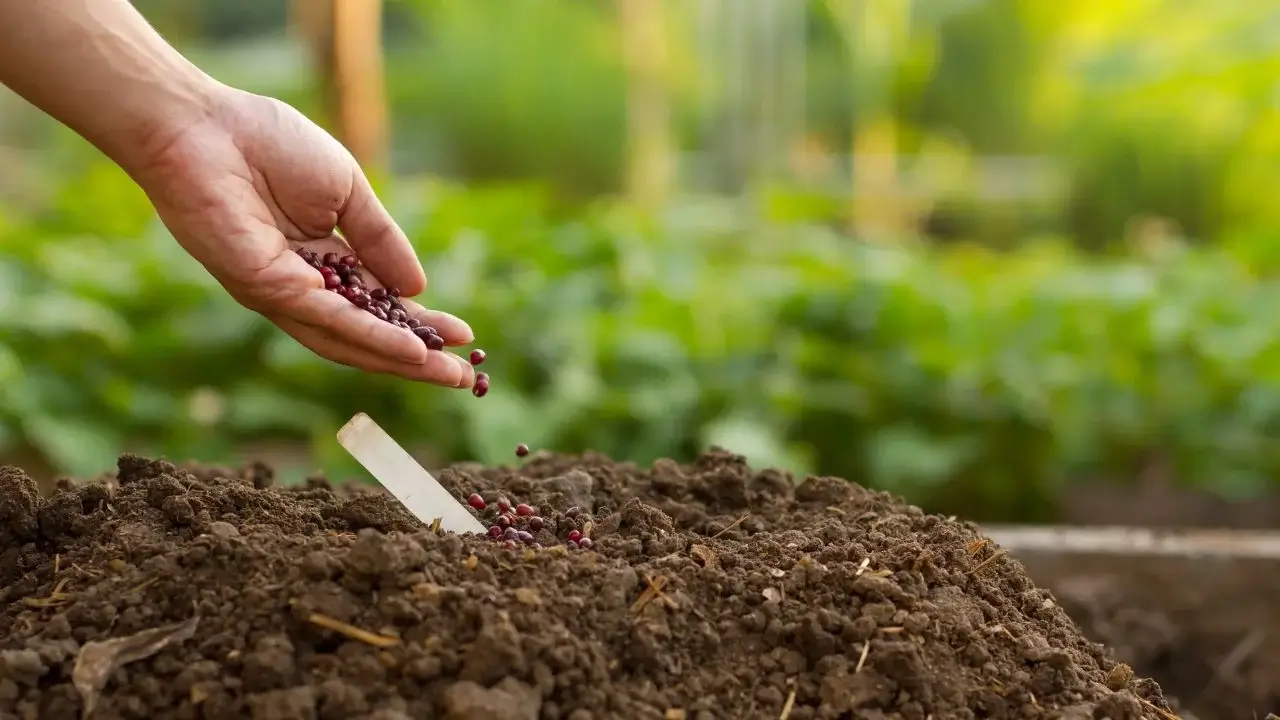
Furthermore, the practice encourages soil health. Continuous production prevents the soil from remaining exposed to wind and water erosion. When farmers follow a heavy-feeding crop (like kale) with a nitrogen-fixing legume (like beans), they are essentially managing the soil chemistry through the act of planting itself. This reduces the need for external fertilizers and promotes a more resilient, living soil structure.
Expert Perspectives: Integrating Resilience
Agricultural consultants often emphasize that while succession sowing is a powerful tool, it requires an intimate knowledge of local microclimates. "The biggest mistake growers make," says one veteran farm educator, "is treating a seed packet’s ‘days to maturity’ as a universal truth."
In reality, environmental factors—such as soil temperature, humidity, and the specific latitude of the farm—can accelerate or delay plant growth by weeks. Therefore, the most effective farmers keep their own logs. By recording the actual harvest dates versus the predicted dates for three consecutive years, a farmer can build a proprietary, site-specific calendar that is far more accurate than any commercial planting guide.

Implications: Managing the Complexity
While the benefits are undeniable, the transition to a succession-based model is not without its challenges. It requires a significant increase in administrative overhead. The farmer must track seeds, monitor seed starting schedules, and maintain a constant supply of transplants or direct-sow seeds.
Avoiding "Burnout"
The most common pitfall in this system is labor mismanagement. Succession sowing requires constant maintenance—weeding, thinning, and harvesting are ongoing tasks. To mitigate this, successful farms often:
- Use Seedling Trays: Starting seeds in trays allows for a "plug-and-play" system. When a bed is harvested, the grower can transplant established seedlings rather than waiting for direct-sown seeds to germinate, effectively cutting weeks off the cycle.
- Utilize Season Extension: The use of low tunnels, row covers, and cold frames is essential for extending the succession. By protecting early spring crops from frost and shading late-summer crops from heat, farmers can push their successions well into the shoulder seasons.
- Prioritize Soil Fertility: The more intensive the planting schedule, the more nutrients the soil requires. A robust compost program is not optional; it is the fuel that keeps the succession engine running.
Impact on Food Security and Revenue
For the small-scale farmer, the implication of succession sowing is a more stable income stream. By diversifying what is brought to market each week, the farmer builds customer loyalty. A market stall that offers a consistent variety of high-quality produce becomes a destination for consumers, rather than a place to find only seasonal commodities.
Moreover, in the context of food security, succession sowing is a risk-mitigation strategy. If a pest or weather event destroys one planting of lettuce, the grower has another crop at a different stage of development elsewhere, effectively spreading the risk of crop failure across the entire season.
Conclusion: A Pathway to Sustainability
Succession sowing is more than just a technique; it is a philosophy of stewardship. It asks the farmer to be observant, organized, and proactive. While it demands more planning and a sharper eye for detail, the reward is a farm that feels truly alive—a space that is never stagnant, always producing, and consistently contributing to both the local economy and the health of the land.
As the industry moves toward more sustainable and localized food systems, the techniques of the "small farmer" are becoming increasingly vital. By mastering the rhythm of the seasons through succession, today’s growers are not just cultivating crops—they are cultivating a legacy of resilience. Whether you are a backyard gardener looking to double your yield or a market farmer aiming to maximize your bottom line, the key to the future is hidden in the next round of seeds you sow.


 Sagoh
Sagoh