

 Dwi Wanna
 Nana Wu
 Muslim
 Reynand Wu
 Ammar Sabilarrohman
 Raul Delapena Setiawan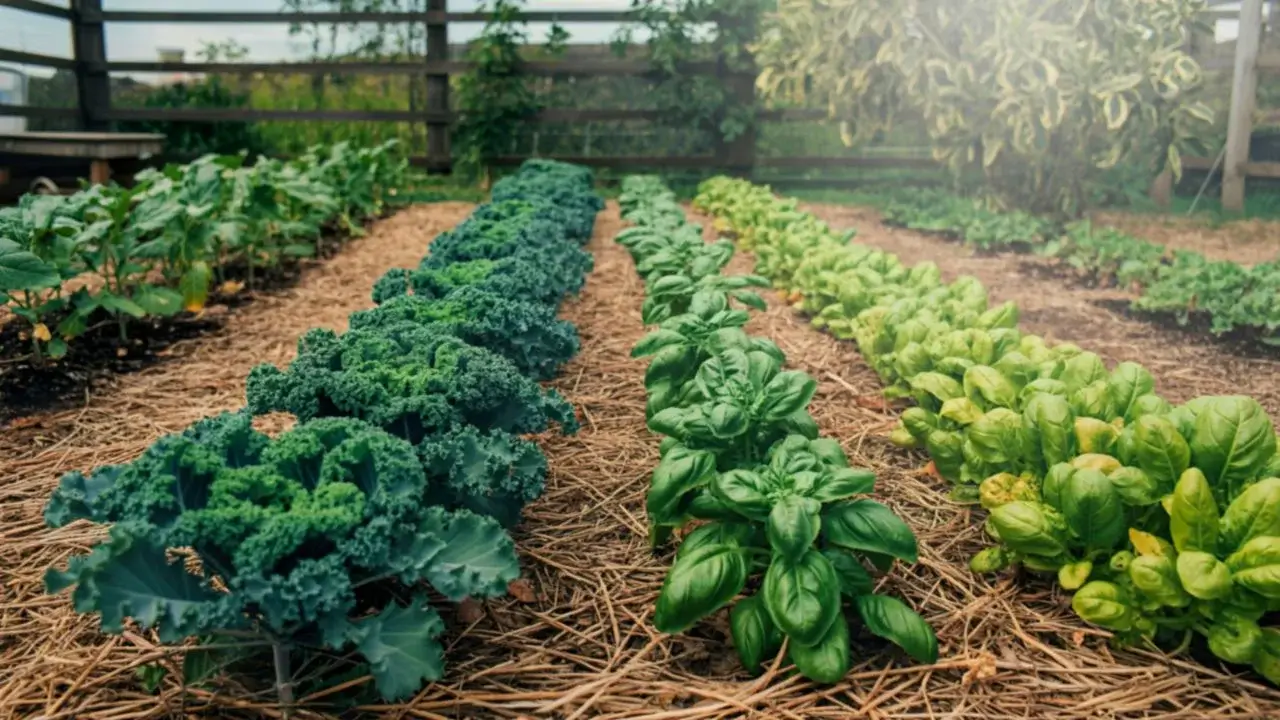
In the high-stakes world of small-scale agriculture, the difference between a break-even season and a profitable one often comes down to land utilization. While many novice growers view the growing season as a singular linear event—plant in spring, harvest in autumn—the most successful market farmers operate on a different rhythm. They employ succession sowing, a sophisticated technique of staggered planting that ensures a continuous, high-quality supply of produce while maximizing the revenue potential of every square foot of soil.
By moving away from the "one-and-done" planting model, farmers can transform their plots into engines of constant production. This guide explores the logistical, biological, and economic foundations of succession sowing, offering a blueprint for growers looking to elevate their farm’s output.
Main Facts: The Logic of Continuous Harvest
At its core, succession sowing is the intentional practice of planting crops at specific intervals rather than all at once. The primary objective is to avoid the "glut and famine" cycle, where a farmer is overwhelmed by a massive, simultaneous harvest of a single crop that then suddenly ceases, leaving the market stand empty.

The Economic Imperative
For the small farmer, cash flow is king. Succession sowing allows for a steady stream of income throughout the season. Instead of selling 500 heads of lettuce in a single week—often forcing the grower to drop prices to move inventory—the farmer who staggers their sowings can bring 100 heads to market every week for five weeks. This maintains a consistent presence at the farmers’ market and builds brand loyalty among customers who come to rely on the farm for fresh, high-quality produce.
The Biological Timing
Succession sowing relies heavily on the "days to maturity" (DTM) metric found on seed packets. However, professional farmers know that DTM is a baseline, not a rule. Success requires an understanding of:
- Thermal Units: How soil and ambient temperature affect germination rates.
- Day Length: How changing light cycles impact bolting in greens or fruit set in nightshades.
- Microclimates: Identifying the warmest and coolest spots on the farm to extend the window for specific crops.
Chronology: Implementing the Strategy
Transitioning to a succession-based system requires a disciplined approach to planning. Successful implementation is typically broken down into three phases: the Pre-Season Audit, The Execution Window, and The Closing Transition.

Phase 1: The Pre-Season Audit
Before the first seed touches the soil, the farmer must map out the entire season. This involves:
- Establishing Frost Dates: Using historical data to determine the length of the growing season.
- Crop Selection: Grouping crops by their DTM. Fast-maturing crops like radishes (25–30 days) are the best "training wheels" for new practitioners.
- Scheduling: Using a spreadsheet or farm management software to reverse-engineer planting dates from the expected harvest date.
Phase 2: The Execution Window
Once the season begins, the focus shifts to disciplined intervals.
- The Interval Method: Sowing the same crop every 10 to 14 days. This ensures that as one batch reaches its peak, the next is ready to follow.
- The Relay Method: Planting a second crop into the space of a fading first crop. For example, planting snap beans immediately after the final harvest of spring spinach.
Phase 3: The Closing Transition
As the season wanes, the focus shifts from quantity to cold-hardiness. This is where seasonal extension tools—such as low tunnels, row covers, and cold frames—become essential. By protecting late-season sowings from the first frosts, a farmer can extend their revenue window well into the autumn, often commanding higher prices for "out-of-season" produce.
Supporting Data: Why Methods Matter
Succession sowing is not a monolithic practice; it is a toolkit of four primary methodologies.
1. Same-Crop Interval Sowing
This is the gold standard for high-turnover crops. By sowing a portion of a bed every two weeks, you ensure a consistent harvest.
- Data Insight: For crops like cilantro or lettuce, which have a short harvest window, planting 20% of your total capacity every 14 days creates a "rolling harvest."
2. Space-Sharing (The "Relay" Technique)
This involves utilizing the same soil for multiple crop families.

- Nutrient Cycling: A critical aspect of this method is understanding soil health. After a heavy-feeding crop like kale or cabbage, a farmer should rotate in a nitrogen-fixing legume like beans. This not only keeps the space productive but actively improves soil fertility for the following season.
3. Strategic Intercropping
Intercropping is the practice of growing two or more crops in proximity. The "succession" element comes in when planting times are staggered.
- The Support System: Plant tall, structural crops (like corn or sunflowers) before the vining crops (like pole beans or peas) that will eventually climb them. This creates a vertical succession that maximizes sunlight capture.
4. Varietal Diversification
Sometimes, the best way to ensure a long season is to grow different varieties of the same vegetable.
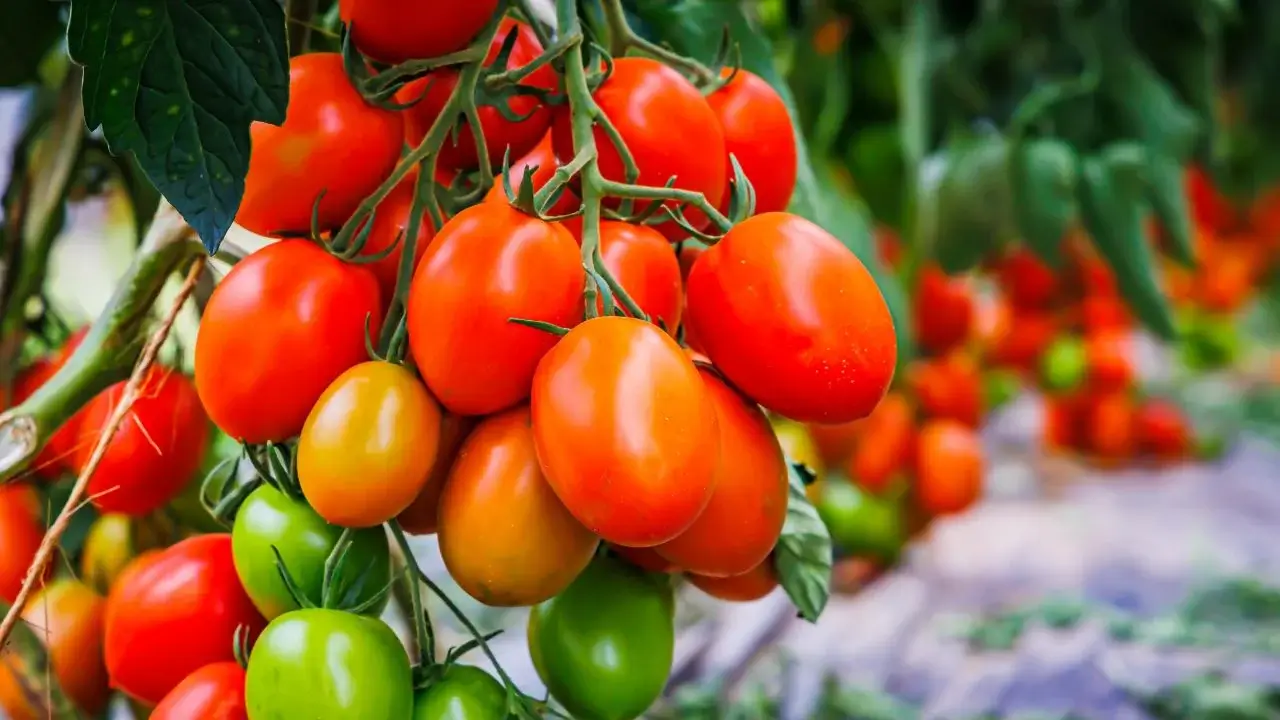
- Example: A farmer might plant an "early" variety of tomato (60 days to maturity) alongside a "late" variety (85+ days). This guarantees that the farm is never without tomatoes, even if the weather conditions fluctuate.
Implications: Building a Resilient Farm
The adoption of succession sowing has profound implications for the long-term health of a farm operation.
Mitigating Risk
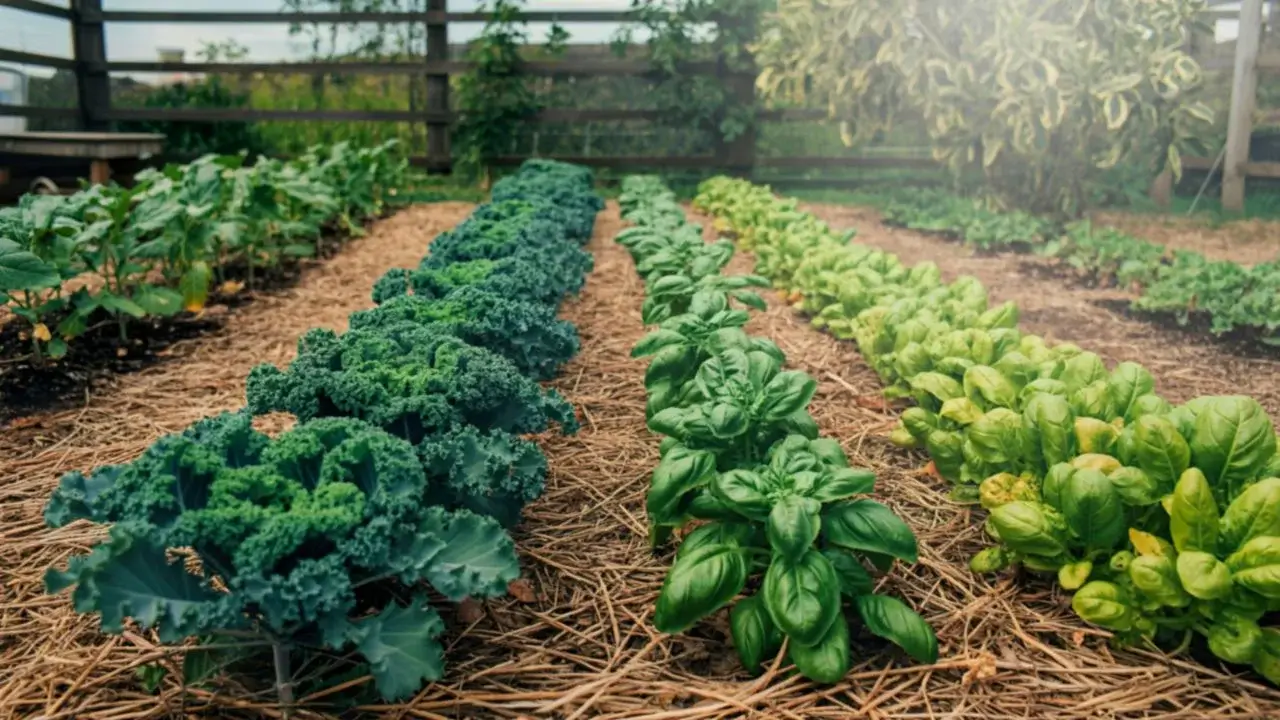
Monocropping—the practice of planting a single variety across a large area—is a high-risk strategy. A sudden pest infestation or a freak weather event can wipe out an entire season’s revenue. By staggering plantings and using different varieties, the farmer creates a "buffer." If one planting is affected by a localized blight, the subsequent or preceding successions remain intact, shielding the farm from total financial loss.
Improving Soil Ecology
Succession sowing necessitates regular soil disturbance and management. This encourages farmers to adopt a more hands-on approach to soil health, utilizing cover crops and compost to "recharge" the beds between successions. This constant activity keeps the soil microbiome active and productive.
Marketing and Brand Identity
Customers are increasingly seeking local, consistent sources of food. A farm that can provide a reliable basket of goods throughout the entire season becomes a destination. This fosters a relationship of trust; the farmer becomes a staple of the local food system, which is a significant competitive advantage against large-scale, industrial retailers.

Expert Insights and Official Perspectives
The movement toward intensive, succession-based farming is supported by agricultural extension services and sustainable farming advocates who view it as a primary solution to food waste.
According to experts in sustainable agriculture, the biggest hurdle for farmers is not the technical aspect, but the logistical transition. "The mental load of managing a continuous planting schedule can be daunting," says one farm consultant. "However, the farmers who overcome the initial learning curve see their revenue-per-square-foot increase by 30 to 50 percent within three years."
Furthermore, integrated pest management (IPM) professionals emphasize that succession sowing helps control populations of pests. By constantly changing the crop in a specific area, the farmer disrupts the life cycles of insects that specialize in one host plant. This "moving target" strategy reduces the need for external inputs, further increasing the profitability of the operation.
Conclusion: The Path Forward
Succession sowing is more than just a technique; it is a philosophy of stewardship. It requires the farmer to be a keen observer of time, space, and biological necessity. While it demands more rigorous planning and labor management than traditional methods, the rewards—a resilient farm, a consistent income, and a healthier ecosystem—are well worth the effort.
For the small farmer, the future lies in these refined, efficient systems. By mastering the rhythm of the seasons, you stop fighting against the clock and start working with it, ensuring that your farm remains a productive, vibrant, and profitable enterprise for years to come. Start small, track your successes, and slowly increase the complexity of your successions. Your soil, your market, and your bottom line will thank you.


 Sagoh
Sagoh